After diving into 3D printing and getting your first desktop machine, the next step is to learn how to clean the 3D printer bed, ensuring every project turns out fantastic. Residue from dried materials, smudges, dust, fingerprints, and other contaminants on the build platform can easily cause failed 3D prints, ruined parts, and other problems. So, it’s best to avoid them from the start.
Each time you finish a 3D print, you have to prepare your machine for the new project. Gambody will share helpful tips on how to clean PEI plate, remove glue from a glass platform, and maintain other types of beds in good condition to eliminate issues of poor adhesion and ruined prints.
How to Clean 3D Printer Bed: General Tips
To stay organized and keep your machine ready to run, it’s essential to know what to clean 3D printer bed with. Hobbyists find the following tools and solutions perfect for their needs (of course, everything depends on the type of your build platform and printing materials you work with):
- You can use regular water with dish soap on different types of surfaces to keep them clean from oils, dirt, and debris;
- You can apply window cleaner to non-textured platforms to eliminate small residues and glue;
- It’s easy to dust your platform with a microfiber cloth (it is a good method to clean 3D printer bed of any type);
- If you 3D print with different filament plastics, you can dissolve the residues with acetone (perfect for metal and glass platforms);
- IPA (stands for isopropanol, isopropyl alcohol, or 2-propanol) is another great cleaning solution for multiple beds that improves adhesion (not suitable for platforms covered with tape);
- 3D print your own scraper tool for cleaning 3D printer bed from big debris and finished projects (be extra careful if your platform is covered with tape).

Now let’s focus on the best way to clean 3D printer bed depending on its type.
Read also: Cleaning 3D Printer Nozzles at Home (Simple Guides).
How to Clean PEI Plate
Many 3D printers from various brands feature a PEI sheet (polyetherimide, a thermoplastic material that provides outstanding adhesion). This type of platform lasts long. It is heat-resistant and helps to prevent shifting and warping as you recreate your favorite 3D printed items.
Remember that you must always wait for the PEI platform to cool down. Never clean it hot. It’s the most essential rule on how to clean 3D printer bed without damaging it.

Here are the main steps for 3D printer bed cleaning (for PEI sheets):
Step 1. Use a scraper tool to carefully remove the pieces of filament and debris stuck to the surface. Don’t scratch or gouge it, though.
Step 2. Use Windex or dish soap mixed with water and a microfiber cloth to remove any filament residues from the platform.
Step 3. Wipe the bed with IPA to eliminate any residue left by Windex or dish soap mixture.
Repeat the procedure after every print you make, and you’ll love the result. Your PEI plate will stay clean and look like brand new! P.S. It’s best to avoid cleaning this type of platform with acetone because it can cause surface degradation.
How to Clean Ender 3 Bed
Different versions of the Creality Ender-3 3D printers have other types of platforms. The original machine has a frosted heatbed (polymer-based) surface. The V2 upgrade boasts a glass plate, while the Pro comes with a magnetic bed. Some hobbyists have updated their bed to a PEI sheet to resolve adhesion issues.
To learn how to clean Ender 3 bed, you need first to double-check your platform type and care for it accordingly (as you would treat PEI, glass, or magnetic platforms).

If you still have the frosted heatbed, cleaning Ender 3 bed can go like this:
Step 1. Use a scraper tool (you can replace it with a putty knife) to carefully remove any visible debris.
Step 2. Soak a microfiber cloth (you can replace it with paper towels) in isopropyl alcohol and wipe the platform surface.
Sometimes, the bed is covered with residue even after you repeat the cleaning process. In this case, you can use warm water with a dish soap or window cleaner and a soft brush to scrub the heatbed gently (you can also leave the solution to sit for a while to break down the residue before you scrape it again). Ensure you dry it afterward using any lint-free cleaning cloth.
Read also: The Best Ender-3 Upgrades to Create Fantastic 3D Prints (V2, Pro, Neo, V3 KE, S1, MAX).
How to Clean Glass 3D Printer Bed
Enthusiasts who constantly work on new 3D printed items and have a 3D printer with a glass bed have to learn to clean it the correct way. The glass surface is extremely smooth and easy to maintain. It can be heated and withstand the test of time, providing long-lasting benefits when maintained regularly.
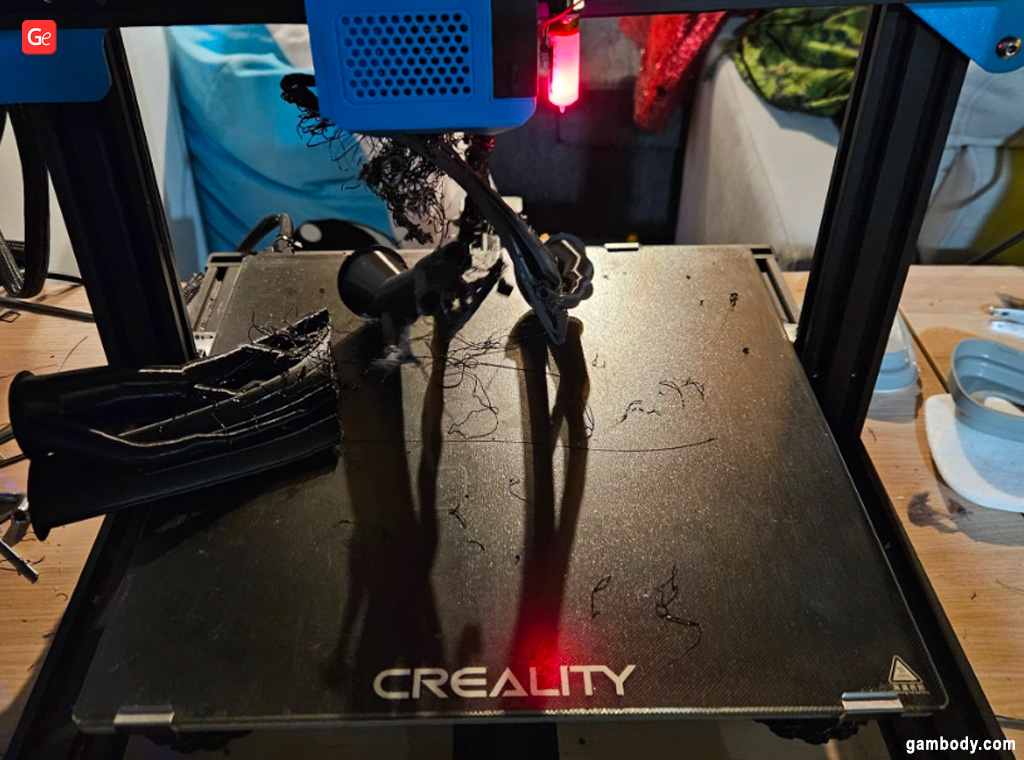
Before you begin improving the surface, cool the platform completely (if you apply cold solutions to a hot bed, the glass can crack and be ruined due to the rapid changes in temperature):
Step 1. The best way to clean a 3D printer bed made of glass is to use a scraper tool to scrape any filament left over and residue from your adhesive. Be gentle and persistent at the same time, but avoid putting too much pressure on the glass surface or scratching it.
Step 2. Polish the build platform using a microfiber cloth soaked with soapy water, acetone, or window cleaner.
Step 3. Wipe down the plate clean with a paper towel.
If you prefer cleaning 3D printer bed with a sponge soaked in soapy water, ensure you protect every cord, power supply, heating unit, and other electrical components. Keep an eye on what you make wet and don’t over wet your sponge.
Read also: Perfect PLA Bed and Print Temperature for the Best 3D Printing Results.
How to Clean 3D Printer Magnetic Bed
Enthusiasts share a fun method on how to clean magnetic 3D printer bed that has first-layer leftovers from a printing material. Instead of scraping filament off with a scraper, you can print a large flat object over the residue and peel everything off at once (the old plastic will stick to your new 3D printing project).
Just like when you clean 3D printer bed made of glass or PEI, you can use warm soapy water on a paper towel, cotton ball, or a microfiber cloth to scrub and rinse your build platform. Once you dry it, you can make an extra pass with IPA to wipe the plate of any residue and oils left.
Whatever method you choose, first let the magnetic bed cool down completely.
How to Clean Build Plate 3D Printer Resin
No matter what plate or 3D printer type you use, the platform needs to stay clean to provide the best results. Every area can accumulate dust very fast, which can affect the adhesion and first layers of filament or resin.
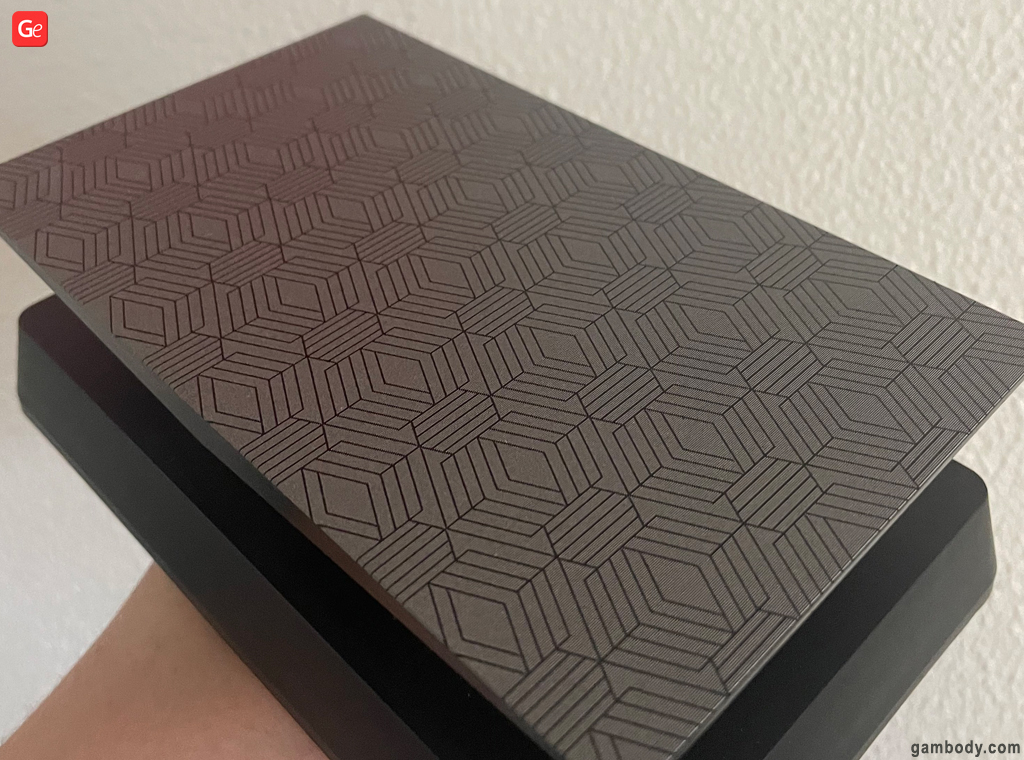
Just like with plastics, you can use similar tools and methods to clean a resin 3D printer build plate. A scraper tool can help you remove any leftover resin on the platform after a finished project. If this doesn’t help, you can use IPA (leave it on for a short while) and scrub the leftovers with a soft brush. Make sure you dry the bed afterward using a paper towel or a cloth.
Tips for Hobbyists Who Use Adhesive Tape
Enthusiasts who add a layer of blue painter’s or Kapton tape on their build platform can also clean it, but should avoid using a scraper tool (too often) or IPA.
Here are the instructions for the best way to clean 3D printer bed with tape on it (ensure that the platform has cooled off before you begin):
Step 1. If you have big particles of filament stuck to the tape, you can very carefully use a scraper to remove them. Don’t damage the tape, though.
Step 2. If you see dust or tiny debris on the surface, you can remove it with a microfiber cloth. Avoid using soapy water, window cleaner, and IPA because these solutions can damage the adhesive surface.
Step 3. If the tape appears damaged or you’re unable to remove debris with Steps 1 and 2, peel off the old tape and apply a new layer for your next 3D print ideas.
Knowing what to clean 3D printer bed with and how to prolong the life of different types of surfaces will help you always be ready for new 3D print ideas. Whenever you experience adhesion issues, you can still apply hairspray and glue sticks to some platforms or upgrade your machine to a PEI sheet that offers excellent grip and easy model removal.

Most Popular Types of 3D Printers & How They Work
Read Article
Best Large 3D Printer 2022 for Making Big Objects
Read Article