Community (fb)

 es
es  ua
ua 



Files
3D model format
Stereolithography (.stl)
Total files

Slicer settings
Mesh error check
Netfabb
Support
Lifetime support from Gambody team
Update requests
Available to verified buyers
Model complexity
Standard: balanced printing difficulty and moderate part count with assembly steps.
Advanced: may require tuning print settings or support placement, plus precise fitting, gluing, or sanding.
Model versions
FFF/FDM
Assembly method
Connectors, Ge-Locks, Glue
Features
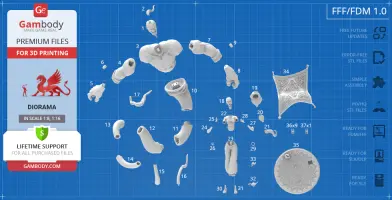
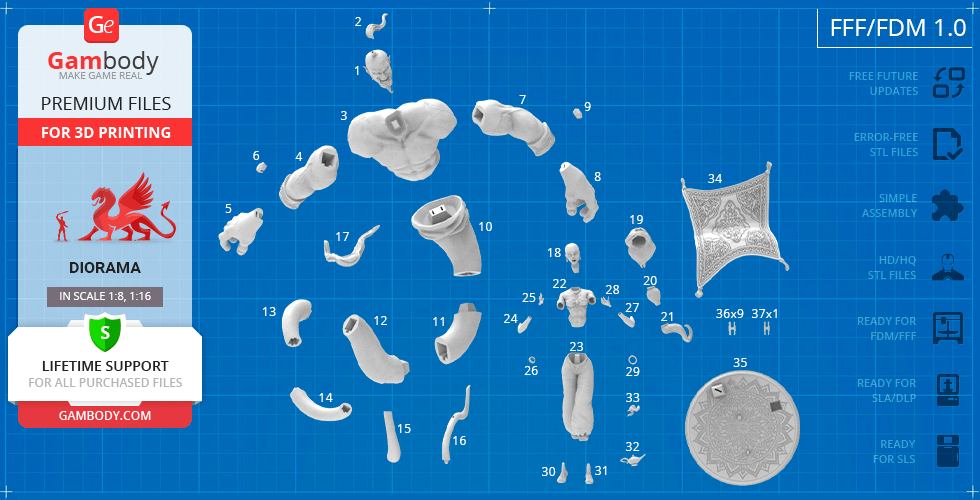
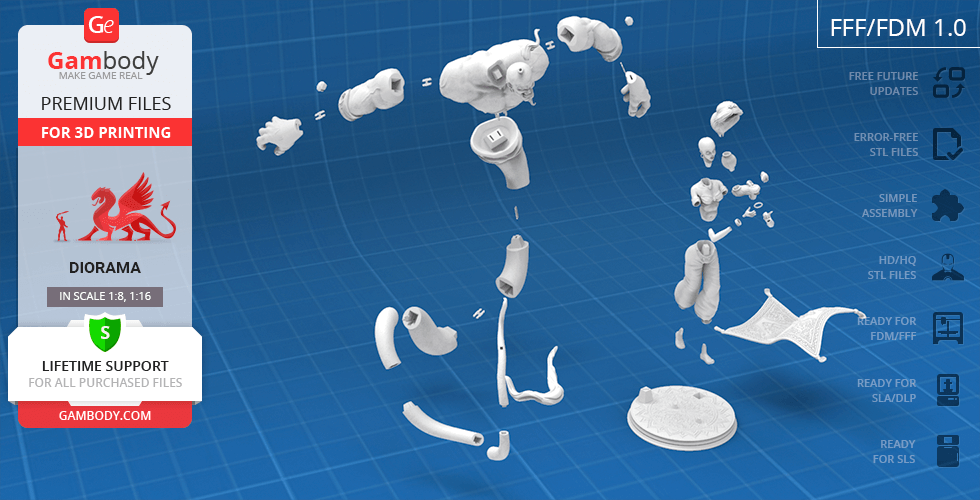
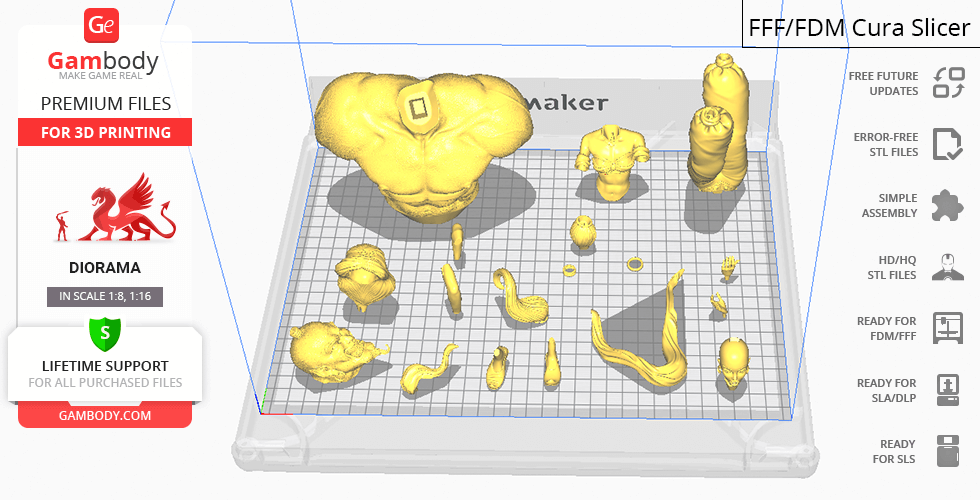
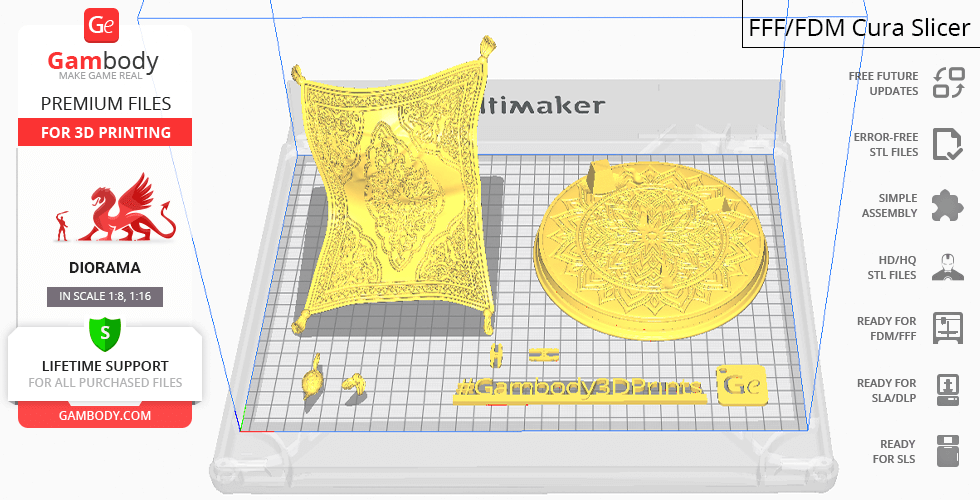
The assembly parts are connected using specially designed integrated connectors that fit securely into the corresponding slots. Some model parts use separate connectors (part "36_ge_lock_10H(x9)", requires 9 copies, and 37_ge_lock_7S(x1) needs to be printed once). Optionally, for added strength and rigidity, the static connections can be glued together;
DLP/SLA
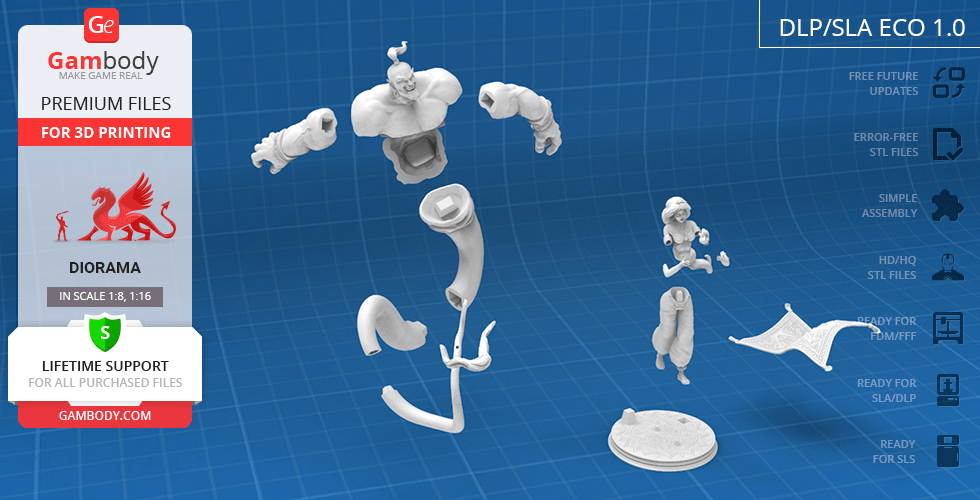
Eco parts
Assembly method
Connectors, Glue
Features
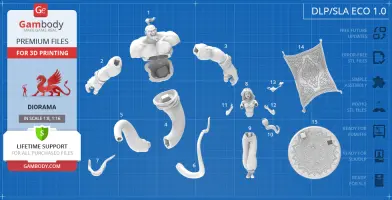
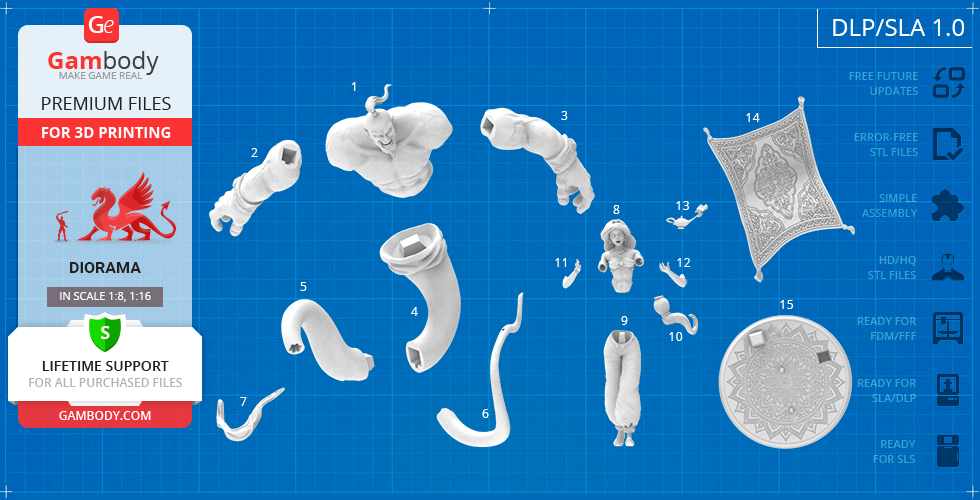
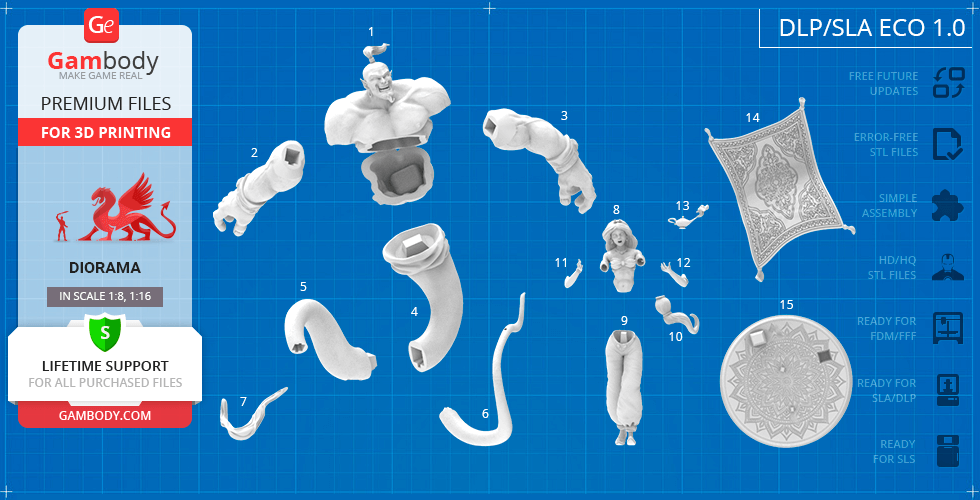
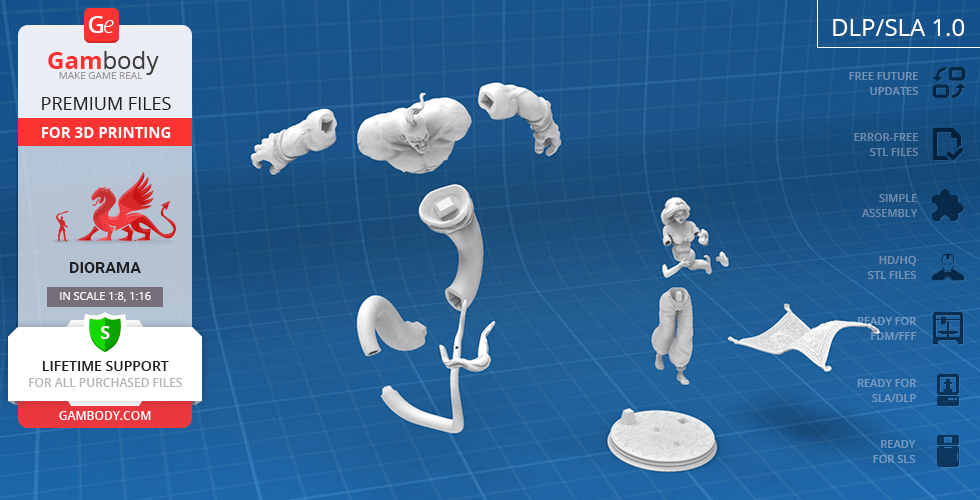
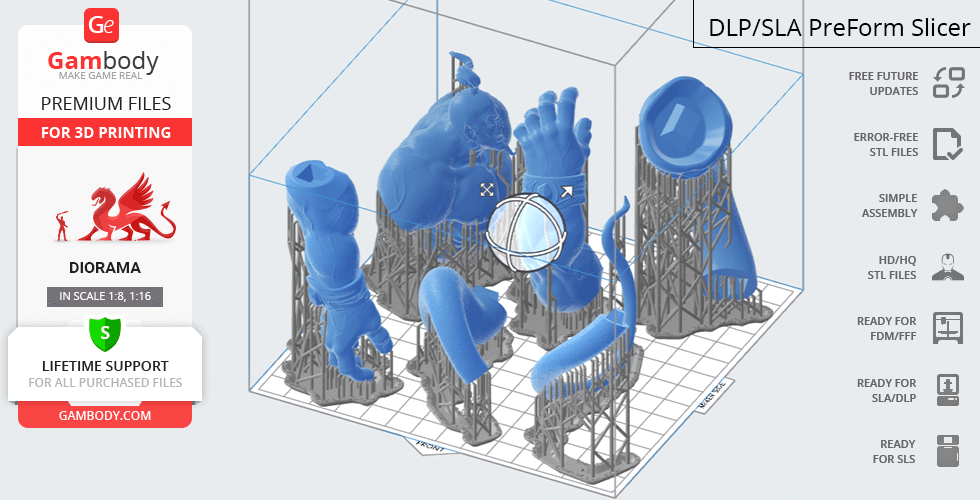
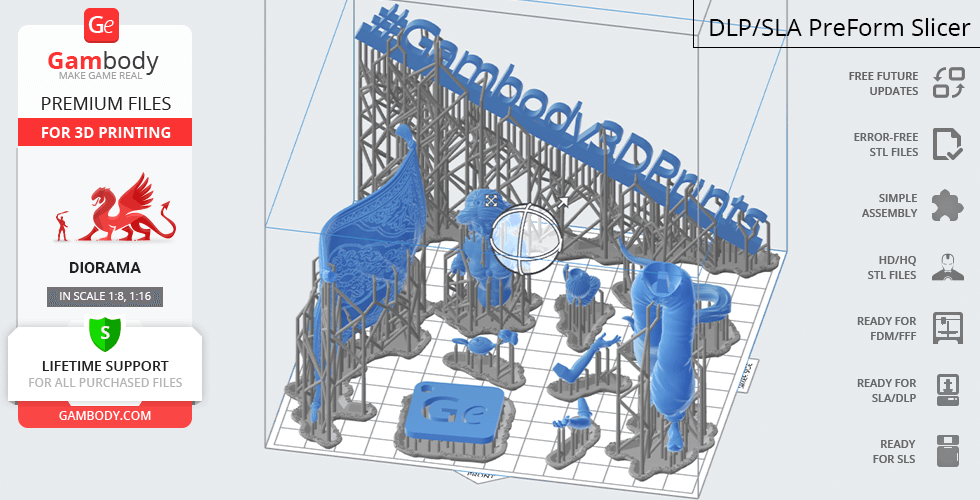
The assembly parts are connected using specially designed integrated connectors that fit securely into the corresponding slots. Optionally, for added strength and rigidity, the static connections can be glued together;
SLS
Assembly method
Connectors, Glue
Features
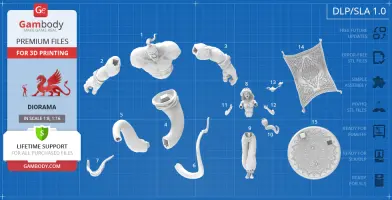
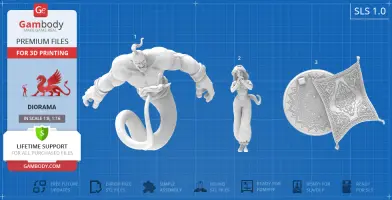
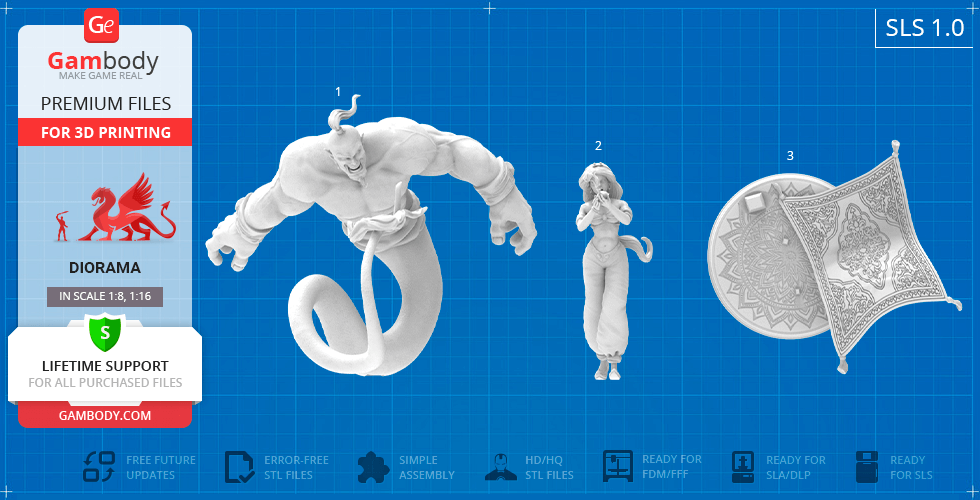
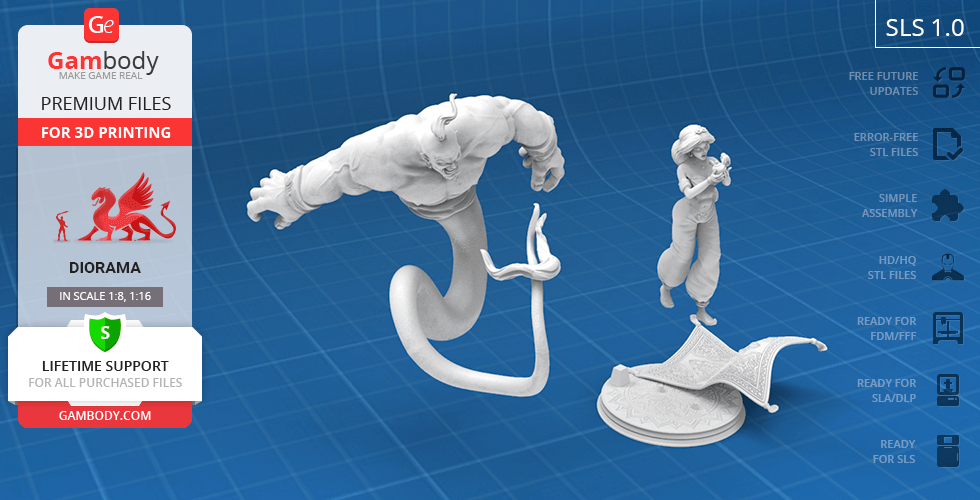
A one-piece Jasmine model and a solid Genie with the platform separated. The assembly parts are connected using specially designed integrated connectors that fit securely into the corresponding slots. Optionally, for added strength and rigidity, the static connections can be glued together;
DLP/SLA
Eco parts
Assembly method
Connectors, Glue
Features
Some parts are hollowed out to save resin. The assembly parts are connected using specially designed integrated connectors that fit securely into the corresponding slots. Optionally, for added strength and rigidity, the static connections can be glued together;
Additional details
Part of diorama
No
Special pack included
No
You can get the STL files of Jasmine & Genie in Diorama immediately after the purchase! Just click the green Buy button in the top-right corner of the model’s page. You can pay with PayPal or your credit card.
Watch the tutorial on how to assemble the 3D printed Jasmine & Genie Diorama from the provided 3D Print Files at Gambody YouTube channel.
Also, you may like the other Cartoons 3D Printing Designs.
_______
FAQ:
This 3D model comes with StereoLithography (.STL) files optimized for 3D printing. You'll get digital files, not a physical product
Before printing, take a look at Printing Details for recommended settings and tips to achieve better results.
Jasmine & Genie in Diorama 3D Printer Files | Assembly includes 3 version(s) for the supported 3D printer type(s): FFF/FDM, DLP/SLA, SLS. Files are available for download after purchase.
See the Description and Specifications sections for more details about this model.
| File name | Size (mm | in) | Size(mb) | Printing Time / Filament | |||
|---|---|---|---|---|---|---|
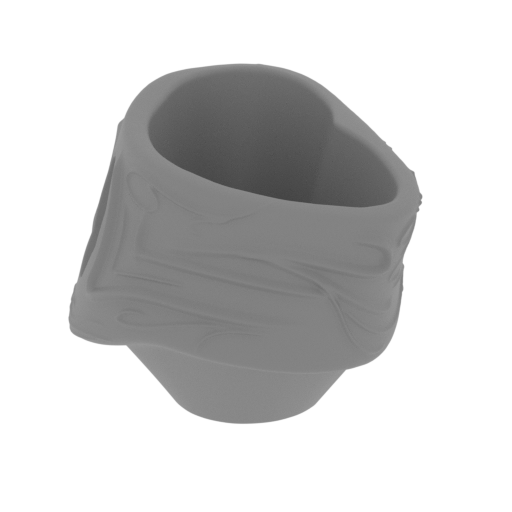 | 7_2_Genie_bracelet_L_FDM(repaired).stl 42.97 x 45.27 x 32.93 mm | 1.69 x 1.78 x 1.3 in | Size: 42.97 x 45.27 x 32.93 mm | 1.69 x 1.78 x 1.3 in | File size: 18.64 mb | Printing Time / Filament: 3 h 15 min / 2 m | ||
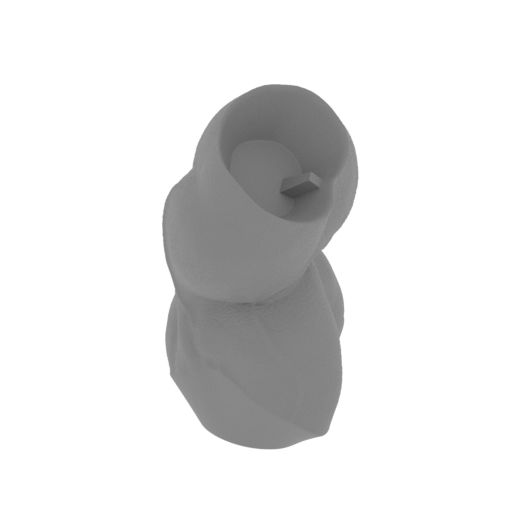 | 7_1_Genie_arm_L_FDM(repaired).stl 49.97 x 69.6 x 91.47 mm | 1.97 x 2.74 x 3.6 in | Size: 49.97 x 69.6 x 91.47 mm | 1.97 x 2.74 x 3.6 in | File size: 22.87 mb | Printing Time / Filament: 9 h 22 min / 5 m | ||
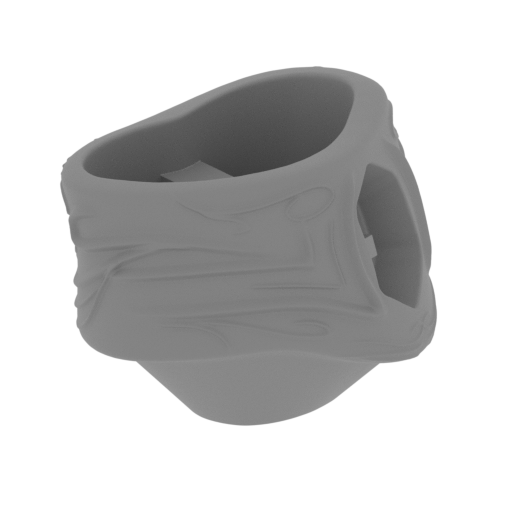 | 4_2_Genie_bracelet_R_FDM(repaired).stl 41.26 x 45.21 x 32.86 mm | 1.62 x 1.78 x 1.29 in | Size: 41.26 x 45.21 x 32.86 mm | 1.62 x 1.78 x 1.29 in | File size: 18.89 mb | Printing Time / Filament: 3 h 14 min / 2 m | ||
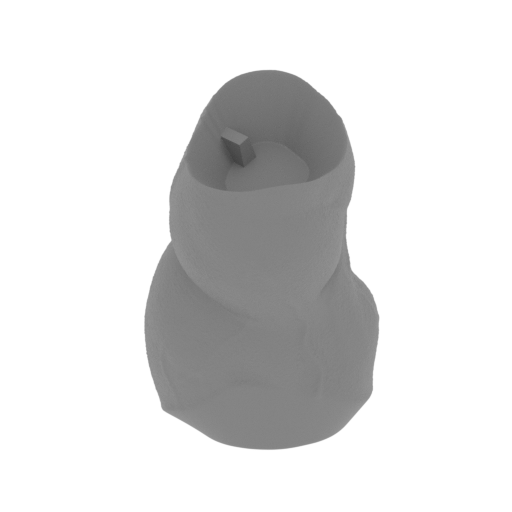 | 4_1_Genie_arm_R_FDM(repaired).stl 47.7 x 67.72 x 84.11 mm | 1.88 x 2.67 x 3.31 in | Size: 47.7 x 67.72 x 84.11 mm | 1.88 x 2.67 x 3.31 in | File size: 21.44 mb | Printing Time / Filament: 8 h 23 min / 5 m | ||
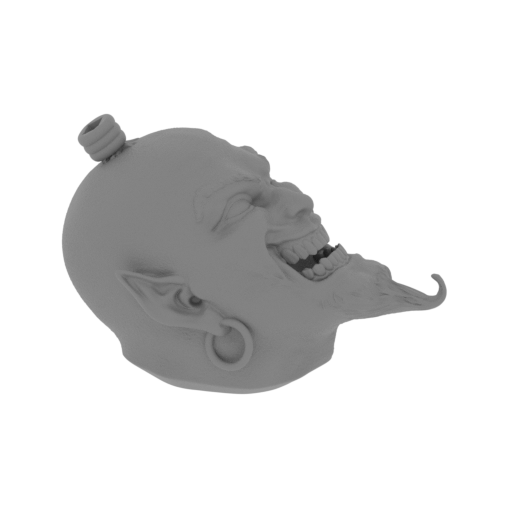 | 1_Genie_head_FDM(repaired).stl 61.77 x 39.62 x 40.25 mm | 2.43 x 1.56 x 1.58 in | Size: 61.77 x 39.62 x 40.25 mm | 2.43 x 1.56 x 1.58 in | File size: 41.63 mb | Printing Time / Filament: 3 h 37 min / 2 m | ||
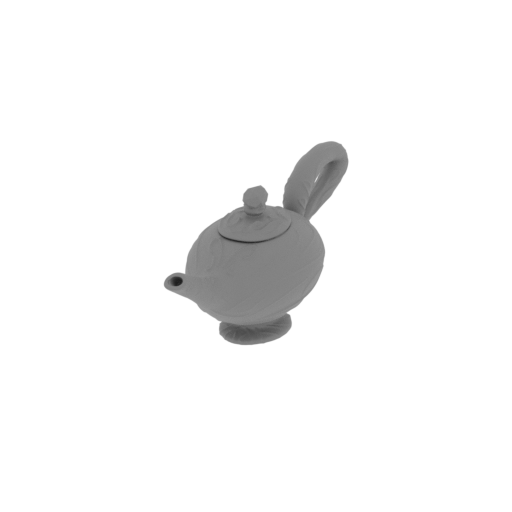 | 32_Genie_lamp_FDM(repaired).stl 12 x 38 x 15 mm | 0.47 x 1.5 x 0.59 in | Size: 12 x 38 x 15 mm | 0.47 x 1.5 x 0.59 in | File size: 31.19 mb | Printing Time / Filament: 23 min / <1 m | ||
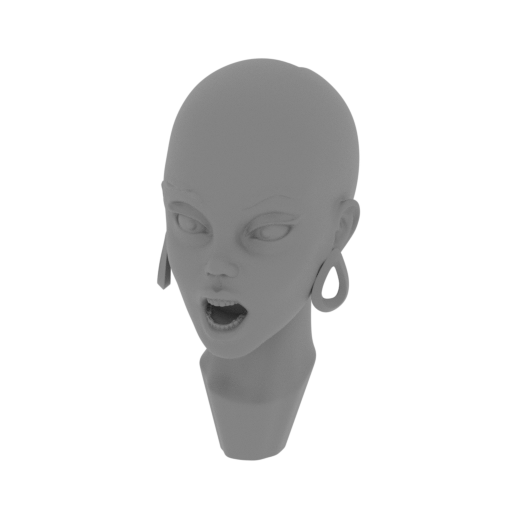 | 18_Jasmine_head_FDM(repaired).stl 21 x 27 x 39 mm | 0.83 x 1.06 x 1.54 in | Size: 21 x 27 x 39 mm | 0.83 x 1.06 x 1.54 in | File size: 43.52 mb | Printing Time / Filament: 1 h 9 min / 1 m | ||
 | Tag (repaired).stl 150 x 18 x 5 mm | 5.91 x 0.71 x 0.2 in | Size: 150 x 18 x 5 mm | 5.91 x 0.71 x 0.2 in | File size: 1.78 mb | Printing Time / Filament: 1 h 16 min / 1 m | ||
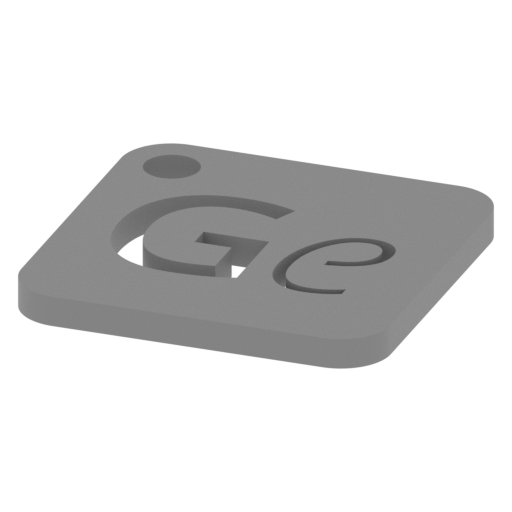 | Keychain (repaired).stl 30 x 30 x 2 mm | 1.18 x 1.18 x 0.08 in | Size: 30 x 30 x 2 mm | 1.18 x 1.18 x 0.08 in | File size: 0.37 mb | Printing Time / Filament: 23 min / <1 m | ||
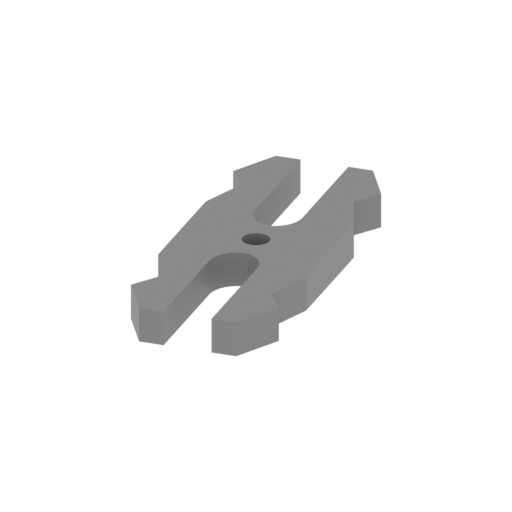 | 37_ge_lock_7S(x1)_FDM(repaired).stl 7 x 18 x 2 mm | 0.28 x 0.71 x 0.08 in | Size: 7 x 18 x 2 mm | 0.28 x 0.71 x 0.08 in | File size: 0.02 mb | Printing Time / Filament: 3 min / <1 m | ||
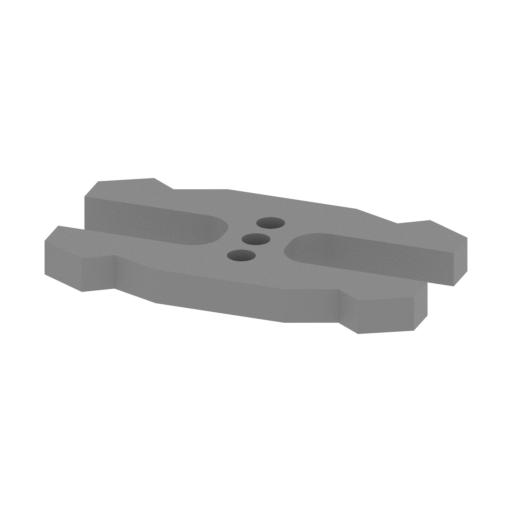 | 36_ge_lock_10H(x9)_FDM(repaired).stl 18 x 10 x 2 mm | 0.71 x 0.39 x 0.08 in | Size: 18 x 10 x 2 mm | 0.71 x 0.39 x 0.08 in | File size: 0.03 mb | Printing Time / Filament: 4 min / <1 m | ||
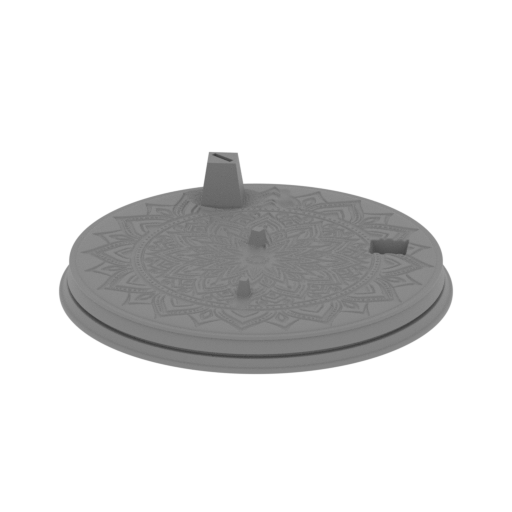 | 35_platform_FDM(repaired).stl 152.67 x 152.67 x 31.96 mm | 6.01 x 6.01 x 1.26 in | Size: 152.67 x 152.67 x 31.96 mm | 6.01 x 6.01 x 1.26 in | File size: 45.63 mb | Printing Time / Filament: 21 h 52 min / 12 m | ||
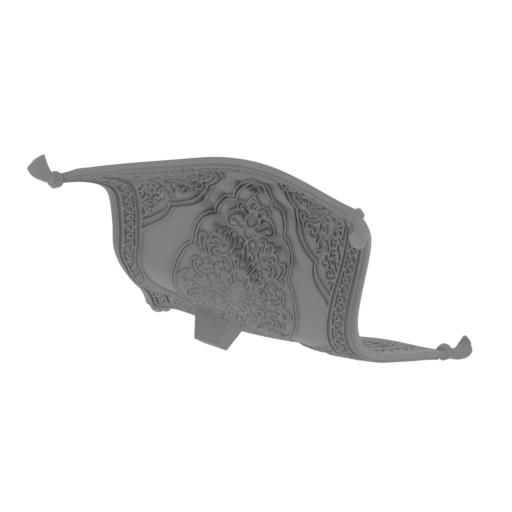 | 34_carpet_FDM(repaired).stl 129.61 x 145.75 x 122.57 mm | 5.1 x 5.74 x 4.83 in | Size: 129.61 x 145.75 x 122.57 mm | 5.1 x 5.74 x 4.83 in | File size: 46.21 mb | Printing Time / Filament: 48 h 12 min / 35 m | ||
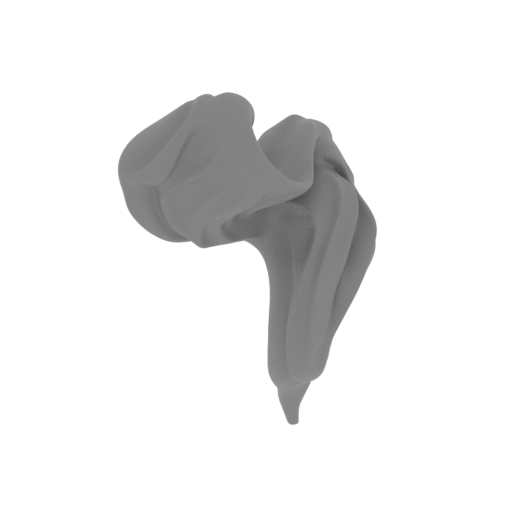 | 33_smoke_Genie_lamp_FDM(repaired).stl 12 x 13 x 22 mm | 0.47 x 0.51 x 0.87 in | Size: 12 x 13 x 22 mm | 0.47 x 0.51 x 0.87 in | File size: 11.42 mb | Printing Time / Filament: 22 min / <1 m | ||
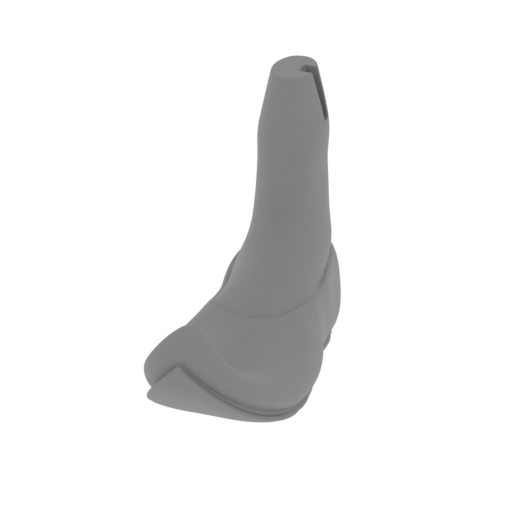 | 31_Jasmine_foot_L_FDM(repaired).stl 10.74 x 28.83 x 21.68 mm | 0.42 x 1.14 x 0.85 in | Size: 10.74 x 28.83 x 21.68 mm | 0.42 x 1.14 x 0.85 in | File size: 16.34 mb | Printing Time / Filament: 25 min / <1 m | ||
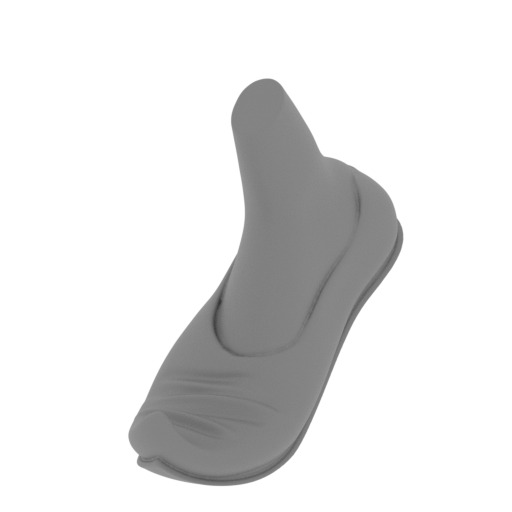 | 30_Jasmine_foot_R_FDM(repaired).stl 13.73 x 26.74 x 27.23 mm | 0.54 x 1.05 x 1.07 in | Size: 13.73 x 26.74 x 27.23 mm | 0.54 x 1.05 x 1.07 in | File size: 19.29 mb | Printing Time / Filament: 28 min / <1 m | ||
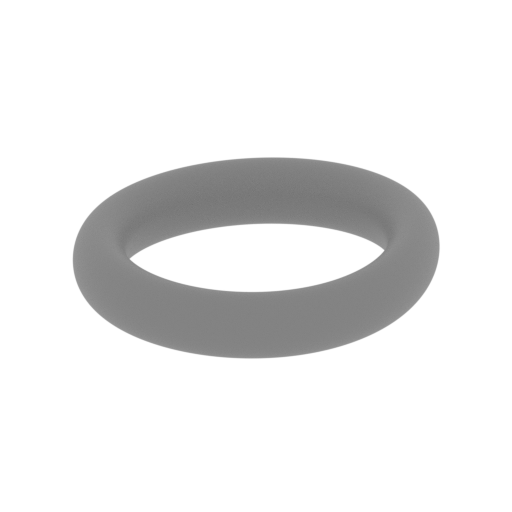 | 29_Jasmine_hand_L_bracelet_FDM(repaired).stl 11 x 12 x 2 mm | 0.43 x 0.47 x 0.08 in | Size: 11 x 12 x 2 mm | 0.43 x 0.47 x 0.08 in | File size: 3.78 mb | Printing Time / Filament: 3 min / <1 m | ||
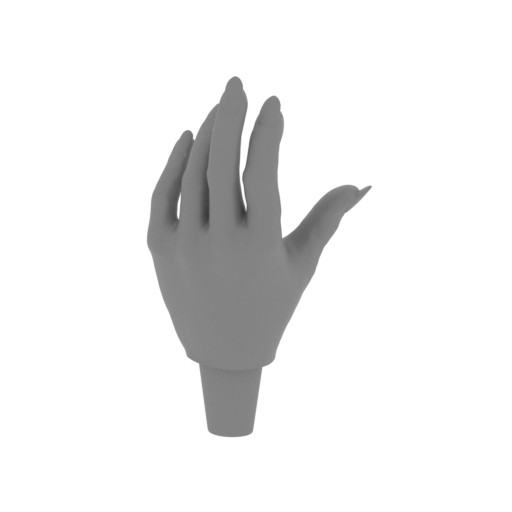 | 28_Jasmine_hand_L_FDM(repaired).stl 13 x 8 x 24 mm | 0.51 x 0.31 x 0.94 in | Size: 13 x 8 x 24 mm | 0.51 x 0.31 x 0.94 in | File size: 15.78 mb | Printing Time / Filament: 18 min / <1 m | ||
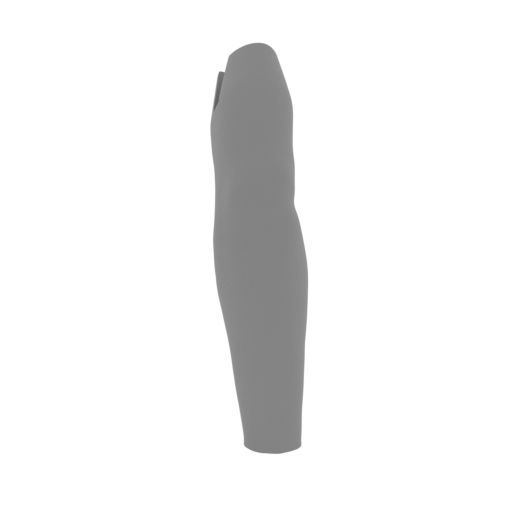 | 27_Jasmine_arm_L_FDM(repaired).stl 13 x 19 x 37 mm | 0.51 x 0.75 x 1.46 in | Size: 13 x 19 x 37 mm | 0.51 x 0.75 x 1.46 in | File size: 20.22 mb | Printing Time / Filament: 37 min / <1 m | ||
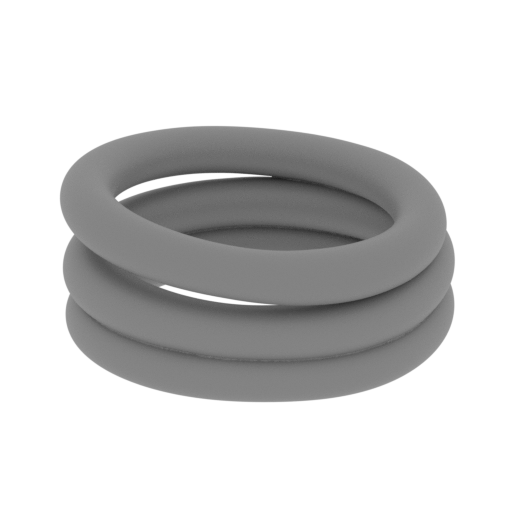 | 26_Jasmine_hand_R_bracelet_FDM(repaired).stl 9 x 8 x 4 mm | 0.35 x 0.31 x 0.16 in | Size: 9 x 8 x 4 mm | 0.35 x 0.31 x 0.16 in | File size: 5.18 mb | Printing Time / Filament: 4 min / <1 m | ||
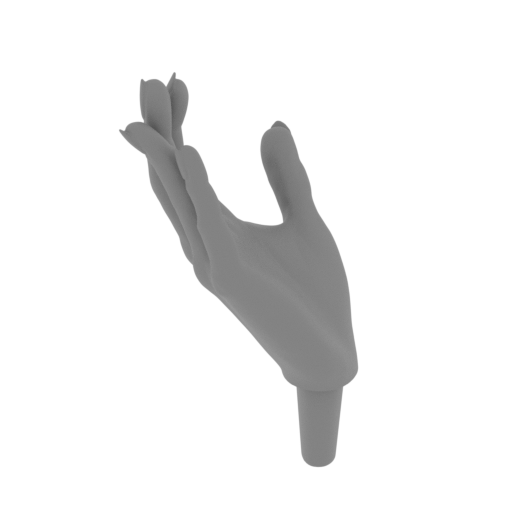 | 25_Jasmine_hand_R_FDM(repaired).stl 12.15 x 12.75 x 21.22 mm | 0.48 x 0.5 x 0.84 in | Size: 12.15 x 12.75 x 21.22 mm | 0.48 x 0.5 x 0.84 in | File size: 14.56 mb | Printing Time / Filament: 16 min / <1 m | ||
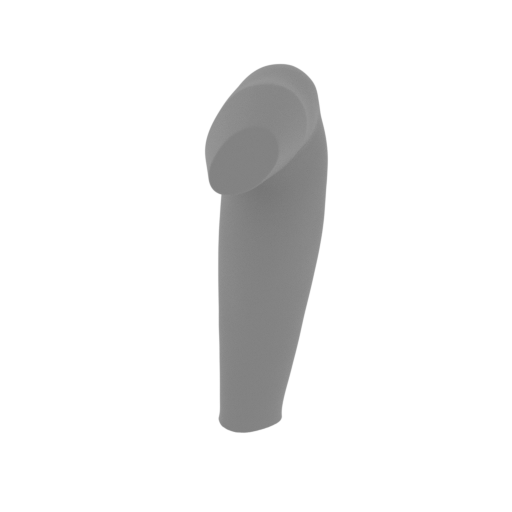 | 24_Jasmine_arm_R_FDM(repaired).stl 9.18 x 17.47 x 31.19 mm | 0.36 x 0.69 x 1.23 in | Size: 9.18 x 17.47 x 31.19 mm | 0.36 x 0.69 x 1.23 in | File size: 22.28 mb | Printing Time / Filament: 31 min / <1 m | ||
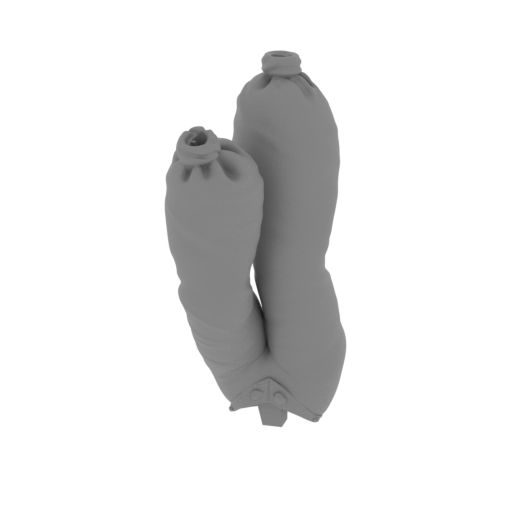 | 23_Jasmine_legs_FDM(repaired).stl 45 x 64 x 119 mm | 1.77 x 2.52 x 4.69 in | Size: 45 x 64 x 119 mm | 1.77 x 2.52 x 4.69 in | File size: 50.74 mb | Printing Time / Filament: 8 h 54 min / 5 m | ||
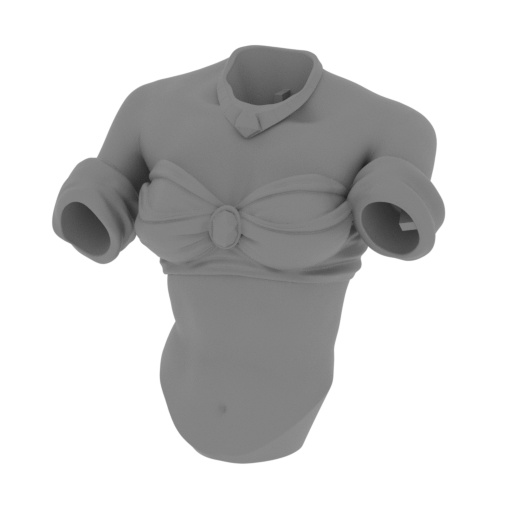 | 22_Jasmine_body_FDM(repaired).stl 53 x 31 x 49 mm | 2.09 x 1.22 x 1.93 in | Size: 53 x 31 x 49 mm | 2.09 x 1.22 x 1.93 in | File size: 51.57 mb | Printing Time / Filament: 3 h 56 min / 2 m | ||
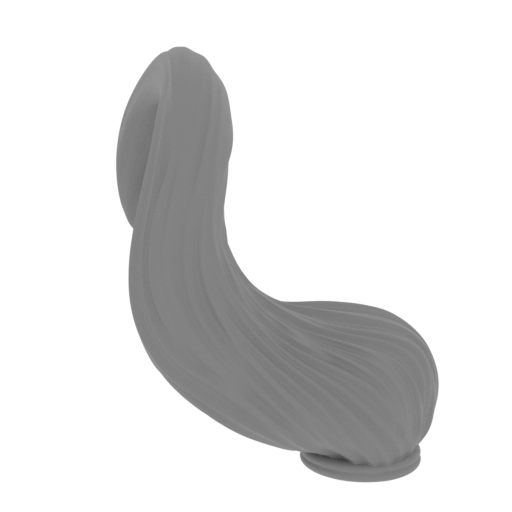 | 21_Jasmine_hair_3_FDM(repaired).stl 37 x 28 x 35 mm | 1.46 x 1.1 x 1.38 in | Size: 37 x 28 x 35 mm | 1.46 x 1.1 x 1.38 in | File size: 20.96 mb | Printing Time / Filament: 1 h 9 min / 1 m | ||
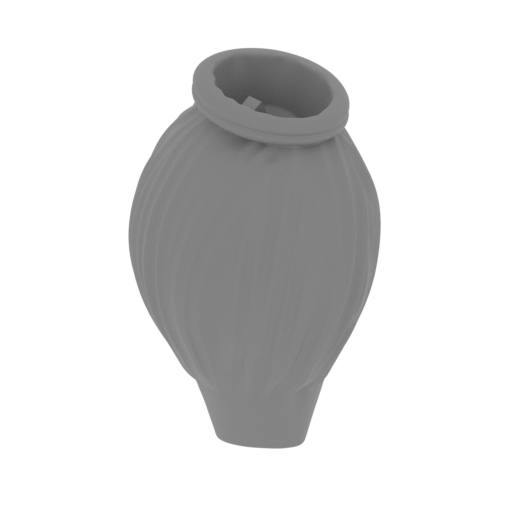 | 20_Jasmine_hair_2_FDM(repaired).stl 18.11 x 16.15 x 27.1 mm | 0.71 x 0.64 x 1.07 in | Size: 18.11 x 16.15 x 27.1 mm | 0.71 x 0.64 x 1.07 in | File size: 19.35 mb | Printing Time / Filament: 32 min / <1 m | ||
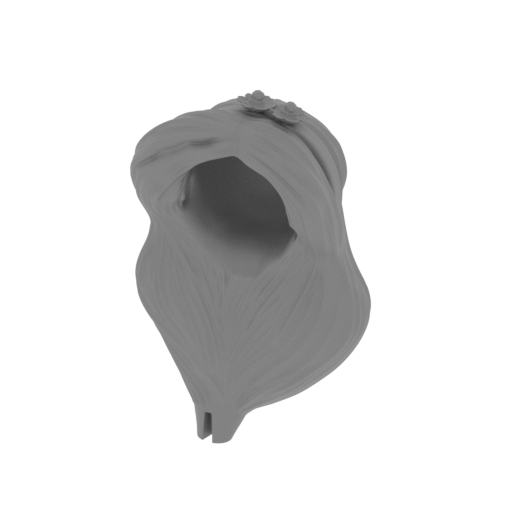 | 19_Jasmine_hair_1_FDM(repaired).stl 38 x 30 x 61 mm | 1.5 x 1.18 x 2.4 in | Size: 38 x 30 x 61 mm | 1.5 x 1.18 x 2.4 in | File size: 29.89 mb | Printing Time / Filament: 2 h 57 min / 2 m | ||
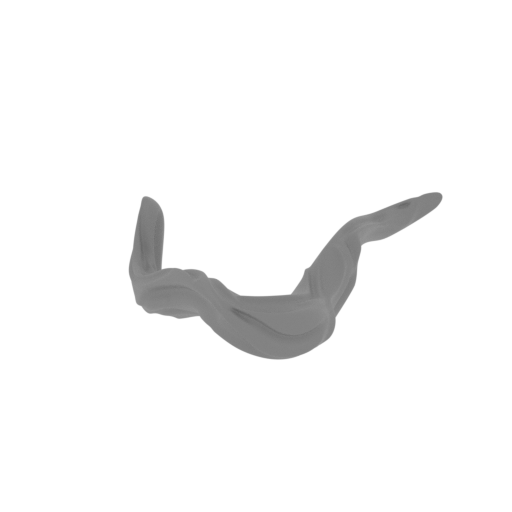 | 17_smoke_FDM(repaired).stl 62 x 97 x 20 mm | 2.44 x 3.82 x 0.79 in | Size: 62 x 97 x 20 mm | 2.44 x 3.82 x 0.79 in | File size: 15.07 mb | Printing Time / Filament: 2 h 26 min / 1 m | ||
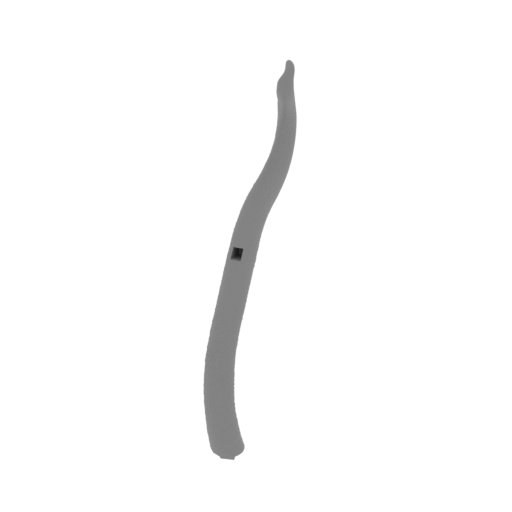 | 16_Genie_tail_7_FDM(repaired).stl 17 x 57 x 124 mm | 0.67 x 2.24 x 4.88 in | Size: 17 x 57 x 124 mm | 0.67 x 2.24 x 4.88 in | File size: 18.04 mb | Printing Time / Filament: 2 h 28 min / 1 m | ||
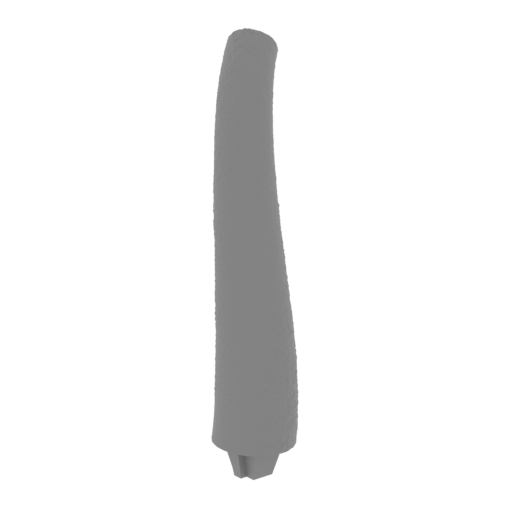 | 15_Genie_tail_6_FDM(repaired).stl 29 x 49 x 78 mm | 1.14 x 1.93 x 3.07 in | Size: 29 x 49 x 78 mm | 1.14 x 1.93 x 3.07 in | File size: 20.29 mb | Printing Time / Filament: 2 h 13 min / 1 m | ||
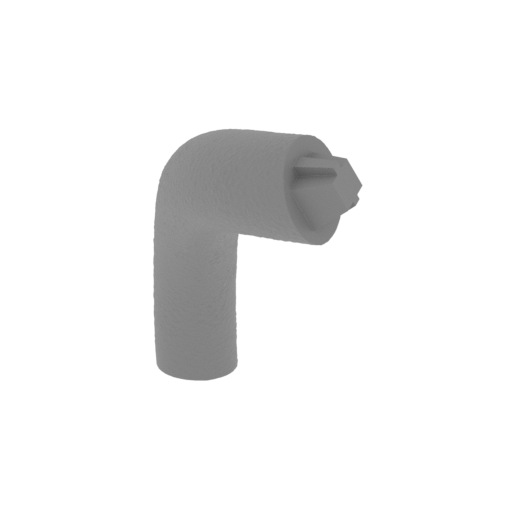 | 14_Genie_tail_5_FDM(repaired).stl 63 x 75 x 78 mm | 2.48 x 2.95 x 3.07 in | Size: 63 x 75 x 78 mm | 2.48 x 2.95 x 3.07 in | File size: 29.11 mb | Printing Time / Filament: 5 h 37 min / 4 m | ||
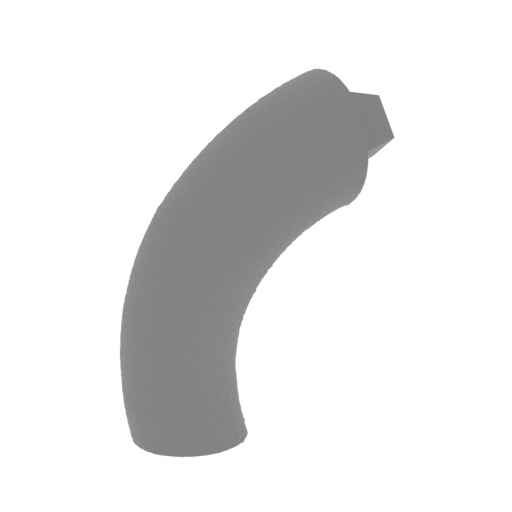 | 13_Genie_tail_4_FDM(repaired).stl 48 x 41 x 75 mm | 1.89 x 1.61 x 2.95 in | Size: 48 x 41 x 75 mm | 1.89 x 1.61 x 2.95 in | File size: 31.29 mb | Printing Time / Filament: 4 h 17 min / 3 m | ||
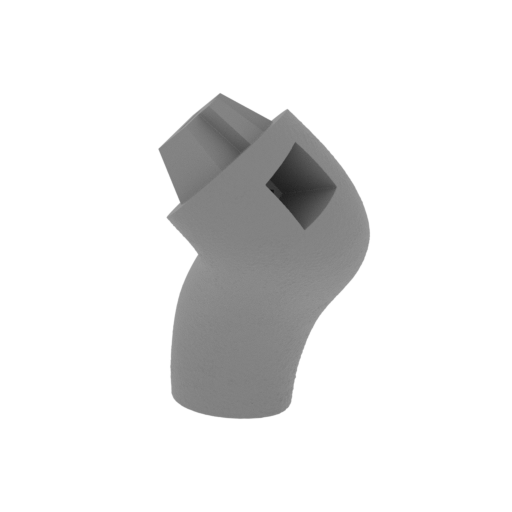 | 12_Genie_tail_3_FDM(repaired).stl 59 x 70 x 98 mm | 2.32 x 2.76 x 3.86 in | Size: 59 x 70 x 98 mm | 2.32 x 2.76 x 3.86 in | File size: 42.04 mb | Printing Time / Filament: 10 h 14 min / 7 m | ||
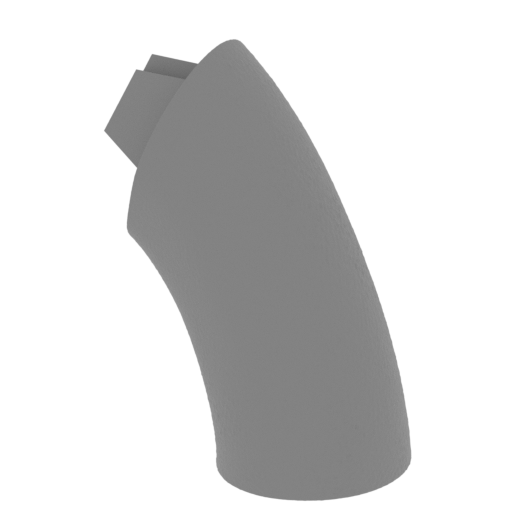 | 11_Genie_tail_2_FDM(repaired).stl 67 x 54 x 77 mm | 2.64 x 2.13 x 3.03 in | Size: 67 x 54 x 77 mm | 2.64 x 2.13 x 3.03 in | File size: 31.89 mb | Printing Time / Filament: 6 h 50 min / 4 m | ||
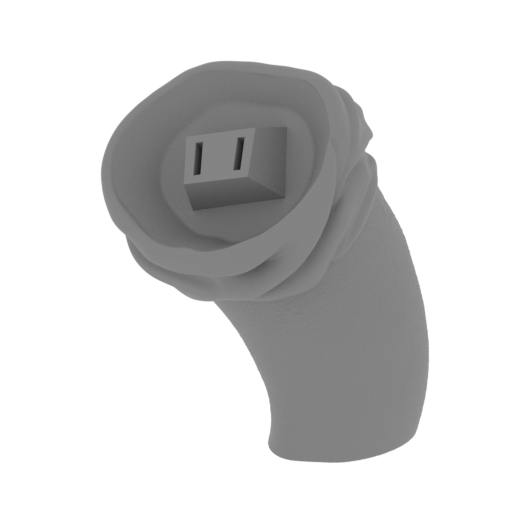 | 10_Genie_tail_1_FDM(repaired).stl 86 x 62 x 107 mm | 3.39 x 2.44 x 4.21 in | Size: 86 x 62 x 107 mm | 3.39 x 2.44 x 4.21 in | File size: 31.91 mb | Printing Time / Filament: 18 h 57 min / 13 m | ||
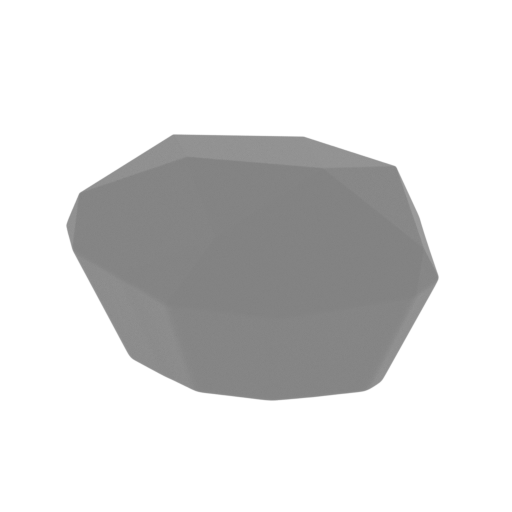 | 9_Genie_hand_L_gem_FDM(repaired).stl 16 x 12 x 10 mm | 0.63 x 0.47 x 0.39 in | Size: 16 x 12 x 10 mm | 0.63 x 0.47 x 0.39 in | File size: 4.64 mb | Printing Time / Filament: 9 min / <1 m | ||
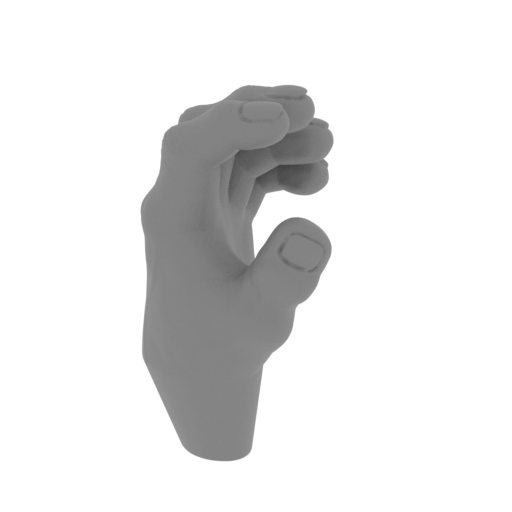 | 8_Genie_hand_L_FDM(repaired).stl 47 x 52 x 82 mm | 1.85 x 2.05 x 3.23 in | Size: 47 x 52 x 82 mm | 1.85 x 2.05 x 3.23 in | File size: 28.93 mb | Printing Time / Filament: 6 h 11 min / 4 m | ||
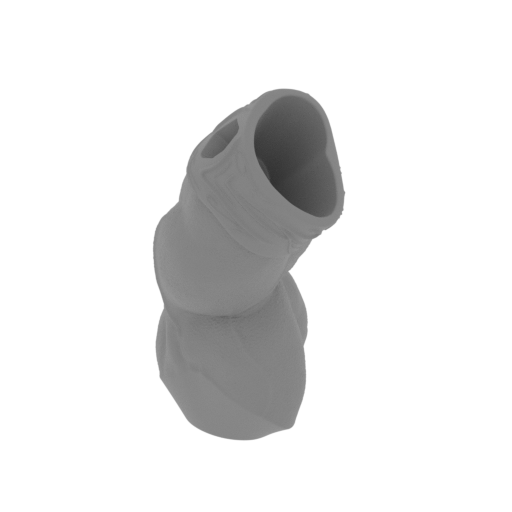 | 7_Genie_arm_L_FDM(repaired).stl 65 x 74 x 108 mm | 2.56 x 2.91 x 4.25 in | Size: 65 x 74 x 108 mm | 2.56 x 2.91 x 4.25 in | File size: 45.92 mb | Printing Time / Filament: 13 h 55 min / 9 m | ||
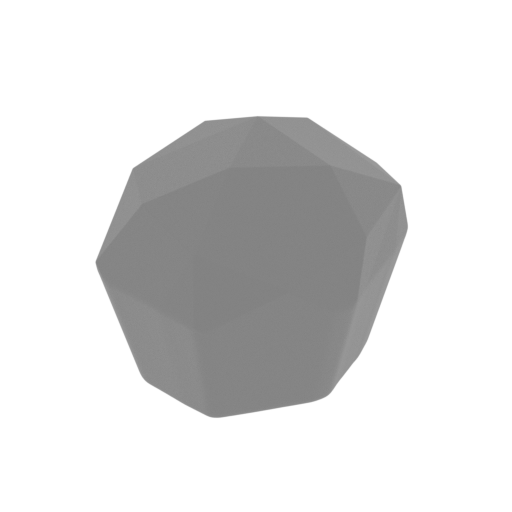 | 6_Genie_hand_R_gem_FDM(repaired).stl 12 x 18 x 11 mm | 0.47 x 0.71 x 0.43 in | Size: 12 x 18 x 11 mm | 0.47 x 0.71 x 0.43 in | File size: 5.20 mb | Printing Time / Filament: 12 min / <1 m | ||
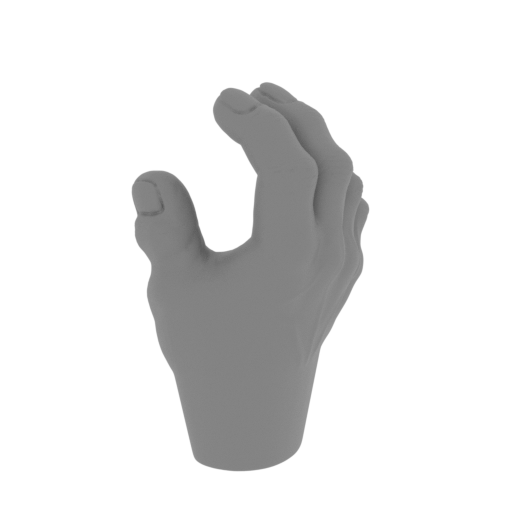 | 5_Genie_hand_R_FDM(repaired).stl 46.47 x 50.93 x 85.18 mm | 1.83 x 2.01 x 3.35 in | Size: 46.47 x 50.93 x 85.18 mm | 1.83 x 2.01 x 3.35 in | File size: 29.27 mb | Printing Time / Filament: 5 h 27 min / 3 m | ||
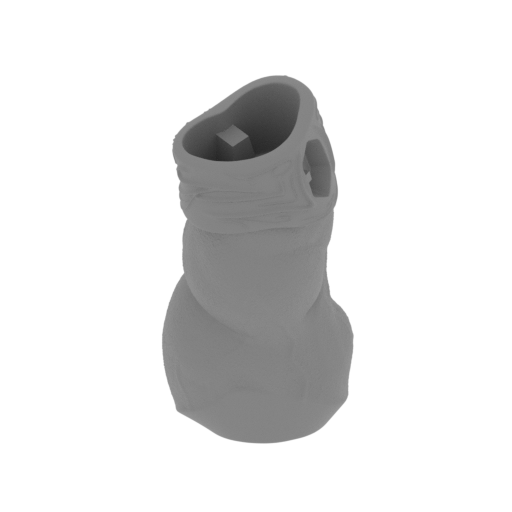 | 4_Genie_arm_R_FDM(repaired).stl 51 x 72 x 103 mm | 2.01 x 2.83 x 4.06 in | Size: 51 x 72 x 103 mm | 2.01 x 2.83 x 4.06 in | File size: 41.56 mb | Printing Time / Filament: 12 h 6 min / 7 m | ||
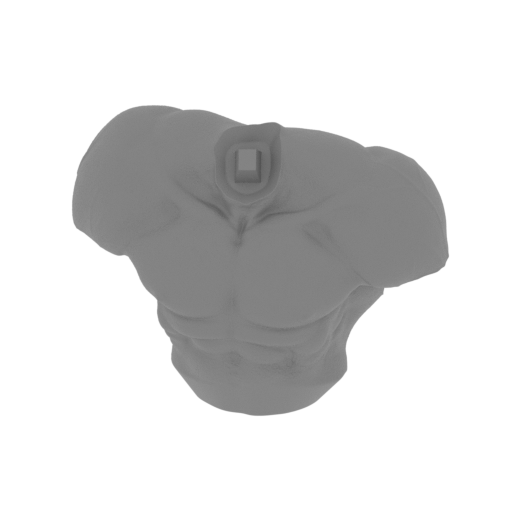 | 3_Genie_body_FDM(repaired).stl 149.1 x 81.63 x 110.6 mm | 5.87 x 3.21 x 4.35 in | Size: 149.1 x 81.63 x 110.6 mm | 5.87 x 3.21 x 4.35 in | File size: 57.81 mb | Printing Time / Filament: 43 h 55 min / 29 m | ||
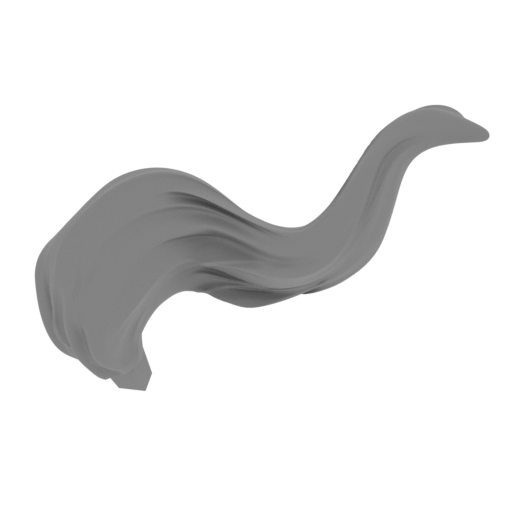 | 2_Genie_hair_FDM(repaired).stl 35 x 28 x 23 mm | 1.38 x 1.1 x 0.91 in | Size: 35 x 28 x 23 mm | 1.38 x 1.1 x 0.91 in | File size: 10.58 mb | Printing Time / Filament: 44 min / <1 m | ||
3D model history
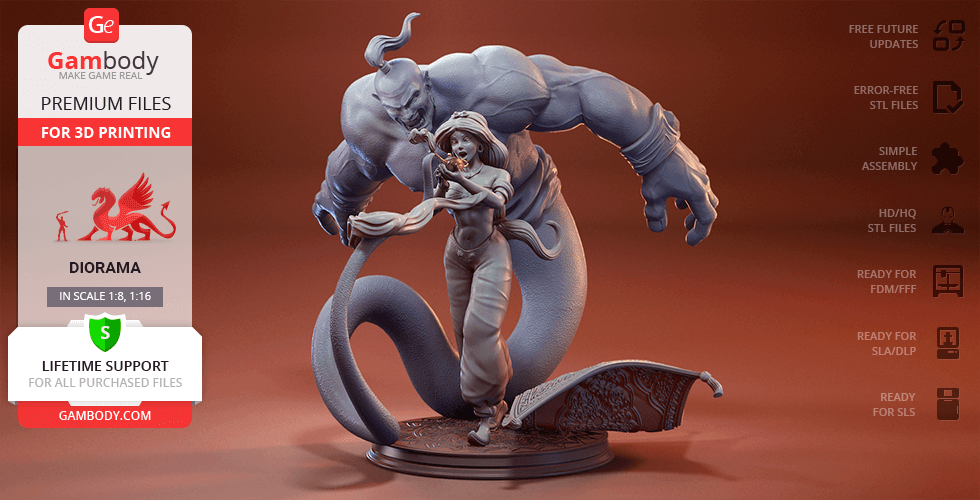
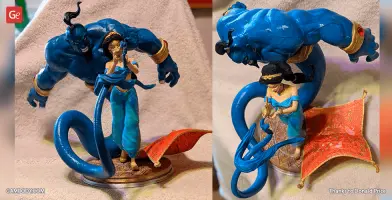
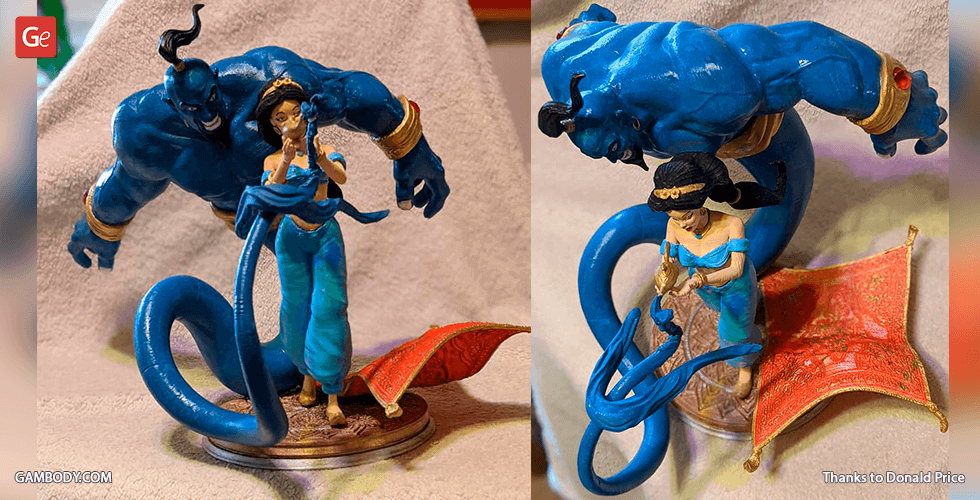
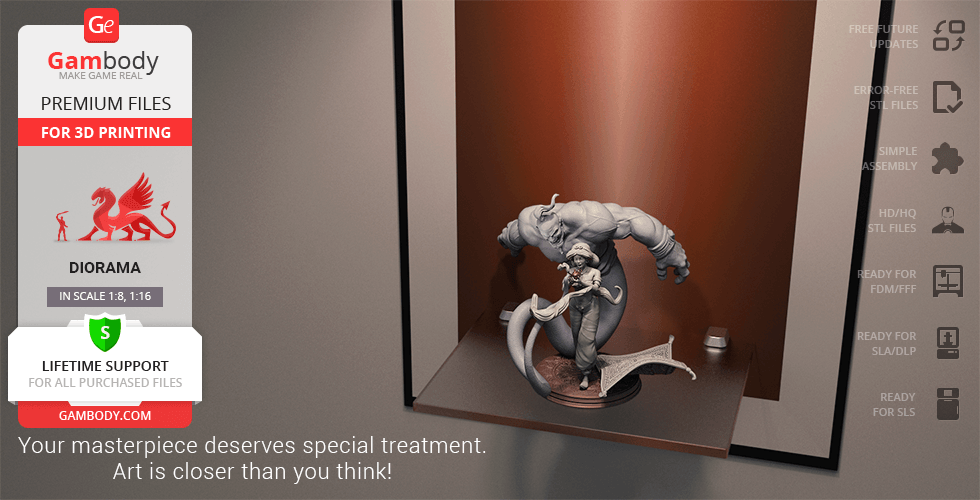
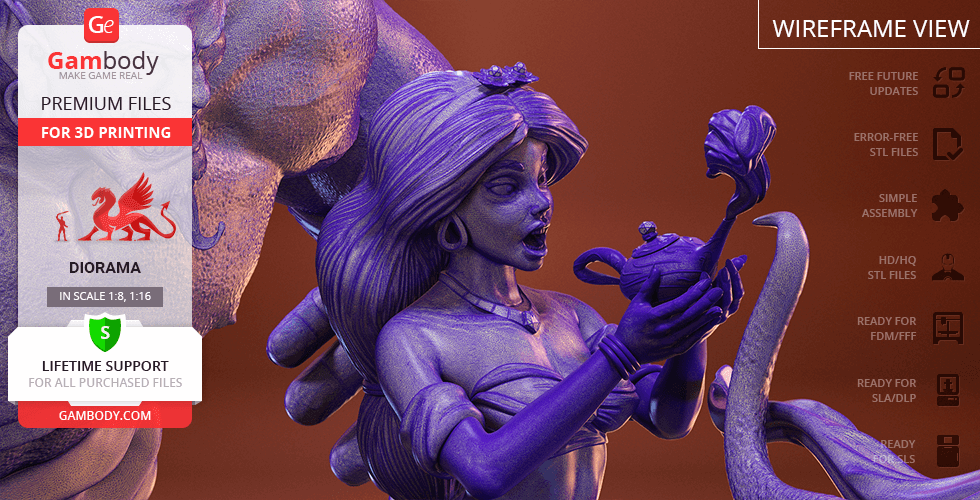
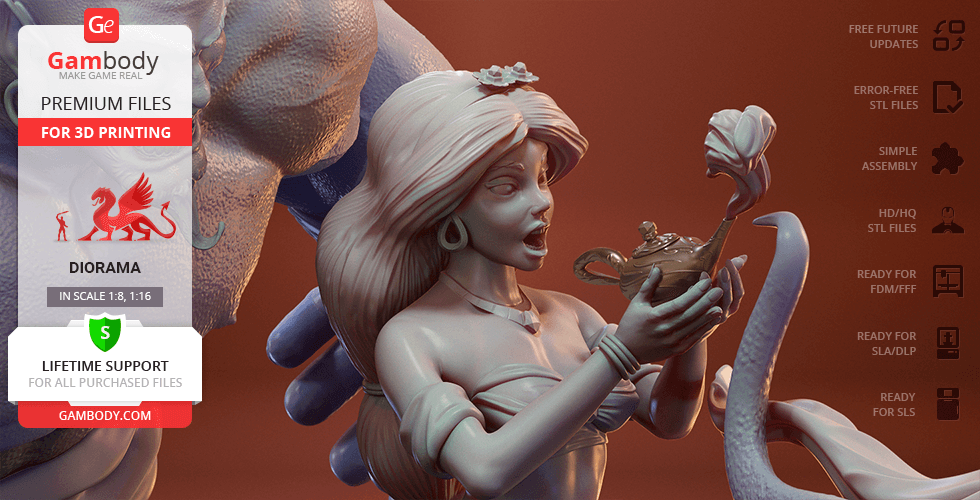
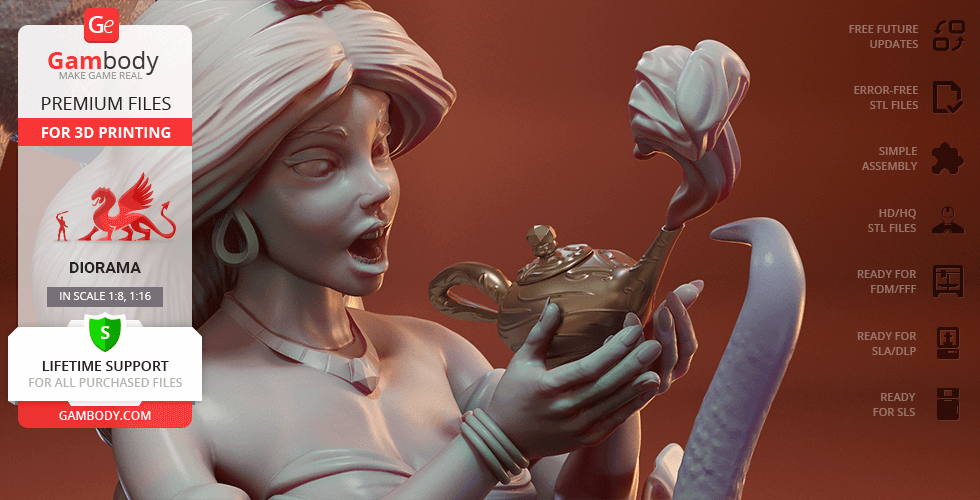
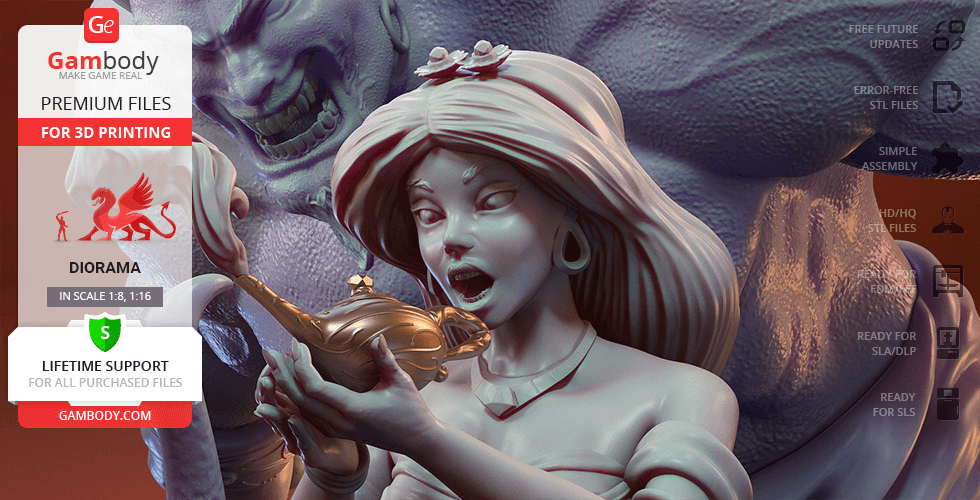
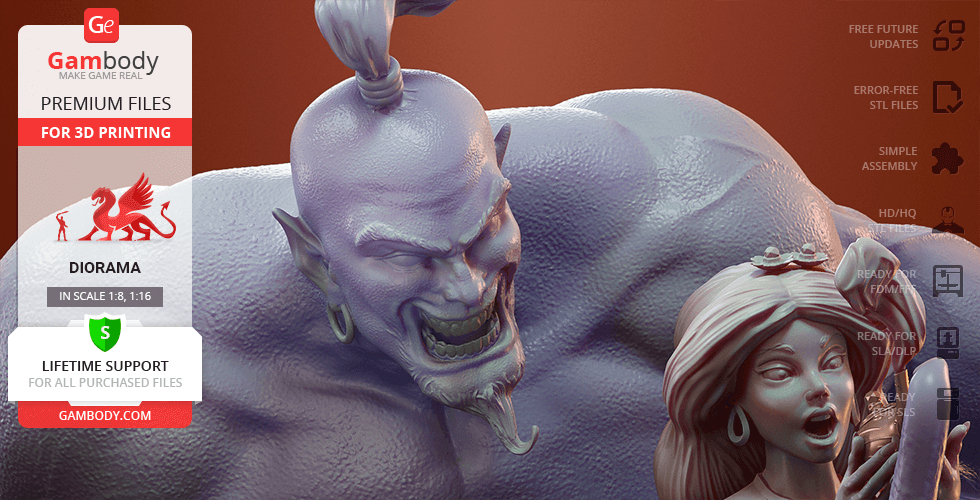
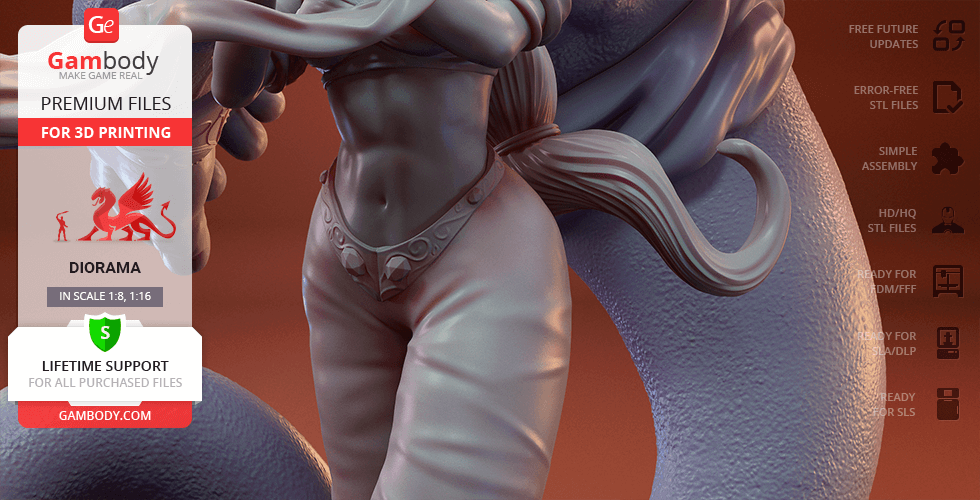
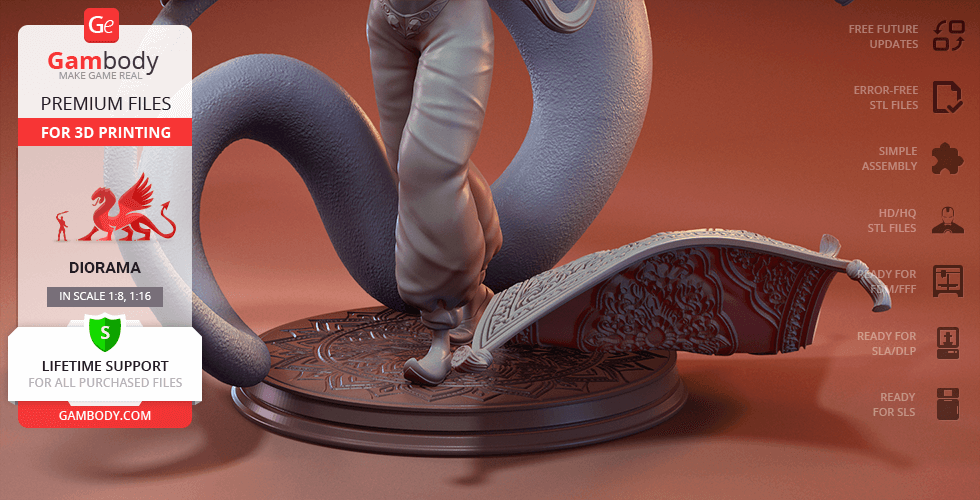
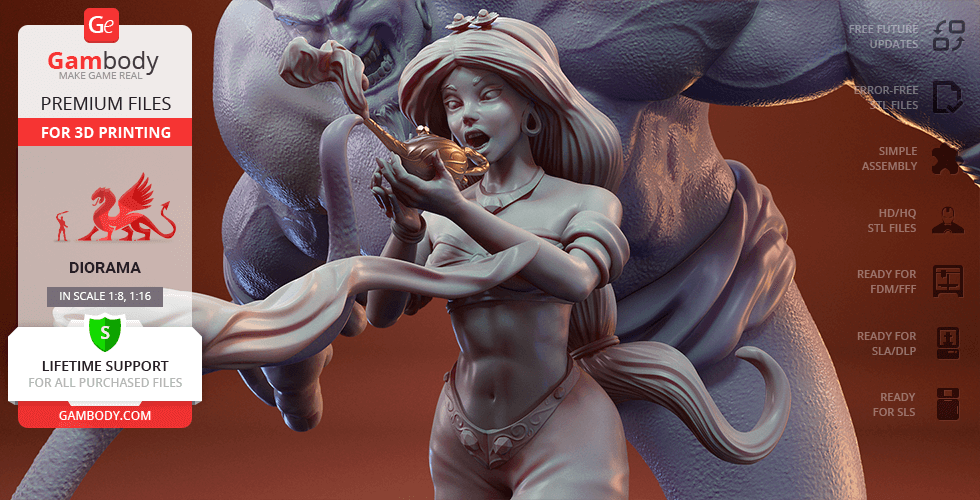
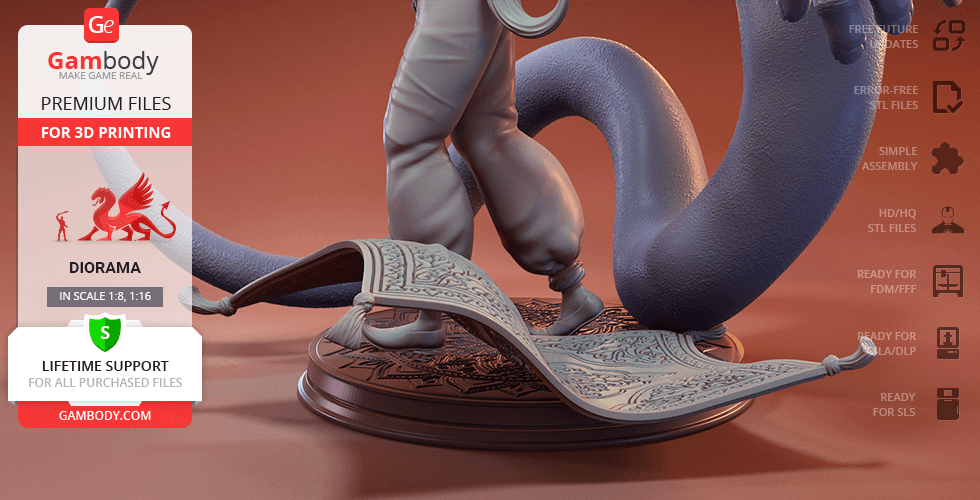
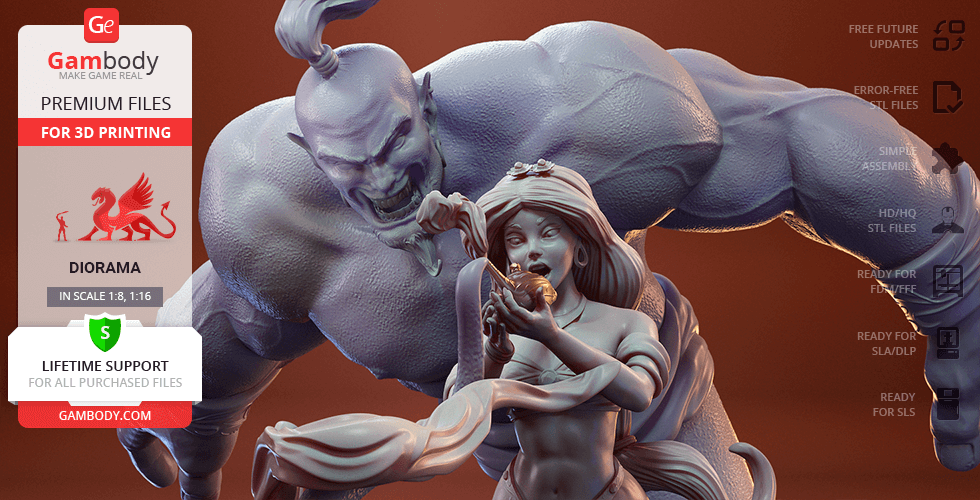
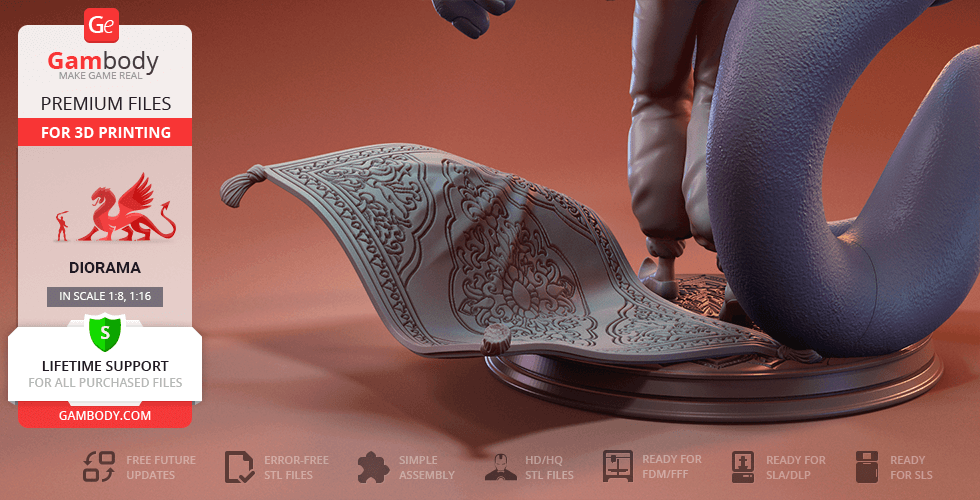
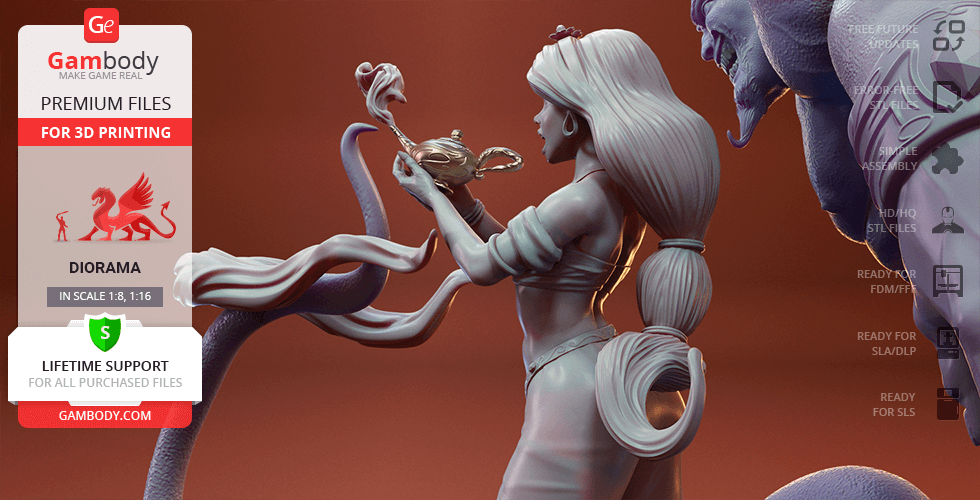
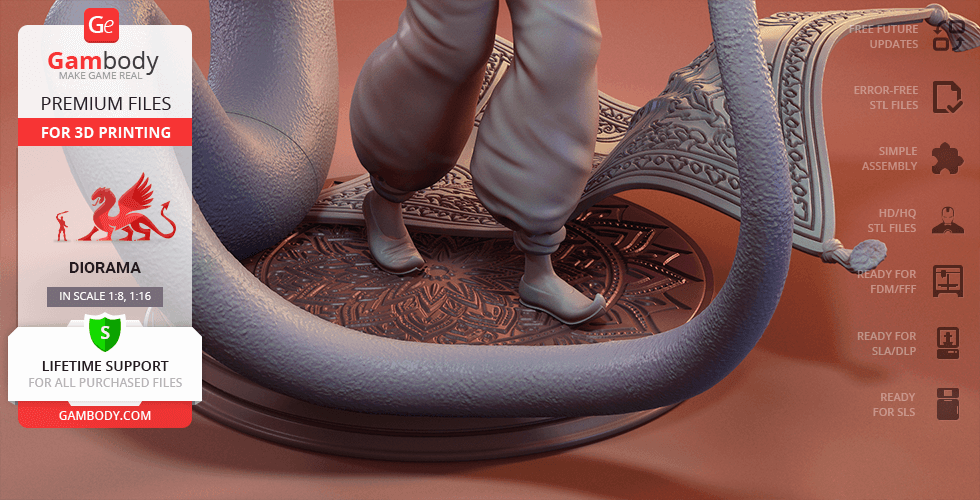
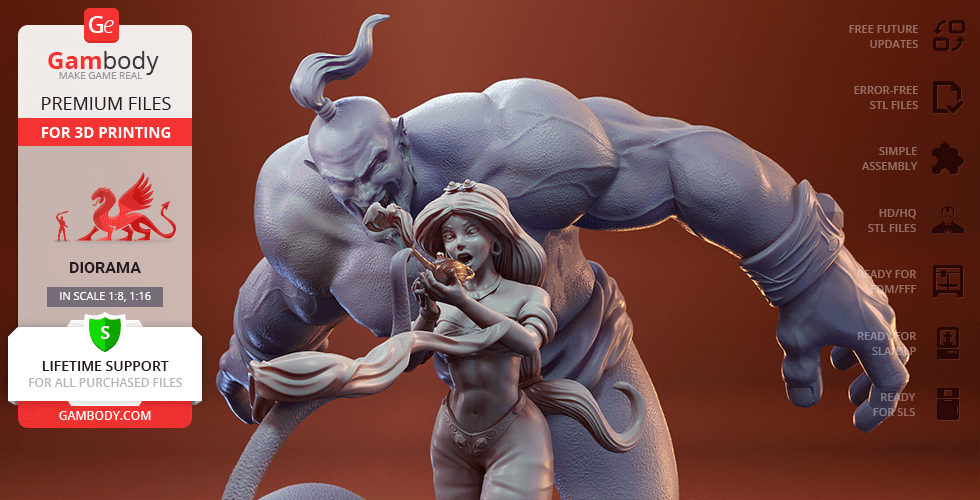
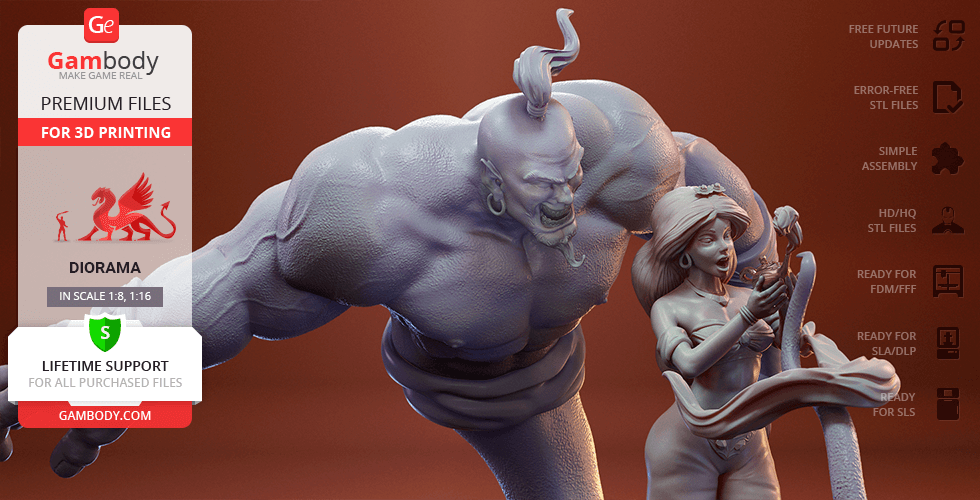
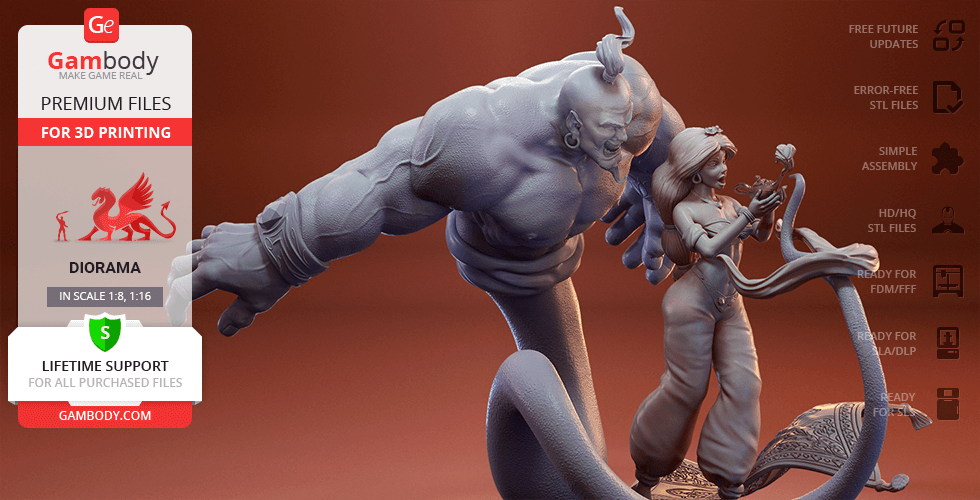
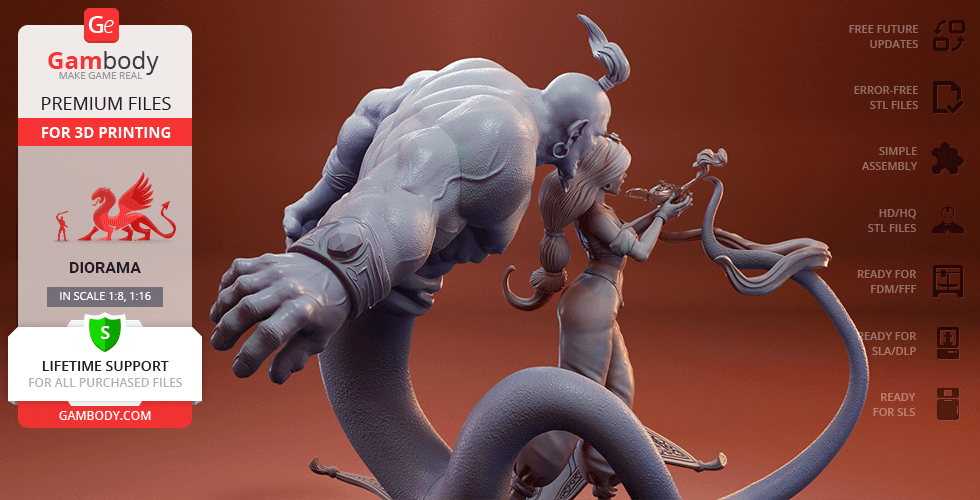
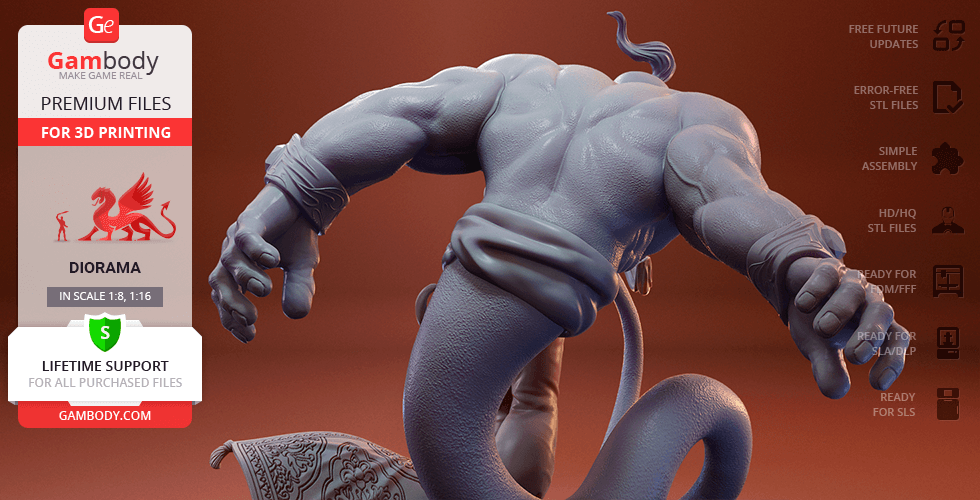
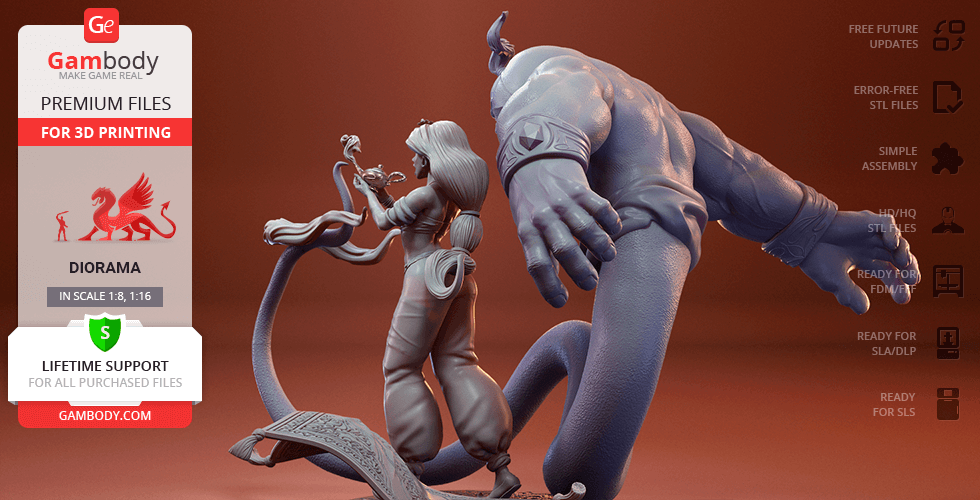
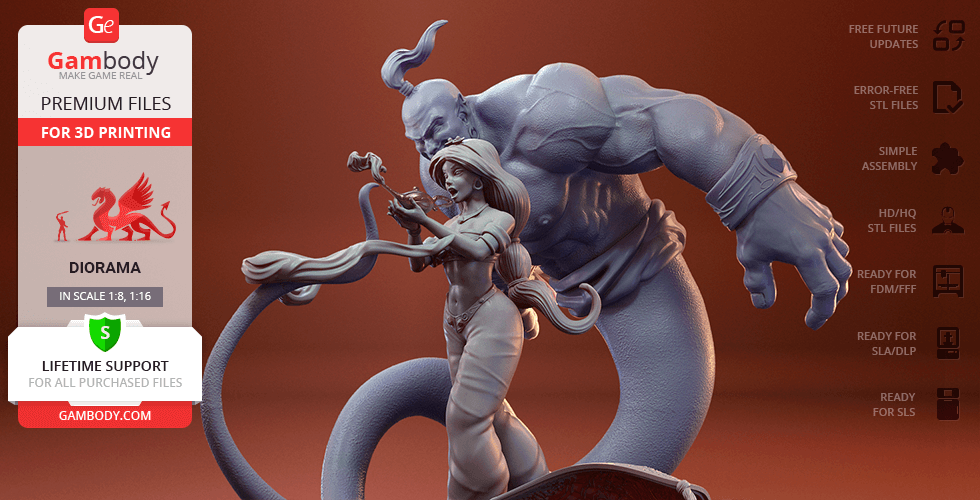
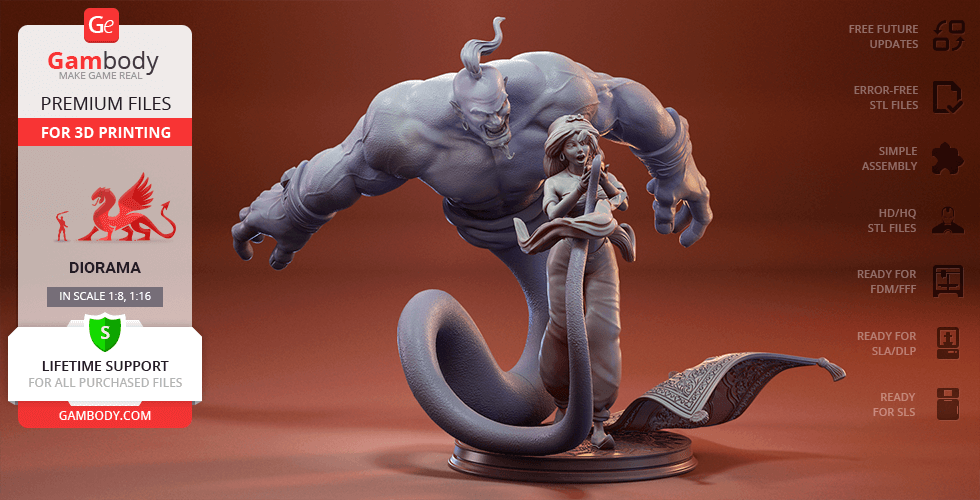
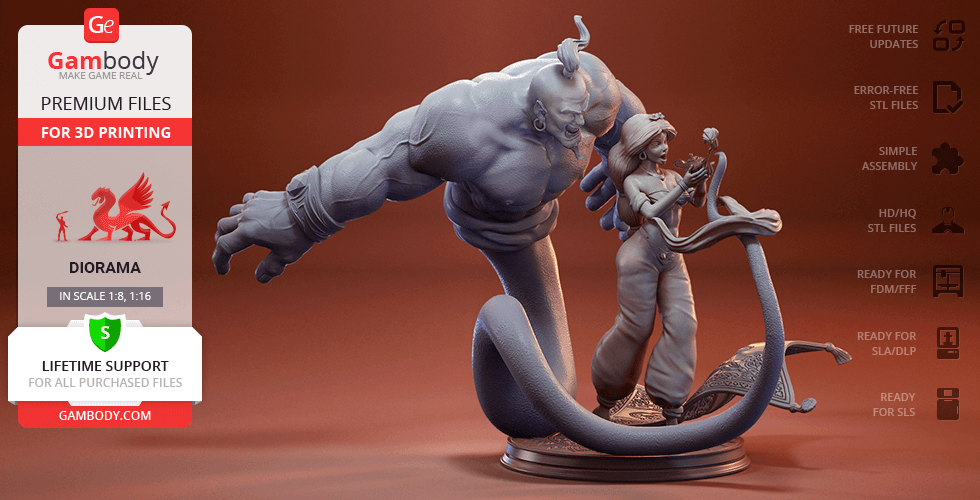
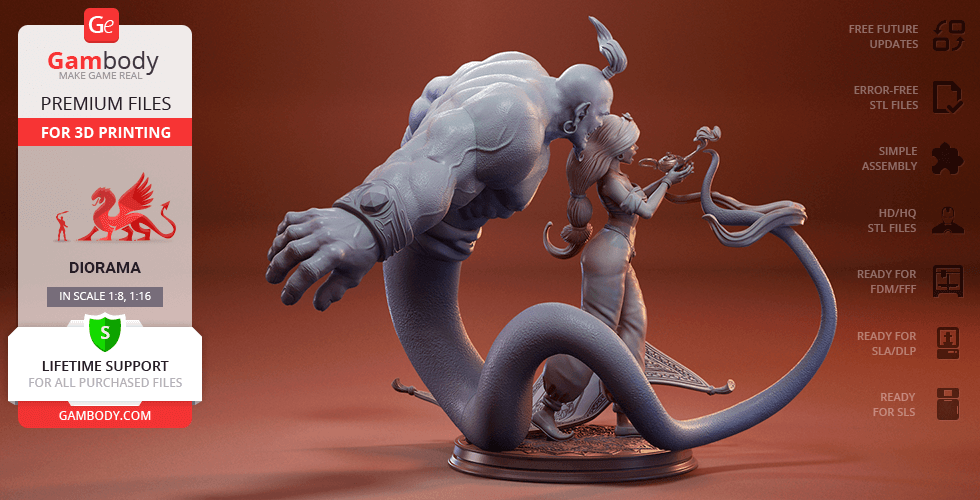
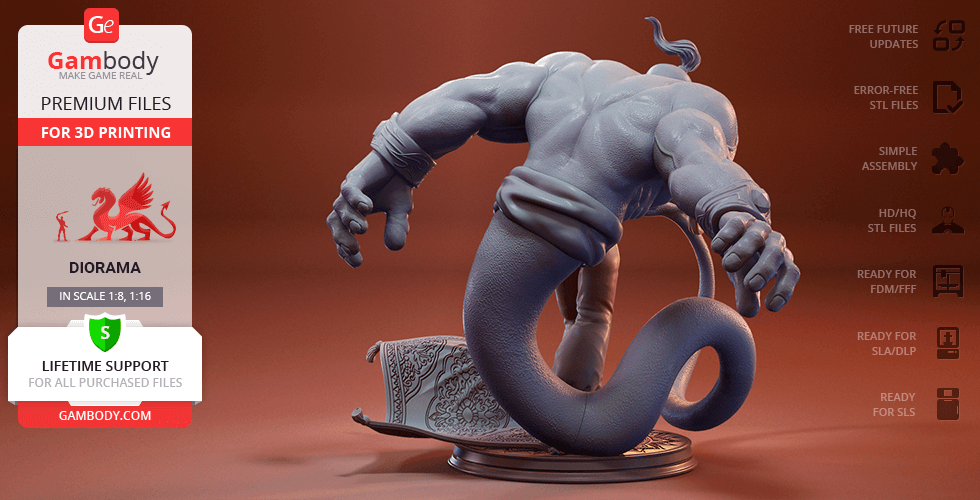
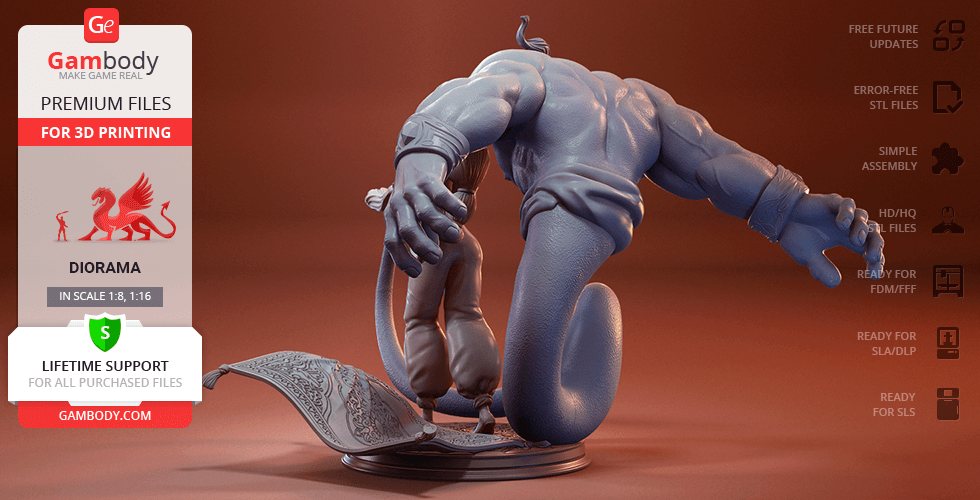
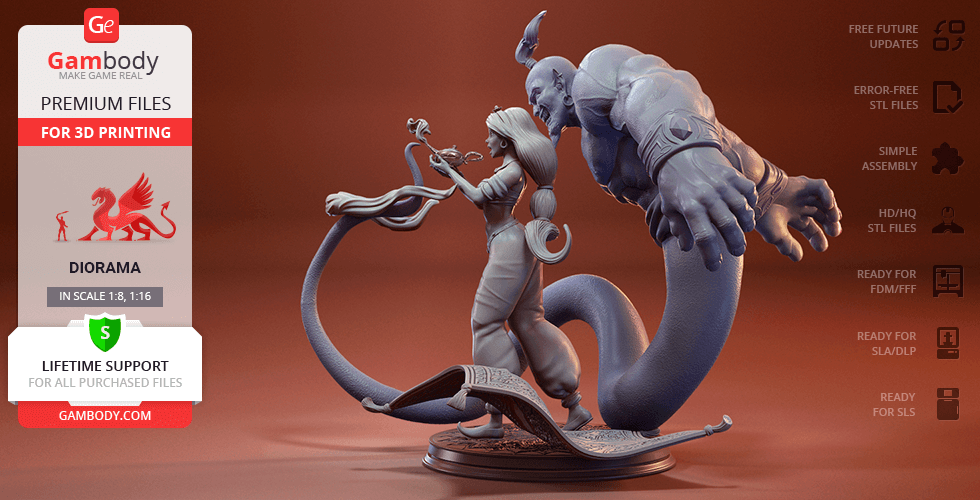
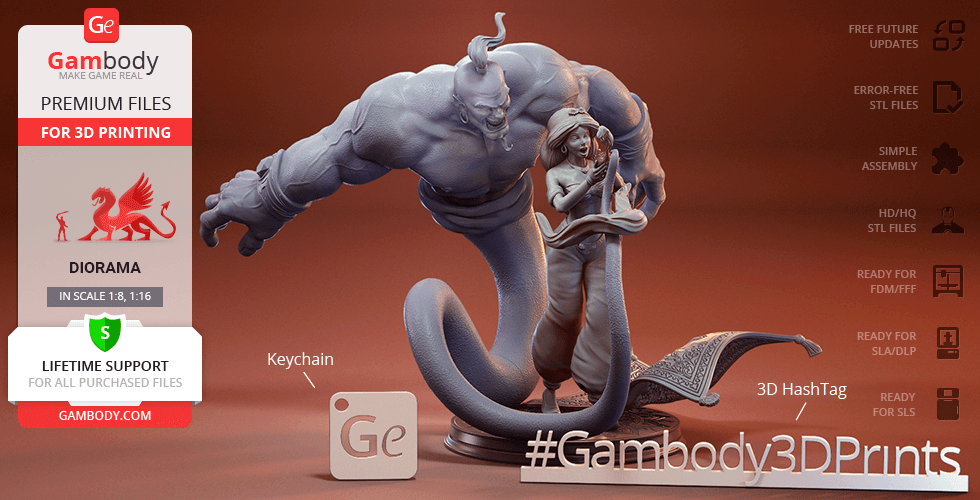
The 1992 Aladdin animated film made audiences of all ages fall in love with the adventures of a common thief, Sultan’s rebellious daughter and larger-than-life Genie. Loosely based on the character featured in the One Thousand and One Nights folk tale, Jasmine aspires to independence and dreams of seeing what's beyond her palace. Eccentric Genie, in his turn, possesses phenomenal cosmic power and longs to be freed from the magic lamp residence. The author of the Jasmine & Genie diorama got inspired by the Disney's well-loved classics. The 3D artists decided to capture the deuteragonists of the Aladdin franchise in 3D printing form and spent circa 180 hours sculpting the scene. The diorama depicts the beautiful Princess Jasmine holding the magic lamp whose prisoner seems to have been freed from the itty bitty living space mere moments ago. The rebellious princess of Agrabah looks astounded - the young lady clearly did not expect the wish-granting Genie to escape the simple oil lamp! The 3D printing Jasmine has her straight, lush hair pulled in a ponytail in two sections and wears the 1992 cartoon-inspired crop top, puffy pants and curled shoes. The usually kind-hearted Genie must have been in his mischievous mood while posing for the 3D printing diorama since the posture and the look on the model's face seem to aim at scaring the Princess. The flamboyant spirit for 3D printing spots the curly beard, high ponytail, wide waistband, and has his right ear pierced with an earring. Both 3D printing heroes are mounted on a simple round base that has an exquisite mandala pattern embossed on it. The whole dynamic scene is completed with a fine magic carpet, adorned with intricate patterns from both sides. We wonder what Jasmine’s first wish is going to be?
3D printing model features
Model-specific features:
- To conceal the places where the assembly parts of the model must be connected, the models were cut along the contour of both characters' clothes seams and they were properly separated from the platform;
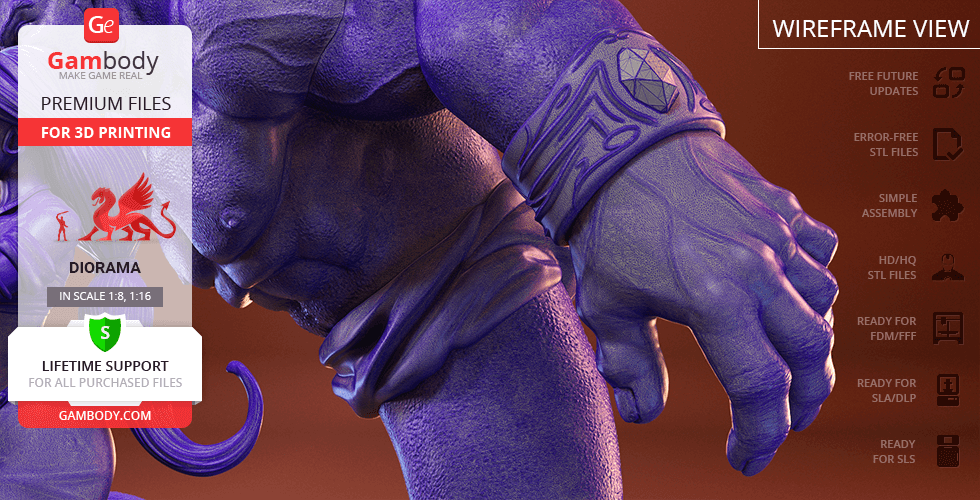
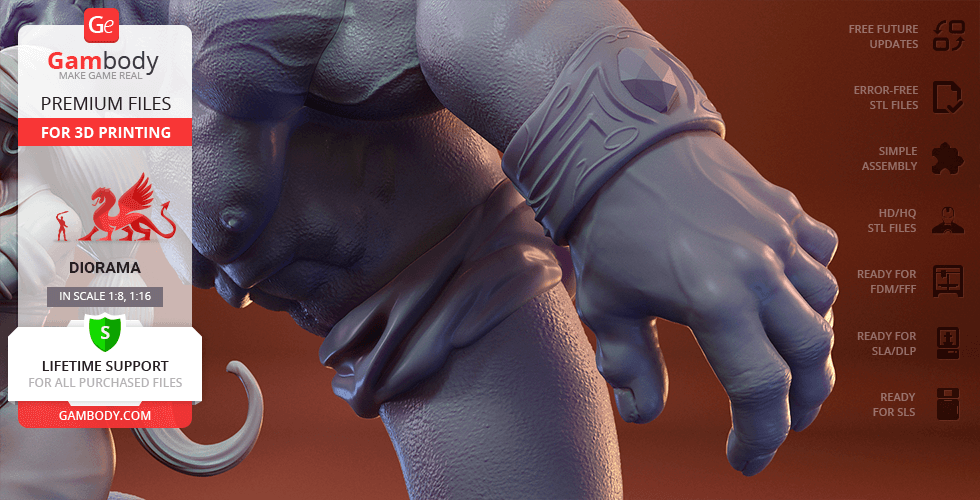
- To ensure an excellent quality of the 3D printed result, such smaller parts as magic lamp, magic carpet, both models' hair, hands, jewels on Genie’s wrists, Jasmine's bracelets, lamp smokes, etc. are provided as separate assembly elements.
Printing & assembly details:
- Provided as error-free STL files compatible with most 3D printers;
- Optimized part division minimizes support material and ensures smooth surface detail;
- The assembly parts in the FFF/FDM version come in the recommended print orientations for easy bed placement;
- Assembly manual in PDF and video formats is included for both FFF/FDM and DLP/SLA versions;
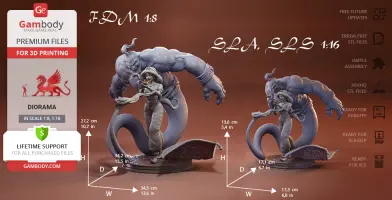
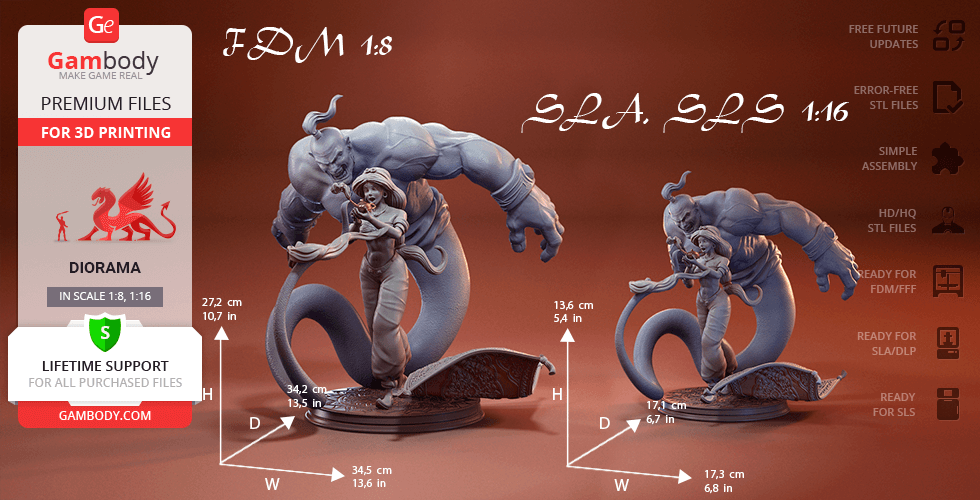
- The model is available in recommended scales of 1:8 for the FFF/FDM version and 1:16 for the DLP/SLA/SLS versions, based on approximate height of Jasmine (1700 mm).
What will you get after purchase?
- 4 versions of Jasmine & Genie STL files for FFF/FDM, DLP/SLA, DLP/SLA Eco, and SLS — files for all versions are available for download after the purchase;
- STL files of high-poly Jasmine & Genie diorama model for 3D printing consist of 70 files;
- Sizes for:
- FFF/FDM: 345 mm wide, 272 mm high, 342 mm deep;
- DLP/SLA/SLS: 173 mm wide, 136 mm high, 171 mm deep;
- Assembly Manual for FFF/FDM 1.0 and DLP/SLA 1.0 versions in PDF and video formats;
- Detailed settings that we provide as a recommendation for Bambu Studio, Cura, Orca Slicer, PrusaSlicer, Simplify3D, and Slic3r for the best print;
- Full technical support from the Gambody Support Team.
Average customer rating (5 reviews)
4.6
Ratings breakdown
Click a star rating to filter reviews
Overall experience
Level of detail in the model
4.6
Model cut quality and assembly guide
4.6
Clarity and accuracy of the model page
4.6


 This feedback is from a user who hasn't purchased this model
 Level of detail in the model
3
Model cut quality and assembly guide
3
Clarity and accuracy of the model page
3
 This feedback is from a user who hasn't purchased this model
 Level of detail in the model
5
Model cut quality and assembly guide
5
Clarity and accuracy of the model page
5
This feedback is from a user who hasn't purchased this model Level of detail in the model
5
Model cut quality and assembly guide
5
Clarity and accuracy of the model page
5


 Community Support Team
 Level of detail in the model
5
Model cut quality and assembly guide
5
Clarity and accuracy of the model page
5
This feedback is from a user who hasn't purchased this model Level of detail in the model
5
Model cut quality and assembly guide
5
Clarity and accuracy of the model page
5
Below you'll find detailed slicing settings for Bambu Studio 2.0+, Orca Slicer 2.0+, UltiMaker Cura 5.0+, PrusaSlicer 2.0+, Slic3r 1.3+, Simplify3D 5.0+ to help you get the best results when printing this model. These settings are optimized specifically for this 3D model, but please note they may need slight adjustments depending on your printer or filament. When in doubt, refer to your printer's user manual.
To avoid printing issues and achieve the best quality, we highly recommend applying the following settings:
 Bambu Studio 2.0+
 For better quality use 0.12 mm layer height, for fast printing use 0.2 mm layer height. For pins and the Ge connectors, use 0.2 layer height.
120-150% of your Layer Height
But you can paint the seam if you want.
You have to calibrate this parameter
You have to calibrate this parameter
You have to calibrate this parameter
For pins and power elements of the structure, such as the vehicle frame, use 3 loop
Disabled for vehicles and enabled for characters
For 0,2 Layer Height
The parameters in this tab vary greatly, it all depends on the quality of your printer. For example, if you have a classic Ender3, stick to the minimum parameters, but if you have a newer printer, for example Anycubic cobra 3 v2, you can select the maximum recommended values
Settings for advanced users, change these parameters only if you have sufficient 3D printing expertise
Enable this parameter if your model requires supports
We also recommend placing and removing supports manually in some places using special button
1-2 loops for more thick support
Top Z distance = 1-1.3 layer Height. If the supports are hard to remove, try increasing this setting by 0.1-0,4 mm
Bottom Z distance = 1-1.3 layer Height. If the supports are hard to remove, try increasing this setting by 0.1-0,4 mm
You have to calibrate this parameter which one is better for your filament
Increase this parameter if the supports are hard to remove from walls
For PLA and PETG filament types
5-8 mm is optional for small prints that have bad adhesion to the build plate
You have to calibrate this parameter
Read the description on your filament roll
Read the description on your filament roll and increase this parameter for fast printers
Read the description on your filament roll and increase this parameter for fast printers
 Orca Slicer 2.0+
 For better quality use 0.12 mm layer height, for fast printing use 0.2 mm layer height. For pins and the Ge connectors, use 0.2 layer height.
120-150% of your Layer Height
But you can paint the seam if you want.
0.01-0.05 You have to calibrate this parameter
0.01-0.05 You have to calibrate this parameter
0.1-0.2 You have to calibrate this parameter
For pins and power elements of the structure, such as the vehicle frame, use 3 loop
Disabled for vehicles and ships, enabled for characters
For 0,2 Layer Height
For 0,2 Layer Height
The parameters in this tab vary greatly, it all depends on the quality of your printer. For example, if you have a classic Ender3, stick to the minimum parameters, but if you have a newer printer, for example, Anycubic Kobra 3 Or Bambulab A1, you can select the maximum recommended values.
Settings for advanced users, change these parameters only if you have sufficient 3D printing expertise
Enable this parameter if your model requires supports
We also recommend placing and removing supports manually in some places using special button
Top Z distance = 1-1.3 layer Height. If the supports are hard to remove, try increasing this setting by 0.1-0,4 mm
Bottom Z distance = 1-1.3 layer Height. If the supports are hard to remove, try increasing this setting by 0.1-0,4 mm
Increase this parameter if the supports are hard to remove from walls
For PLA and PETG filament types
5-8 mm is optional for small prints that have bad adhesion to the build plate
Read the description on your filament roll
Read the description on your filament roll and increase this parameter for fast printers
You have to calibrate this parameter
Read the description on your filament roll and increase this parameter for fast printers
Read the description on your filament roll
This field is filled in according to your printer specifications when you add it to the slicer.
You can add custom G-code here for the start and end of the print. However, be careful - this is for advanced users only!
You have to calibrate your printer using Ge retraction test models
Retraction Length: For direct-drive setups use 0.5 mm to 2.5 mm; for Bowden extruders use 5 to 7 mm
This is how fast the filament is pulled back—40-60 mm/s for direct drive and 30-50 mm/s for Bowden setups.
You have to calibrate this parameter: Reduce it until the printer starts to hit the parts with the nozzle during printing, then increase it by 0.2.
 UltiMaker Cura 5.0+
 For better quality use 0.12 mm layer height, for fast printing use 0.2 mm layer height. For pins and the Ge connectors, use 0.2 layer height.
120-150% of your Layer Height
To increase the strength of the print parts, use wall line count: 3
For pins and connectors use 50% Infill
These parameters are for standard PLA plastic. If you are using a different type of plastic, check the printing temperature recommended by the manufacturer. Also, read the description on your filament spool. For fast printers, add +30 °C to the current parameters.
The parameters in this tab vary greatly, it all depends on the quality of your printer. For example, if you have a classic Ender3, stick to the minimum parameters, but if you have a newer printer, for example Anycubic cobra 3 v3, you can select the maximum recommended values
Settings for advanced users, change these parameters only if you have sufficient 3D printing expertise.
You need to calibrate this parameter using Gambody test models. These values are average values for a Direct Drive extruder; for a Bowden extruder, the values should be increased.
You need to calibrate this parameter using Gambody test models. These values are average values for a Direct Drive extruder; for a Bowden extruder, the values should be increased.
Use this value other than 0 if your nozzle catches on the internal infill during travel moves. Try to keep this value as low as possible in height.
Use normal supports to support large, straight surfaces (most mechanical or technical parts).
You have to calibrate this parameter according to the capabilities of your printer and your filament, using a Gambody test models.
Use 1 instead of 0 if your supports are thin and tall. They will be harder to remove, but much stronger.
Top Z distance = 1-1.3 layer Height. If the supports are hard to remove, try increasing this setting by 0.1-0,4 mm
Increase this parameter if the supports are hard to remove from walls
Use tree supports to support complex objects, such as characters.
You have to calibrate this parameter according to the capabilities of your printer and your filament, using a Gambody test models.
Top Z distance = 1-1.3 layer Height. If the supports are hard to remove, try increasing this setting by 0.1-0,4 mm
Increase this parameter if the supports are hard to remove from walls
Use a skirt for all parts when printing on outdated printers.
Use a brim when printing thin but tall parts, as well as parts with a small bed adhesion area.
 PrusaSlicer 2.0+
 For better quality use 0.12 mm layer height, for fast printing use 0.2 mm layer height. For pins and the Ge connectors, use 0.2 layer height.
120-150% of your Layer Height
for 0.2 Layer Height
But you can paint the seam if you want.
(for PLA and PETG)
(5-8 mm is optional for small prints that have bad adhesion to the build plate)
Enable this parameter if your model requires supports
(45-50 degree)You have to calibrate this parameter according to the capabilities of your printer
and your filament, using a Gambody test models.
Top contact Z distance = 1-1.3 layer Height. If the supports are hard to remove, try
increasing this setting by 0.1-0,4 mm
Top contact Z distance = 1-1.3 layer Height. If the supports are hard to remove, try
increasing this setting by 0.1-0,4 mm
Increase this parameter if the supports are hard to remove from walls
The parameters in this tab vary greatly, it all depends on the quality of your printer. For example, if you have a classic Ender3, stick to the minimum parameters, but if you have a newer printer, for example Anycubic cobra 3 v3, you can select the maximum recommended values
Settings for advanced users, change these parameters only if you have sufficient 3D printing expertise. Use the minimum value for outdated printers without acceleration calibration, and the maximum value for modern printers if you need it.
These settings only work for 3D printers with multiple extruders
You can try setting all parameters in this section, except the First layer, to values between 0.75% of your nozzle diameter and 1.25% of your nozzle diameter. Adjusting them will help you work out the optimal parameters for the best quality for your print. As for the First layer, you can set it to 150% of the diameter of your nozzle for better adhesion to the build plate (for a nozzle with a diameter of 0.4 mm, the First layer extrusion width can be from 0.3 mm to 0.5 mm)
For better printing quality you have to calibrate this parameter using Gambody test model.
Check your filament manufacturer's temperature recommendations on the spool.
Cooling parameters depends on the material you use for printing.
*for PLA
 Slic3r 1.3+
 For better quality use 0.12 mm layer height, for fast printing use 0.2 mm layer height. For pins and the Ge connectors, use 0.2 layer height.
120-150% of your Layer Height
For 0.12 Layer Height
For 0.12 Layer Height
For pins and connectors use 50% Infill
Use skirt for outdated 3d printers
(5-8 mm is optional for small prints that have bad adhesion to the build plate)
Enable this parameter if your model requires supports
(45-60 degree)You have to calibrate this parameter according to the capabilities of your printer and your filament, using a Gambody test models
Contact Z distance = 1-1.3 layer Height. If the supports are hard to remove, try increasing this setting by 0.1-0,4 mm
The parameters in this tab vary greatly, it all depends on the quality of your printer. For example, if you have a classic Ender3, stick to the minimum parameters, but if you have a newer printer, for example Anycubic cobra 3 v3, you can select the maximum recommended values
Settings for advanced users, change these parameters only if you have sufficient 3D printing expertise. Use the minimum value for outdated printers without acceleration calibration, and the maximum value for modern printers if you need it.
You have to calibrate this parameter from 0.9 to 1.1 according to the capabilities of your printer and your filament, using a Gambody test models.
Check your filament manufacturer's temperature recommendations on the spool.
Cooling parameters depends on the material you use for printing.
Calibrate this value if you need to reduce or improve the adhesion between the plastic and the heat bed
Your current nozzle diameter
You need to calibrate this parameter using Gambody test models. These values are average values for a Direct Drive extruder; for a Bowden extruder, the values should be increased.
 Simplify3D 5.0+
 Your current nozzle diameter
You have to calibrate this parameter using Gambody test models.
You need to calibrate this parameter using Gambody test models. These values are average values for a Direct Drive extruder; for a Bowden extruder, the values should be increased.
For better quality use 0.12 mm layer height, for fast printing use 0.2 mm layer height. For pins and the Ge connectors, use 0.2 layer height.
For 0,2 Layer Height
For 0,2 Layer Height
To increase the strength of the print parts, use Outline Perimeters: 3
You can enable this parameter to print rounded or spherical models, as well as character models.
Use this option only if your parts are too tight. but better calibrate your printer extrusion
Use this option only if your parts are too tight. but better calibrate your printer extrusion
Use 2 and more if you want to create skirt instead brim
1-2 for skirt and 10-20 for brim
Use for wipe nozzle if you need
Use For ABS filament
For pins and connectors use 50% Infill
Top Z distance = 1-1.3 layer Height. If the supports are hard to remove, try increasing this setting by 0.1-0,4 mm
Calibrate your filament and detect optimal temperature for it
Average temperature for PLA filament
The parameters in this tab vary greatly, it all depends on the quality of your printer. For example, if you have a classic Ender3, stick to the minimum parameters, but if you have a newer printer, for example Anycubic cobra 3 v3, you can select the maximum recommended values
Settings for advanced users, change these parameters only if you have sufficient 3D printing expertise.
SLS
A one-piece Jasmine model and a solid Genie with the platform separated. The assembly parts are connected using specially designed integrated connectors that fit securely into the corresponding slots. Optionally, for added strength and rigidity, the static connections can be glued together;
DLP/SLA
Some parts are hollowed out to save resin. The assembly parts are connected using specially designed integrated connectors that fit securely into the corresponding slots. Optionally, for added strength and rigidity, the static connections can be glued together;
DLP/SLA
The assembly parts are connected using specially designed integrated connectors that fit securely into the corresponding slots. Optionally, for added strength and rigidity, the static connections can be glued together;
FFF/FDM
The assembly parts are connected using specially designed integrated connectors that fit securely into the corresponding slots. Some model parts use separate connectors (part "36_ge_lock_10H(x9)", requires 9 copies, and 37_ge_lock_7S(x1) needs to be printed once). Optionally, for added strength and rigidity, the static connections can be glued together;