Community (fb)

 es
es  ua
ua 



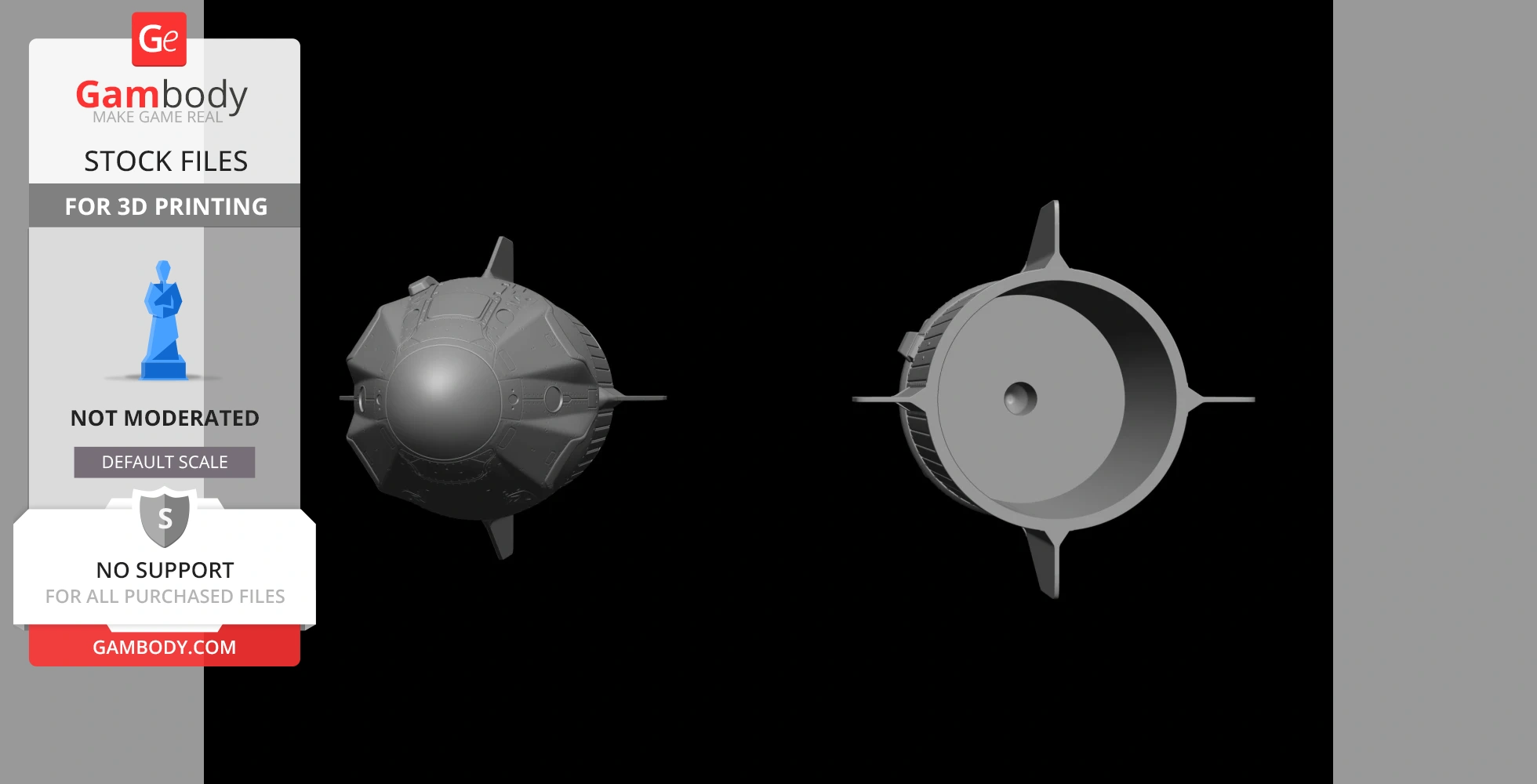
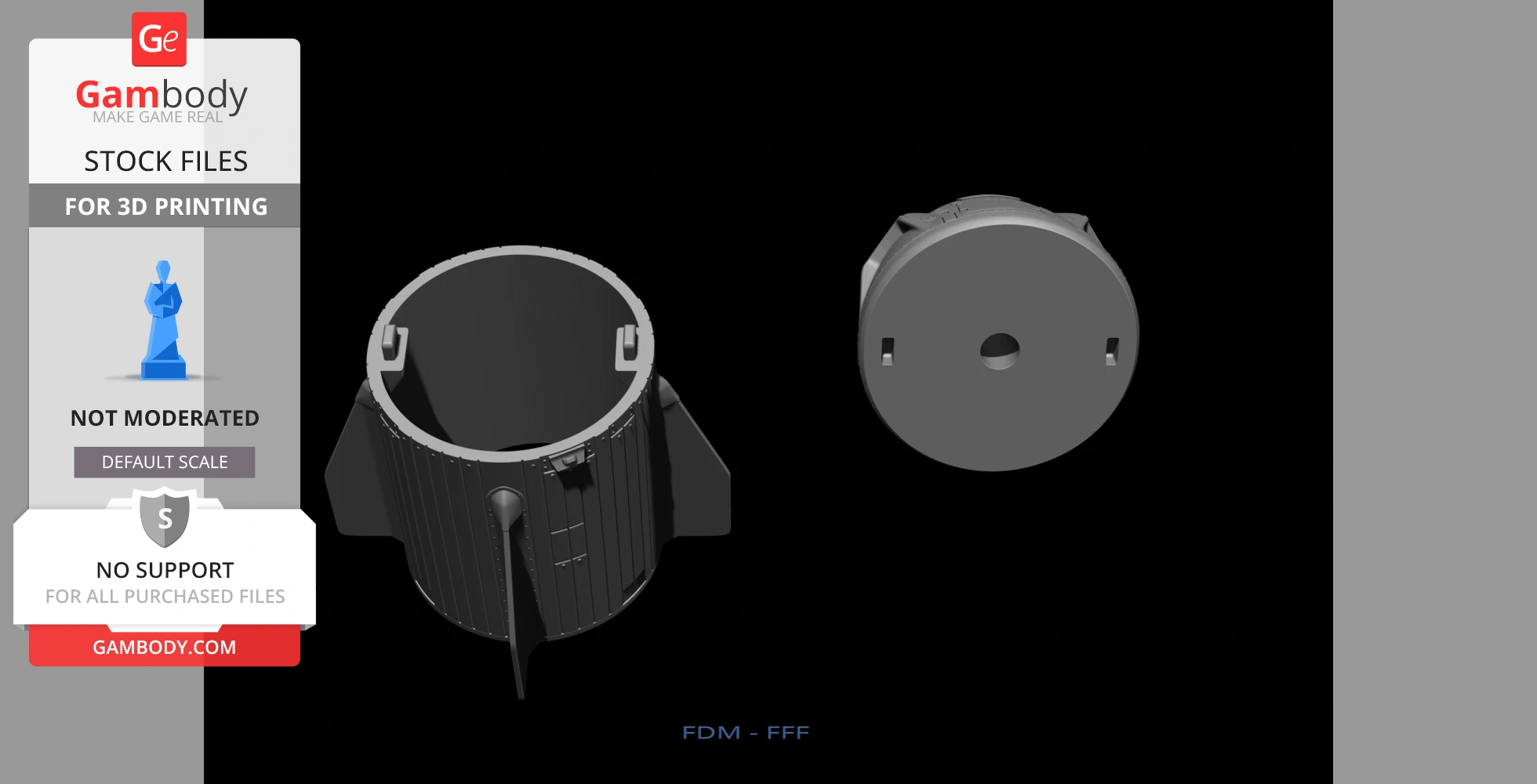
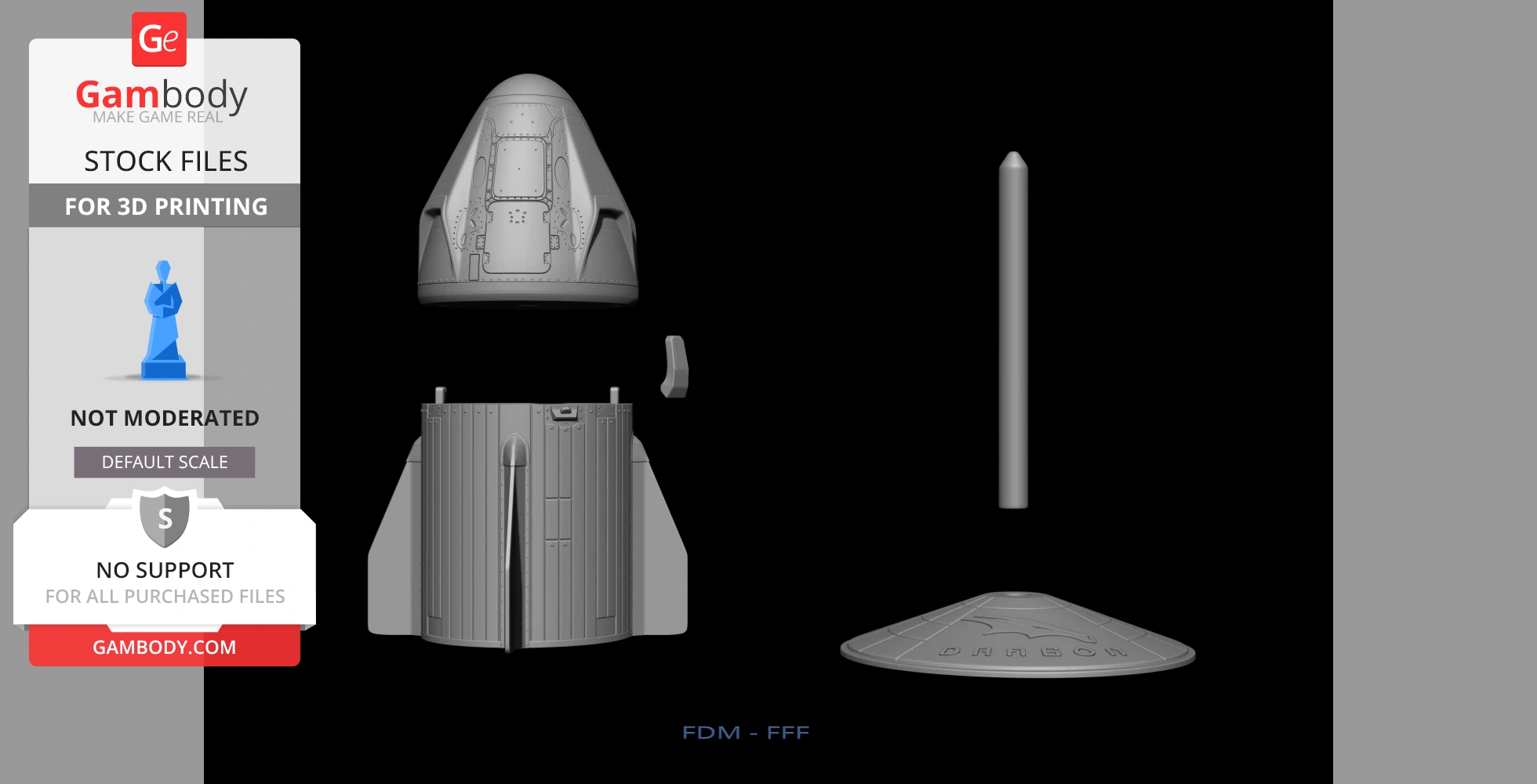
Files
3D model format
Stereolithography (.stl), Wavefront (.obj)
Total files

Slicer settings
not available
Mesh error check
not specified
Support
Provided by 3D Artist (optional)
Update requests
Subject to 3D Artist’s discretion
Model versions
FFF/FDM
Assembly method
not specified
Features
DLP/SLA
Assembly method
not specified
Features
FFF/FDM
Assembly method
not specified
Features
DLP/SLA
Assembly method
not specified
Features
Additional details
Part of diorama
No
Special pack included
No
You will get instant access to the STL files of SpaceX Crew Dragon Model after completing your purchase. Simply add the model to your cart and check out using PayPal, credit or debit card, Apple Pay, Google Pay, Alipay, or other available payment methods.
Watch the assembly video for SpaceX Crew Dragon Model, and explore more tutorials, behind-the-scenes content, 3D printing timelapses, and painting guides on the official Gambody YouTube channel.
STL files and the cutting of this model are preserved as created by the Author. This model was not moderated by Gambody, it is not subject to technical support by Gambody, and we do not offer any guarantees on the 3D printing results.
Stock models can only be purchased in an order separate from the Premium STL files by Gambody. If a Premium model is added to the Cart, the Stock models are deleted automatically, and vice versa.
You can read more about Stock models onGambody's Blog.
The Author of the Stock model can provide technical support if they wish. All your questions, requests, wishes and remarks can be left in the comment section below.
Gambody Team can consider providing a Premium version of the model if highly requested.
Before printing, take a look at Printing Details for recommended settings and tips to achieve better results.
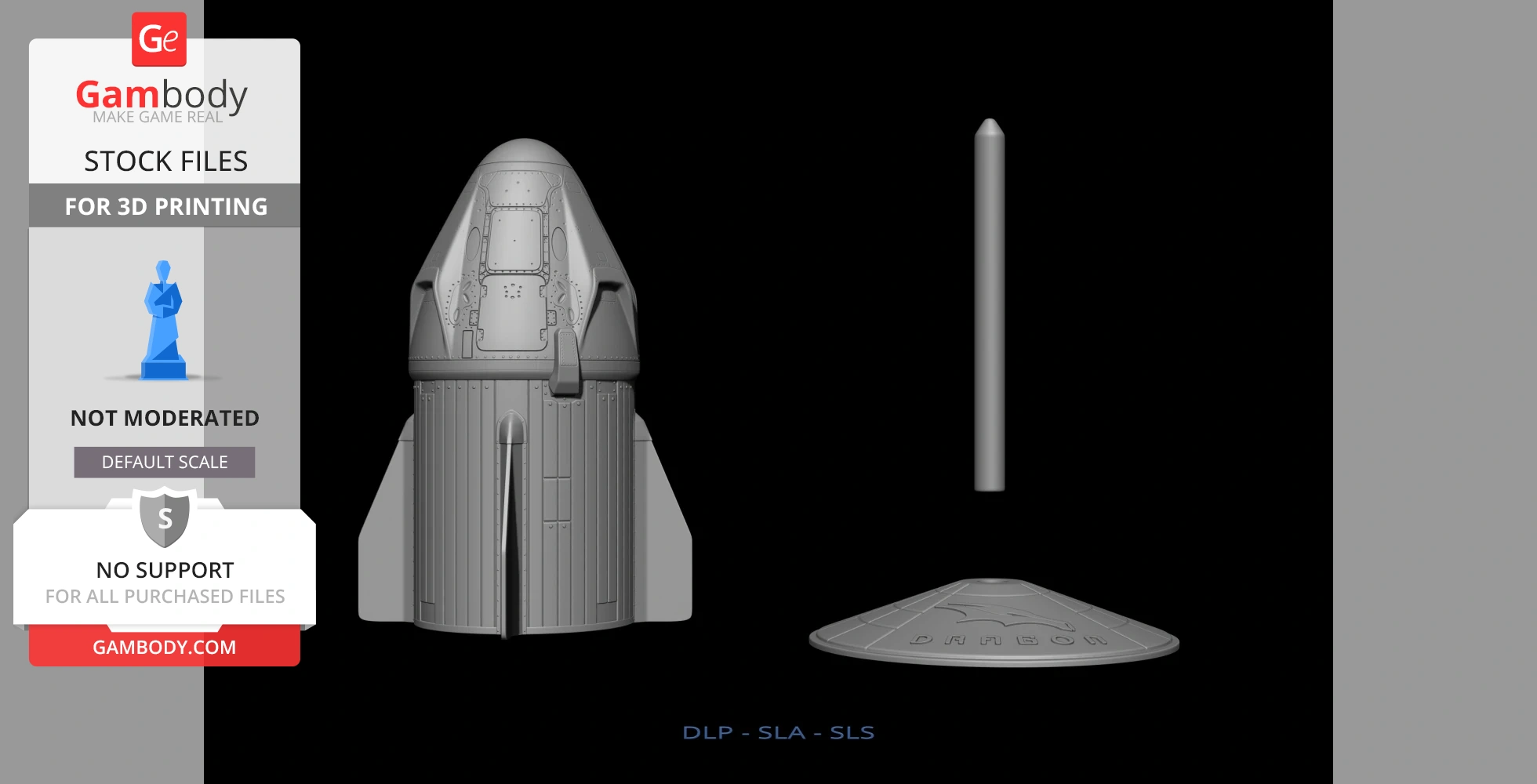
| File name | Size (mm | in) | Size(mb) | Printing Time / Filament | |||
|---|---|---|---|---|---|---|
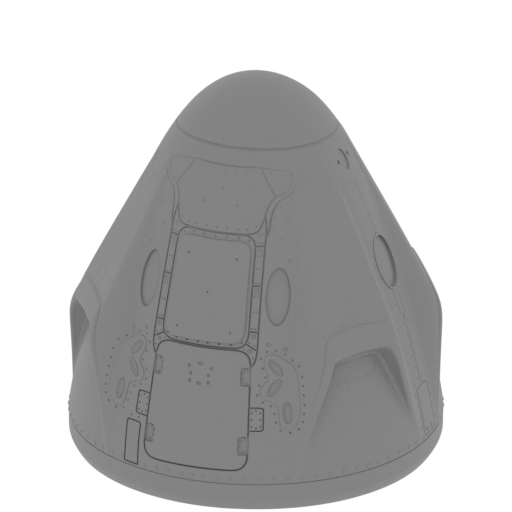 | Dragon_STL_1.stl 94.69 x 94.85 x 100.05 mm | 3.73 x 3.73 x 3.94 in | Size: 94.69 x 94.85 x 100.05 mm | 3.73 x 3.73 x 3.94 in | File size: 61.34 mb | Printing Time / Filament: 27 h 43 min / 16 m | ||
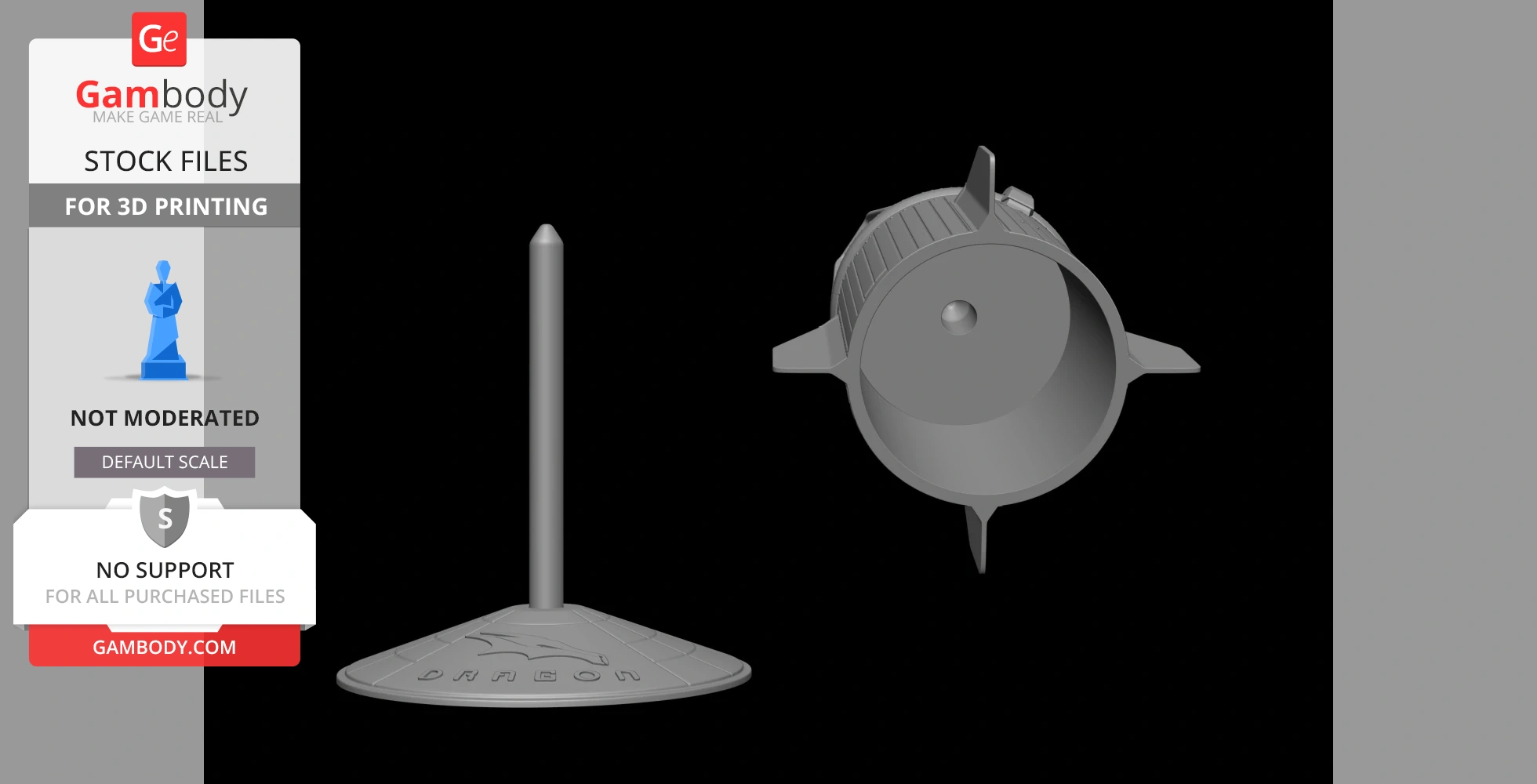
 | Dragon_STL_2.stl 138.3 x 138.3 x 107.25 mm | 5.44 x 5.44 x 4.22 in | Size: 138.3 x 138.3 x 107.25 mm | 5.44 x 5.44 x 4.22 in | File size: 60.29 mb | Printing Time / Filament: 27 h 35 min / 12 m | ||
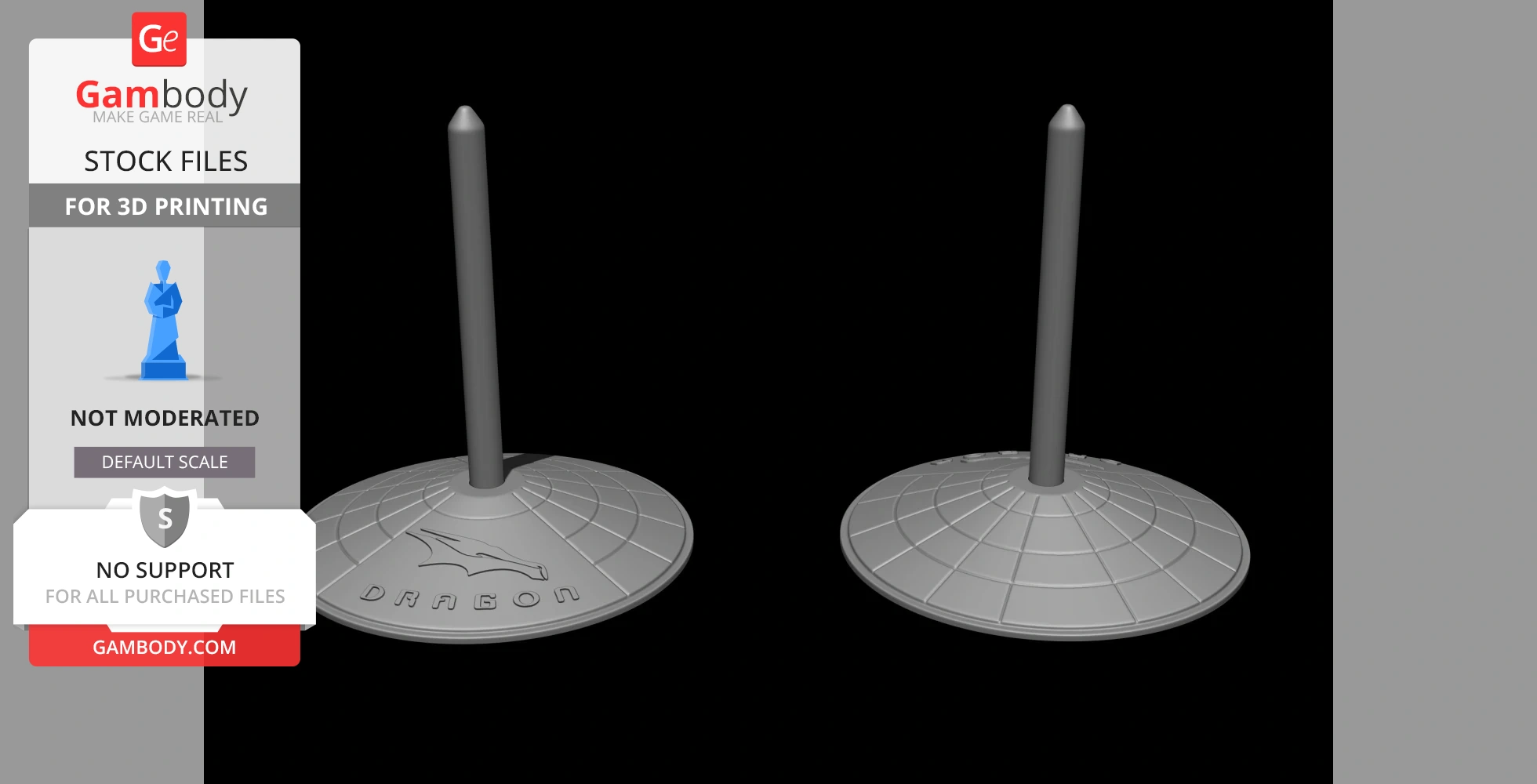
 | Pedestal_STL_2.stl 151.93 x 151.93 x 25.38 mm | 5.98 x 5.98 x 1 in | Size: 151.93 x 151.93 x 25.38 mm | 5.98 x 5.98 x 1 in | File size: 18.35 mb | Printing Time / Filament: 18 h 11 min / 10 m | ||
 | Dragon_STL_3.stl 12.44 x 7.45 x 25.7 mm | 0.49 x 0.29 x 1.01 in | Size: 12.44 x 7.45 x 25.7 mm | 0.49 x 0.29 x 1.01 in | File size: 9.33 mb | Printing Time / Filament: 19 min / <1 m | ||
 | Pedestal_STL_1.stl 12.73 x 12.62 x 154.39 mm | 0.5 x 0.5 x 6.08 in | Size: 12.73 x 12.62 x 154.39 mm | 0.5 x 0.5 x 6.08 in | File size: 7.60 mb | Printing Time / Filament: 2 h 16 min / 1 m | ||
Follow me
FACEBOOK: https://www.facebook.com/groups/1797954133626126/?ref=bookmarks
ISTAGRAM: cody3d1 https://www.instagram.com/cody3d1/
TWITTER: https://twitter.com/Cody3D
ARTSTATION: https://www.artstation.com/cody3d/store
YOUTUBE: https://www.youtube.com/channel/UCegptSyuzQWuU1Fow04_MKw?view_as=subscriber
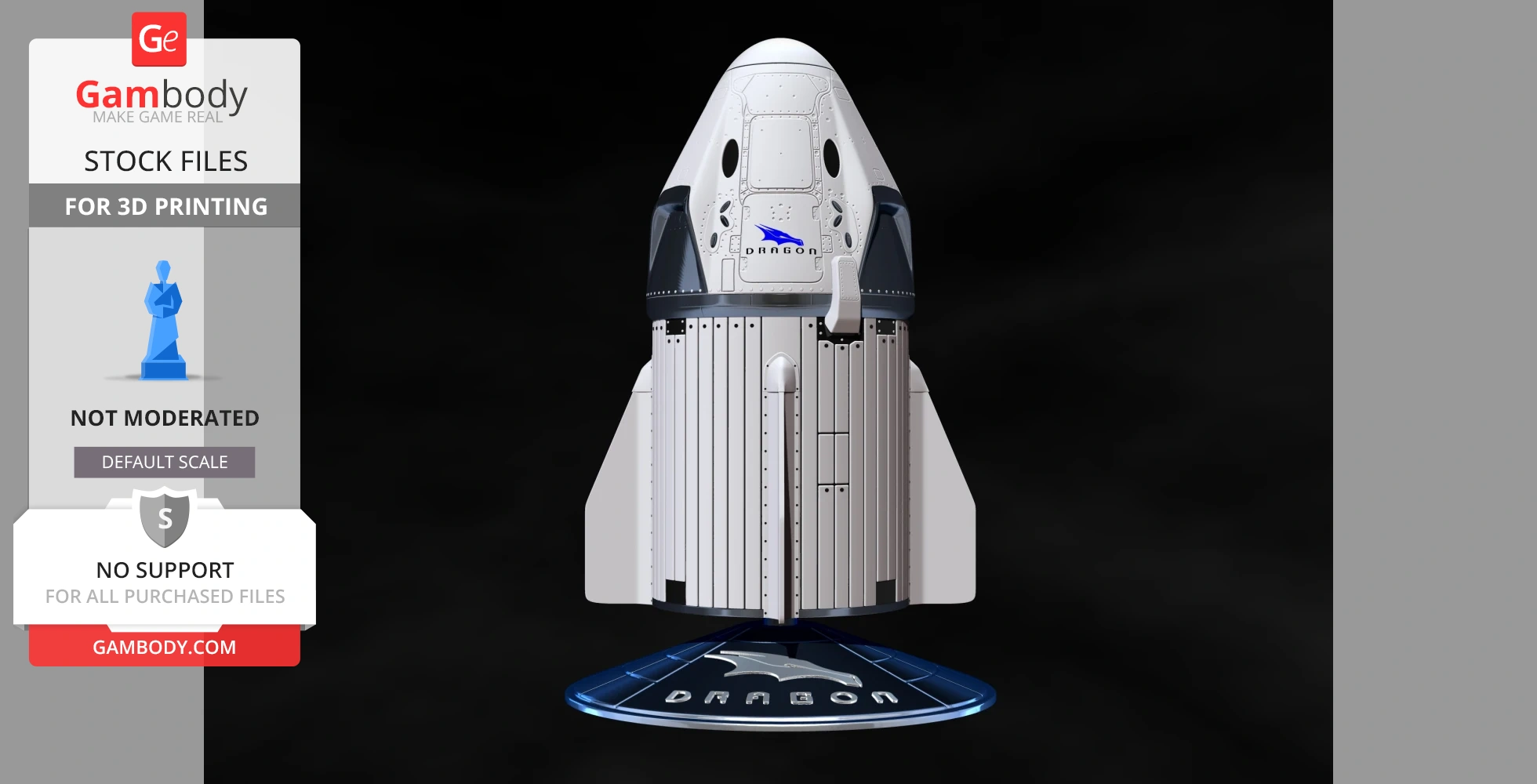
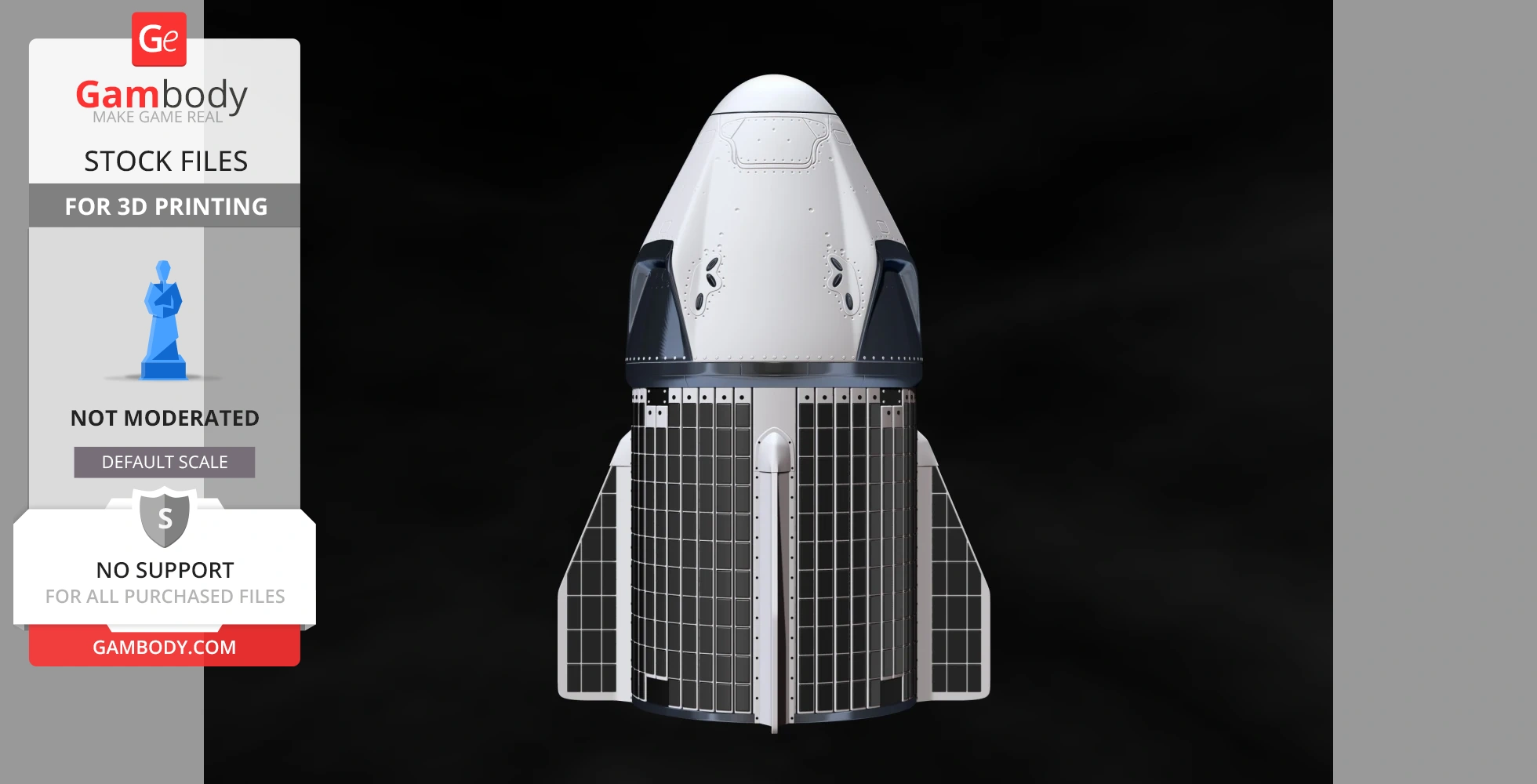
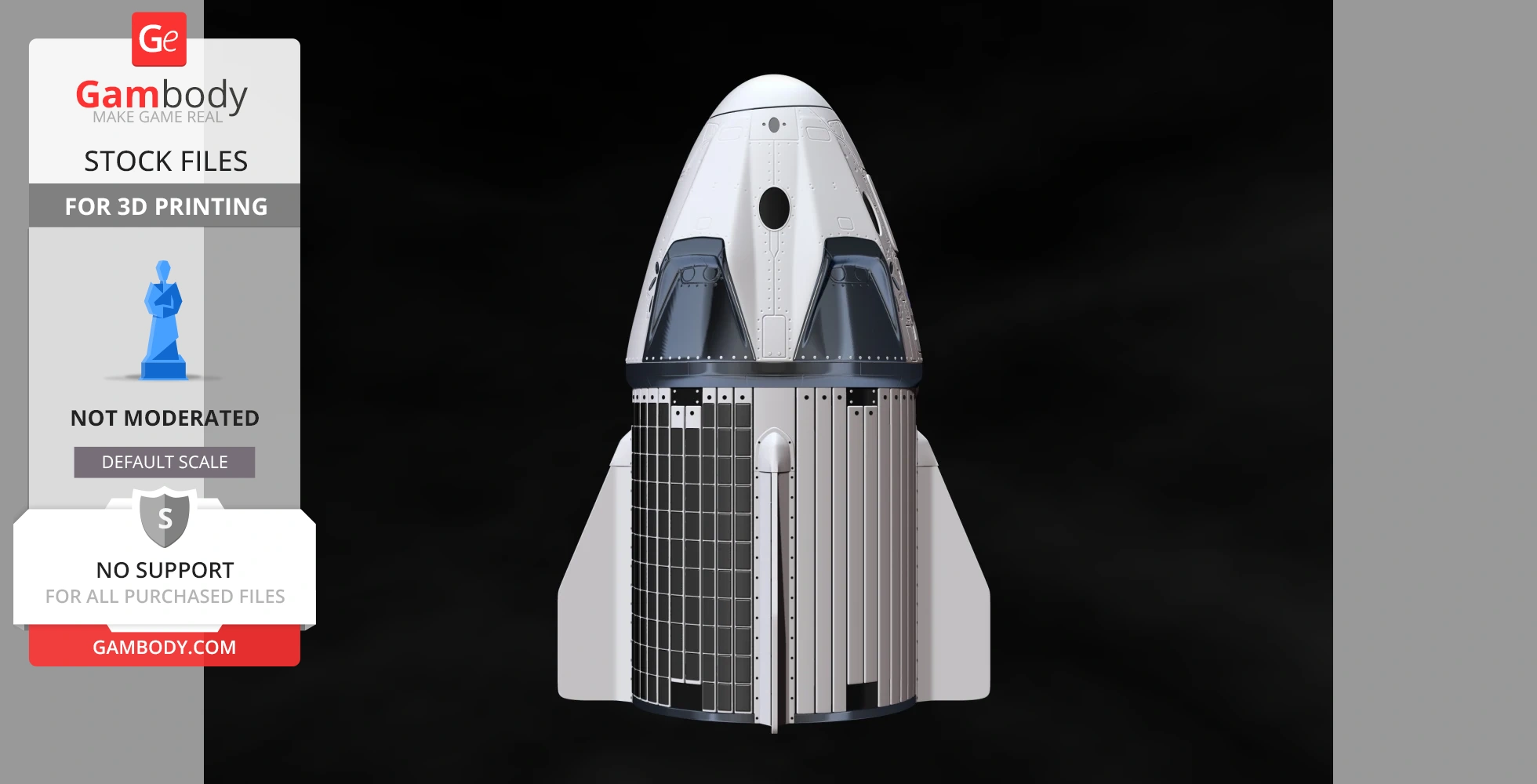
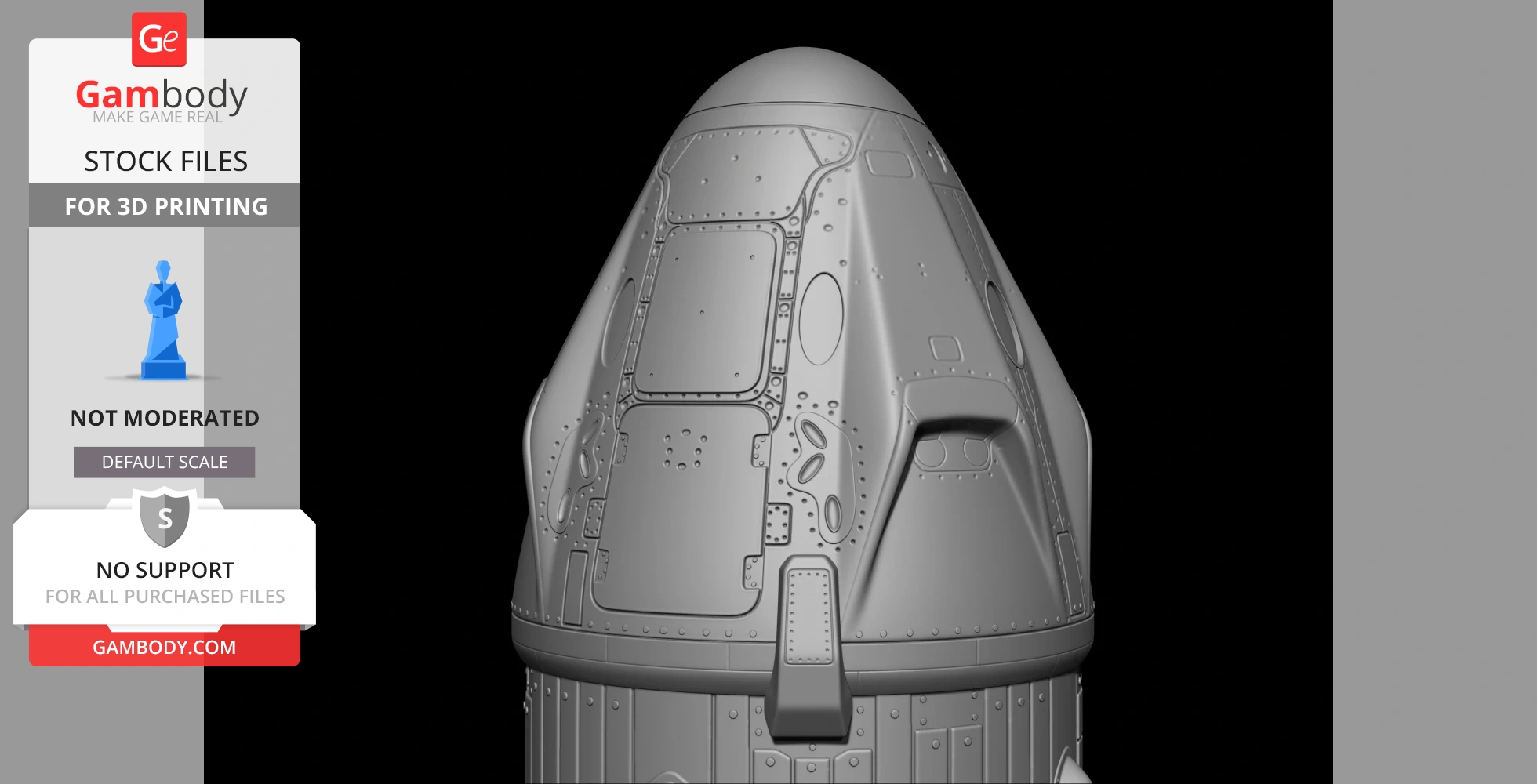
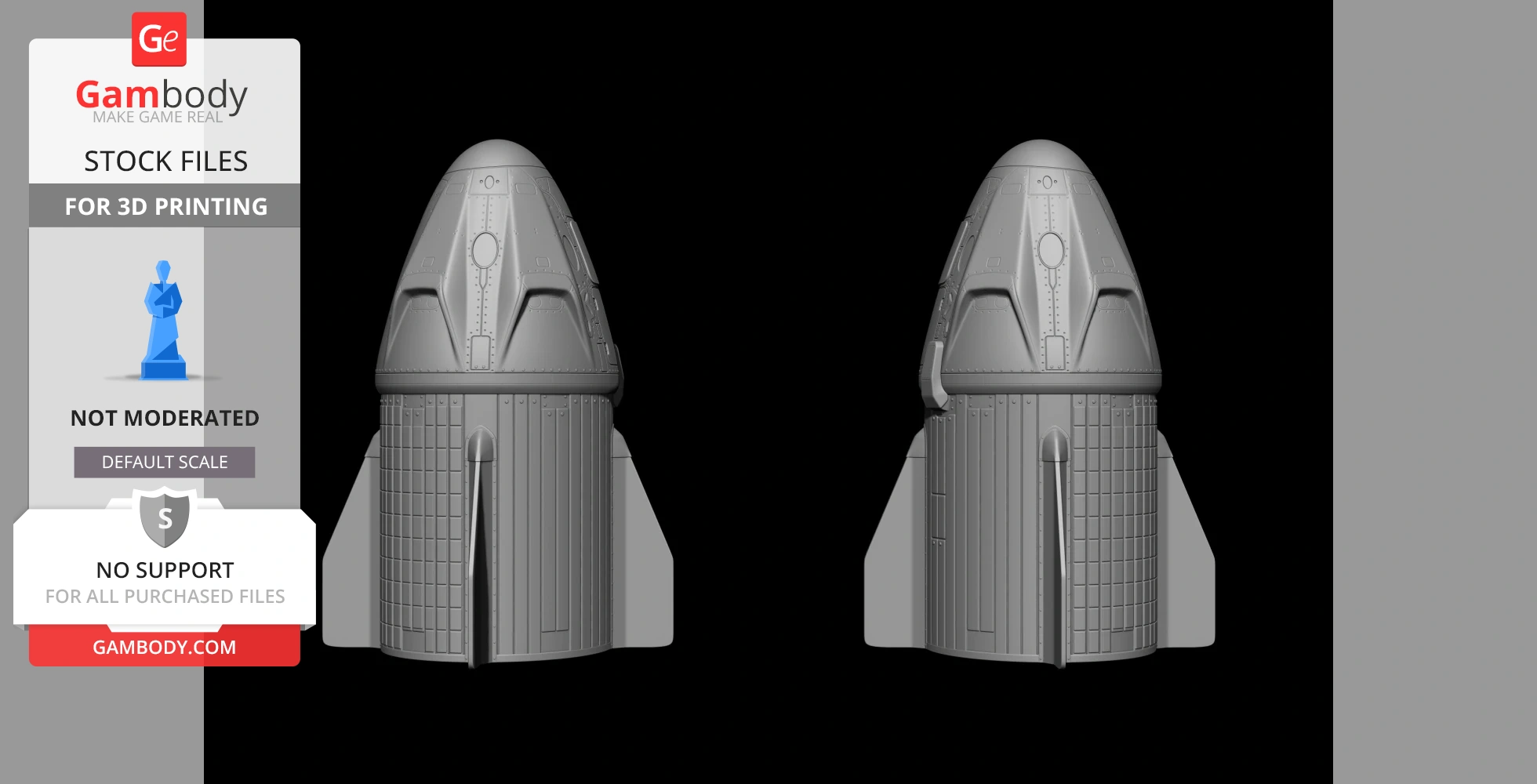
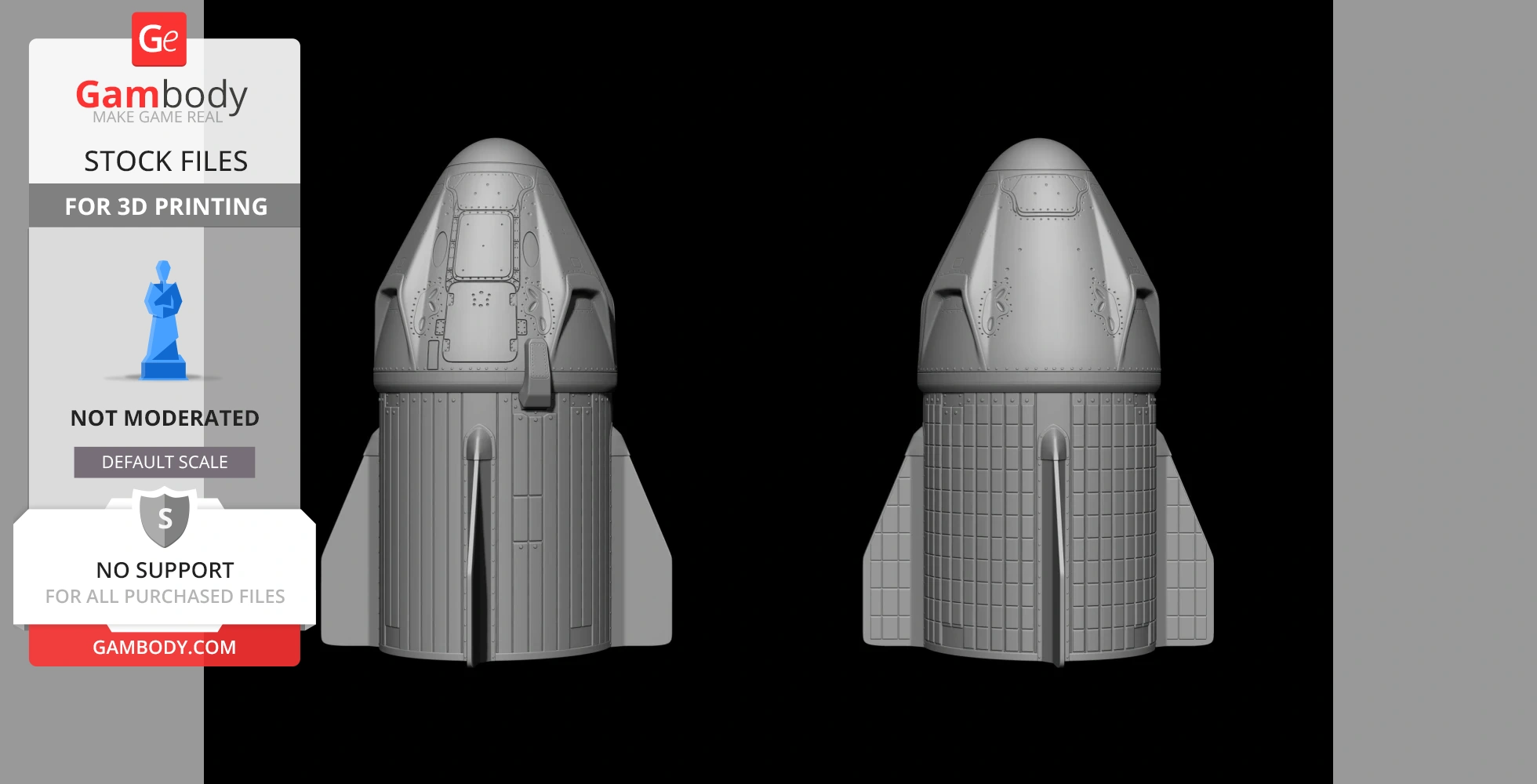
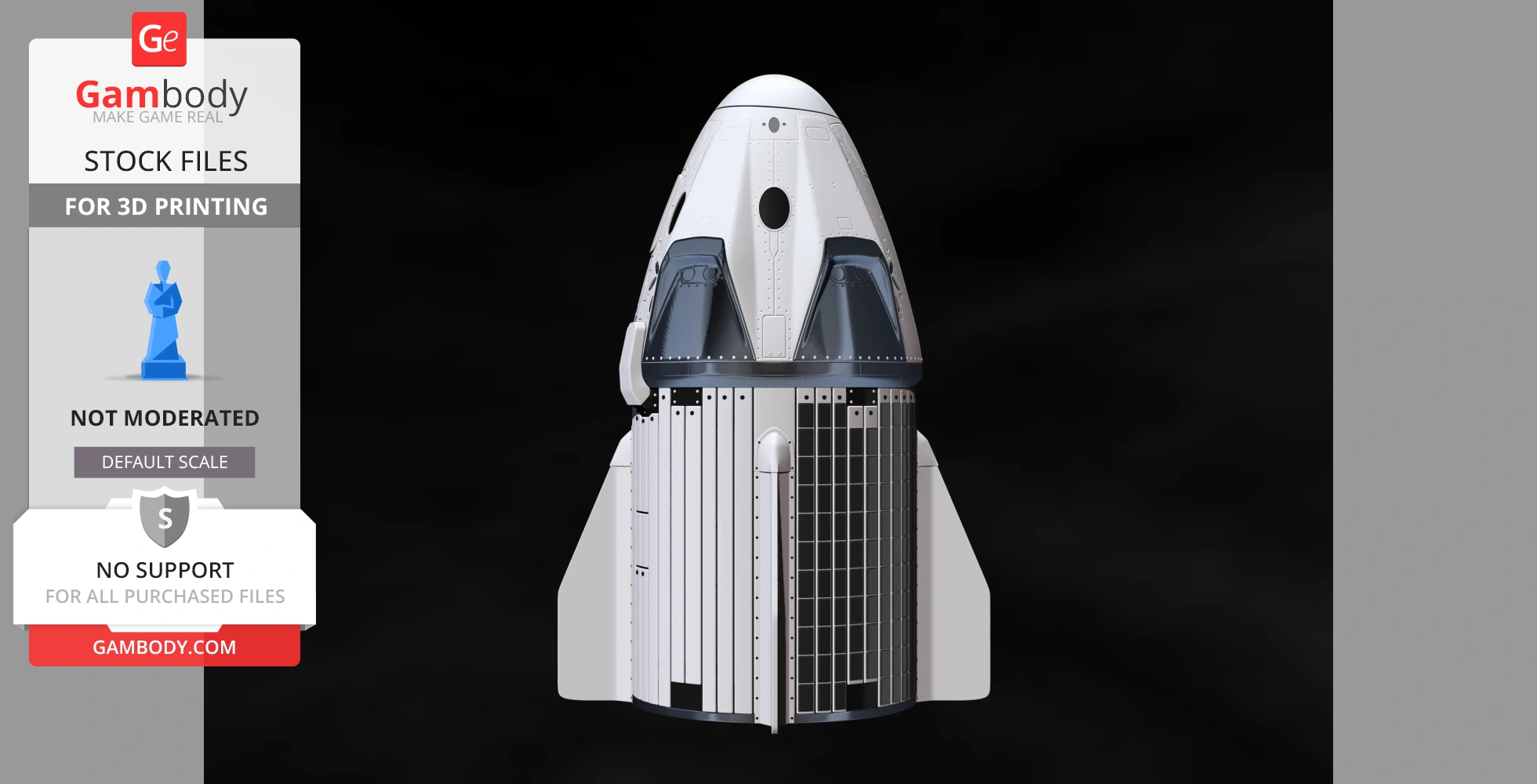
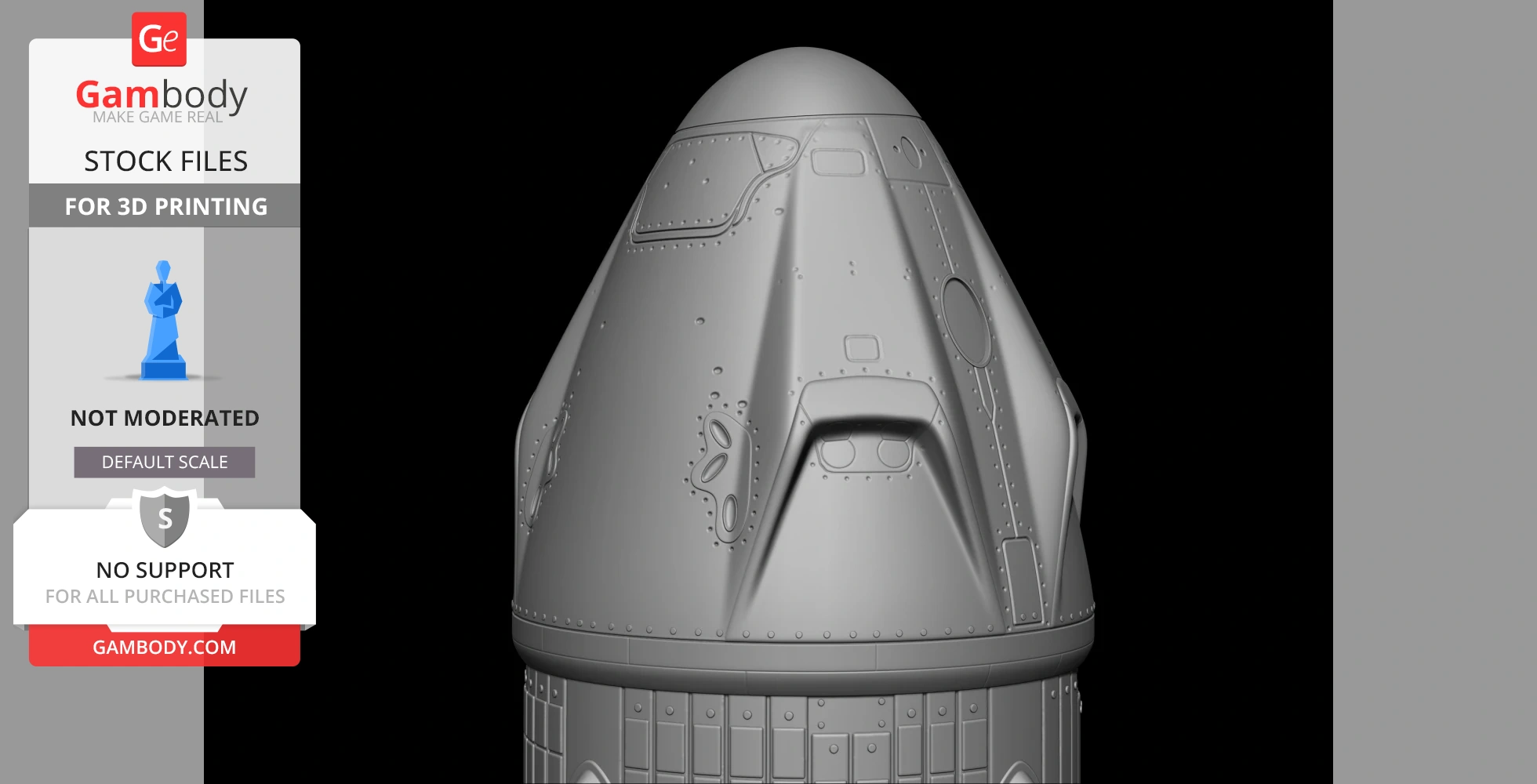
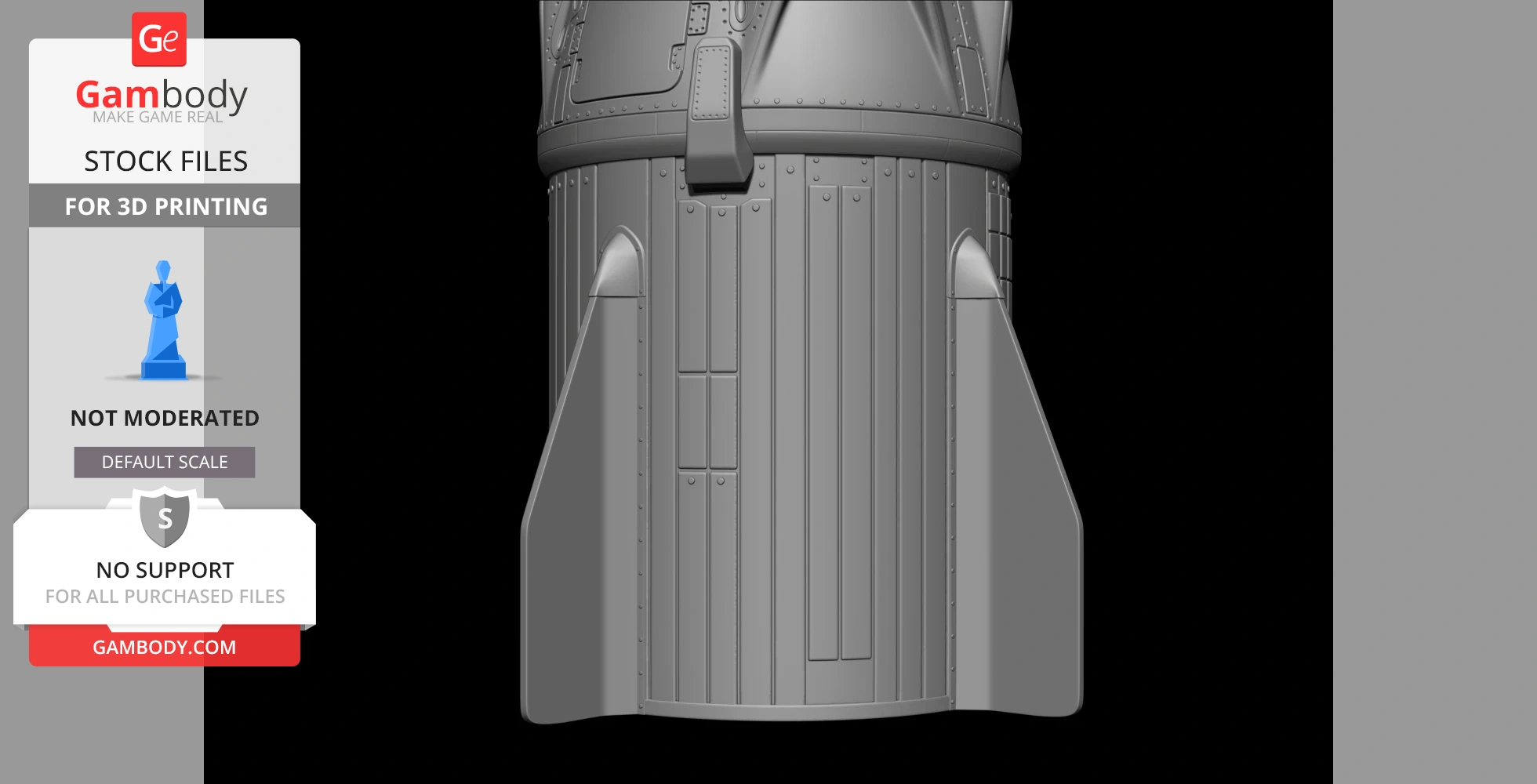
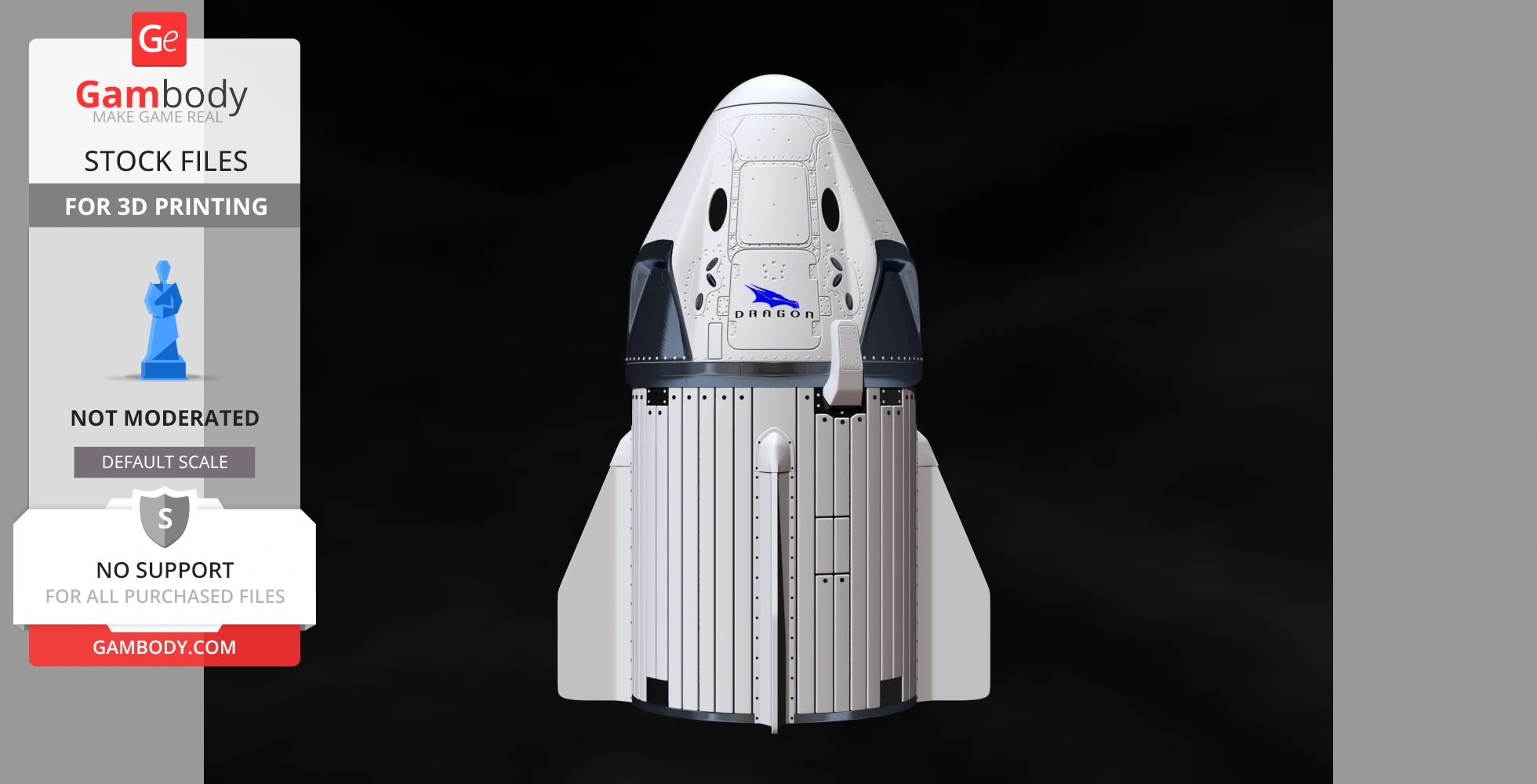
SpaceX Crew Dragon Model Printing File STL - OBJ for 3D Printing
Two version For printer FDM - FFF and for printer DLP – SLA - SLS
Assembly Figure
more than 200 hours of modeling
two versions
however, the dimensions can be changed with each slicer
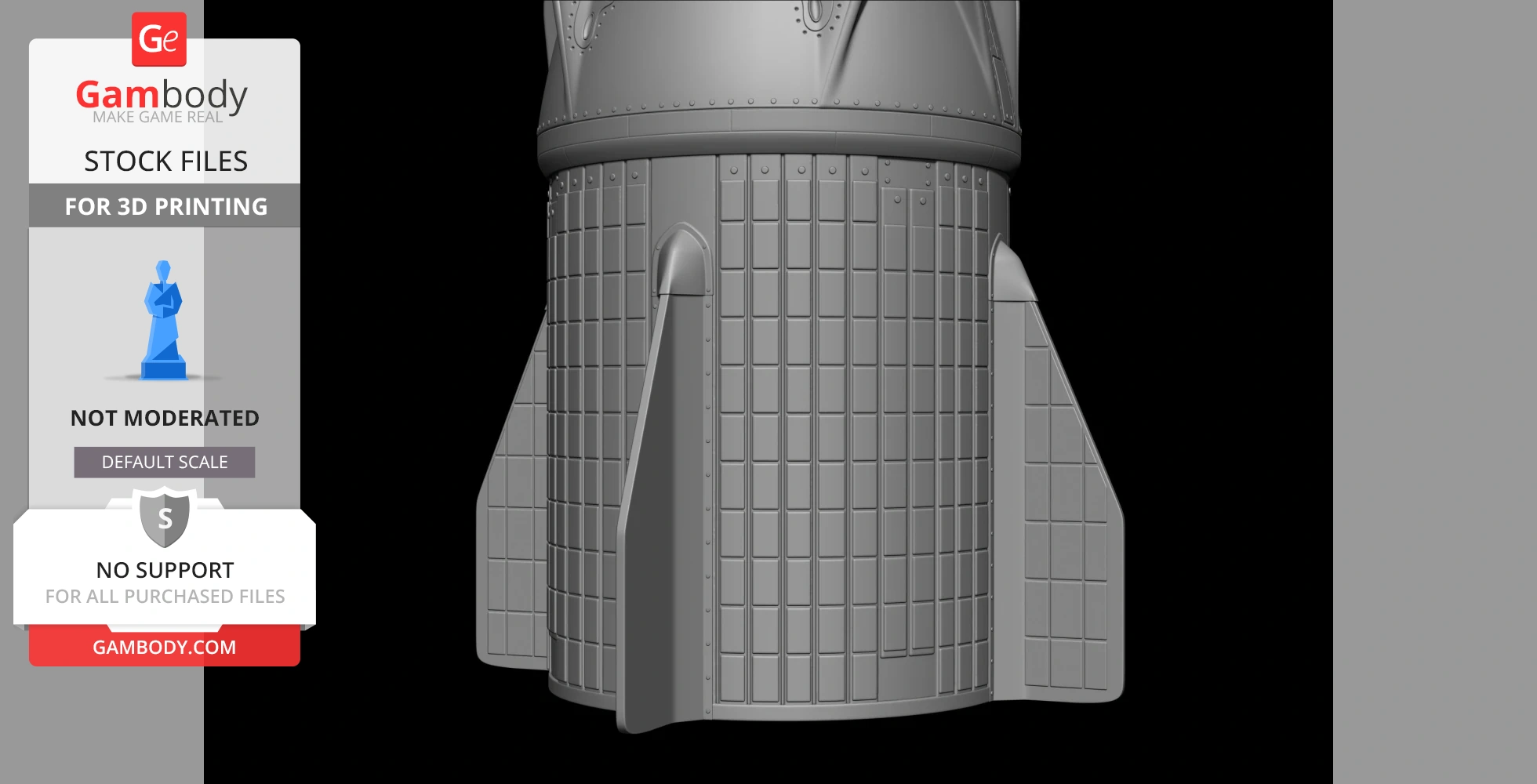
in total SpaceX Crew Dragon is composed of 1,2 mil points
all the files have been decimated by the polygons, but without losing the details, this makes the light files suitable for each computer
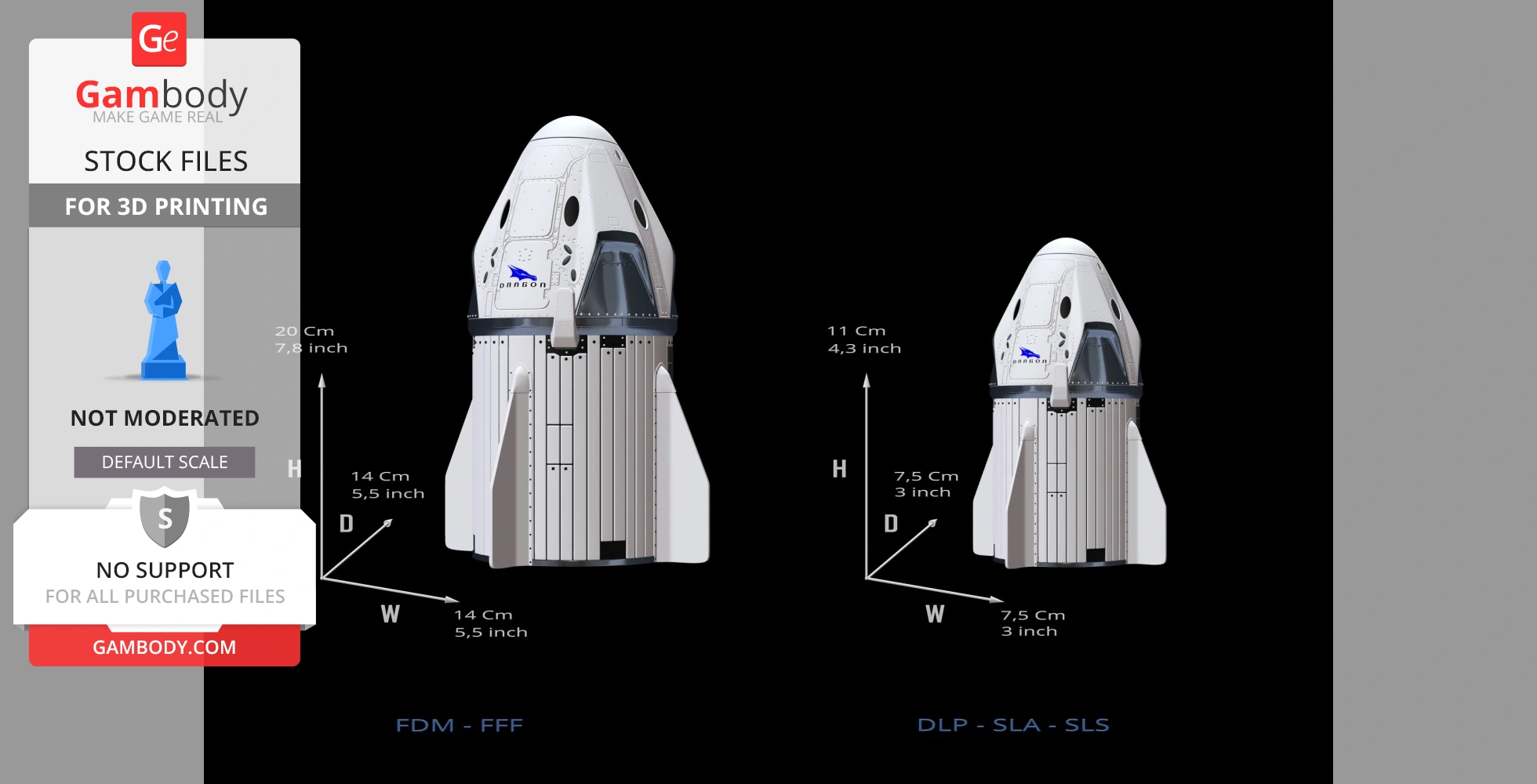
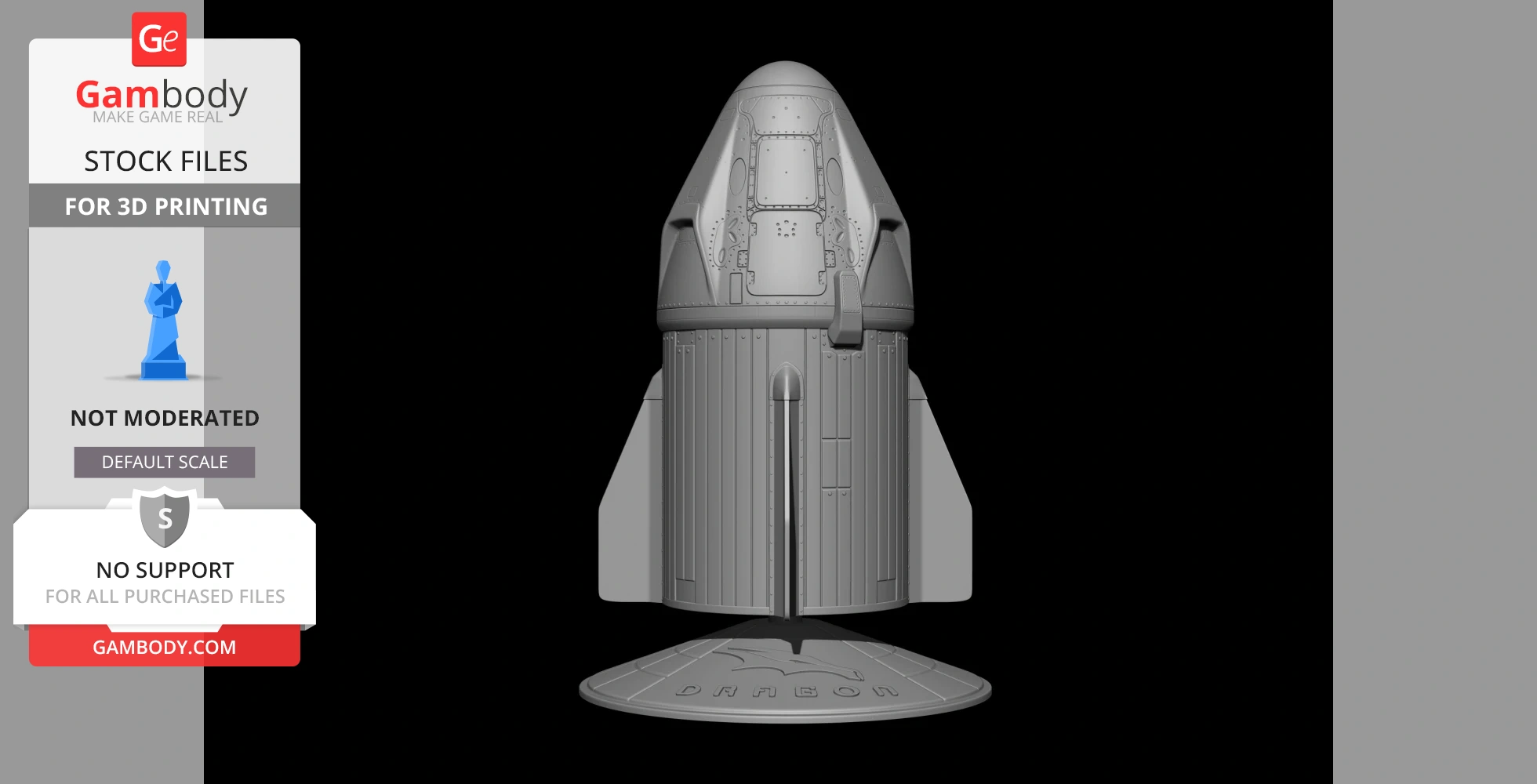
dimensions approximately FDM-FFF W 14 Cm D 14 Cm H 20 Cm
W 5,5 inch D 5,5 inch H 7,8 inch
dimensions approximately DLP-SLA-SLS W 7,5 Cm D 7,5 Cm H 11 Cm
W 3 inch D 3 inch H 4,3 inch
all files are already in place for optimal printing
SpaceX Crew Dragon 3D model was designed to get a clean print result, without considering printing material consumption, However, you are free to rotate, or scale,
every part of the model in the most convenient way for you.
Each file has been checked and repaired with Netfabb
The parts of the model are already positioned for 3D printing
Compatible with every Slicer- Simplify3D, Care, Slic3r, etc ...
All the parts of the model have been cut so as to be printed vertically, for a higher quality of printing
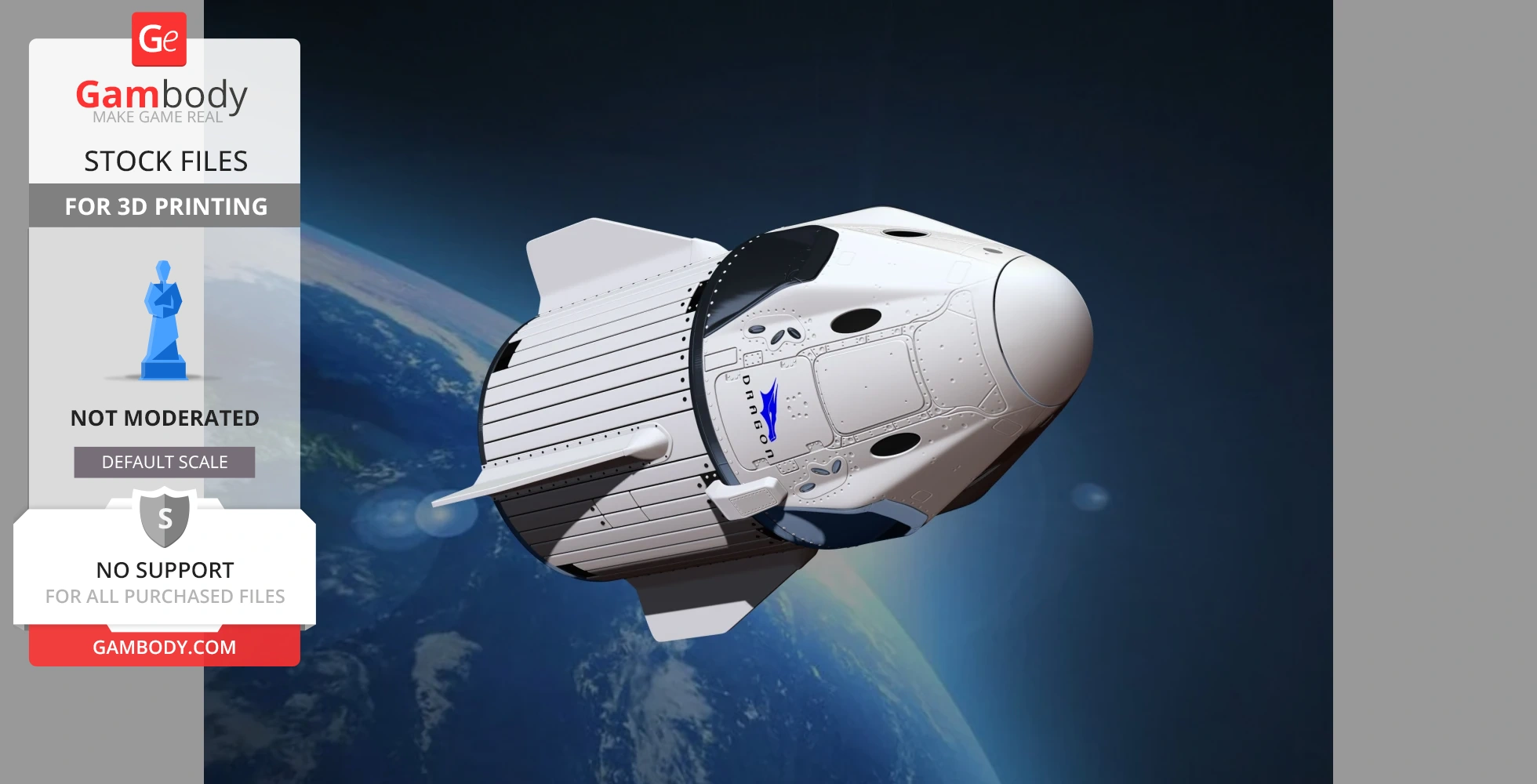
The Crew Dragon capsule is a reusable spacecraft developed and produced by SpaceX as part of the Commercial Crew Program (CCDev). It is the variant of the Dragon 2 for the transport of a human crew.
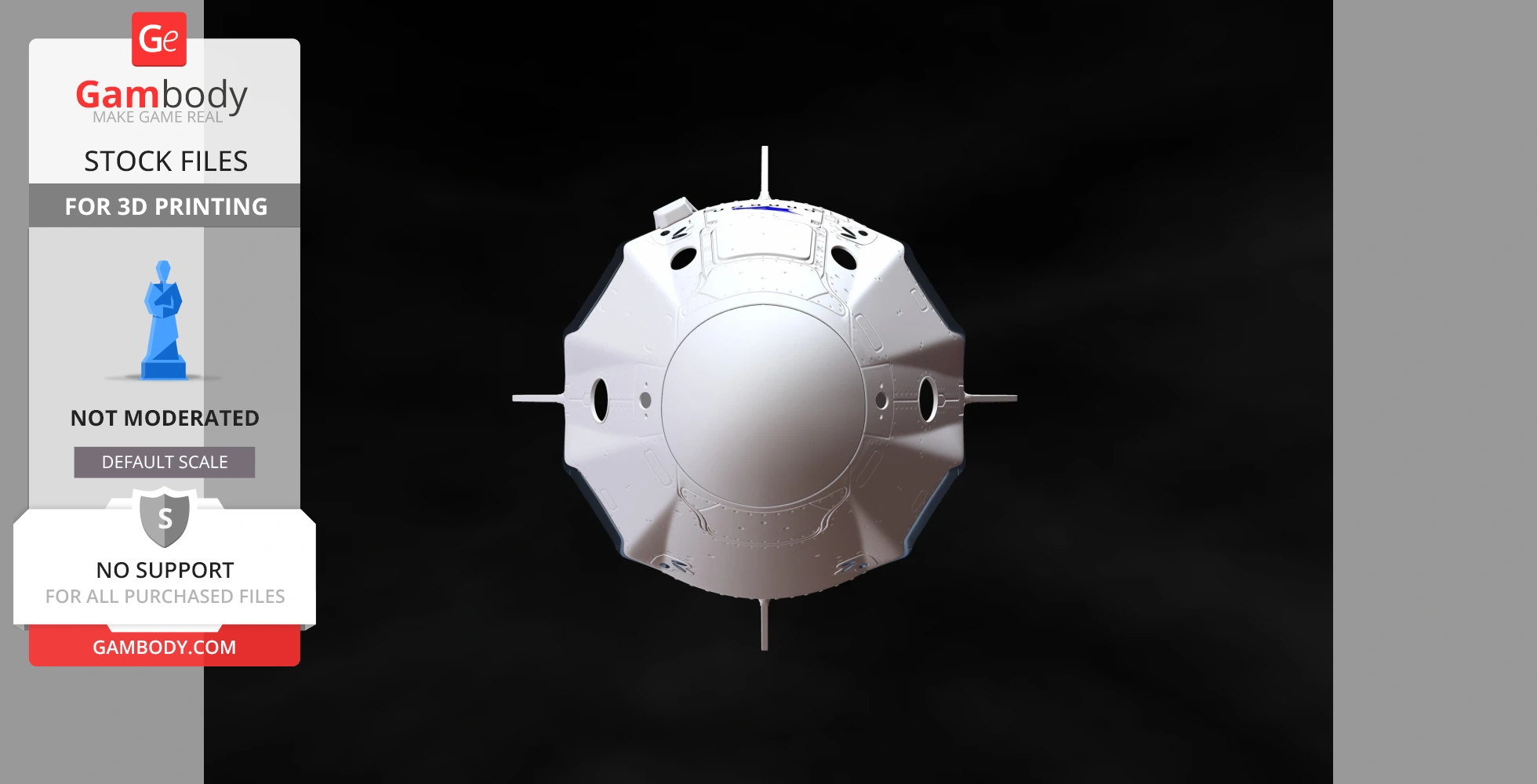
The spacecraft was presented on May 29, 2014, during a press conference at the SpaceX headquarters in Hawthorne, California.[2][3][4] It differs substantially from the previous model, the cargo version, operational from 2010 to 2020. The Dragon 2 has in fact an emergency life support system (ECLSS) capable of sustaining the crew for the duration of the flight; it is equipped with portholes, improved avionics, redesigned solar panels and a modified external structure.[5] It also features an integrated Launch Escape System (LES) capable of escaping the vehicle away from the rocket in an emergency with an acceleration of 11.8 m/s² (39 ft/s²), achieved using eight side-mounted SuperDraco engines, grouped in redundant pairs in four engine pods, with each engine producing 71 kN (16,000 lbf) of thrust, to rescue the crew in emergency situations that force the abandonment of the mission. The advantages of this configuration, instead of the conventional rescue tower are the reusability of the system, the possibility of using it until reaching orbit, the increase in safety resulting from the elimination of a separation event.[6]
On 6 May 2015, the first pad abort test was completed,[7] while another test of the engines took place on 24 November 2015.[8]
The first uncrewed test flight was carried out from pad 39A at the Kennedy Space Center in Florida on 2 March 2019[9], while the first crewed test, initially scheduled for 27 May 2020 but postponed to 30 May 2020 due to unfavorable weather conditions, was successful and docked with the ISS after about 19 hours[10][11][12] and then returned to Earth on 2 August 2020, with equal success, with a splashdown in the Gulf of Mexico.
"Wikipedia"
Recommended settings for printing
each part was cut to be printed vertically, to have a better quality print, so for the upper parts,
it is recommended to print with a 4-5 skirt
Quality
Layer height: 0.1mm*
Initial layer thickness: 0.3mm
Bottom/top pattern: lines
Horizontal expansion: 0.04mm (when entering 0.04mm index, the 3D printer perceives the model as monolith, i.e. as having no hidden layers).
*Layer Height 0.1mm is recommended for a better quality for the printed model. However, the printing time will double.
As a STL file provider, our goal is to ensure that the files are error-free and printable in the most accurate way. This is why we only test print the most difficult segments of
the model’s parts.
The model's parts have been tested and printed in PLA. In case you need advice where to get your filaments from, check our partner's website.
Speed setups:
Infill speed: 30mm/s
Outer shell speed : 30mm/s
Inner shell speed: 20mm/s
Top/bottom speed: 20mm/s
Support speed: 50mm/s
Travel speed: 150mm/s
Skirt speed: 30mm/s
Amount of slower layers: 4
Infill:
Infill pattern: Grid
Line distance: 1.5mm
Infill overlap: 20%
Infill layers: 0
Support:
Enable support: Check
Placement: Everywhere
Overhang angle: 30°
X/Y distance: 0.7mm
Top distance: 0.2mm
Bottom distance: 0.2mm
Stair step height: 0.5mm
Join distance: 0.7mm
Area smoothing: 0.6mm
Use towers: check
Pattern: Grid
Line distance: 1.5mm
LEGAL PRIVACY POLICY: Any UNAUTHORIZED use of my profile, video, pictures or audio in any form or in a forum now or in the future is NOT permissible without my expressed written consent.
Any act to promote or gain profit in any manner (e.g. either monetarily or socially) from the use of my profile, video, pictures or audio in any form my profile is a violation
of my privacy and subject to legal action. BY WATCHING THIS: You acknowledge and agree that you shall not post, upload, publish, transmit or make available in any way content of this
page including images and recording streamed live video available for download. This is intended as, and presented as a one time, live, one view presentation only.
Penalties of Copyright Infringement: By reproducing, republishing or redistributing the work of a copyright holder without permission, you may be violating or infringing
on his or her rights under the Copyright Act. The copyright holder may sue for compensation cost from $ 250 to $ 150,000 or one year jail sentence
Average customer rating (2 reviews)
4.5
Ratings breakdown
Click a star rating to filter reviews
Overall experience
Level of detail in the model
4.5
Model cut quality and assembly guide
4.5
Clarity and accuracy of the model page
4.5


 This feedback is from a user who hasn't purchased this model
 Level of detail in the model
4
Model cut quality and assembly guide
4
Clarity and accuracy of the model page
4
This feedback is from a user who hasn't purchased this model Level of detail in the model
5
Model cut quality and assembly guide
5
Clarity and accuracy of the model page
5
To avoid printing issues and achieve the best quality, we highly recommend applying the following settings:
Generic
Recommended settings for printing:
Each part was cut to be printed vertically, to have a better quality print, so for the upper parts, it is recommended to print with a 4-5 skirt
Quality:
- Layer height: 0.1mm*
- Initial layer thickness: 0.3mm
- Bottom/top pattern: lines
- Horizontal expansion: 0.04mm (when entering 0.04mm index, the 3D printer perceives the model as monolith, i.e. as having no hidden layers).
- *Layer Height 0.1mm is recommended for a better quality for the printed model. However, the printing time will double.
As a STL file provider, our goal is to ensure that the files are error-free and printable in the most accurate way. This is why we only test print the most difficult segments of
the model’s parts.
The model's parts have been tested and printed in PLA. In case you need advice where to get your filaments from, check our partner's website.
Speed setups:
- Infill speed: 30mm/s
- Outer shell speed : 30mm/s
- Inner shell speed: 20mm/s
- Top/bottom speed: 20mm/s
- Support speed: 50mm/s
- Travel speed: 150mm/s
- Skirt speed: 30mm/s
- Amount of slower layers: 4
Infill:
- Infill pattern: Grid
- Line distance: 1.5mm
- Infill overlap: 20%
- Infill layers: 0
Support:
- Enable support: Check
- Placement: Everywhere
- Overhang angle: 30°
- X/Y distance: 0.7mm
- Top distance: 0.2mm
- Bottom distance: 0.2mm
- Stair step height: 0.5mm
- Join distance: 0.7mm
- Area smoothing: 0.6mm
- Use towers: check
- Pattern: Grid
- Line distance: 1.5mm