Community

 ua
ua 




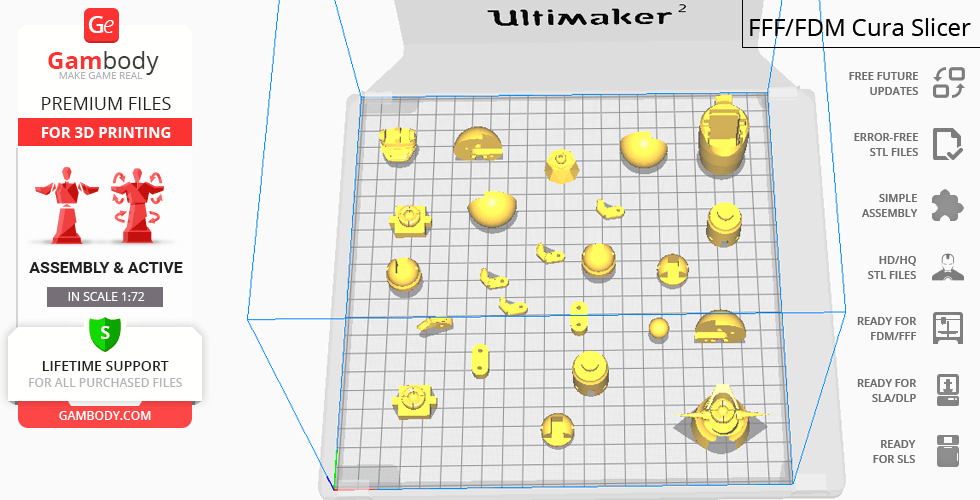
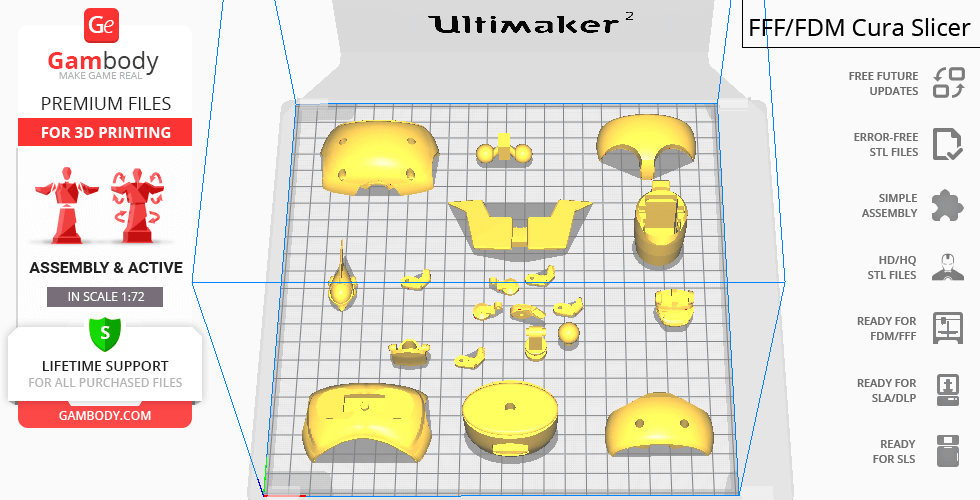
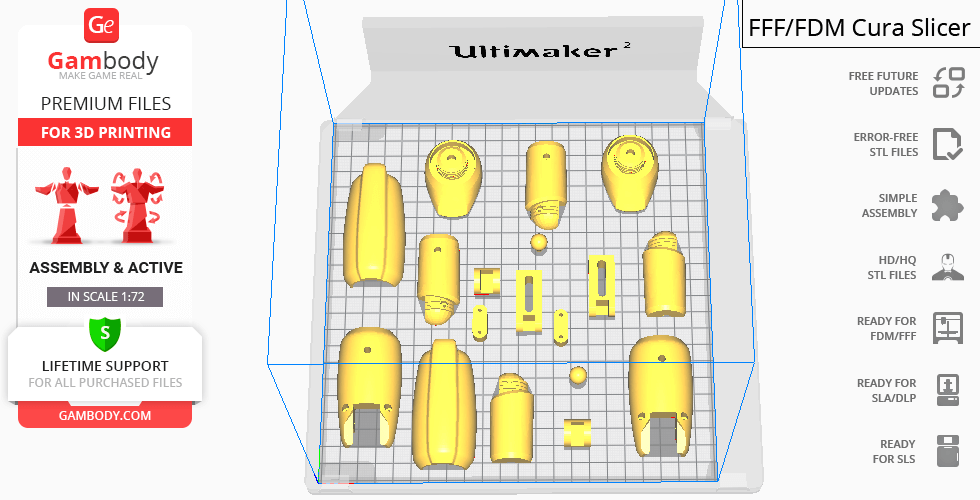
Files
3D model format
Stereolithography (.stl)
Total files

Slicer settings
Mesh error check
Netfabb
Support
Lifetime support from Gambody team
Update requests
Available to verified buyers
Model complexity
Advanced: may require tuning print settings or support placement, plus precise fitting, gluing, or sanding.
Model versions
FFF/FDM
Assembly method
not specified
Features
Additional details
Part of diorama
No
Add-on pack available
No
You will get instant access to the STL files of Mazinger Z 3D Printing Model | Assembly + Action after completing your purchase. Simply add the model to your cart and check out using PayPal, credit or debit card, Apple Pay, Google Pay, Alipay, or other available payment methods.
Watch the assembly video for Mazinger Z 3D Printing Model | Assembly + Action, and explore more tutorials, behind-the-scenes content, 3D printing timelapses, and painting guides on the official Gambody YouTube channel.
This 3D Model consists of files in StereoLithography (.Stl) format that is optimized for 3D printing.
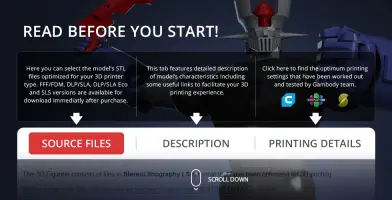
Before printing the files, we strongly recommend reading the PRINTING DETAILS section.
Mazinger Z 3D Printing Model comes in 1 version for FFF/FDM 3D printers. STL files of the version are available for download after the purchase.
Detailed information about this 3D printing model is available in the DESCRIPTION section.
Before printing, take a look at Printing Details for recommended settings and tips to achieve better results.
| File name | Size (mm | in) | Size(mb) | Printing Time / Filament | |||
|---|---|---|---|---|---|---|
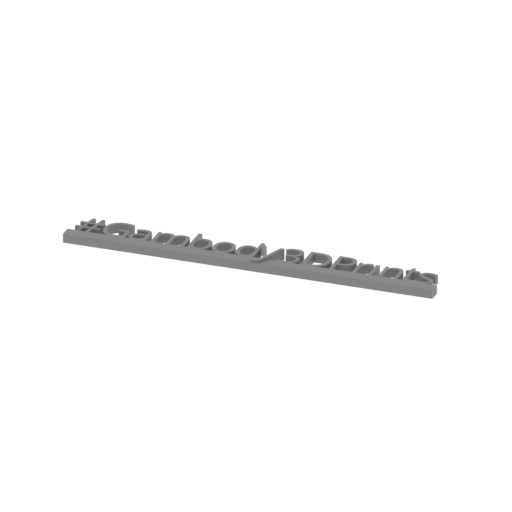 | Tag (repaired).stl 150 x 18 x 5 mm | 5.91 x 0.71 x 0.2 in | Size: 150 x 18 x 5 mm | 5.91 x 0.71 x 0.2 in | File size: 1.78 mb | Printing Time / Filament: 18 min / 2 m Slicer: prusa v2.9.2 Printer: prusa_xl Non default settings Layer height: 0.2 Fill density: 20% Support material: 1 Support material buildplate only: 1 | ||
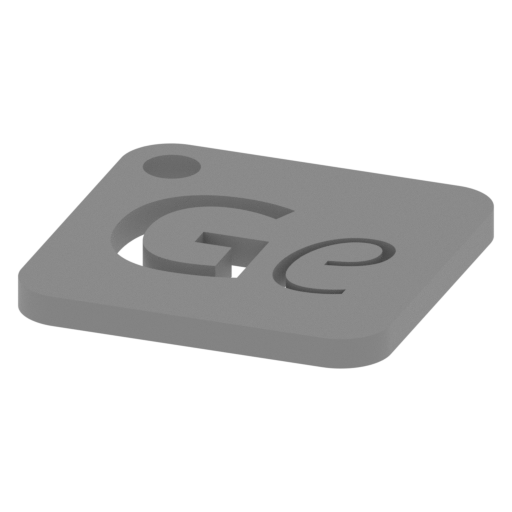 | Keychain (repaired).stl 30 x 30 x 2 mm | 1.18 x 1.18 x 0.08 in | Size: 30 x 30 x 2 mm | 1.18 x 1.18 x 0.08 in | File size: 0.37 mb | Printing Time / Filament: 6 min / 1 m Slicer: prusa v2.9.2 Printer: prusa_xl Non default settings Layer height: 0.2 Fill density: 20% Support material: 1 Support material buildplate only: 1 | ||
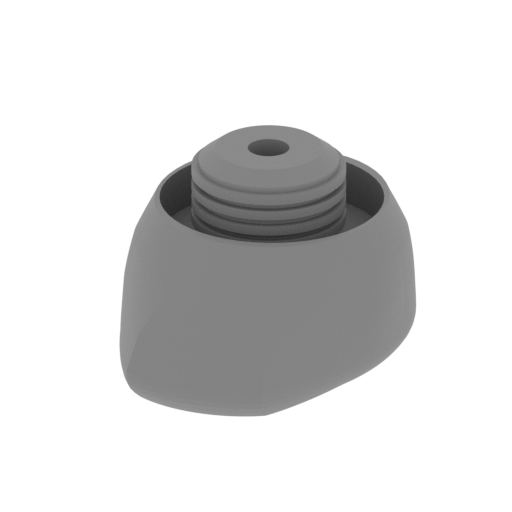 | 62_Foot_L (repaired).stl 34 x 47 x 24 mm | 1.34 x 1.85 x 0.94 in | Size: 34 x 47 x 24 mm | 1.34 x 1.85 x 0.94 in | File size: 0.95 mb | Printing Time / Filament: 29 min / 3 m Slicer: prusa v2.9.2 Printer: prusa_xl Non default settings Layer height: 0.2 Fill density: 20% Support material: 1 Support material buildplate only: 1 | ||
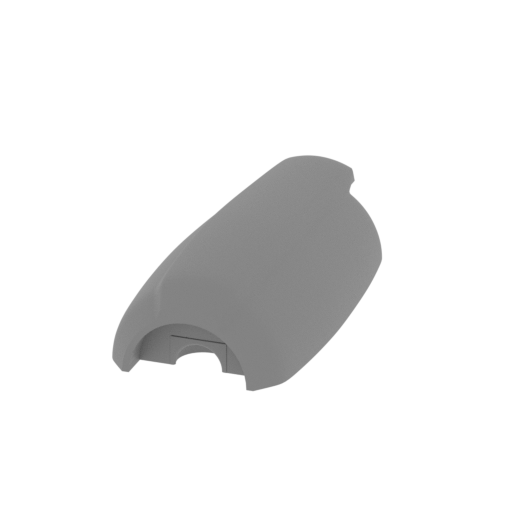 | 61_Leg2_L (repaired).stl 37 x 73 x 20 mm | 1.46 x 2.87 x 0.79 in | Size: 37 x 73 x 20 mm | 1.46 x 2.87 x 0.79 in | File size: 1.47 mb | Printing Time / Filament: 37 min / 5 m Slicer: prusa v2.9.2 Printer: prusa_xl Non default settings Layer height: 0.2 Fill density: 20% Support material: 1 Support material buildplate only: 1 | ||
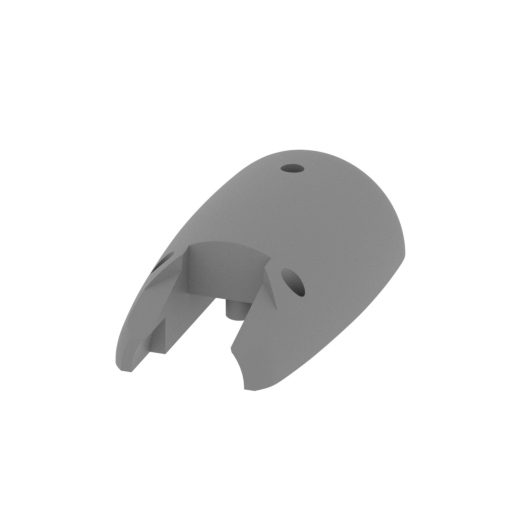 | 60_Leg1_L (repaired).stl 37 x 68 x 18 mm | 1.46 x 2.68 x 0.71 in | Size: 37 x 68 x 18 mm | 1.46 x 2.68 x 0.71 in | File size: 1.41 mb | Printing Time / Filament: 33 min / 4 m Slicer: prusa v2.9.2 Printer: prusa_xl Non default settings Layer height: 0.2 Fill density: 20% Support material: 1 Support material buildplate only: 1 | ||
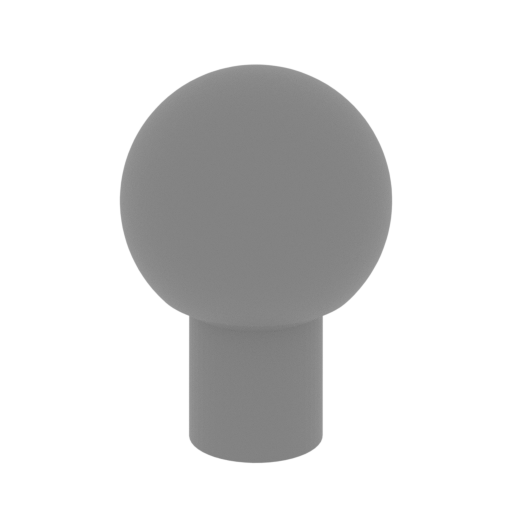 | 59_Ankle joint_L (repaired).stl 10 x 10 x 14 mm | 0.39 x 0.39 x 0.55 in | Size: 10 x 10 x 14 mm | 0.39 x 0.39 x 0.55 in | File size: 0.71 mb | Printing Time / Filament: 7 min / <1 m Slicer: prusa v2.9.2 Printer: prusa_xl Non default settings Layer height: 0.2 Fill density: 20% Support material: 1 Support material buildplate only: 1 | ||
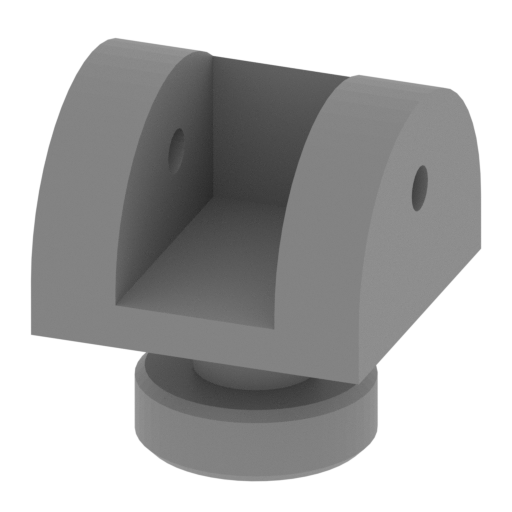 | 58_Knee3_L (repaired).stl 15 x 15 x 17 mm | 0.59 x 0.59 x 0.67 in | Size: 15 x 15 x 17 mm | 0.59 x 0.59 x 0.67 in | File size: 0.09 mb | Printing Time / Filament: 15 min / 1 m Slicer: prusa v2.9.2 Printer: prusa_xl Non default settings Layer height: 0.2 Fill density: 20% Support material: 1 Support material buildplate only: 1 | ||
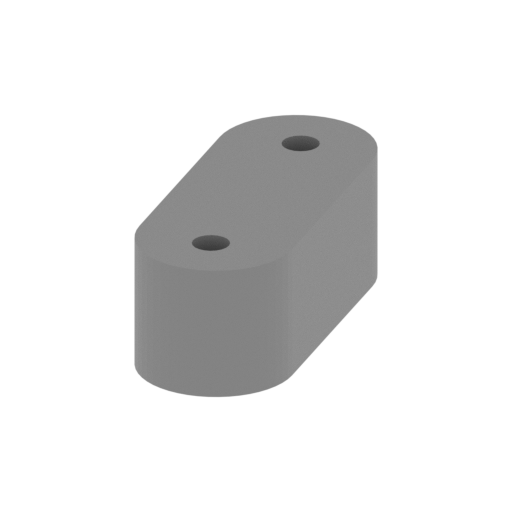 | 57_Knee2_L (repaired).stl 8 x 20 x 7 mm | 0.31 x 0.79 x 0.28 in | Size: 8 x 20 x 7 mm | 0.31 x 0.79 x 0.28 in | File size: 0.04 mb | Printing Time / Filament: 7 min / <1 m Slicer: prusa v2.9.2 Printer: prusa_xl Non default settings Layer height: 0.2 Fill density: 20% Support material: 1 Support material buildplate only: 1 | ||
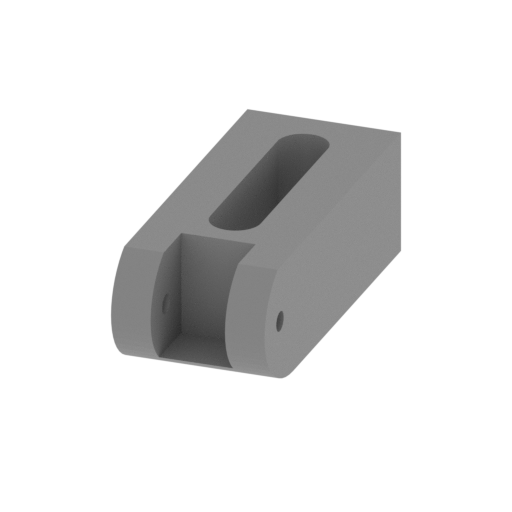 | 56_Knee1_L (repaired).stl 15 x 36 x 12 mm | 0.59 x 1.42 x 0.47 in | Size: 15 x 36 x 12 mm | 0.59 x 1.42 x 0.47 in | File size: 0.04 mb | Printing Time / Filament: 13 min / 1 m Slicer: prusa v2.9.2 Printer: prusa_xl Non default settings Layer height: 0.2 Fill density: 20% Support material: 1 Support material buildplate only: 1 | ||
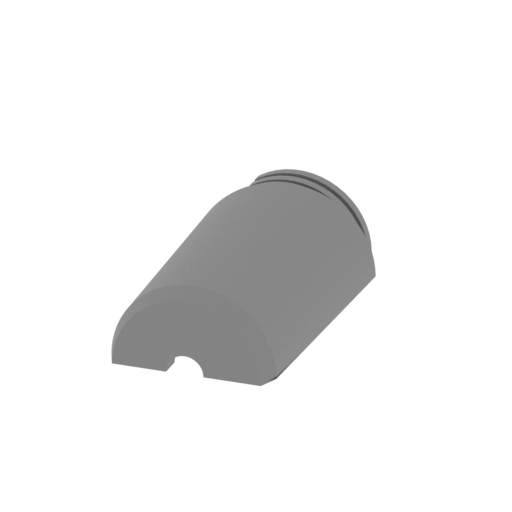 | 55_Upper leg2_L (repaired).stl 25 x 53 x 13 mm | 0.98 x 2.09 x 0.51 in | Size: 25 x 53 x 13 mm | 0.98 x 2.09 x 0.51 in | File size: 1.17 mb | Printing Time / Filament: 18 min / 2 m Slicer: prusa v2.9.2 Printer: prusa_xl Non default settings Layer height: 0.2 Fill density: 20% Support material: 1 Support material buildplate only: 1 | ||
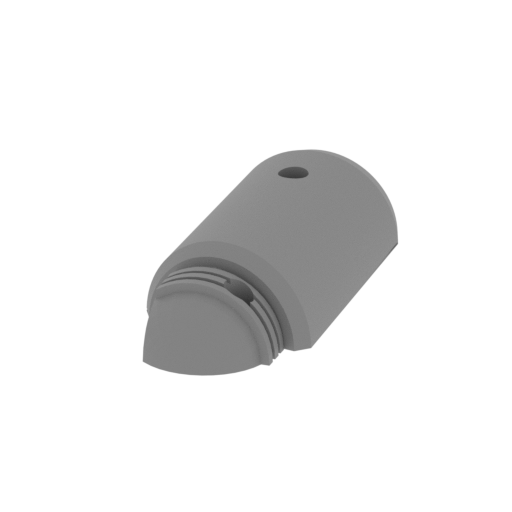 | 54_Upper leg1_L (repaired).stl 25 x 53 x 13 mm | 0.98 x 2.09 x 0.51 in | Size: 25 x 53 x 13 mm | 0.98 x 2.09 x 0.51 in | File size: 1.17 mb | Printing Time / Filament: 18 min / 2 m Slicer: prusa v2.9.2 Printer: prusa_xl Non default settings Layer height: 0.2 Fill density: 20% Support material: 1 Support material buildplate only: 1 | ||
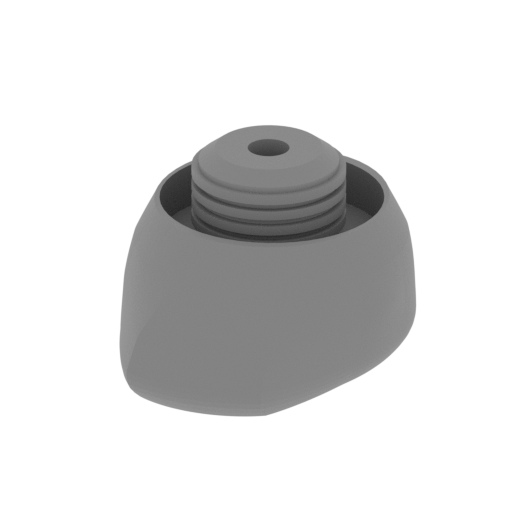 | 53_Foot_R (repaired).stl 34 x 47 x 24 mm | 1.34 x 1.85 x 0.94 in | Size: 34 x 47 x 24 mm | 1.34 x 1.85 x 0.94 in | File size: 0.95 mb | Printing Time / Filament: 29 min / 3 m Slicer: prusa v2.9.2 Printer: prusa_xl Non default settings Layer height: 0.2 Fill density: 20% Support material: 1 Support material buildplate only: 1 | ||
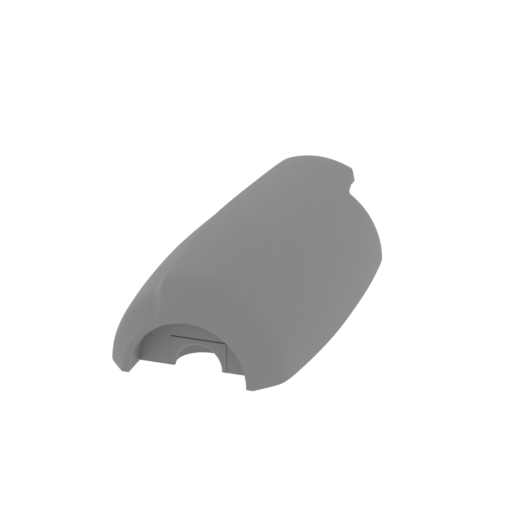 | 52_Leg2_R (repaired).stl 37 x 73 x 20 mm | 1.46 x 2.87 x 0.79 in | Size: 37 x 73 x 20 mm | 1.46 x 2.87 x 0.79 in | File size: 1.47 mb | Printing Time / Filament: 37 min / 5 m Slicer: prusa v2.9.2 Printer: prusa_xl Non default settings Layer height: 0.2 Fill density: 20% Support material: 1 Support material buildplate only: 1 | ||
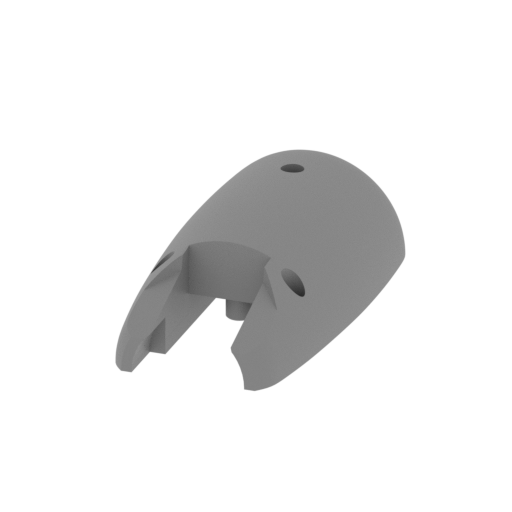 | 51_Leg1_R (repaired).stl 37 x 68 x 18 mm | 1.46 x 2.68 x 0.71 in | Size: 37 x 68 x 18 mm | 1.46 x 2.68 x 0.71 in | File size: 1.41 mb | Printing Time / Filament: 33 min / 4 m Slicer: prusa v2.9.2 Printer: prusa_xl Non default settings Layer height: 0.2 Fill density: 20% Support material: 1 Support material buildplate only: 1 | ||
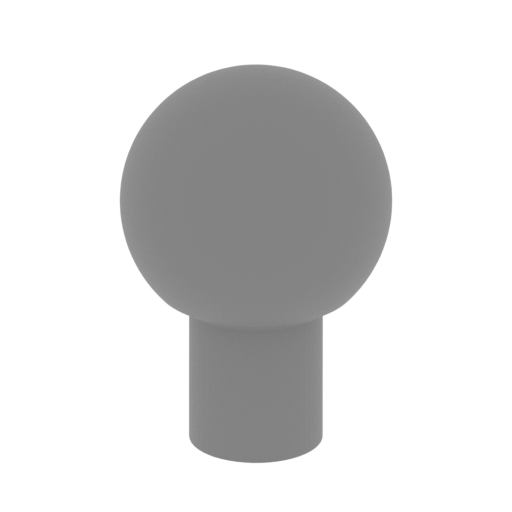 | 50_Ankle joint_R (repaired).stl 10 x 10 x 14 mm | 0.39 x 0.39 x 0.55 in | Size: 10 x 10 x 14 mm | 0.39 x 0.39 x 0.55 in | File size: 0.71 mb | Printing Time / Filament: 7 min / <1 m Slicer: prusa v2.9.2 Printer: prusa_xl Non default settings Layer height: 0.2 Fill density: 20% Support material: 1 Support material buildplate only: 1 | ||
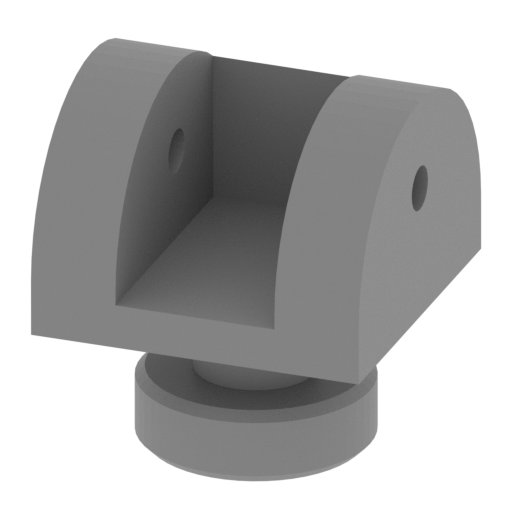 | 49_Knee3_R (repaired).stl 15 x 15 x 17 mm | 0.59 x 0.59 x 0.67 in | Size: 15 x 15 x 17 mm | 0.59 x 0.59 x 0.67 in | File size: 0.09 mb | Printing Time / Filament: 15 min / 1 m Slicer: prusa v2.9.2 Printer: prusa_xl Non default settings Layer height: 0.2 Fill density: 20% Support material: 1 Support material buildplate only: 1 | ||
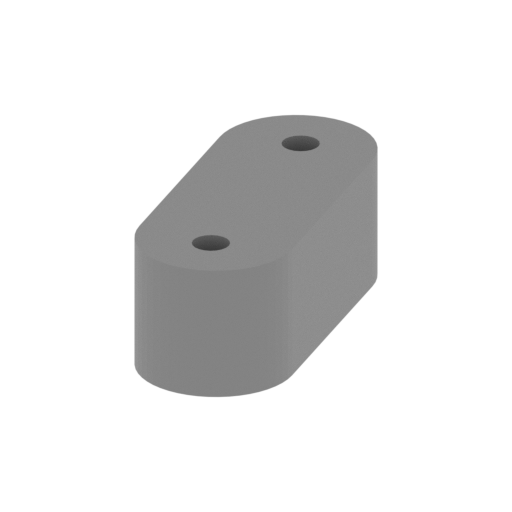 | 48_Knee2_R (repaired).stl 8 x 20 x 7 mm | 0.31 x 0.79 x 0.28 in | Size: 8 x 20 x 7 mm | 0.31 x 0.79 x 0.28 in | File size: 0.04 mb | Printing Time / Filament: 7 min / <1 m Slicer: prusa v2.9.2 Printer: prusa_xl Non default settings Layer height: 0.2 Fill density: 20% Support material: 1 Support material buildplate only: 1 | ||
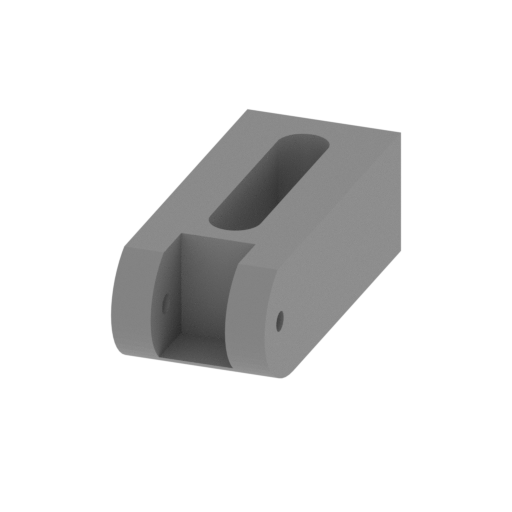 | 47_Knee1_R (repaired).stl 15 x 36 x 12 mm | 0.59 x 1.42 x 0.47 in | Size: 15 x 36 x 12 mm | 0.59 x 1.42 x 0.47 in | File size: 0.04 mb | Printing Time / Filament: 13 min / 1 m Slicer: prusa v2.9.2 Printer: prusa_xl Non default settings Layer height: 0.2 Fill density: 20% Support material: 1 Support material buildplate only: 1 | ||
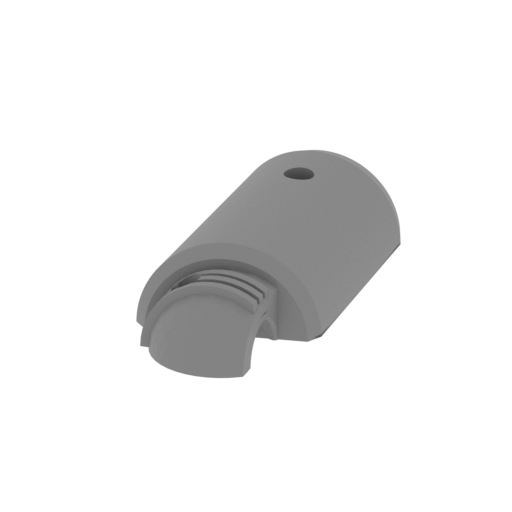 | 46_Upper leg2_R (repaired).stl 25 x 53 x 13 mm | 0.98 x 2.09 x 0.51 in | Size: 25 x 53 x 13 mm | 0.98 x 2.09 x 0.51 in | File size: 1.17 mb | Printing Time / Filament: 18 min / 2 m Slicer: prusa v2.9.2 Printer: prusa_xl Non default settings Layer height: 0.2 Fill density: 20% Support material: 1 Support material buildplate only: 1 | ||
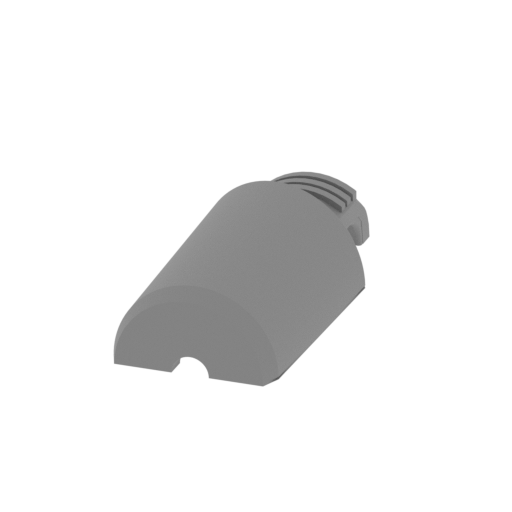 | 45_Upper leg1_R (repaired).stl 25 x 53 x 13 mm | 0.98 x 2.09 x 0.51 in | Size: 25 x 53 x 13 mm | 0.98 x 2.09 x 0.51 in | File size: 1.11 mb | Printing Time / Filament: 18 min / 2 m Slicer: prusa v2.9.2 Printer: prusa_xl Non default settings Layer height: 0.2 Fill density: 20% Support material: 1 Support material buildplate only: 1 | ||
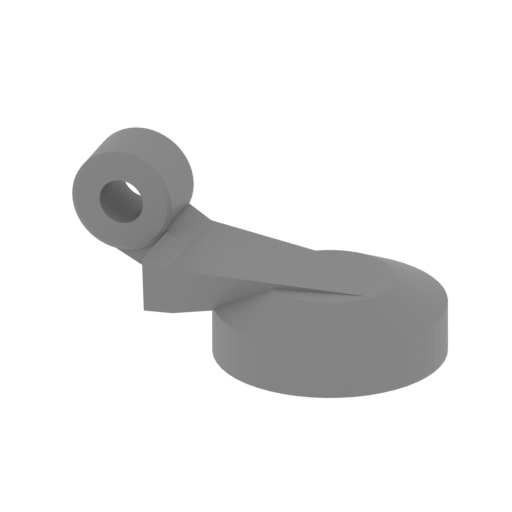 | 44_hp3 (repaired).stl 15 x 9 x 7 mm | 0.59 x 0.35 x 0.28 in | Size: 15 x 9 x 7 mm | 0.59 x 0.35 x 0.28 in | File size: 0.08 mb | Printing Time / Filament: 3 min / <1 m Slicer: prusa v2.9.2 Printer: prusa_xl Non default settings Layer height: 0.2 Fill density: 20% Support material: 1 Support material buildplate only: 1 | ||
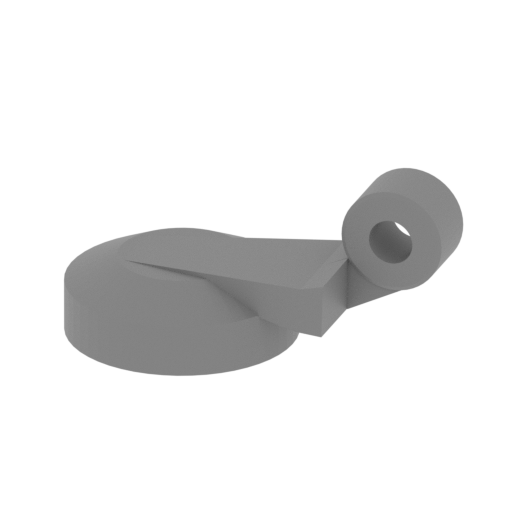 | 43_hp2 (repaired).stl 15 x 9 x 7 mm | 0.59 x 0.35 x 0.28 in | Size: 15 x 9 x 7 mm | 0.59 x 0.35 x 0.28 in | File size: 0.08 mb | Printing Time / Filament: 3 min / <1 m Slicer: prusa v2.9.2 Printer: prusa_xl Non default settings Layer height: 0.2 Fill density: 20% Support material: 1 Support material buildplate only: 1 | ||
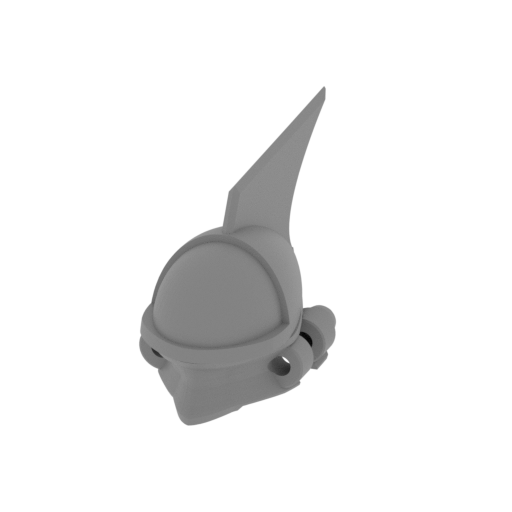 | 42_hp1 (repaired).stl 14 x 32 x 17 mm | 0.55 x 1.26 x 0.67 in | Size: 14 x 32 x 17 mm | 0.55 x 1.26 x 0.67 in | File size: 1.19 mb | Printing Time / Filament: 14 min / 1 m Slicer: prusa v2.9.2 Printer: prusa_xl Non default settings Layer height: 0.2 Fill density: 20% Support material: 1 Support material buildplate only: 1 | ||
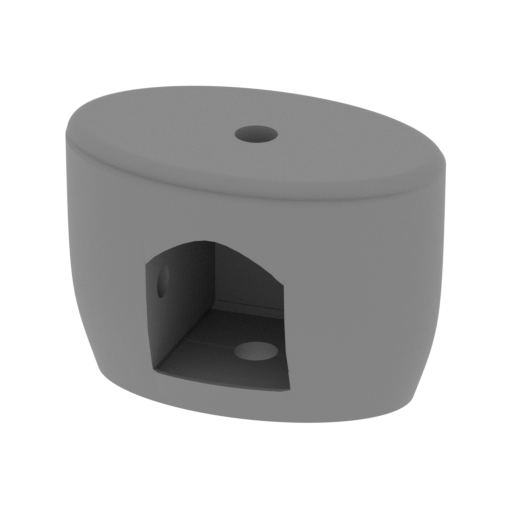 | 41_Torso5 (repaired).stl 45 x 30 x 30 mm | 1.77 x 1.18 x 1.18 in | Size: 45 x 30 x 30 mm | 1.77 x 1.18 x 1.18 in | File size: 1.05 mb | Printing Time / Filament: 34 min / 4 m Slicer: prusa v2.9.2 Printer: prusa_xl Non default settings Layer height: 0.2 Fill density: 20% Support material: 1 Support material buildplate only: 1 | ||
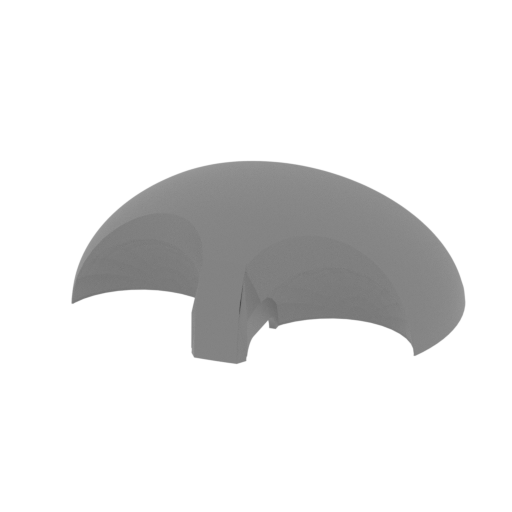 | 40_Torso4 (repaired).stl 52 x 31 x 17 mm | 2.05 x 1.22 x 0.67 in | Size: 52 x 31 x 17 mm | 2.05 x 1.22 x 0.67 in | File size: 1.64 mb | Printing Time / Filament: 25 min / 2 m Slicer: prusa v2.9.2 Printer: prusa_xl Non default settings Layer height: 0.2 Fill density: 20% Support material: 1 Support material buildplate only: 1 | ||
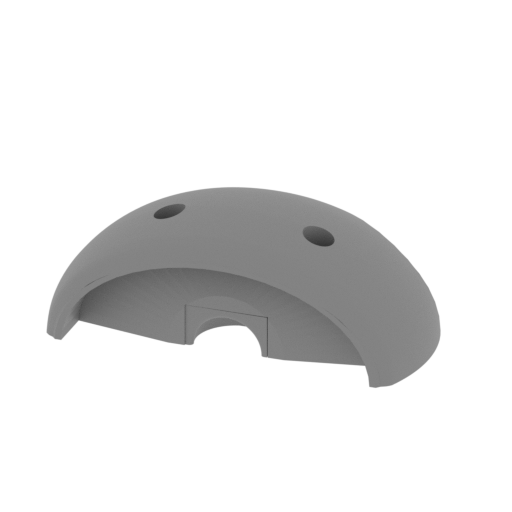 | 39_Torso3 (repaired).stl 52 x 31 x 18 mm | 2.05 x 1.22 x 0.71 in | Size: 52 x 31 x 18 mm | 2.05 x 1.22 x 0.71 in | File size: 1.48 mb | Printing Time / Filament: 30 min / 3 m Slicer: prusa v2.9.2 Printer: prusa_xl Non default settings Layer height: 0.2 Fill density: 20% Support material: 1 Support material buildplate only: 1 | ||
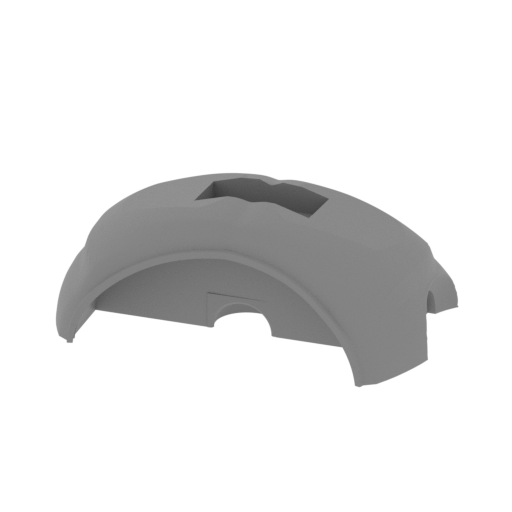 | 38_Torso2 (repaired).stl 62 x 39 x 21 mm | 2.44 x 1.54 x 0.83 in | Size: 62 x 39 x 21 mm | 2.44 x 1.54 x 0.83 in | File size: 4.36 mb | Printing Time / Filament: 43 min / 5 m Slicer: prusa v2.9.2 Printer: prusa_xl Non default settings Layer height: 0.2 Fill density: 20% Support material: 1 Support material buildplate only: 1 | ||
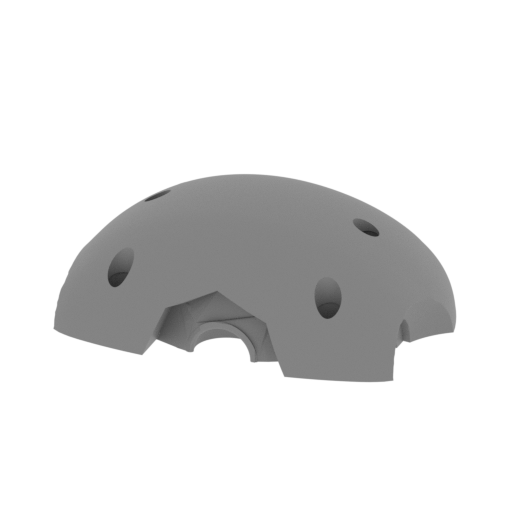 | 37_Torso1 (repaired).stl 62 x 39 x 22 mm | 2.44 x 1.54 x 0.87 in | Size: 62 x 39 x 22 mm | 2.44 x 1.54 x 0.87 in | File size: 6.48 mb | Printing Time / Filament: 44 min / 5 m Slicer: prusa v2.9.2 Printer: prusa_xl Non default settings Layer height: 0.2 Fill density: 20% Support material: 1 Support material buildplate only: 1 | ||
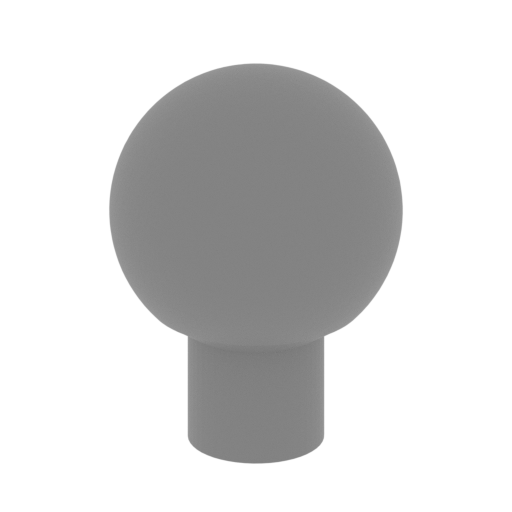 | 36_Torso_joints_x2 (repaired).stl 11 x 11 x 14 mm | 0.43 x 0.43 x 0.55 in | Size: 11 x 11 x 14 mm | 0.43 x 0.43 x 0.55 in | File size: 0.71 mb | Printing Time / Filament: 8 min / <1 m Slicer: prusa v2.9.2 Printer: prusa_xl Non default settings Layer height: 0.2 Fill density: 20% Support material: 1 Support material buildplate only: 1 | ||
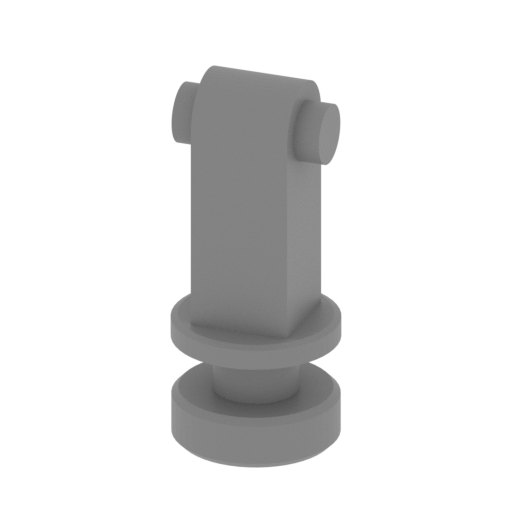 | 35_Shoulder_joint_x2 (repaired).stl 11 x 11 x 24 mm | 0.43 x 0.43 x 0.94 in | Size: 11 x 11 x 24 mm | 0.43 x 0.43 x 0.94 in | File size: 0.17 mb | Printing Time / Filament: 11 min / <1 m Slicer: prusa v2.9.2 Printer: prusa_xl Non default settings Layer height: 0.2 Fill density: 20% Support material: 1 Support material buildplate only: 1 | ||
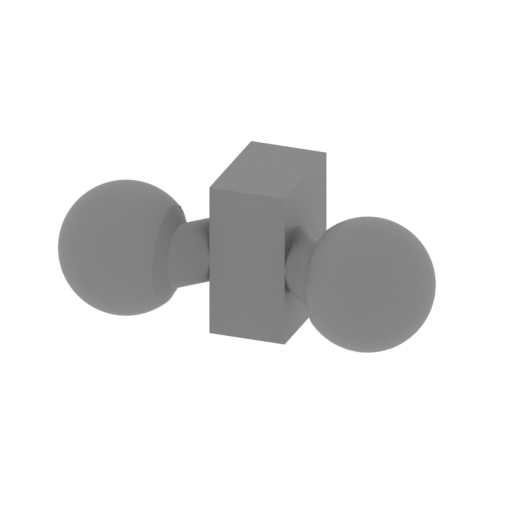 | 34_Hip_joint (repaired).stl 29 x 14 x 12 mm | 1.14 x 0.55 x 0.47 in | Size: 29 x 14 x 12 mm | 1.14 x 0.55 x 0.47 in | File size: 1.47 mb | Printing Time / Filament: 11 min / <1 m Slicer: prusa v2.9.2 Printer: prusa_xl Non default settings Layer height: 0.2 Fill density: 20% Support material: 1 Support material buildplate only: 1 | ||
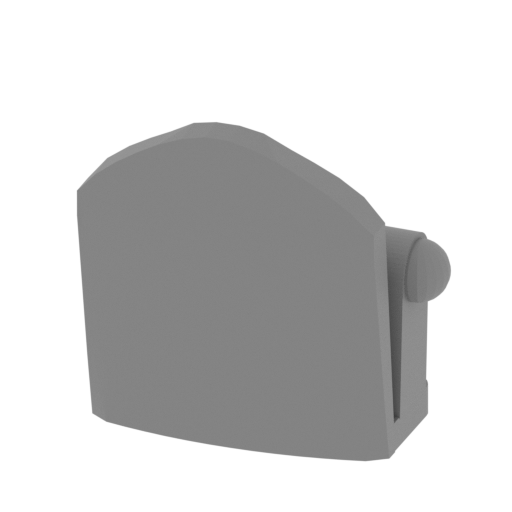 | 33_missile door (repaired).stl 20 x 12 x 19 mm | 0.79 x 0.47 x 0.75 in | Size: 20 x 12 x 19 mm | 0.79 x 0.47 x 0.75 in | File size: 0.24 mb | Printing Time / Filament: 13 min / <1 m Slicer: prusa v2.9.2 Printer: prusa_xl Non default settings Layer height: 0.2 Fill density: 20% Support material: 1 Support material buildplate only: 1 | ||
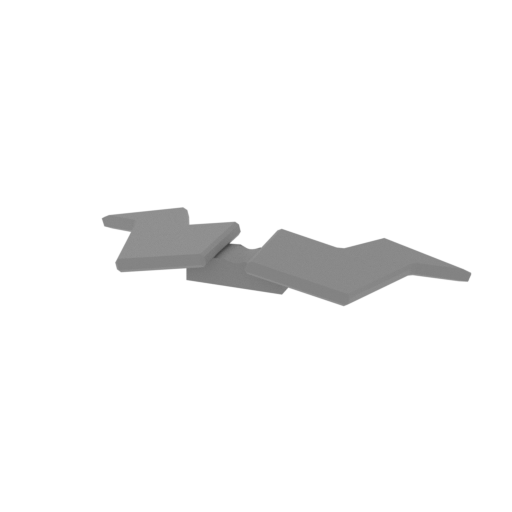 | 32_boomerang (repaired).stl 74 x 34 x 13 mm | 2.91 x 1.34 x 0.51 in | Size: 74 x 34 x 13 mm | 2.91 x 1.34 x 0.51 in | File size: 0.08 mb | Printing Time / Filament: 24 min / 2 m Slicer: prusa v2.9.2 Printer: prusa_xl Non default settings Layer height: 0.2 Fill density: 20% Support material: 1 Support material buildplate only: 1 | ||
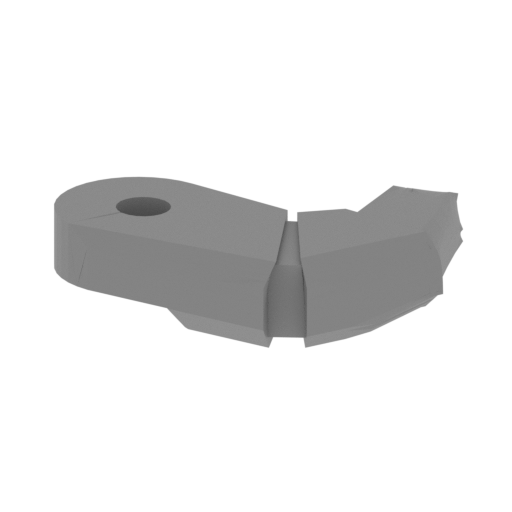 | 31_Hand6_L (repaired).stl 15 x 10 x 4 mm | 0.59 x 0.39 x 0.16 in | Size: 15 x 10 x 4 mm | 0.59 x 0.39 x 0.16 in | File size: 0.43 mb | Printing Time / Filament: 4 min / <1 m Slicer: prusa v2.9.2 Printer: prusa_xl Non default settings Layer height: 0.2 Fill density: 20% Support material: 1 Support material buildplate only: 1 | ||
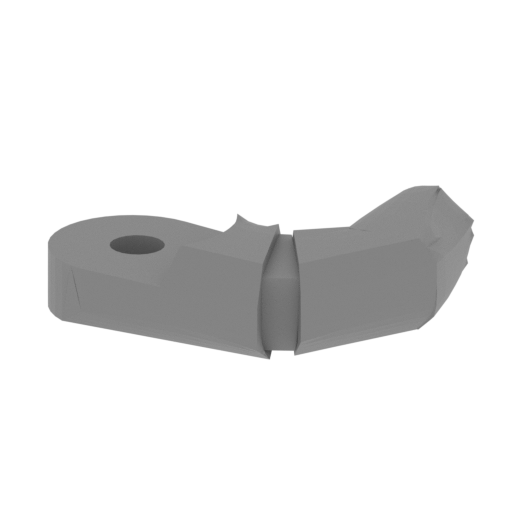 | 30_Hand5_L (repaired).stl 15 x 12 x 4 mm | 0.59 x 0.47 x 0.16 in | Size: 15 x 12 x 4 mm | 0.59 x 0.47 x 0.16 in | File size: 0.42 mb | Printing Time / Filament: 3 min / <1 m Slicer: prusa v2.9.2 Printer: prusa_xl Non default settings Layer height: 0.2 Fill density: 20% Support material: 1 Support material buildplate only: 1 | ||
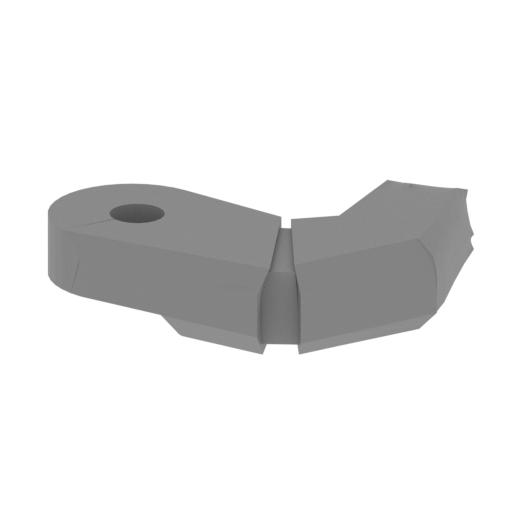 | 29_Hand4_L (repaired).stl 15 x 12 x 4 mm | 0.59 x 0.47 x 0.16 in | Size: 15 x 12 x 4 mm | 0.59 x 0.47 x 0.16 in | File size: 0.41 mb | Printing Time / Filament: 4 min / <1 m Slicer: prusa v2.9.2 Printer: prusa_xl Non default settings Layer height: 0.2 Fill density: 20% Support material: 1 Support material buildplate only: 1 | ||
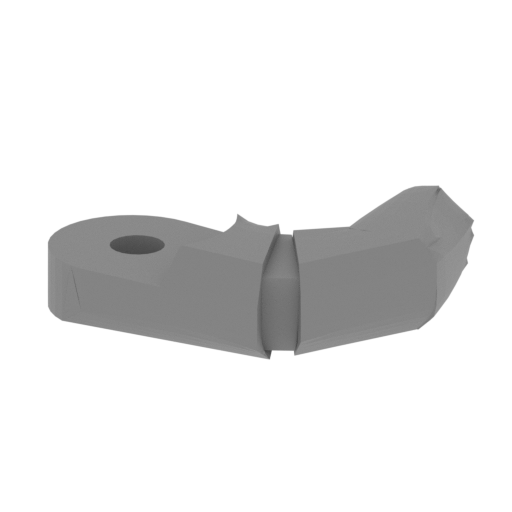 | 28_Hand3_L (repaired).stl 15 x 12 x 4 mm | 0.59 x 0.47 x 0.16 in | Size: 15 x 12 x 4 mm | 0.59 x 0.47 x 0.16 in | File size: 0.42 mb | Printing Time / Filament: 3 min / <1 m Slicer: prusa v2.9.2 Printer: prusa_xl Non default settings Layer height: 0.2 Fill density: 20% Support material: 1 Support material buildplate only: 1 | ||
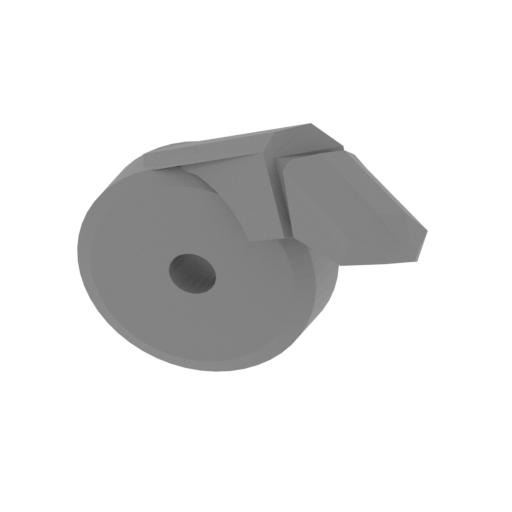 | 27_Hand2_L (repaired).stl 17 x 8 x 13 mm | 0.67 x 0.31 x 0.51 in | Size: 17 x 8 x 13 mm | 0.67 x 0.31 x 0.51 in | File size: 0.06 mb | Printing Time / Filament: 7 min / <1 m Slicer: prusa v2.9.2 Printer: prusa_xl Non default settings Layer height: 0.2 Fill density: 20% Support material: 1 Support material buildplate only: 1 | ||
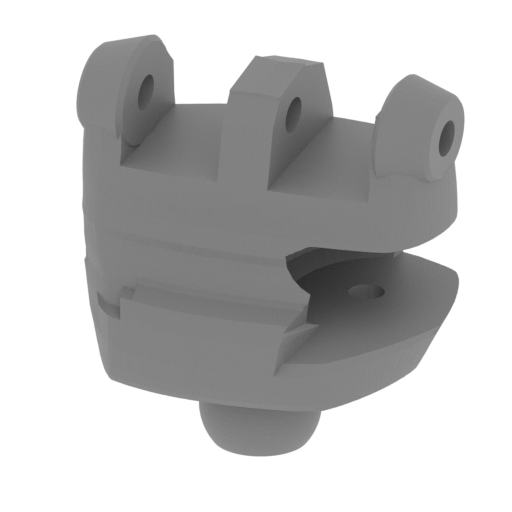 | 26_Hand1_L (repaired).stl 20 x 17 x 19 mm | 0.79 x 0.67 x 0.75 in | Size: 20 x 17 x 19 mm | 0.79 x 0.67 x 0.75 in | File size: 1.44 mb | Printing Time / Filament: 16 min / 1 m Slicer: prusa v2.9.2 Printer: prusa_xl Non default settings Layer height: 0.2 Fill density: 20% Support material: 1 Support material buildplate only: 1 | ||
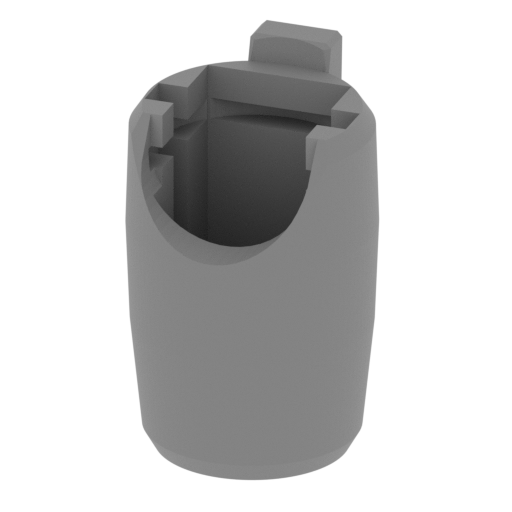 | 25_Arm_L (repaired).stl 26 x 28 x 41 mm | 1.02 x 1.1 x 1.61 in | Size: 26 x 28 x 41 mm | 1.02 x 1.1 x 1.61 in | File size: 0.76 mb | Printing Time / Filament: 41 min / 3 m Slicer: prusa v2.9.2 Printer: prusa_xl Non default settings Layer height: 0.2 Fill density: 20% Support material: 1 Support material buildplate only: 1 | ||
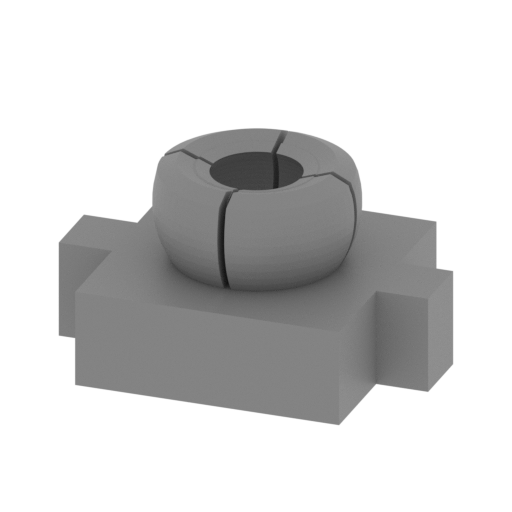 | 24_Upper arm5_L (repaired).stl 22 x 16 x 11 mm | 0.87 x 0.63 x 0.43 in | Size: 22 x 16 x 11 mm | 0.87 x 0.63 x 0.43 in | File size: 1.02 mb | Printing Time / Filament: 11 min / 1 m Slicer: prusa v2.9.2 Printer: prusa_xl Non default settings Layer height: 0.2 Fill density: 20% Support material: 1 Support material buildplate only: 1 | ||
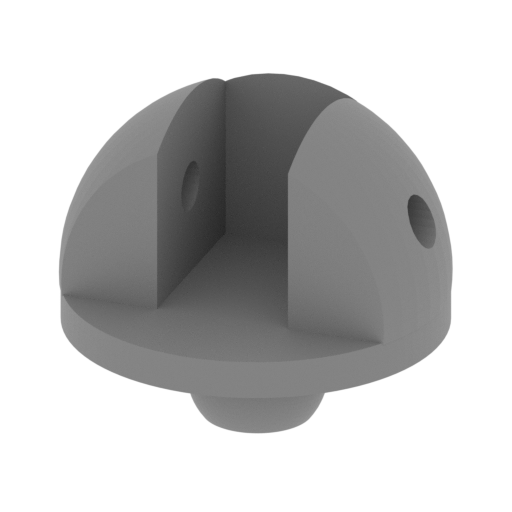 | 23_Upper arm4_L (repaired).stl 16 x 16 x 14 mm | 0.63 x 0.63 x 0.55 in | Size: 16 x 16 x 14 mm | 0.63 x 0.63 x 0.55 in | File size: 0.47 mb | Printing Time / Filament: 11 min / <1 m Slicer: prusa v2.9.2 Printer: prusa_xl Non default settings Layer height: 0.2 Fill density: 20% Support material: 1 Support material buildplate only: 1 | ||
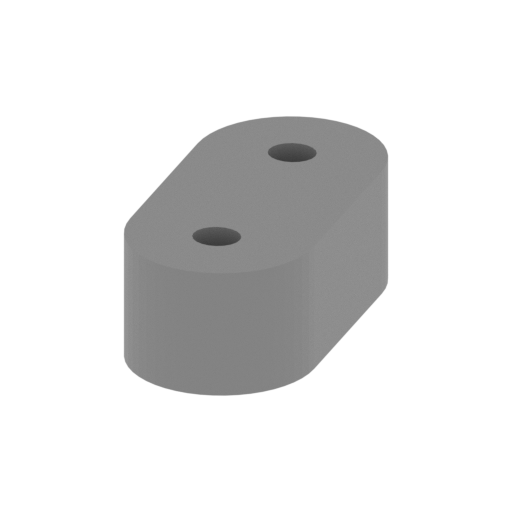 | 22_Upper arm3_L (repaired).stl 8 x 17 x 6 mm | 0.31 x 0.67 x 0.24 in | Size: 8 x 17 x 6 mm | 0.31 x 0.67 x 0.24 in | File size: 0.02 mb | Printing Time / Filament: 6 min / <1 m Slicer: prusa v2.9.2 Printer: prusa_xl Non default settings Layer height: 0.2 Fill density: 20% Support material: 1 Support material buildplate only: 1 | ||
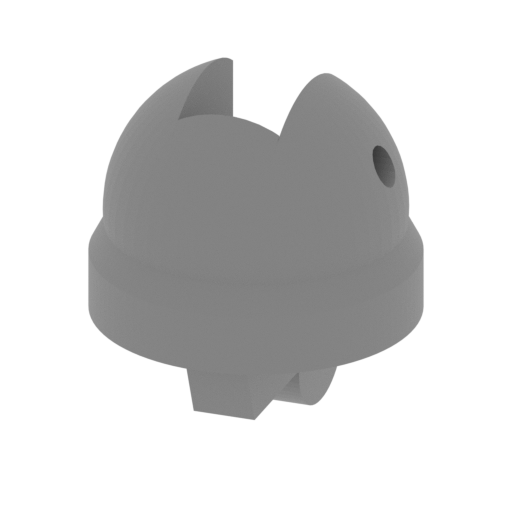 | 21_Upper arm2_L (repaired).stl 18 x 18 x 21 mm | 0.71 x 0.71 x 0.83 in | Size: 18 x 18 x 21 mm | 0.71 x 0.71 x 0.83 in | File size: 0.23 mb | Printing Time / Filament: 17 min / 1 m Slicer: prusa v2.9.2 Printer: prusa_xl Non default settings Layer height: 0.2 Fill density: 20% Support material: 1 Support material buildplate only: 1 | ||
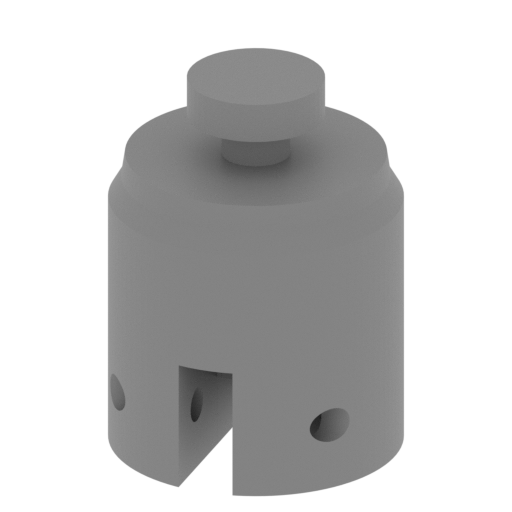 | 20_Upper arm_L (repaired).stl 18 x 18 x 24 mm | 0.71 x 0.71 x 0.94 in | Size: 18 x 18 x 24 mm | 0.71 x 0.71 x 0.94 in | File size: 0.26 mb | Printing Time / Filament: 22 min / 1 m Slicer: prusa v2.9.2 Printer: prusa_xl Non default settings Layer height: 0.2 Fill density: 20% Support material: 1 Support material buildplate only: 1 | ||
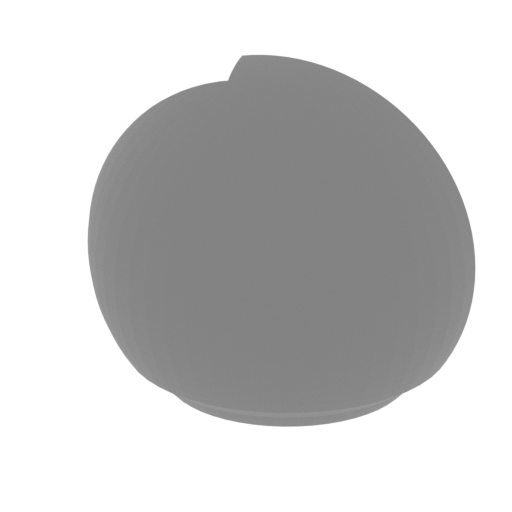 | 19_Shoulder2_L (repaired).stl 26 x 13 x 23 mm | 1.02 x 0.51 x 0.91 in | Size: 26 x 13 x 23 mm | 1.02 x 0.51 x 0.91 in | File size: 0.15 mb | Printing Time / Filament: 20 min / 1 m Slicer: prusa v2.9.2 Printer: prusa_xl Non default settings Layer height: 0.2 Fill density: 20% Support material: 1 Support material buildplate only: 1 | ||
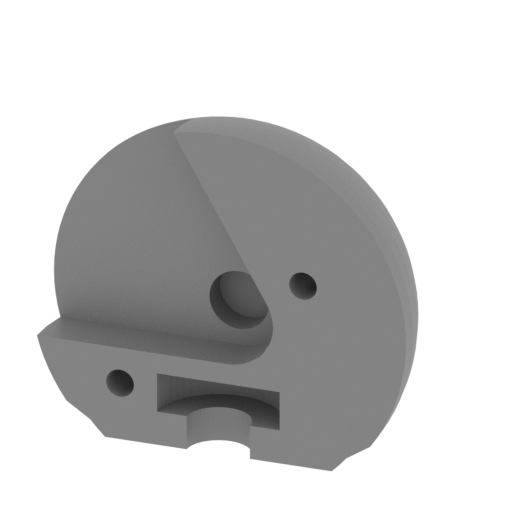 | 18_Shoulder1_L (repaired).stl 26 x 13 x 23 mm | 1.02 x 0.51 x 0.91 in | Size: 26 x 13 x 23 mm | 1.02 x 0.51 x 0.91 in | File size: 0.17 mb | Printing Time / Filament: 20 min / 1 m Slicer: prusa v2.9.2 Printer: prusa_xl Non default settings Layer height: 0.2 Fill density: 20% Support material: 1 Support material buildplate only: 1 | ||
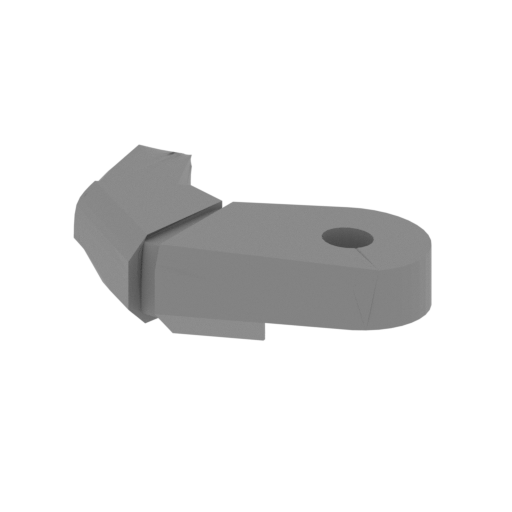 | 17_Hand6_R (repaired).stl 15 x 10 x 4 mm | 0.59 x 0.39 x 0.16 in | Size: 15 x 10 x 4 mm | 0.59 x 0.39 x 0.16 in | File size: 0.43 mb | Printing Time / Filament: 4 min / <1 m Slicer: prusa v2.9.2 Printer: prusa_xl Non default settings Layer height: 0.2 Fill density: 20% Support material: 1 Support material buildplate only: 1 | ||
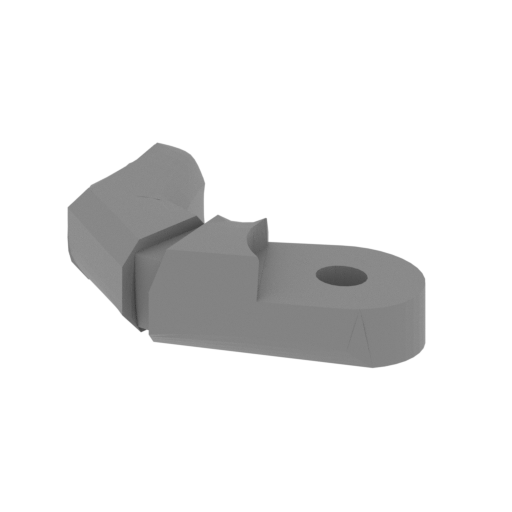 | 16_Hand5_R (repaired).stl 15 x 12 x 4 mm | 0.59 x 0.47 x 0.16 in | Size: 15 x 12 x 4 mm | 0.59 x 0.47 x 0.16 in | File size: 0.42 mb | Printing Time / Filament: 3 min / <1 m Slicer: prusa v2.9.2 Printer: prusa_xl Non default settings Layer height: 0.2 Fill density: 20% Support material: 1 Support material buildplate only: 1 | ||
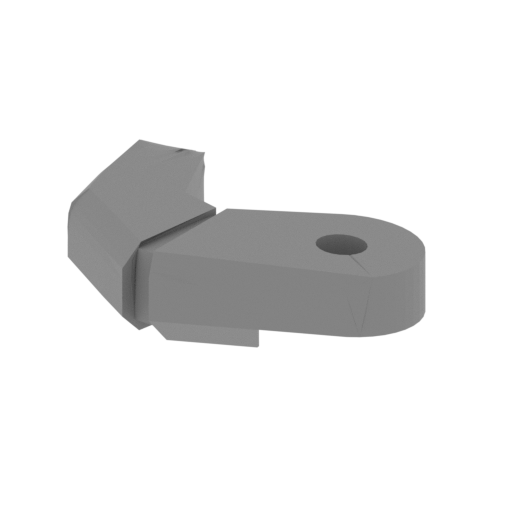 | 15_Hand4_R (repaired).stl 15 x 12 x 4 mm | 0.59 x 0.47 x 0.16 in | Size: 15 x 12 x 4 mm | 0.59 x 0.47 x 0.16 in | File size: 0.41 mb | Printing Time / Filament: 4 min / <1 m Slicer: prusa v2.9.2 Printer: prusa_xl Non default settings Layer height: 0.2 Fill density: 20% Support material: 1 Support material buildplate only: 1 | ||
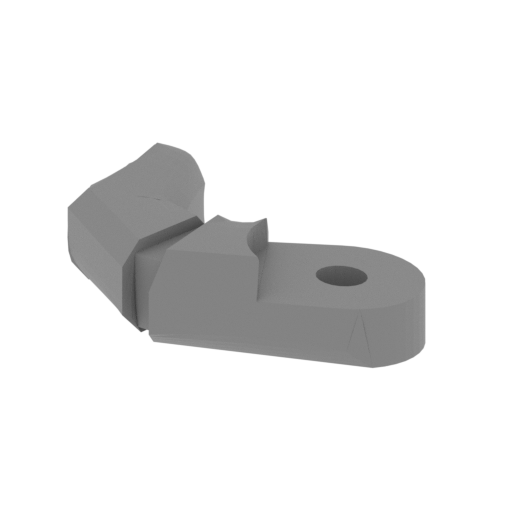 | 14_Hand3_R (repaired).stl 15 x 12 x 4 mm | 0.59 x 0.47 x 0.16 in | Size: 15 x 12 x 4 mm | 0.59 x 0.47 x 0.16 in | File size: 0.42 mb | Printing Time / Filament: 3 min / <1 m Slicer: prusa v2.9.2 Printer: prusa_xl Non default settings Layer height: 0.2 Fill density: 20% Support material: 1 Support material buildplate only: 1 | ||
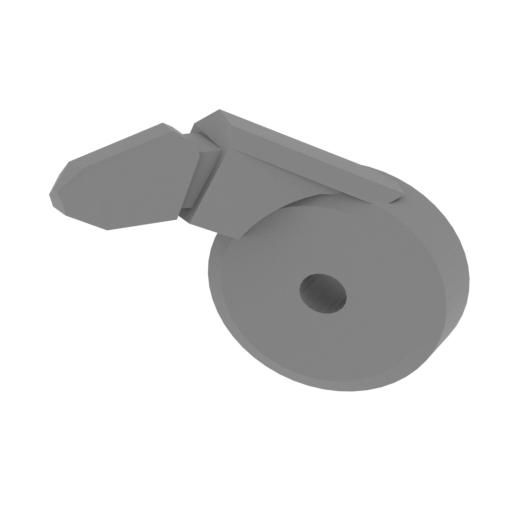 | 13_Hand2_R (repaired).stl 17 x 8 x 13 mm | 0.67 x 0.31 x 0.51 in | Size: 17 x 8 x 13 mm | 0.67 x 0.31 x 0.51 in | File size: 0.06 mb | Printing Time / Filament: 7 min / <1 m Slicer: prusa v2.9.2 Printer: prusa_xl Non default settings Layer height: 0.2 Fill density: 20% Support material: 1 Support material buildplate only: 1 | ||
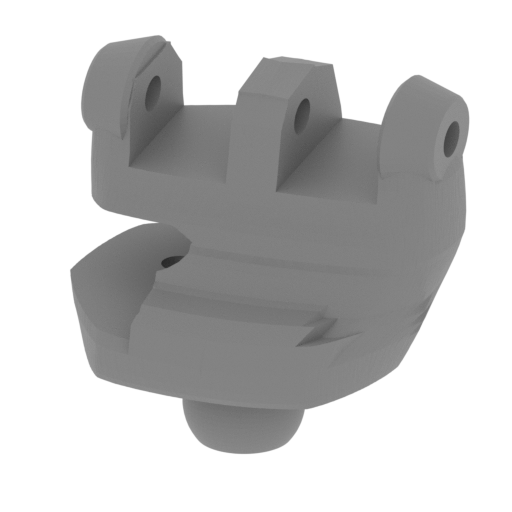 | 12_Hand1_R (repaired).stl 20 x 17 x 19 mm | 0.79 x 0.67 x 0.75 in | Size: 20 x 17 x 19 mm | 0.79 x 0.67 x 0.75 in | File size: 1.45 mb | Printing Time / Filament: 16 min / 1 m Slicer: prusa v2.9.2 Printer: prusa_xl Non default settings Layer height: 0.2 Fill density: 20% Support material: 1 Support material buildplate only: 1 | ||
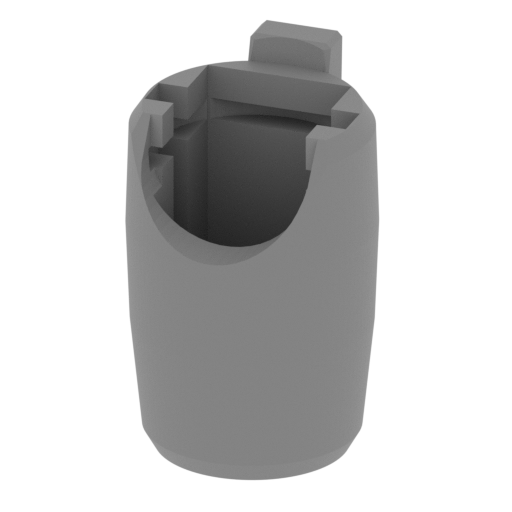 | 11_Arm_R (repaired).stl 26 x 28 x 41 mm | 1.02 x 1.1 x 1.61 in | Size: 26 x 28 x 41 mm | 1.02 x 1.1 x 1.61 in | File size: 0.76 mb | Printing Time / Filament: 41 min / 3 m Slicer: prusa v2.9.2 Printer: prusa_xl Non default settings Layer height: 0.2 Fill density: 20% Support material: 1 Support material buildplate only: 1 | ||
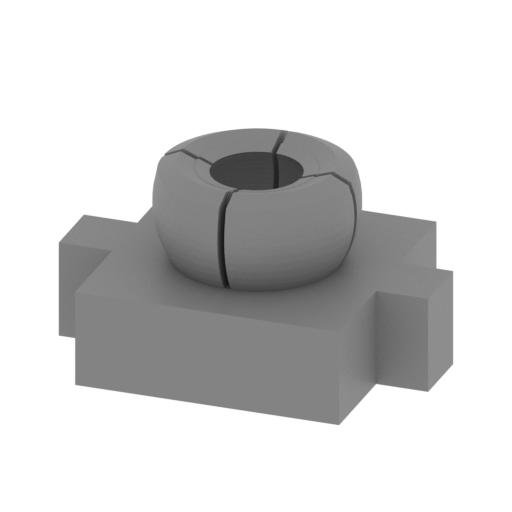 | 10_Upper arm5_R (repaired).stl 22 x 16 x 11 mm | 0.87 x 0.63 x 0.43 in | Size: 22 x 16 x 11 mm | 0.87 x 0.63 x 0.43 in | File size: 1.02 mb | Printing Time / Filament: 11 min / 1 m Slicer: prusa v2.9.2 Printer: prusa_xl Non default settings Layer height: 0.2 Fill density: 20% Support material: 1 Support material buildplate only: 1 | ||
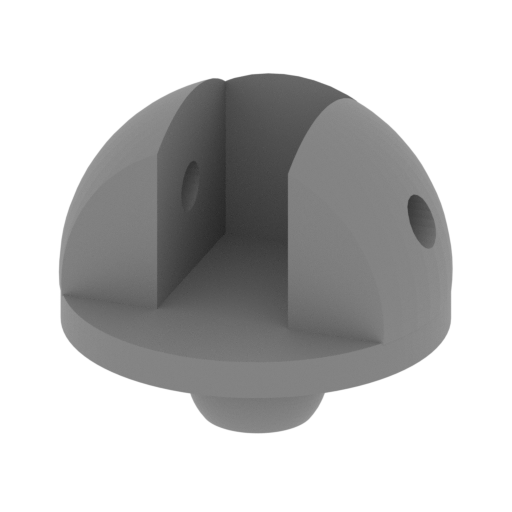 | 9_Upper arm4_R (repaired).stl 16 x 16 x 14 mm | 0.63 x 0.63 x 0.55 in | Size: 16 x 16 x 14 mm | 0.63 x 0.63 x 0.55 in | File size: 0.47 mb | Printing Time / Filament: 11 min / <1 m Slicer: prusa v2.9.2 Printer: prusa_xl Non default settings Layer height: 0.2 Fill density: 20% Support material: 1 Support material buildplate only: 1 | ||
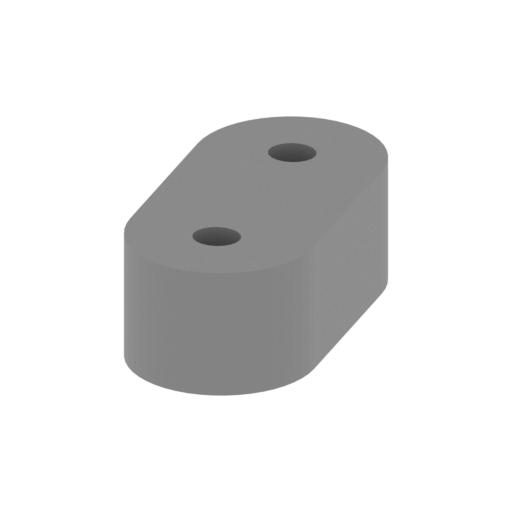 | 8_Upper arm3_R (repaired).stl 8 x 17 x 6 mm | 0.31 x 0.67 x 0.24 in | Size: 8 x 17 x 6 mm | 0.31 x 0.67 x 0.24 in | File size: 0.02 mb | Printing Time / Filament: 6 min / <1 m Slicer: prusa v2.9.2 Printer: prusa_xl Non default settings Layer height: 0.2 Fill density: 20% Support material: 1 Support material buildplate only: 1 | ||
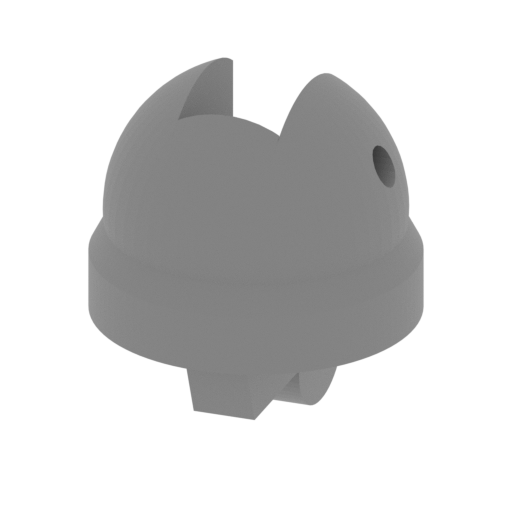 | 7_Upper arm2_R (repaired).stl 18 x 18 x 21 mm | 0.71 x 0.71 x 0.83 in | Size: 18 x 18 x 21 mm | 0.71 x 0.71 x 0.83 in | File size: 0.23 mb | Printing Time / Filament: 17 min / 1 m Slicer: prusa v2.9.2 Printer: prusa_xl Non default settings Layer height: 0.2 Fill density: 20% Support material: 1 Support material buildplate only: 1 | ||
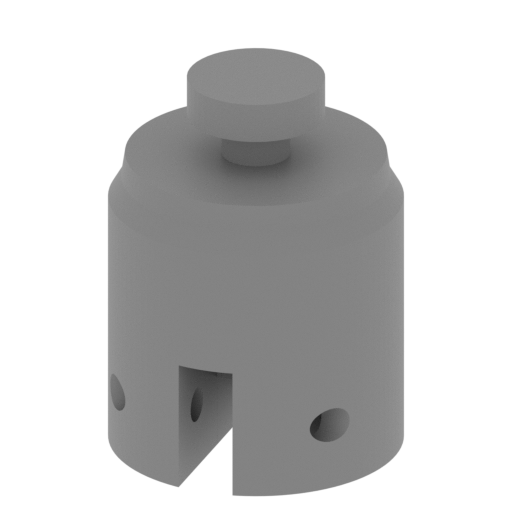 | 6_Upper arm_R (repaired).stl 18 x 18 x 24 mm | 0.71 x 0.71 x 0.94 in | Size: 18 x 18 x 24 mm | 0.71 x 0.71 x 0.94 in | File size: 0.26 mb | Printing Time / Filament: 22 min / 1 m Slicer: prusa v2.9.2 Printer: prusa_xl Non default settings Layer height: 0.2 Fill density: 20% Support material: 1 Support material buildplate only: 1 | ||
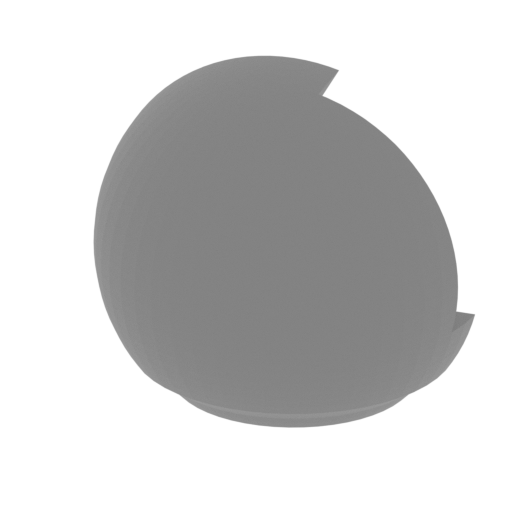 | 5_Shoulder2_R (repaired).stl 26 x 13 x 23 mm | 1.02 x 0.51 x 0.91 in | Size: 26 x 13 x 23 mm | 1.02 x 0.51 x 0.91 in | File size: 0.15 mb | Printing Time / Filament: 20 min / 1 m Slicer: prusa v2.9.2 Printer: prusa_xl Non default settings Layer height: 0.2 Fill density: 20% Support material: 1 Support material buildplate only: 1 | ||
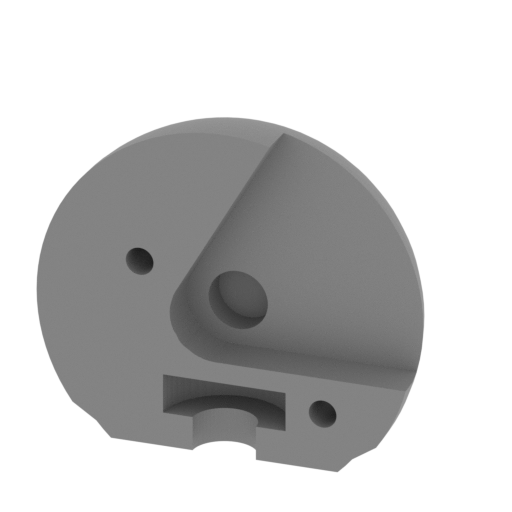 | 4_Shoulder1_R (repaired).stl 26 x 13 x 23 mm | 1.02 x 0.51 x 0.91 in | Size: 26 x 13 x 23 mm | 1.02 x 0.51 x 0.91 in | File size: 0.17 mb | Printing Time / Filament: 20 min / 1 m Slicer: prusa v2.9.2 Printer: prusa_xl Non default settings Layer height: 0.2 Fill density: 20% Support material: 1 Support material buildplate only: 1 | ||
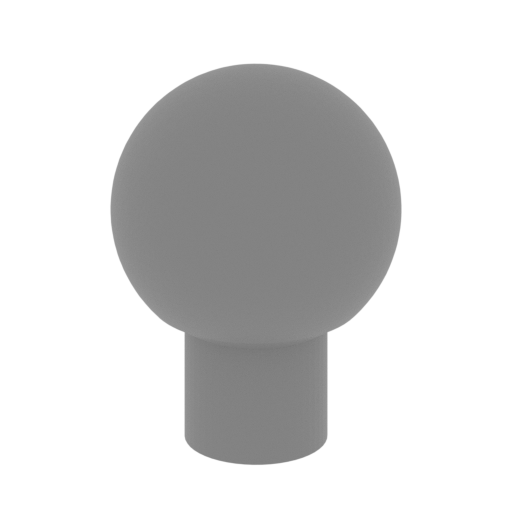 | 3_perno_collo1 (repaired).stl 10 x 10 x 14 mm | 0.39 x 0.39 x 0.55 in | Size: 10 x 10 x 14 mm | 0.39 x 0.39 x 0.55 in | File size: 0.72 mb | Printing Time / Filament: 7 min / <1 m Slicer: prusa v2.9.2 Printer: prusa_xl Non default settings Layer height: 0.2 Fill density: 20% Support material: 1 Support material buildplate only: 1 | ||
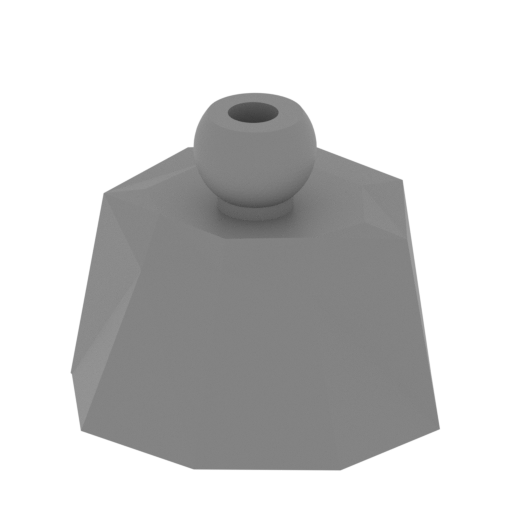 | 2_collo (repaired).stl 19 x 17 x 15 mm | 0.75 x 0.67 x 0.59 in | Size: 19 x 17 x 15 mm | 0.75 x 0.67 x 0.59 in | File size: 0.31 mb | Printing Time / Filament: 11 min / <1 m Slicer: prusa v2.9.2 Printer: prusa_xl Non default settings Layer height: 0.2 Fill density: 20% Support material: 1 Support material buildplate only: 1 | ||
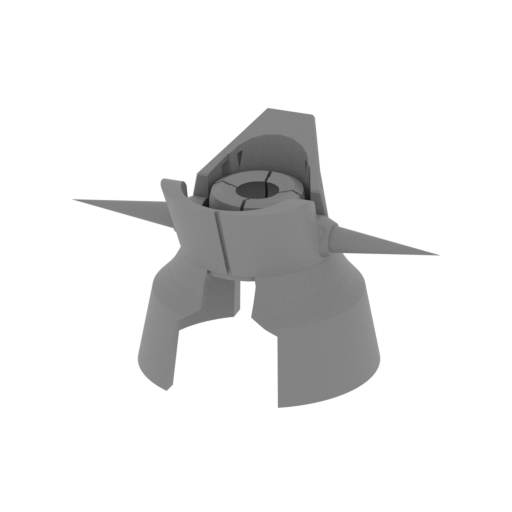 | 1_head (repaired).stl 47 x 27 x 28 mm | 1.85 x 1.06 x 1.1 in | Size: 47 x 27 x 28 mm | 1.85 x 1.06 x 1.1 in | File size: 1.46 mb | Printing Time / Filament: 29 min / 2 m Slicer: prusa v2.9.2 Printer: prusa_xl Non default settings Layer height: 0.2 Fill density: 20% Support material: 1 Support material buildplate only: 1 | ||
ABOUT THIS 3D MODEL
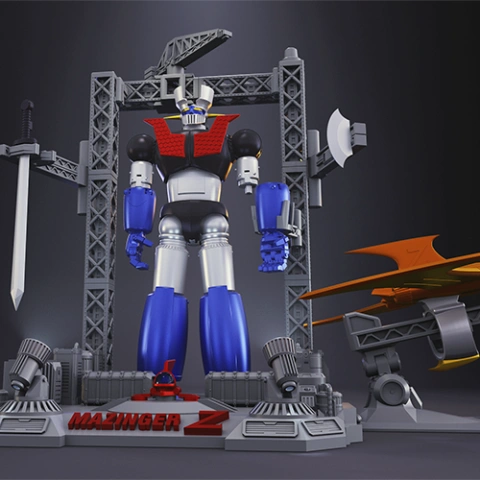
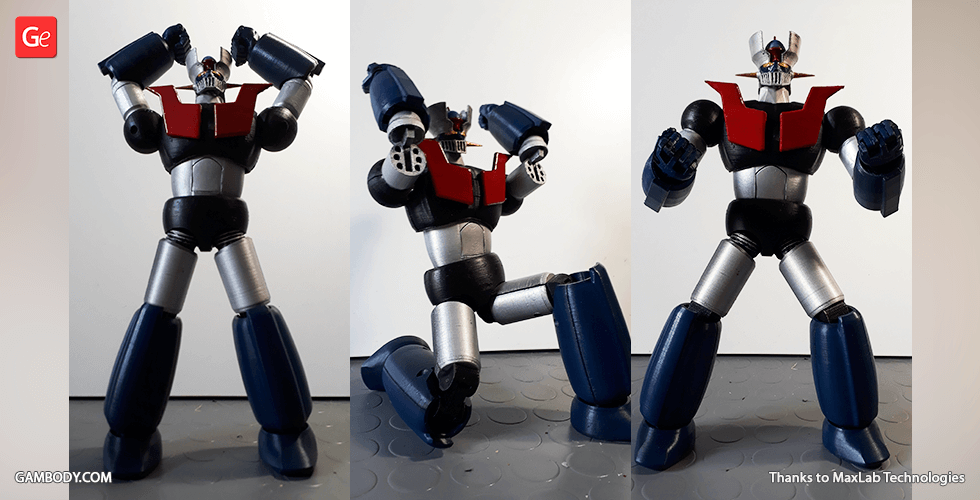
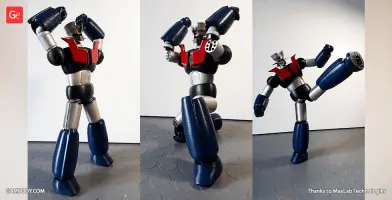
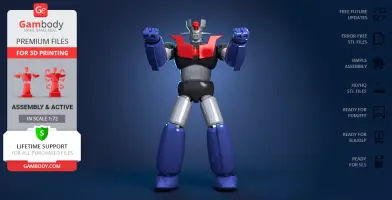
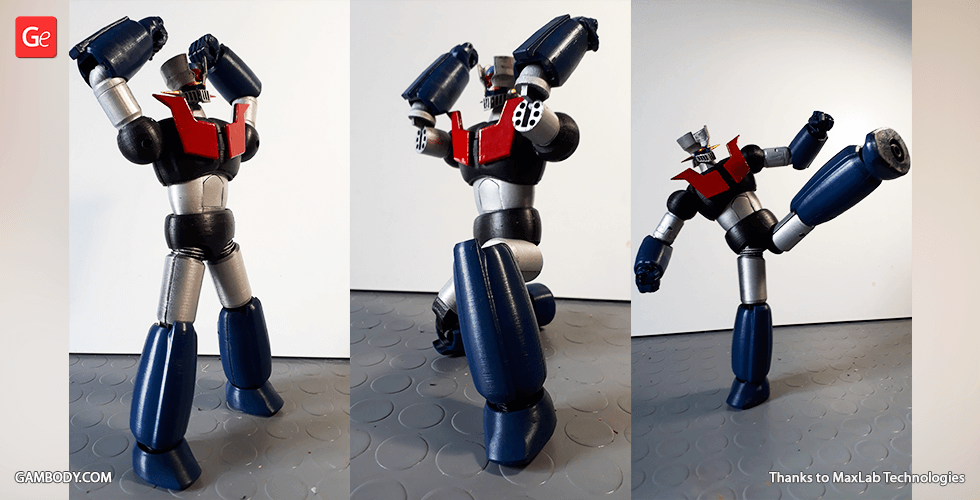
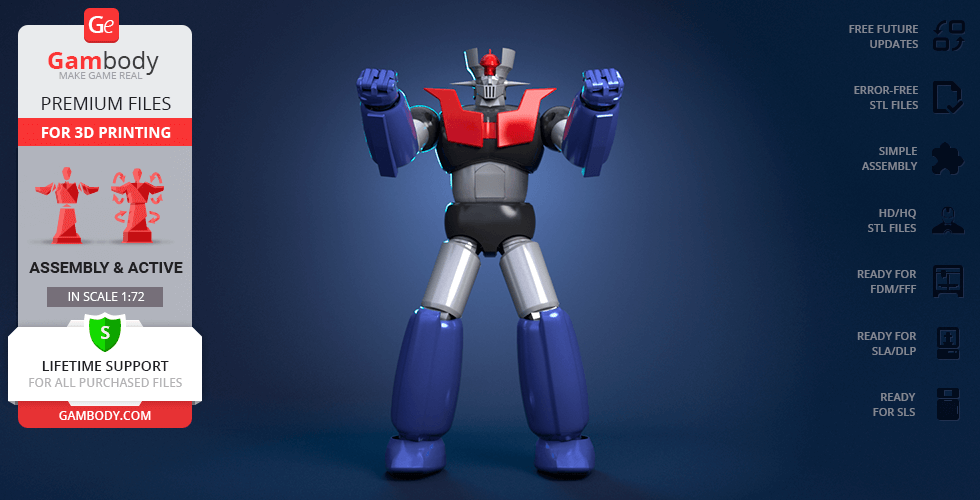
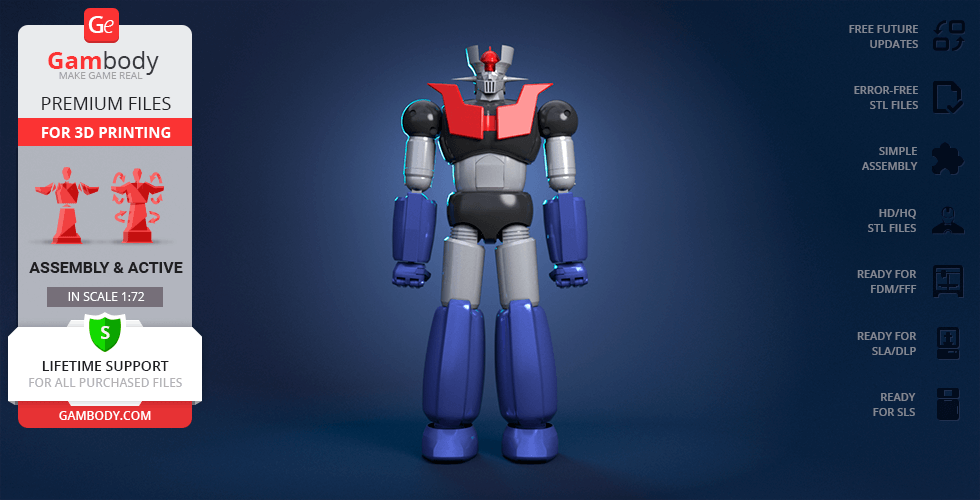
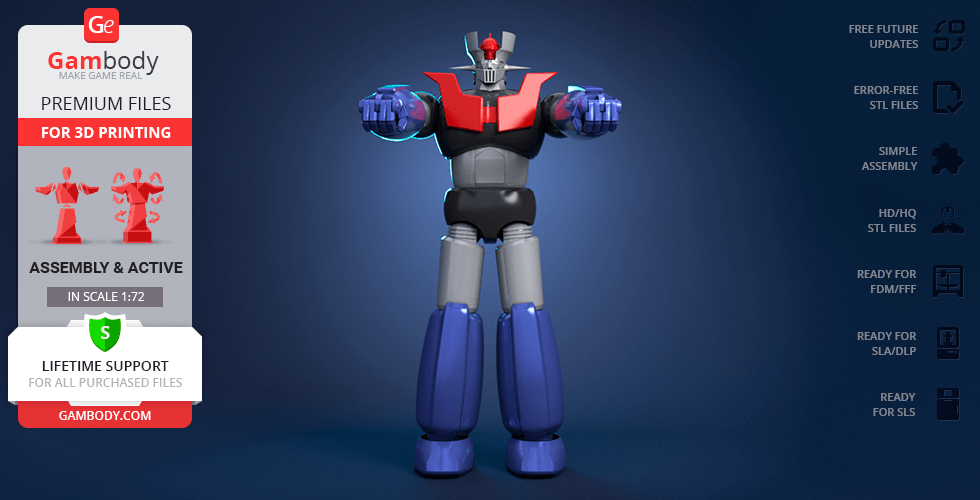
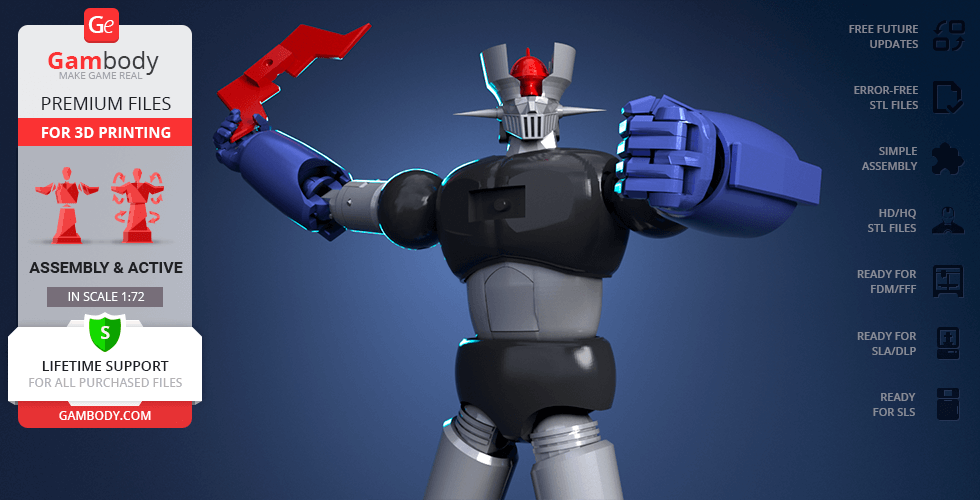
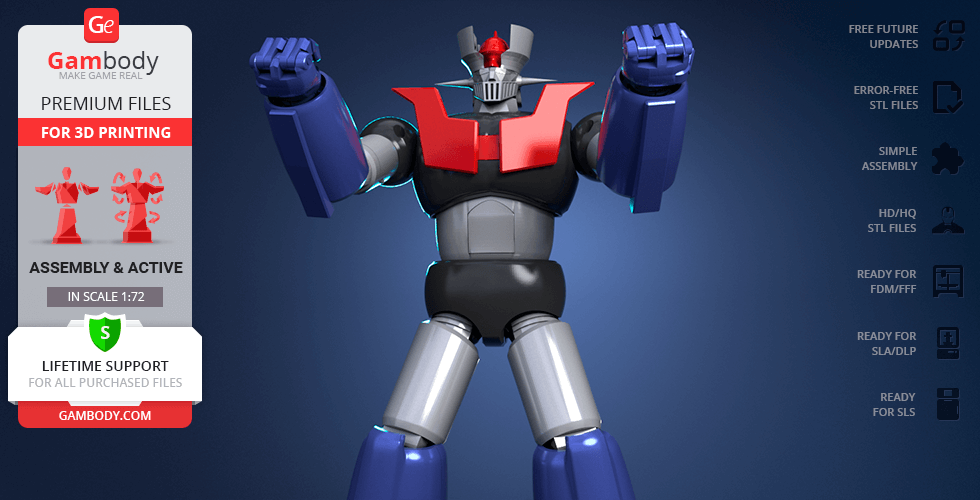
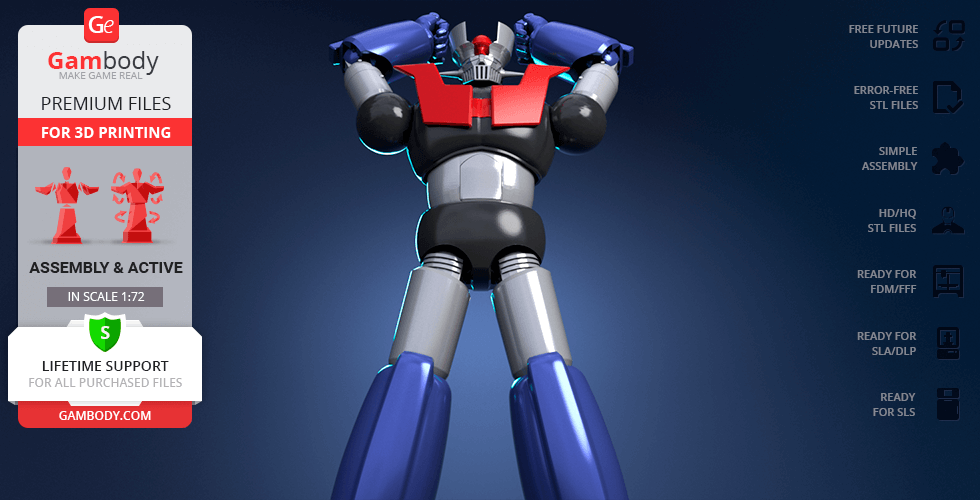
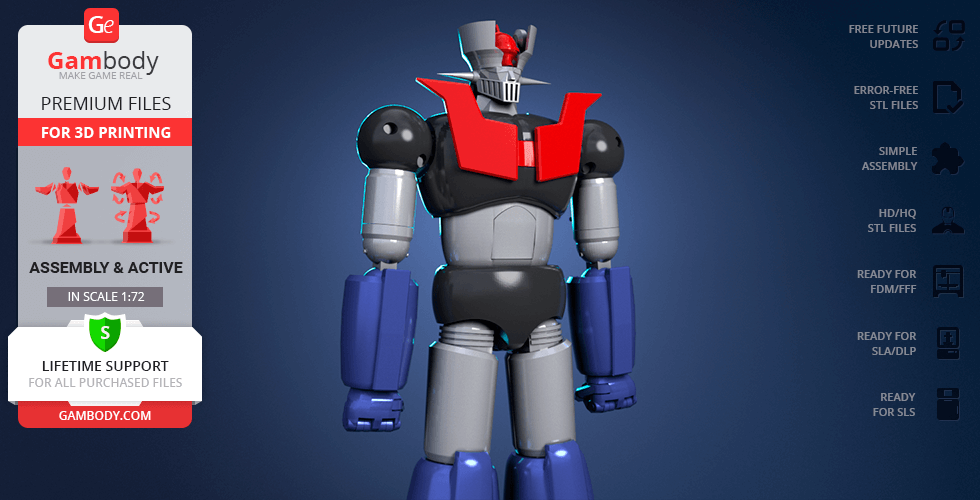
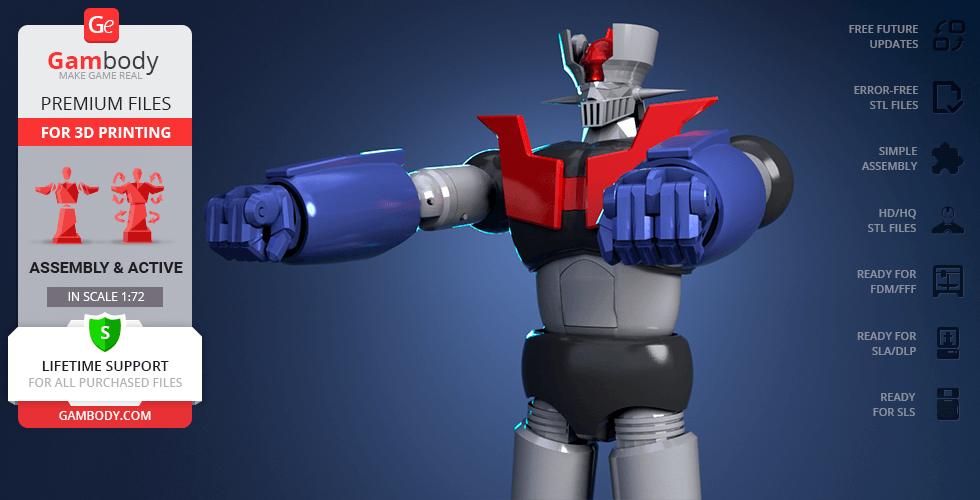
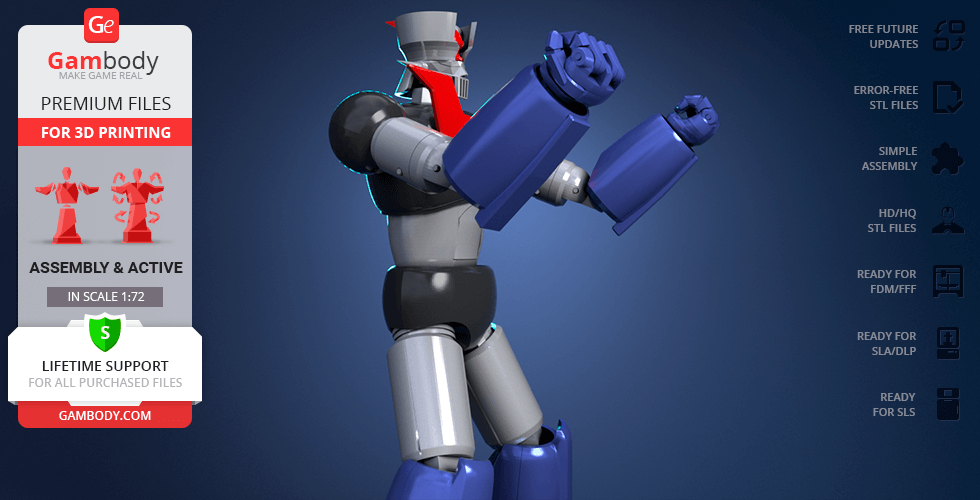
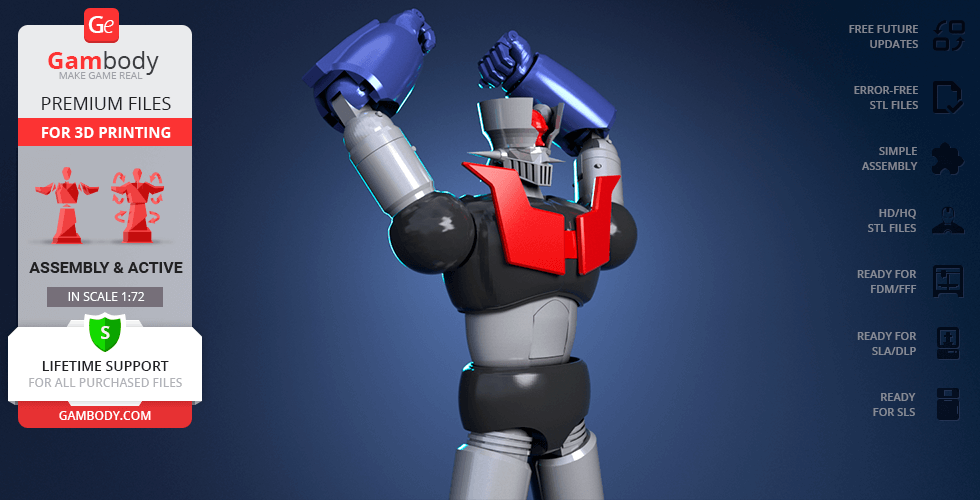
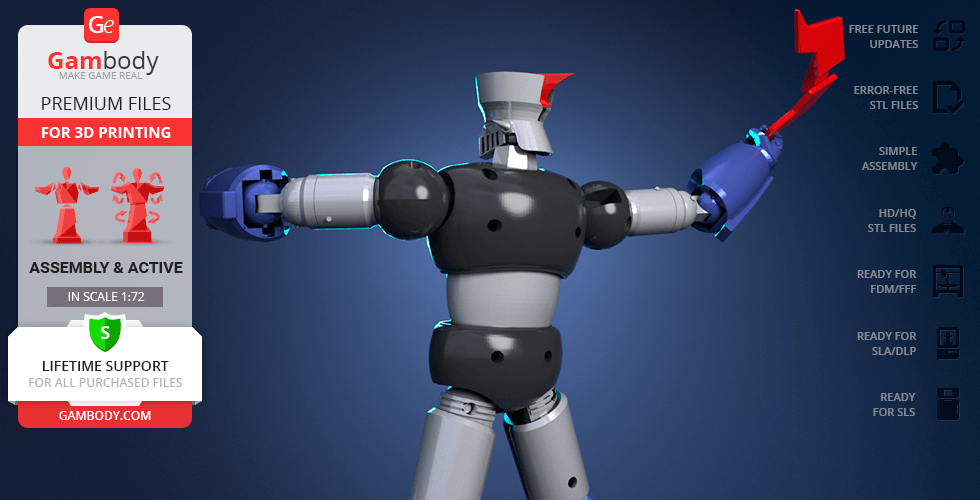
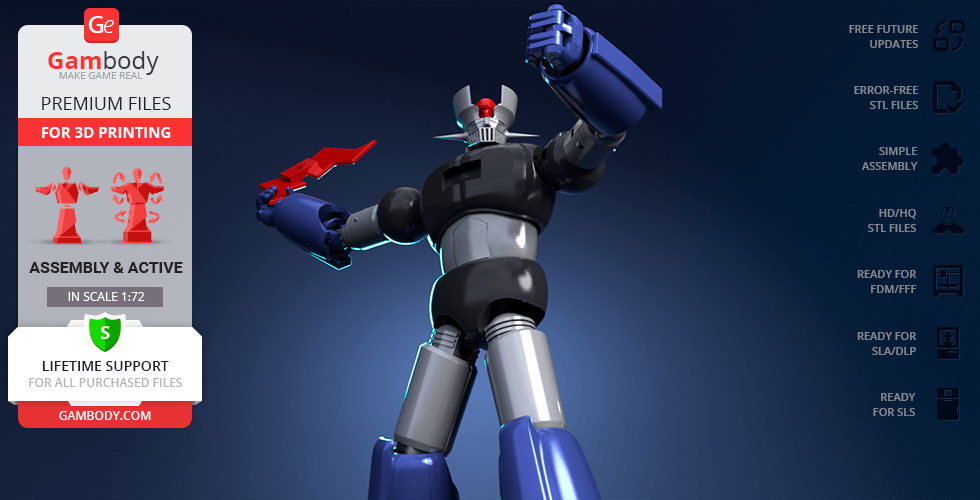
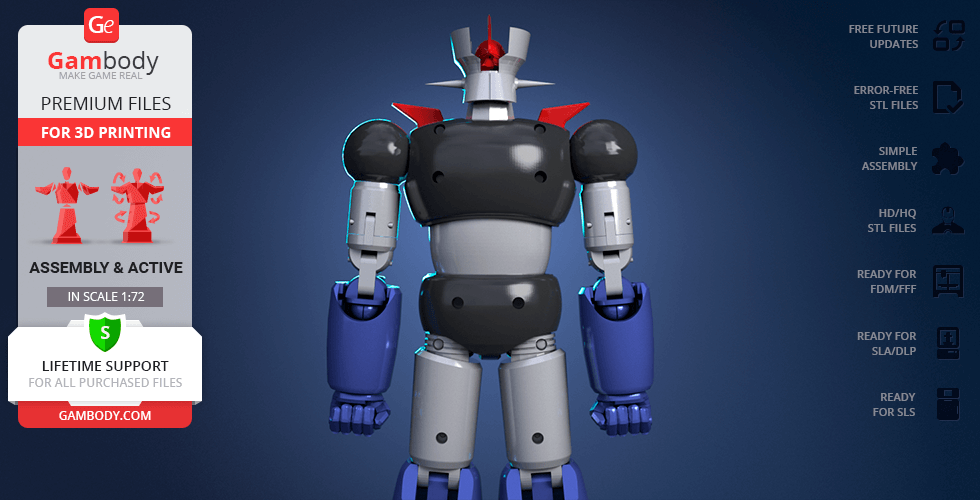
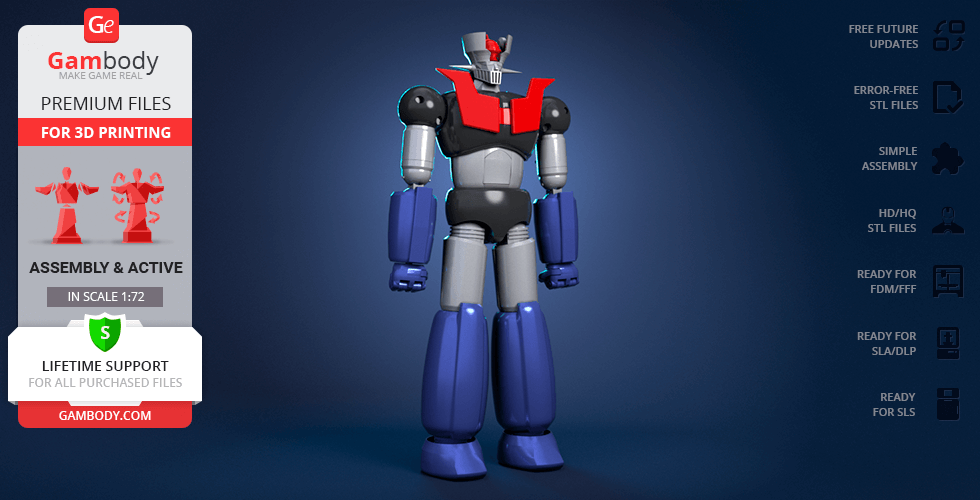
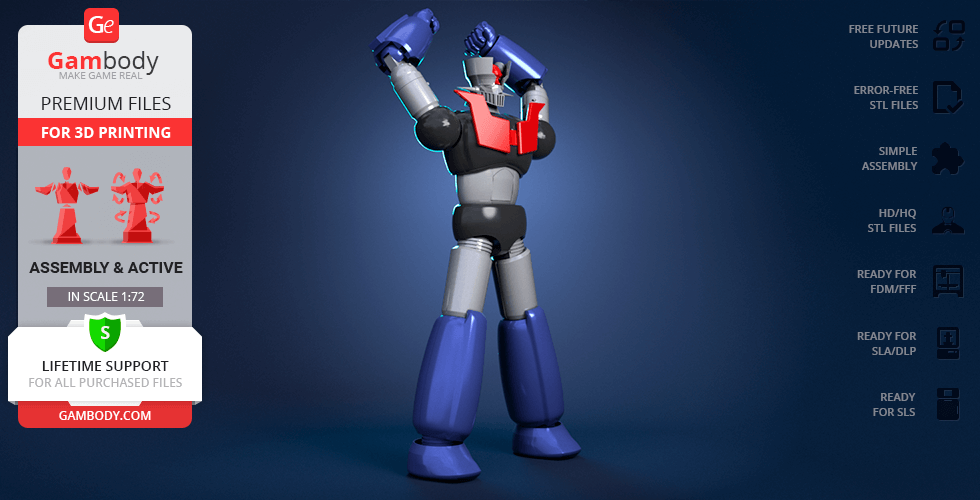
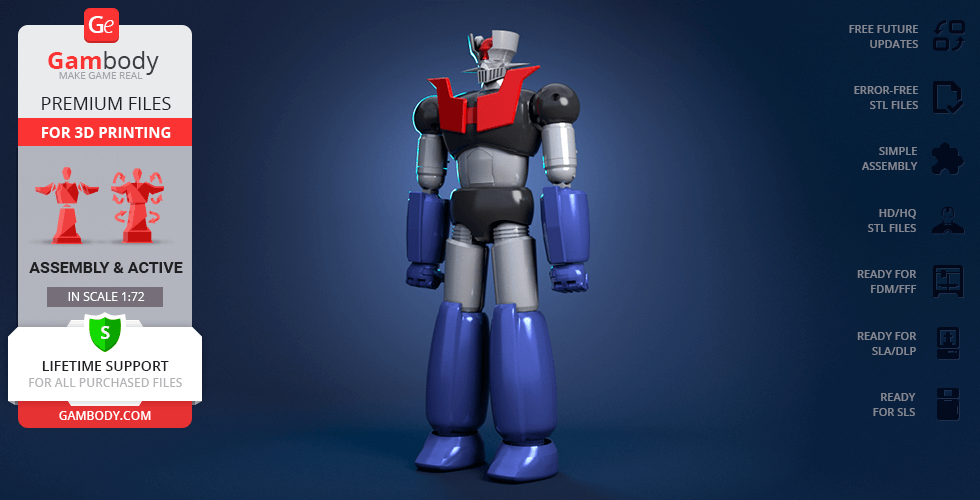
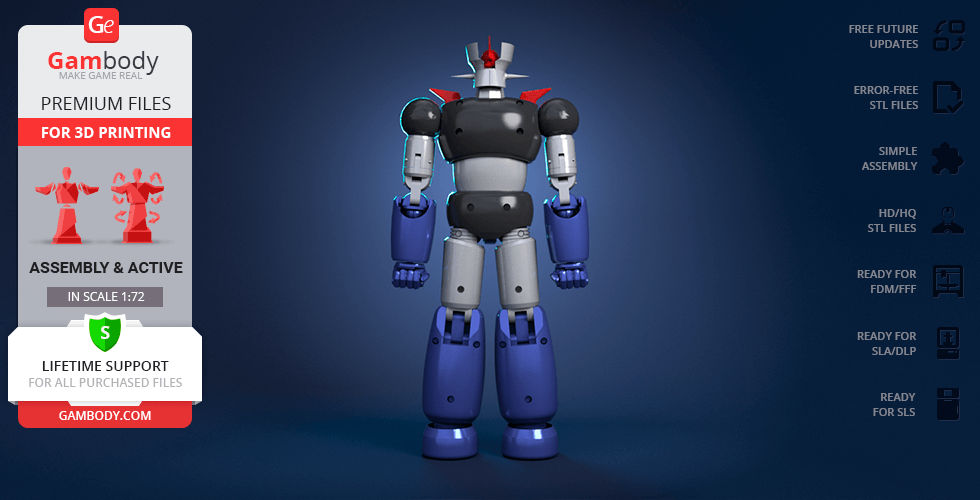
Mazinger Z is credited as the first piloted giant robot, the titular mech of Mazinger Z Japanese manga series. The titanic robot was constructed by Doctor Juzo Kabuto using newly-discovered hyper-alloy “Super Alloy Z”. With the main element of the metal alloy being fictional Japanium that is noted to be even stronger than steel, the mech can boast of extremely high durability. Creation of Mazinger Z robot within the series of the same name is considered to mark the launch of the Super Robot genre into existence. The author of the model spent 160 hours to design and engineer the awesome 3D printing model to rejoice the anime television series fans. And Mazinger Z will definitely become a gem in your 3D printed collection - thanks to the 3D artist’s hard work and creative approach the robot is fully articulated! The Japanese super robot is depicted as it appears in the original 1972 series - with large fins on the chest to enable its Photonic Energy reactor and the control centre Hover Pilder to host the pilot. The giant mech is an excellent ally to fight the evil especially given that conventional weapons can affect its armour even not in the slightest.
ADAPTATION FOR 3D PRINTING
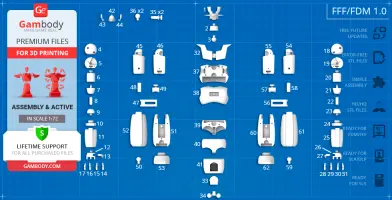
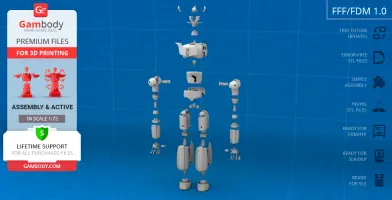
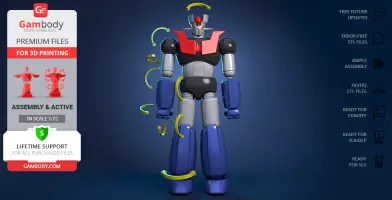
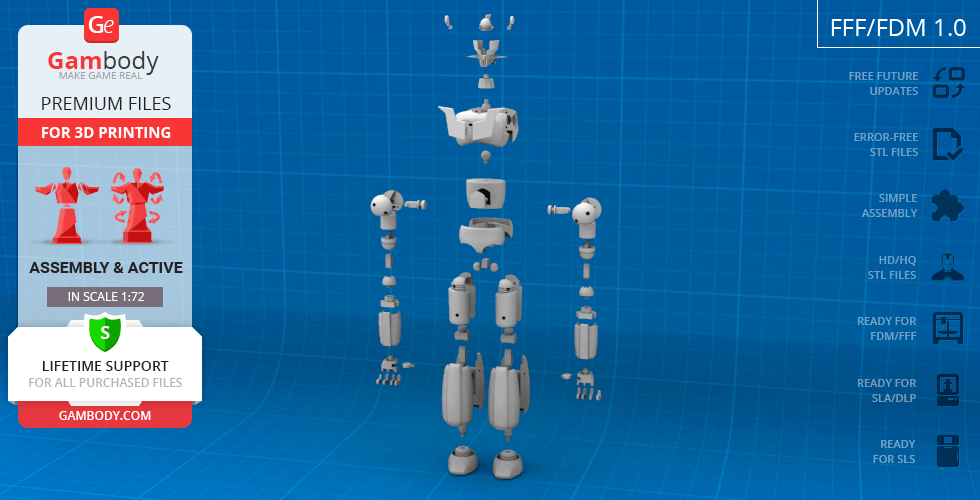
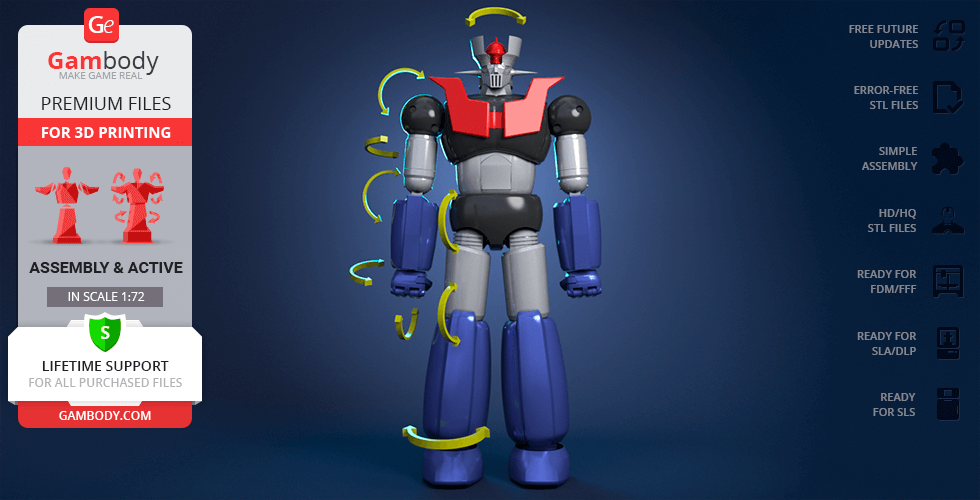
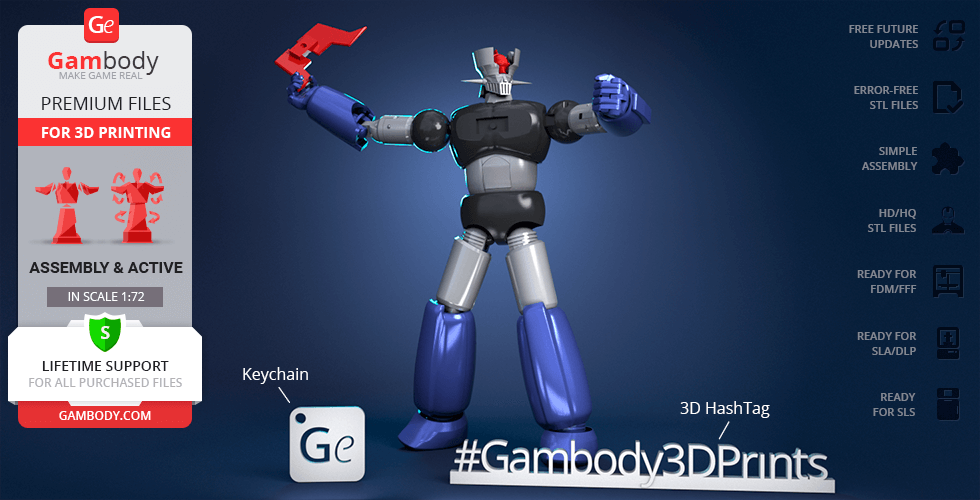
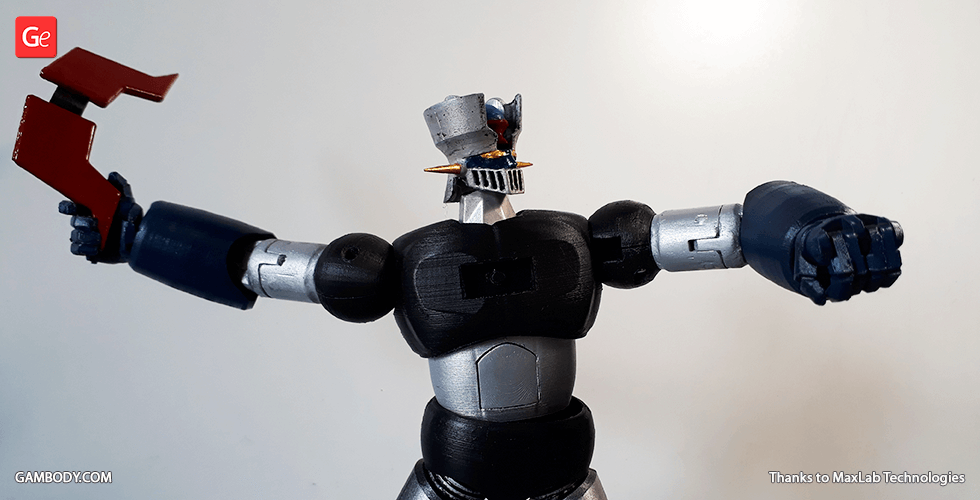
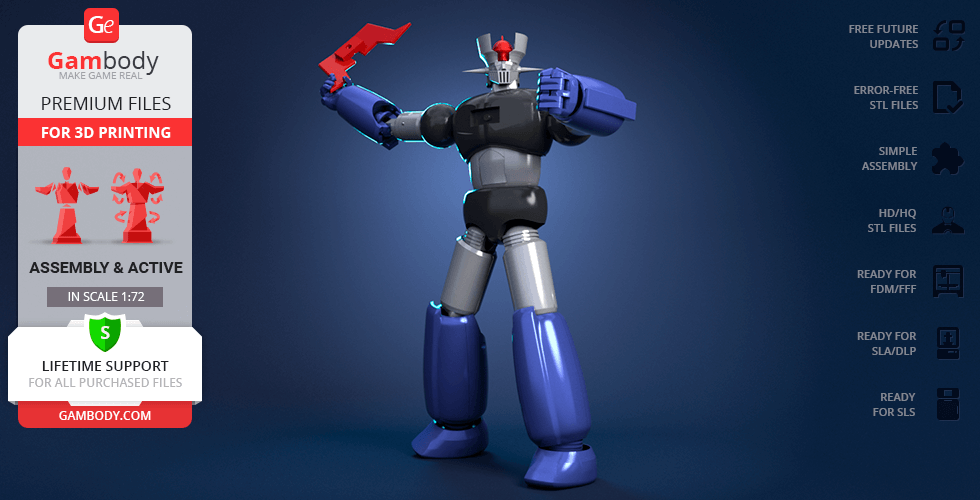
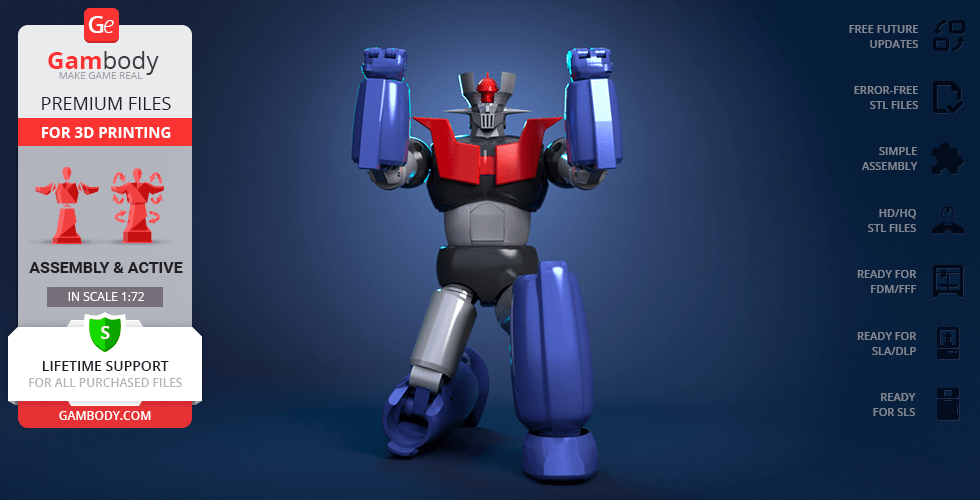
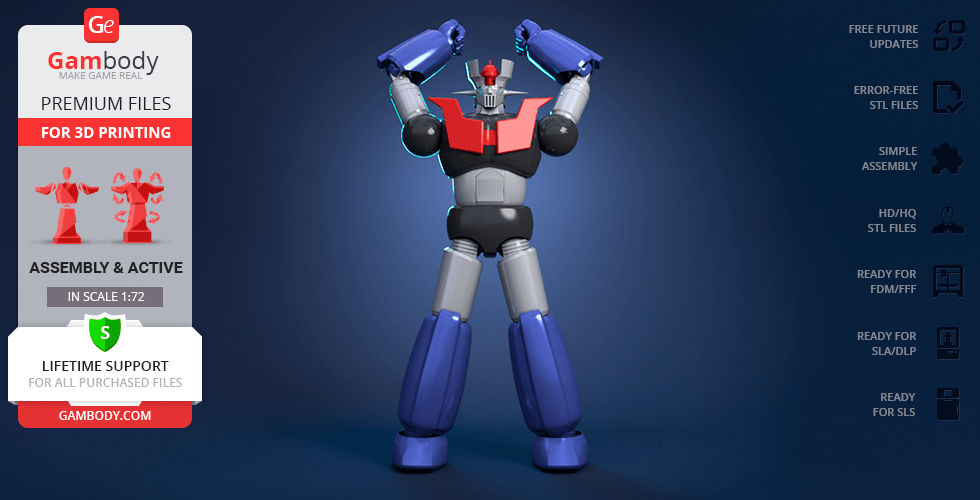
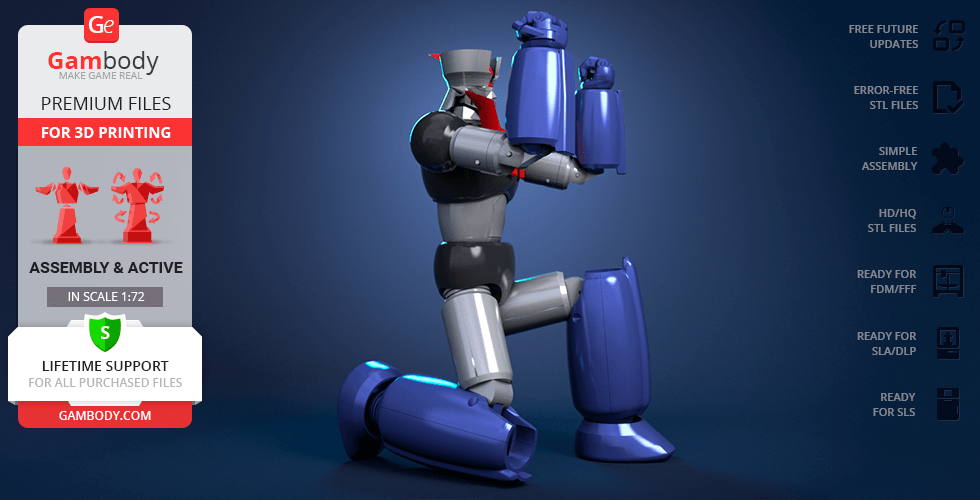
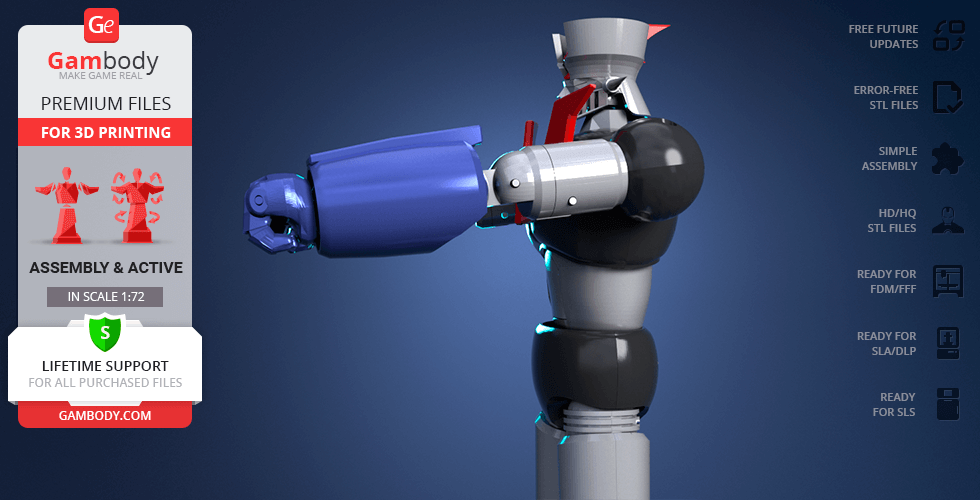
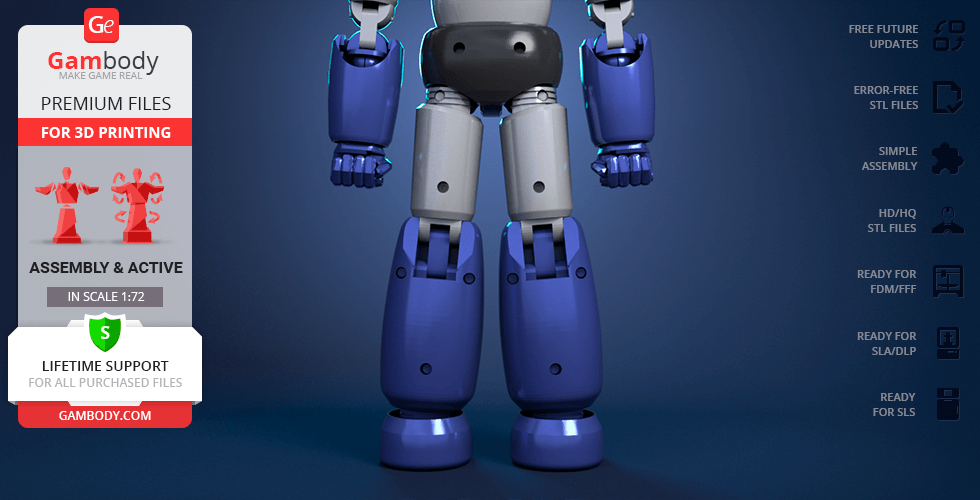
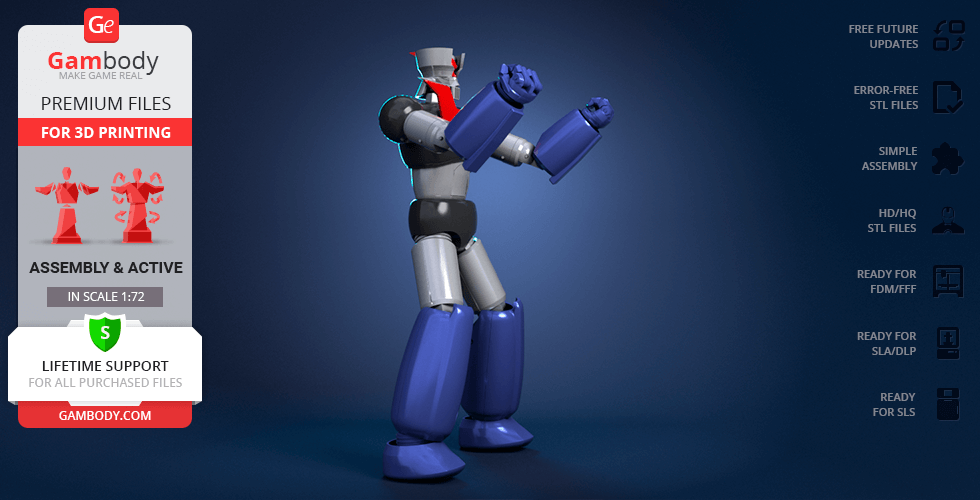
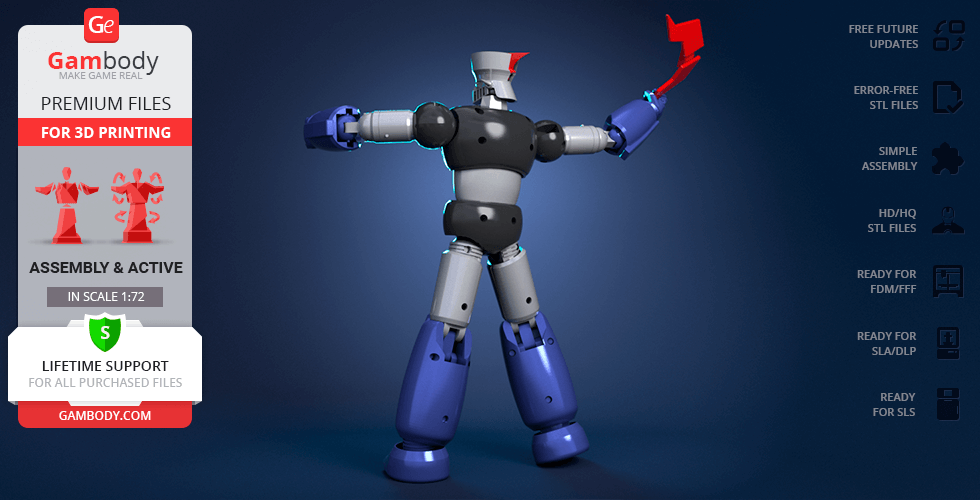
Mazinger Z model for 3D printing is a highly articulated assembly model and its moderation and adaptation for different types of 3D printers took Gambody team 32 hours in total. In order to ensure the robot’s multidirectional movement, it was divided into many assembly parts and all model’s joints were designed to presuppose the introduction of a certain mechanism to give you an opportunity to display Mazinger Z in a variety of positions, i.e. robot’s head, shoulders, arms, elbows, hands, hips, knees, feet and even fingers are movable. The Breast fire fins on Mazinger Z's chest are also provided as a separate file for you to receive the cleanest printed result. All the assembly parts are provided in STL files in recommended positions that were worked out so to ensure the smoothness of the details’ surfaces after printing and so that the 3D printing beginners won't face difficulties when placing the parts on a build plate. In order to assemble the model, you will need 2x14 mm self-tapping screws and short pieces of 1.75 PLA to make pins. Apply the glue where you feel appropriate. Make sure to watch "Assembly video" in the photo preview section and read the author's "Assembly Manual" that comes with STL files.
The model is saved in STL files, a format supported by most 3D printers. All STL files for 3D printing have been checked in Netfabb and no errors were shown.
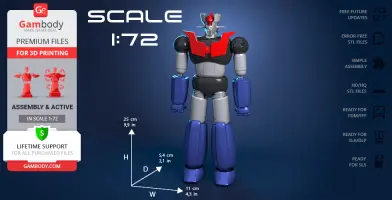
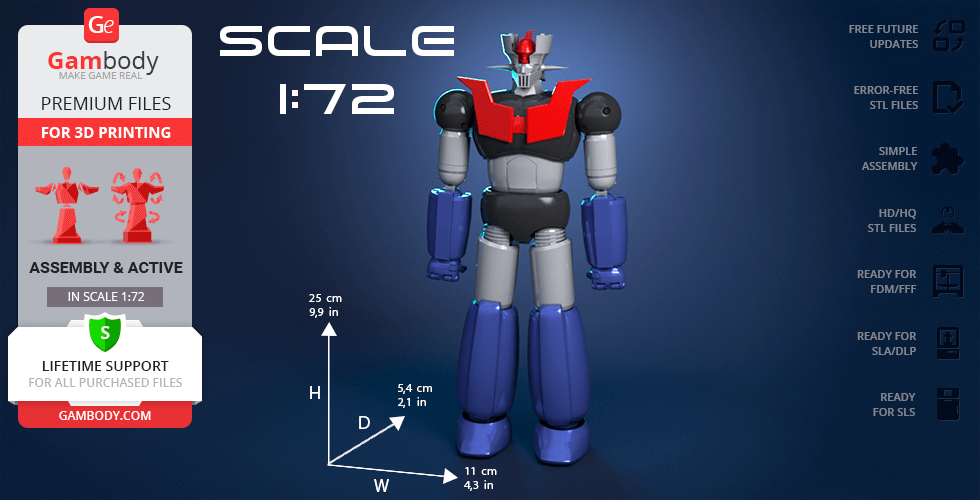
The model's scale was calculated from Mazinger Z's actual height that is 18000 mm. The 3D printing model's chosen scale is 1/72 for the FFF/FDM version.
VERSION SPECIFICATIONS
FFF/FDM 1.0 version features:
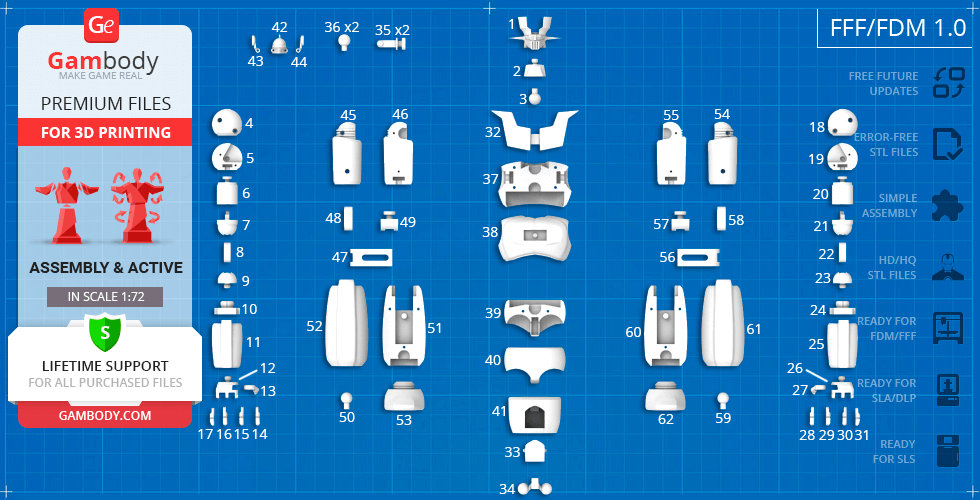
- Contains 62 parts;
- A printed model is 250 mm tall, 110 mm wide, 54 mm deep;
- Each robot’s joint is articulated which allows the model's movability;
- The model can be assembled with 1.75 PLA pins and 2x14 mm screws;
- Watch "Assembly video" to see the screws coloured red and pins - yellow;
- With any file of the model, you will also receive author’s instructions on the assembly peculiarities in a PDF file "Assembly Manual";
- All parts are divided in such a way that you will print them with the smallest number of support structures.
WHAT WILL YOU GET AFTER PURCHASE?
- STL files of Mazinger Z Model for 3D printing which consist of 62 parts;
- High-poly detailed model of Mazinger Z;
- Detailed settings that we provide as a recommendation for Cura ,Simplify3D and Slic3r for the best print;
- Full technical support from the Gambody Support Team.
You can get the model of Mazinger Z for 3D Printing immediately after the purchase! Just click the green Buy button in the top-right corner of the model’s page. You can pay with PayPal or your credit card.
Watch the tutorial on how to assemble Mazinger Z 3D Printing Model at Gambody YouTube channel.
Also, you may like another Robot3D Printing Models as well as other Anime3D Printing Figurines.
_______
FAQ:
Where can I print a model if I have no printer?
How to get started with 3D printing?
How to set up my 3D printer?
How to choose right 3D model print bed positioning?
How to paint printed figurine?
Average customer rating (11 reviews)
4.5
Ratings breakdown
Click a star rating to filter reviews
Overall experience
Level of detail in the model
4.5
Model cut quality and assembly guide
4.5
Clarity and accuracy of the model page
4.5



 Verified purchase
 Level of detail in the model
4
Model cut quality and assembly guide
1
Clarity and accuracy of the model page
2


 Community Support Team
 This project includes two instruction formats: a PDF manual and a video guide. Many makers find the video version more helpful thanks to the clearer part numbering and visual explanations. You can watch it here:
https://www.youtube.com/watch?v=2KUAW8PiIsA
Regarding the pins: over time or with repeated movement, printed or filament-based pins can loosen slightly — this is normal. A small drop of glue on both sides is often enough to secure them. Another option is to cut the pin just 1 mm longer and gently flatten the ends so they hold in place more firmly.
We would greatly appreciate it if you could share a few photos showing the issues you’re experiencing, as the clearance issue can be related to the printing inaccuracies. This would allow us to pass the details to our Moderation Team for a closer engineering review and advice accordingly.
If you have any additional questions or need help with a specific part, please feel free to reach out at any time — we’re always here to assist!


 This feedback is from a user who hasn't purchased this model
 Level of detail in the model
5
Model cut quality and assembly guide
5
Clarity and accuracy of the model page
5
This feedback is from a user who hasn't purchased this model Level of detail in the model
5
Model cut quality and assembly guide
5
Clarity and accuracy of the model page
5
This feedback is from a user who hasn't purchased this model Level of detail in the model
1
Model cut quality and assembly guide
1
Clarity and accuracy of the model page
1
Verified purchase Level of detail in the model
5
Model cut quality and assembly guide
5
Clarity and accuracy of the model page
5
This feedback is from a user who hasn't purchased this model Level of detail in the model
5
Model cut quality and assembly guide
5
Clarity and accuracy of the model page
5
This feedback is from a user who hasn't purchased this model Level of detail in the model
5
Model cut quality and assembly guide
5
Clarity and accuracy of the model page
5
 This feedback is from a user who hasn't purchased this model
 Level of detail in the model
4
Model cut quality and assembly guide
4
Clarity and accuracy of the model page
4
 This feedback is from a user who hasn't purchased this model
 Level of detail in the model
5
Model cut quality and assembly guide
5
Clarity and accuracy of the model page
5
This feedback is from a user who hasn't purchased this model Level of detail in the model
5
Model cut quality and assembly guide
5
Clarity and accuracy of the model page
5
 This feedback is from a user who hasn't purchased this model
 Level of detail in the model
5
Model cut quality and assembly guide
5
Clarity and accuracy of the model page
5
Below you'll find detailed slicing settings for Bambu Studio 2.0+, Orca Slicer 2.0+, UltiMaker Cura 5.0+, PrusaSlicer 2.0+, Slic3r 1.3+, Simplify3D 5.0+ to help you get the best results when printing this model. These settings are optimized specifically for this 3D model, but please note they may need slight adjustments depending on your printer or filament. When in doubt, refer to your printer's user manual.
To avoid printing issues and achieve the best quality, we highly recommend applying the following settings:
 Bambu Studio 2.0+
 For better quality use 0.12 mm layer height, for fast printing use 0.2 mm layer height. For pins and the Ge connectors, use 0.2 layer height.
120-150% of your Layer Height
But you can paint the seam if you want.
You have to calibrate this parameter
You have to calibrate this parameter
You have to calibrate this parameter
For pins and power elements of the structure, such as the vehicle frame, use 3 loop
Disabled for vehicles and enabled for characters
For 0,2 Layer Height
The parameters in this tab vary greatly, it all depends on the quality of your printer. For example, if you have a classic Ender3, stick to the minimum parameters, but if you have a newer printer, for example Anycubic cobra 3 v2, you can select the maximum recommended values
Settings for advanced users, change these parameters only if you have sufficient 3D printing expertise
Enable this parameter if your model requires supports
We also recommend placing and removing supports manually in some places using special button
1-2 loops for more thick support
Top Z distance = 1-1.3 layer Height. If the supports are hard to remove, try increasing this setting by 0.1-0,4 mm
Bottom Z distance = 1-1.3 layer Height. If the supports are hard to remove, try increasing this setting by 0.1-0,4 mm
You have to calibrate this parameter which one is better for your filament
Increase this parameter if the supports are hard to remove from walls
For PLA and PETG filament types
5-8 mm is optional for small prints that have bad adhesion to the build plate
You have to calibrate this parameter
Read the description on your filament roll
Read the description on your filament roll and increase this parameter for fast printers
Read the description on your filament roll and increase this parameter for fast printers
 Orca Slicer 2.0+
 For better quality use 0.12 mm layer height, for fast printing use 0.2 mm layer height. For pins and the Ge connectors, use 0.2 layer height.
120-150% of your Layer Height
But you can paint the seam if you want.
0.01-0.05 You have to calibrate this parameter
0.01-0.05 You have to calibrate this parameter
0.1-0.2 You have to calibrate this parameter
For pins and power elements of the structure, such as the vehicle frame, use 3 loop
Disabled for vehicles and ships, enabled for characters
For 0,2 Layer Height
For 0,2 Layer Height
The parameters in this tab vary greatly, it all depends on the quality of your printer. For example, if you have a classic Ender3, stick to the minimum parameters, but if you have a newer printer, for example, Anycubic Kobra 3 Or Bambulab A1, you can select the maximum recommended values.
Settings for advanced users, change these parameters only if you have sufficient 3D printing expertise
Enable this parameter if your model requires supports
We also recommend placing and removing supports manually in some places using special button
Top Z distance = 1-1.3 layer Height. If the supports are hard to remove, try increasing this setting by 0.1-0,4 mm
Bottom Z distance = 1-1.3 layer Height. If the supports are hard to remove, try increasing this setting by 0.1-0,4 mm
Increase this parameter if the supports are hard to remove from walls
For PLA and PETG filament types
5-8 mm is optional for small prints that have bad adhesion to the build plate
Read the description on your filament roll
Read the description on your filament roll and increase this parameter for fast printers
You have to calibrate this parameter
Read the description on your filament roll and increase this parameter for fast printers
Read the description on your filament roll
This field is filled in according to your printer specifications when you add it to the slicer.
You can add custom G-code here for the start and end of the print. However, be careful - this is for advanced users only!
You have to calibrate your printer using Ge retraction test models
Retraction Length: For direct-drive setups use 0.5 mm to 2.5 mm; for Bowden extruders use 5 to 7 mm
This is how fast the filament is pulled back—40-60 mm/s for direct drive and 30-50 mm/s for Bowden setups.
You have to calibrate this parameter: Reduce it until the printer starts to hit the parts with the nozzle during printing, then increase it by 0.2.
 UltiMaker Cura 5.0+
 For better quality use 0.12 mm layer height, for fast printing use 0.2 mm layer height. For pins and the Ge connectors, use 0.2 layer height.
120-150% of your Layer Height
To increase the strength of the print parts, use wall line count: 3
For pins and connectors use 50% Infill
These parameters are for standard PLA plastic. If you are using a different type of plastic, check the printing temperature recommended by the manufacturer. Also, read the description on your filament spool. For fast printers, add +30 °C to the current parameters.
The parameters in this tab vary greatly, it all depends on the quality of your printer. For example, if you have a classic Ender3, stick to the minimum parameters, but if you have a newer printer, for example Anycubic cobra 3 v3, you can select the maximum recommended values
Settings for advanced users, change these parameters only if you have sufficient 3D printing expertise.
You need to calibrate this parameter using Gambody test models. These values are average values for a Direct Drive extruder; for a Bowden extruder, the values should be increased.
You need to calibrate this parameter using Gambody test models. These values are average values for a Direct Drive extruder; for a Bowden extruder, the values should be increased.
Use this value other than 0 if your nozzle catches on the internal infill during travel moves. Try to keep this value as low as possible in height.
Use normal supports to support large, straight surfaces (most mechanical or technical parts).
You have to calibrate this parameter according to the capabilities of your printer and your filament, using a Gambody test models.
Use 1 instead of 0 if your supports are thin and tall. They will be harder to remove, but much stronger.
Top Z distance = 1-1.3 layer Height. If the supports are hard to remove, try increasing this setting by 0.1-0,4 mm
Increase this parameter if the supports are hard to remove from walls
Use tree supports to support complex objects, such as characters.
You have to calibrate this parameter according to the capabilities of your printer and your filament, using a Gambody test models.
Top Z distance = 1-1.3 layer Height. If the supports are hard to remove, try increasing this setting by 0.1-0,4 mm
Increase this parameter if the supports are hard to remove from walls
Use a skirt for all parts when printing on outdated printers.
Use a brim when printing thin but tall parts, as well as parts with a small bed adhesion area.
 PrusaSlicer 2.0+
 For better quality use 0.12 mm layer height, for fast printing use 0.2 mm layer height. For pins and the Ge connectors, use 0.2 layer height.
120-150% of your Layer Height
for 0.2 Layer Height
But you can paint the seam if you want.
(for PLA and PETG)
(5-8 mm is optional for small prints that have bad adhesion to the build plate)
Enable this parameter if your model requires supports
(45-50 degree)You have to calibrate this parameter according to the capabilities of your printer
and your filament, using a Gambody test models.
Top contact Z distance = 1-1.3 layer Height. If the supports are hard to remove, try
increasing this setting by 0.1-0,4 mm
Top contact Z distance = 1-1.3 layer Height. If the supports are hard to remove, try
increasing this setting by 0.1-0,4 mm
Increase this parameter if the supports are hard to remove from walls
The parameters in this tab vary greatly, it all depends on the quality of your printer. For example, if you have a classic Ender3, stick to the minimum parameters, but if you have a newer printer, for example Anycubic cobra 3 v3, you can select the maximum recommended values
Settings for advanced users, change these parameters only if you have sufficient 3D printing expertise. Use the minimum value for outdated printers without acceleration calibration, and the maximum value for modern printers if you need it.
These settings only work for 3D printers with multiple extruders
You can try setting all parameters in this section, except the First layer, to values between 0.75% of your nozzle diameter and 1.25% of your nozzle diameter. Adjusting them will help you work out the optimal parameters for the best quality for your print. As for the First layer, you can set it to 150% of the diameter of your nozzle for better adhesion to the build plate (for a nozzle with a diameter of 0.4 mm, the First layer extrusion width can be from 0.3 mm to 0.5 mm)
For better printing quality you have to calibrate this parameter using Gambody test model.
Check your filament manufacturer's temperature recommendations on the spool.
Cooling parameters depends on the material you use for printing.
*for PLA
 Slic3r 1.3+
 For better quality use 0.12 mm layer height, for fast printing use 0.2 mm layer height. For pins and the Ge connectors, use 0.2 layer height.
120-150% of your Layer Height
For 0.12 Layer Height
For 0.12 Layer Height
For pins and connectors use 50% Infill
Use skirt for outdated 3d printers
(5-8 mm is optional for small prints that have bad adhesion to the build plate)
Enable this parameter if your model requires supports
(45-60 degree)You have to calibrate this parameter according to the capabilities of your printer and your filament, using a Gambody test models
Contact Z distance = 1-1.3 layer Height. If the supports are hard to remove, try increasing this setting by 0.1-0,4 mm
The parameters in this tab vary greatly, it all depends on the quality of your printer. For example, if you have a classic Ender3, stick to the minimum parameters, but if you have a newer printer, for example Anycubic cobra 3 v3, you can select the maximum recommended values
Settings for advanced users, change these parameters only if you have sufficient 3D printing expertise. Use the minimum value for outdated printers without acceleration calibration, and the maximum value for modern printers if you need it.
You have to calibrate this parameter from 0.9 to 1.1 according to the capabilities of your printer and your filament, using a Gambody test models.
Check your filament manufacturer's temperature recommendations on the spool.
Cooling parameters depends on the material you use for printing.
Calibrate this value if you need to reduce or improve the adhesion between the plastic and the heat bed
Your current nozzle diameter
You need to calibrate this parameter using Gambody test models. These values are average values for a Direct Drive extruder; for a Bowden extruder, the values should be increased.
 Simplify3D 5.0+
 Your current nozzle diameter
You have to calibrate this parameter using Gambody test models.
You need to calibrate this parameter using Gambody test models. These values are average values for a Direct Drive extruder; for a Bowden extruder, the values should be increased.
For better quality use 0.12 mm layer height, for fast printing use 0.2 mm layer height. For pins and the Ge connectors, use 0.2 layer height.
For 0,2 Layer Height
For 0,2 Layer Height
To increase the strength of the print parts, use Outline Perimeters: 3
You can enable this parameter to print rounded or spherical models, as well as character models.
Use this option only if your parts are too tight. but better calibrate your printer extrusion
Use this option only if your parts are too tight. but better calibrate your printer extrusion
Use 2 and more if you want to create skirt instead brim
1-2 for skirt and 10-20 for brim
Use for wipe nozzle if you need
Use For ABS filament
For pins and connectors use 50% Infill
Top Z distance = 1-1.3 layer Height. If the supports are hard to remove, try increasing this setting by 0.1-0,4 mm
Calibrate your filament and detect optimal temperature for it
Average temperature for PLA filament
The parameters in this tab vary greatly, it all depends on the quality of your printer. For example, if you have a classic Ender3, stick to the minimum parameters, but if you have a newer printer, for example Anycubic cobra 3 v3, you can select the maximum recommended values
Settings for advanced users, change these parameters only if you have sufficient 3D printing expertise.