Community (fb)

 ua
ua 










Files
3D model format
Stereolithography (.stl)
Total files

Slicer settings
Mesh error check
Netfabb
Support
Lifetime support from Gambody team
Update requests
Available to verified buyers
Model complexity
Advanced: may require tuning print settings or support placement, plus precise fitting, gluing, or sanding.
Model versions
FFF/FDM
Assembly method
not specified
Features
Additional details
Part of diorama
Yes
Other model in diorama
Special pack included
No
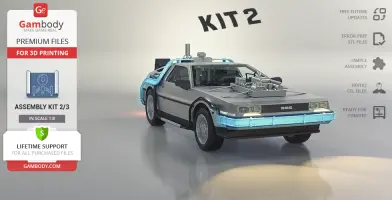
You will get instant access to the STL files of DeLorean 3D Printing Model | Assembly Kit 2: Engines, Mr Fusion, Active Suspension after completing your purchase. Simply add the model to your cart and check out using PayPal, credit or debit card, Apple Pay, Google Pay, Alipay, or other available payment methods.
Watch the assembly video for DeLorean 3D Printing Model | Assembly Kit 2: Engines, Mr Fusion, Active Suspension, and explore more tutorials, behind-the-scenes content, 3D printing timelapses, and painting guides on the official Gambody YouTube channel.
This 3D printing assembly kit consists of files in StereoLithography (.Stl) format that is optimized for 3D printing.
Before printing the files, we strongly recommend reading the PRINTING DETAILS section.
DeLorean 3D Printing Model | Assembly Kit 2: Engines, Mr Fusion, Active Suspension comes in 1 version for FFF/FDM 3D printers. Files are available for download immediately after the purchase.
Detailed information about this 3D printing assembly kit is available in the DESCRIPTION section.
Before printing, take a look at Printing Details for recommended settings and tips to achieve better results.
| File name | Size (mm | in) | Size(mb) | Printing Time / Filament | |||
|---|---|---|---|---|---|---|
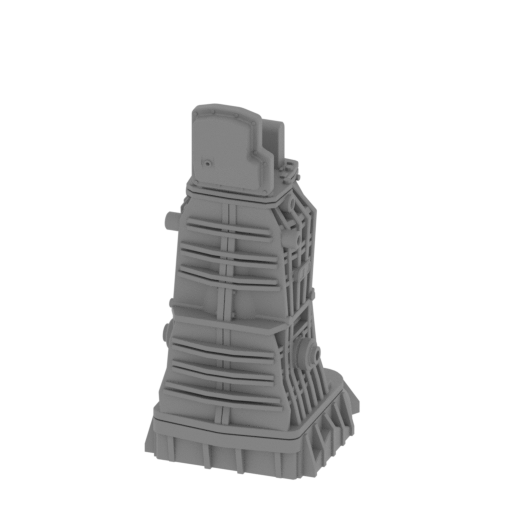 | ce_4_engine_1 (repaired).stl 40 x 45 x 86 mm | 1.57 x 1.77 x 3.39 in | Size: 40 x 45 x 86 mm | 1.57 x 1.77 x 3.39 in | File size: 4.14 mb | Printing Time / Filament: 7 h 37 min / 4 m | ||
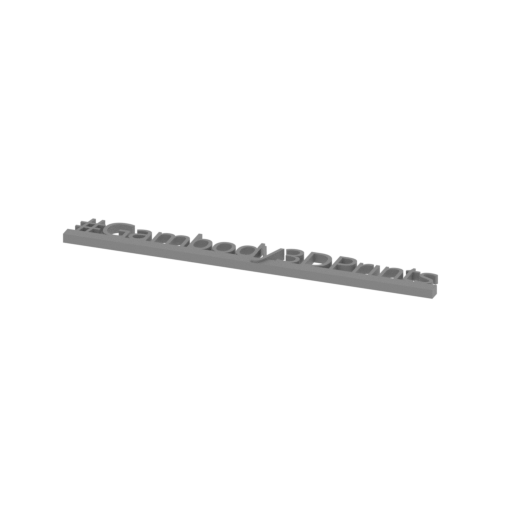 | Tag (repaired).stl 150 x 18 x 5 mm | 5.91 x 0.71 x 0.2 in | Size: 150 x 18 x 5 mm | 5.91 x 0.71 x 0.2 in | File size: 1.78 mb | Printing Time / Filament: 1 h 16 min / 1 m | ||
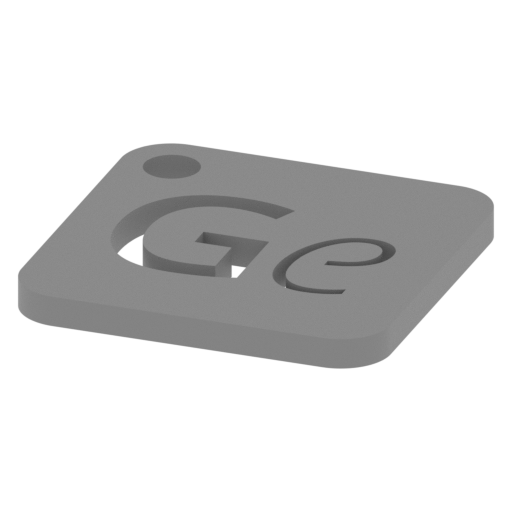 | Keychain (repaired).stl 30 x 30 x 2 mm | 1.18 x 1.18 x 0.08 in | Size: 30 x 30 x 2 mm | 1.18 x 1.18 x 0.08 in | File size: 0.37 mb | Printing Time / Filament: 23 min / <1 m | ||
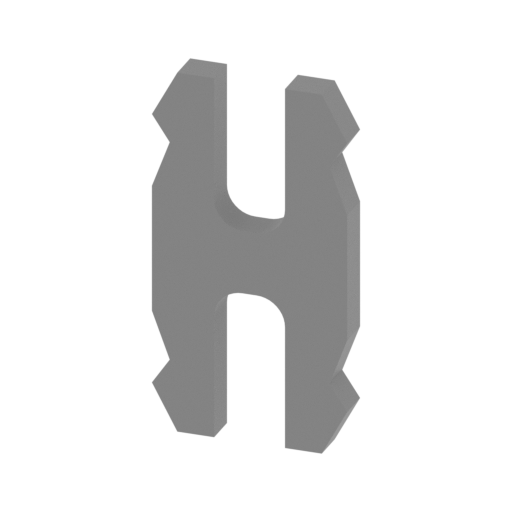 | Ge_lock_10H x 5 (repaired).stl 10 x 2 x 18 mm | 0.39 x 0.08 x 0.71 in | Size: 10 x 2 x 18 mm | 0.39 x 0.08 x 0.71 in | File size: 0.03 mb | Printing Time / Filament: 10 min / <1 m | ||
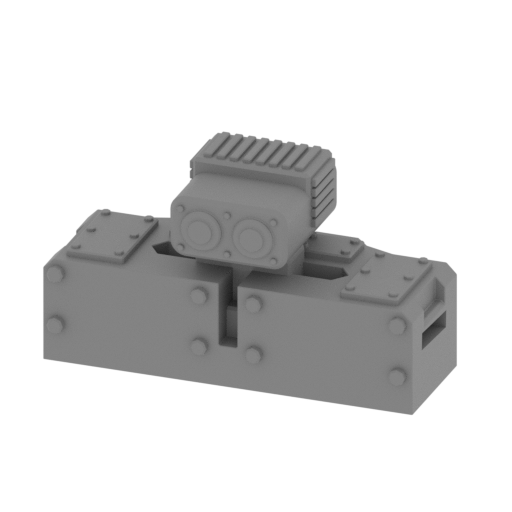 | te_12_top_hub (repaired).stl 45 x 21 x 25 mm | 1.77 x 0.83 x 0.98 in | Size: 45 x 21 x 25 mm | 1.77 x 0.83 x 0.98 in | File size: 0.53 mb | Printing Time / Filament: 1 h 47 min / 1 m | ||
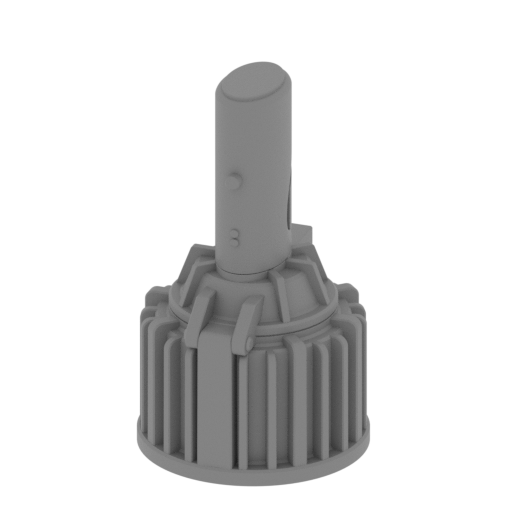 | te_11_time_engine_top_b_part_2_3 (repaired).stl 34 x 36 x 57 mm | 1.34 x 1.42 x 2.24 in | Size: 34 x 36 x 57 mm | 1.34 x 1.42 x 2.24 in | File size: 3.98 mb | Printing Time / Filament: 2 h 46 min / 1 m | ||
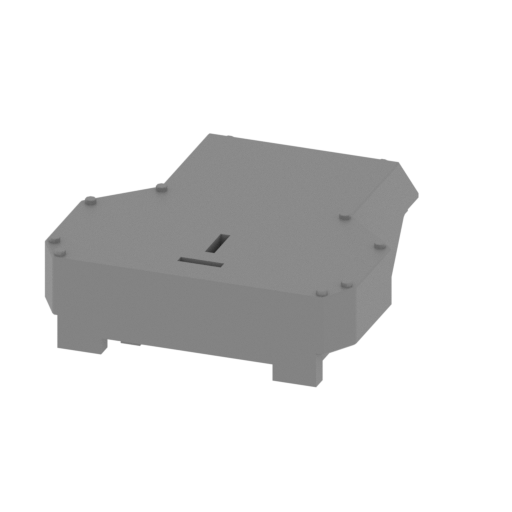 | te_10_time_engine_top_a_part_2_3 (repaired).stl 70 x 83 x 27 mm | 2.76 x 3.27 x 1.06 in | Size: 70 x 83 x 27 mm | 2.76 x 3.27 x 1.06 in | File size: 0.09 mb | Printing Time / Filament: 8 h 28 min / 6 m | ||
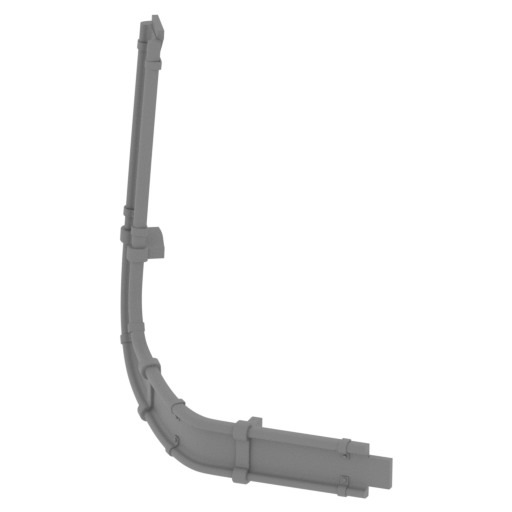 | te_9_coil_back_a_R (repaired).stl 93 x 63 x 100 mm | 3.66 x 2.48 x 3.94 in | Size: 93 x 63 x 100 mm | 3.66 x 2.48 x 3.94 in | File size: 5.96 mb | Printing Time / Filament: 3 h 36 min / 1 m | ||
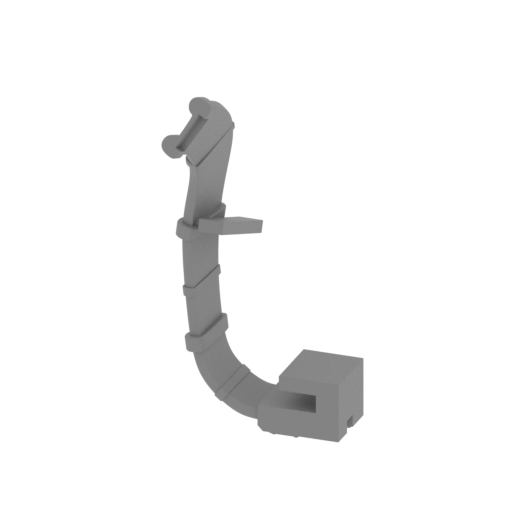 | te_8_coil_back_b_R (repaired).stl 40 x 41 x 89 mm | 1.57 x 1.61 x 3.5 in | Size: 40 x 41 x 89 mm | 1.57 x 1.61 x 3.5 in | File size: 4.61 mb | Printing Time / Filament: 3 h 16 min / 2 m | ||
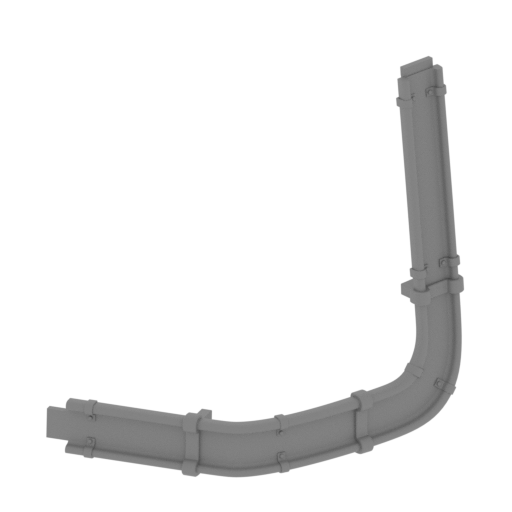 | te_7_coil_back_a_L (repaired).stl 93 x 63 x 100 mm | 3.66 x 2.48 x 3.94 in | Size: 93 x 63 x 100 mm | 3.66 x 2.48 x 3.94 in | File size: 5.96 mb | Printing Time / Filament: 3 h 34 min / 1 m | ||
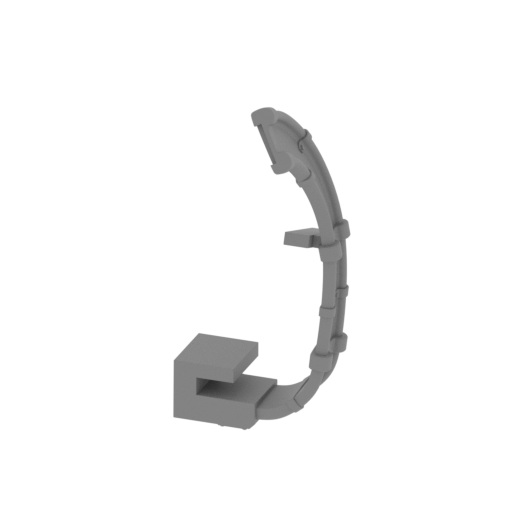 | te_6_coil_back_b_L (repaired).stl 40 x 41 x 89 mm | 1.57 x 1.61 x 3.5 in | Size: 40 x 41 x 89 mm | 1.57 x 1.61 x 3.5 in | File size: 4.61 mb | Printing Time / Filament: 3 h 13 min / 2 m | ||
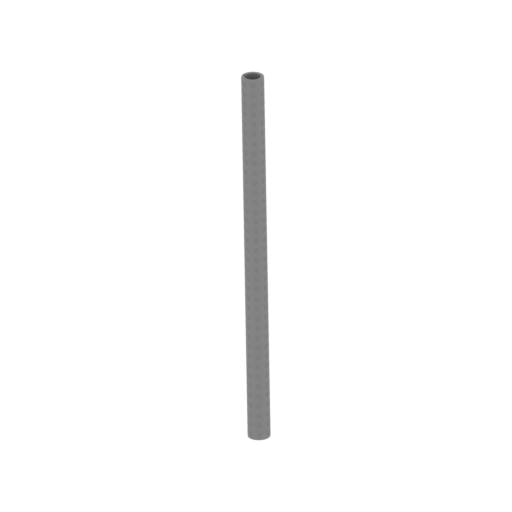 | te_5_panels_pipes_case_L (repaired).stl 8 x 7 x 109 mm | 0.31 x 0.28 x 4.29 in | Size: 8 x 7 x 109 mm | 0.31 x 0.28 x 4.29 in | File size: 6.28 mb | Printing Time / Filament: 1 h 23 min / <1 m | ||
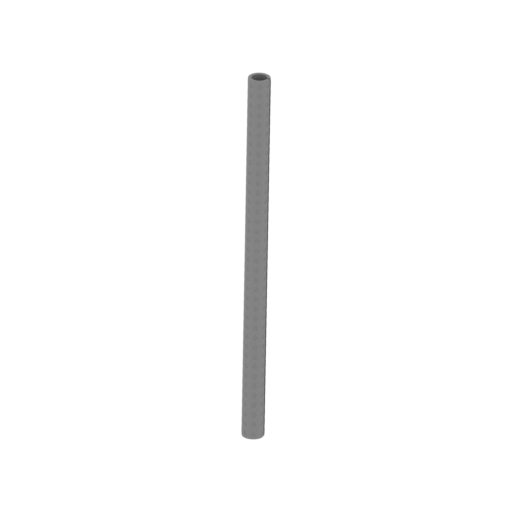 | te_4_panels_pipes_case_R (repaired).stl 8 x 7 x 109 mm | 0.31 x 0.28 x 4.29 in | Size: 8 x 7 x 109 mm | 0.31 x 0.28 x 4.29 in | File size: 6.28 mb | Printing Time / Filament: 1 h 23 min / <1 m | ||
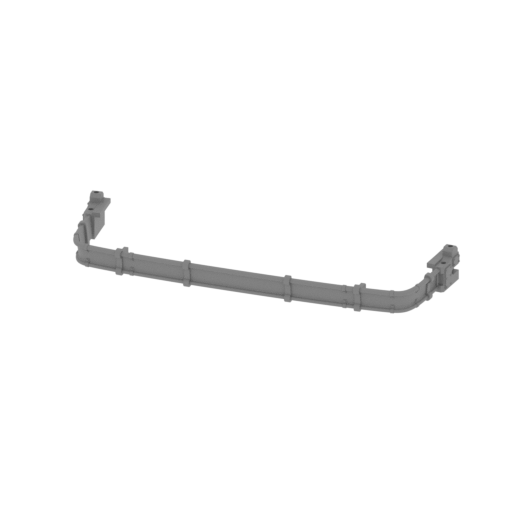 | te_3_coil_front (repaired).stl 212 x 64 x 21 mm | 8.35 x 2.52 x 0.83 in | Size: 212 x 64 x 21 mm | 8.35 x 2.52 x 0.83 in | File size: 8.11 mb | Printing Time / Filament: 4 h 6 min / 2 m | ||
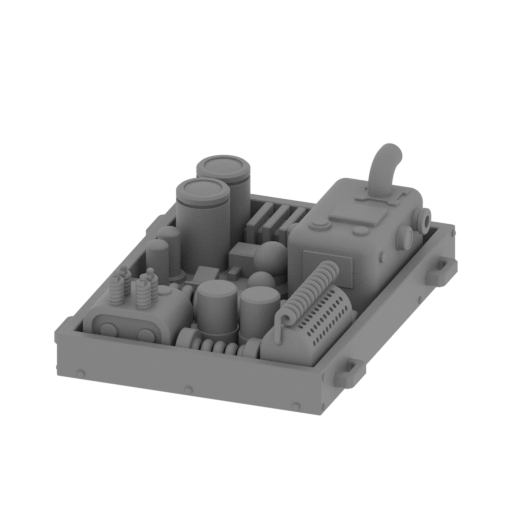 | te_2_external_engine (repaired).stl 73 x 90 x 33 mm | 2.87 x 3.54 x 1.3 in | Size: 73 x 90 x 33 mm | 2.87 x 3.54 x 1.3 in | File size: 7.77 mb | Printing Time / Filament: 9 h 15 min / 5 m | ||
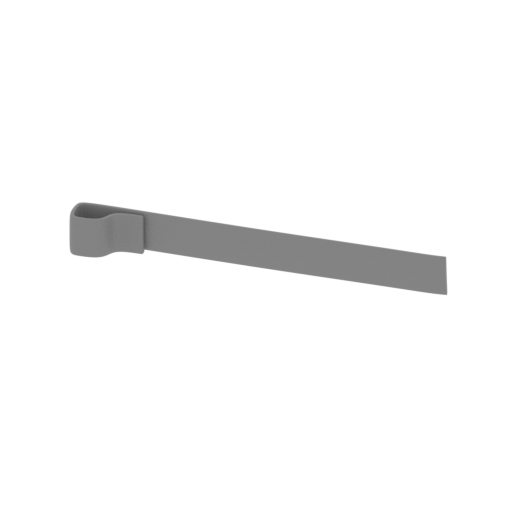 | te_1_external_engine_stripes_x4 (repaired).stl 51 x 5 x 6 mm | 2.01 x 0.2 x 0.24 in | Size: 51 x 5 x 6 mm | 2.01 x 0.2 x 0.24 in | File size: 0.75 mb | Printing Time / Filament: 5 min / <1 m | ||
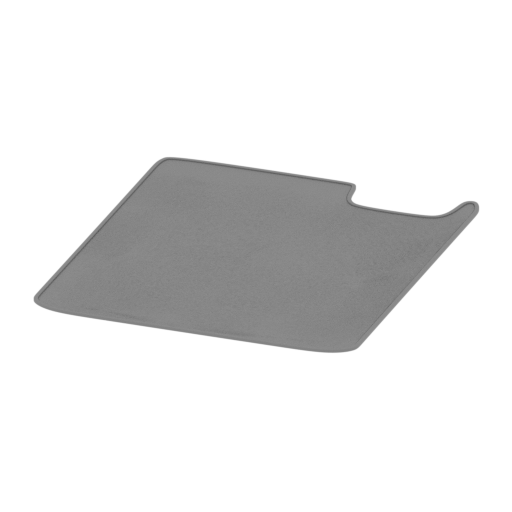 | lc_4_under_hood_carpet (repaired).stl 105 x 119 x 1 mm | 4.13 x 4.69 x 0.04 in | Size: 105 x 119 x 1 mm | 4.13 x 4.69 x 0.04 in | File size: 18.52 mb | Printing Time / Filament: 2 h 35 min / 1 m | ||
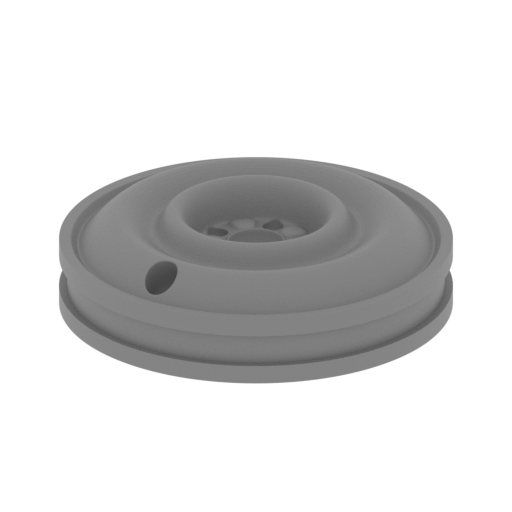 | lc_3_spare_disk (repaired).stl 46 x 46 x 12 mm | 1.81 x 1.81 x 0.47 in | Size: 46 x 46 x 12 mm | 1.81 x 1.81 x 0.47 in | File size: 3.72 mb | Printing Time / Filament: 1 h 47 min / 1 m | ||
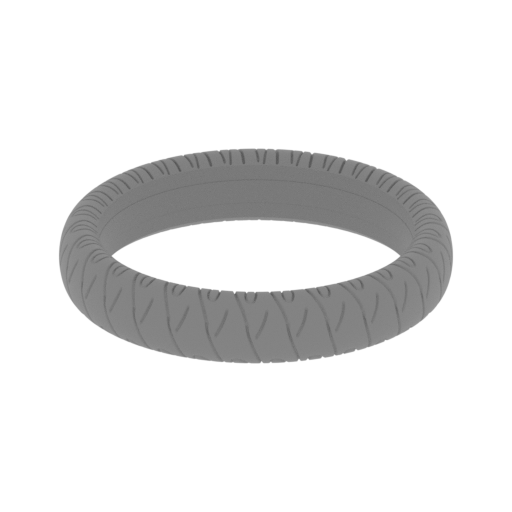 | lc_2_spare_tire_plastic (repaired).stl 57 x 57 x 11 mm | 2.24 x 2.24 x 0.43 in | Size: 57 x 57 x 11 mm | 2.24 x 2.24 x 0.43 in | File size: 9.24 mb | Printing Time / Filament: 1 h 22 min / 1 m | ||
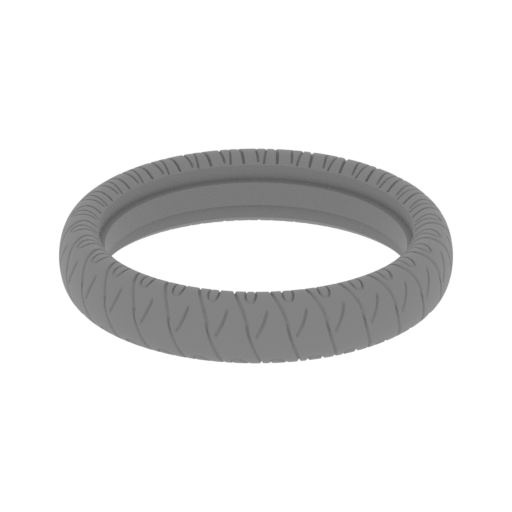 | lc_1_spare_tire_flex (repaired).stl 57 x 57 x 11 mm | 2.24 x 2.24 x 0.43 in | Size: 57 x 57 x 11 mm | 2.24 x 2.24 x 0.43 in | File size: 11.80 mb | Printing Time / Filament: 1 h 31 min / 1 m | ||
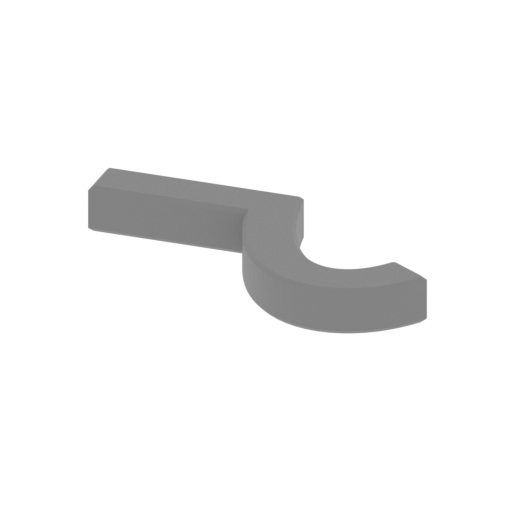 | ce_16_exhaust_mount_1 (repaired).stl 22 x 11 x 3 mm | 0.87 x 0.43 x 0.12 in | Size: 22 x 11 x 3 mm | 0.87 x 0.43 x 0.12 in | File size: 0.03 mb | Printing Time / Filament: 4 min / <1 m | ||
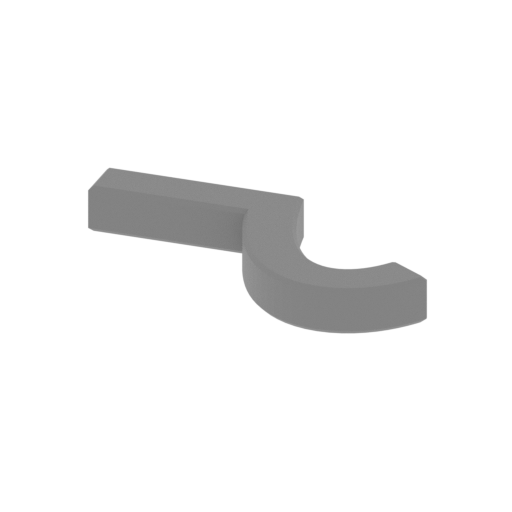 | ce_15_exhaust_mount_2 (repaired).stl 22 x 11 x 3 mm | 0.87 x 0.43 x 0.12 in | Size: 22 x 11 x 3 mm | 0.87 x 0.43 x 0.12 in | File size: 0.03 mb | Printing Time / Filament: 4 min / <1 m | ||
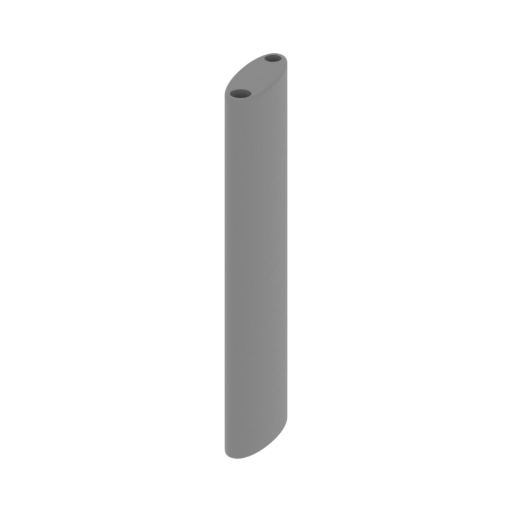 | ce_14_exhaust_1 (repaired).stl 11 x 30 x 91 mm | 0.43 x 1.18 x 3.58 in | Size: 11 x 30 x 91 mm | 0.43 x 1.18 x 3.58 in | File size: 0.28 mb | Printing Time / Filament: 2 h 10 min / 1 m | ||
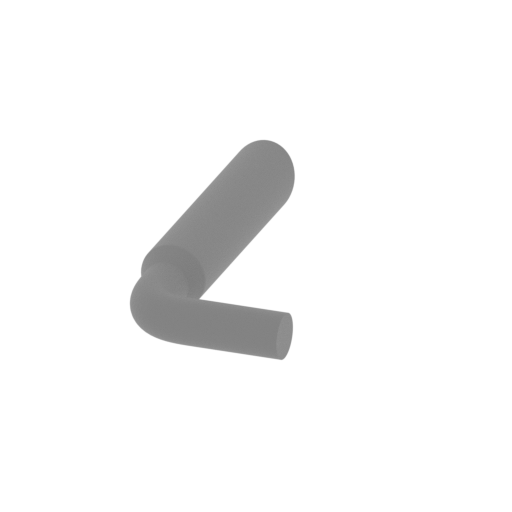 | ce_13_exhaust_3 (repaired).stl 19 x 40 x 7 mm | 0.75 x 1.57 x 0.28 in | Size: 19 x 40 x 7 mm | 0.75 x 1.57 x 0.28 in | File size: 0.22 mb | Printing Time / Filament: 18 min / <1 m | ||
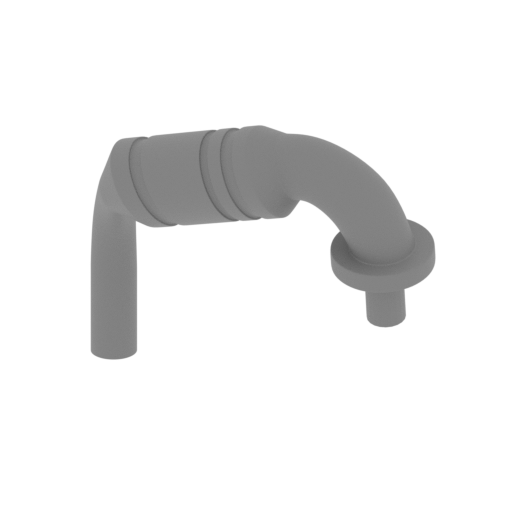 | ce_12_exhaust_4_R (repaired).stl 32 x 14 x 26 mm | 1.26 x 0.55 x 1.02 in | Size: 32 x 14 x 26 mm | 1.26 x 0.55 x 1.02 in | File size: 2.50 mb | Printing Time / Filament: 34 min / <1 m | ||
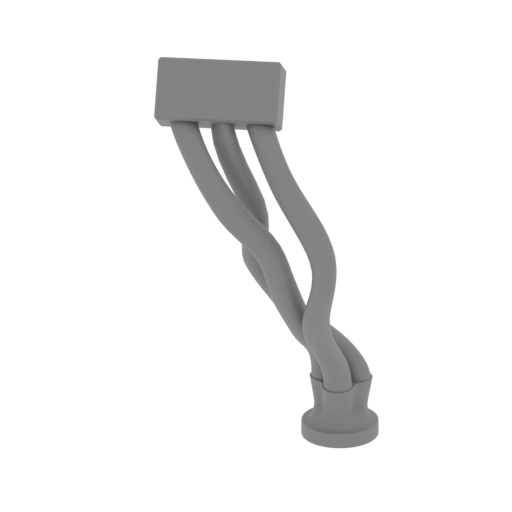 | ce_11_exhaust_5_R (repaired).stl 25 x 16 x 43 mm | 0.98 x 0.63 x 1.69 in | Size: 25 x 16 x 43 mm | 0.98 x 0.63 x 1.69 in | File size: 2.41 mb | Printing Time / Filament: 52 min / <1 m | ||
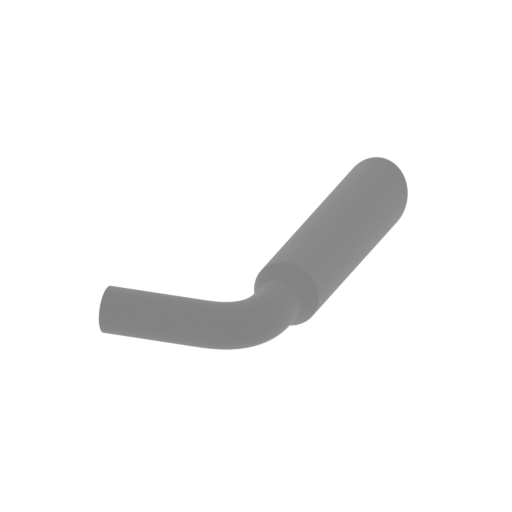 | ce_10_exhaust_2 (repaired).stl 19 x 40 x 7 mm | 0.75 x 1.57 x 0.28 in | Size: 19 x 40 x 7 mm | 0.75 x 1.57 x 0.28 in | File size: 0.22 mb | Printing Time / Filament: 18 min / <1 m | ||
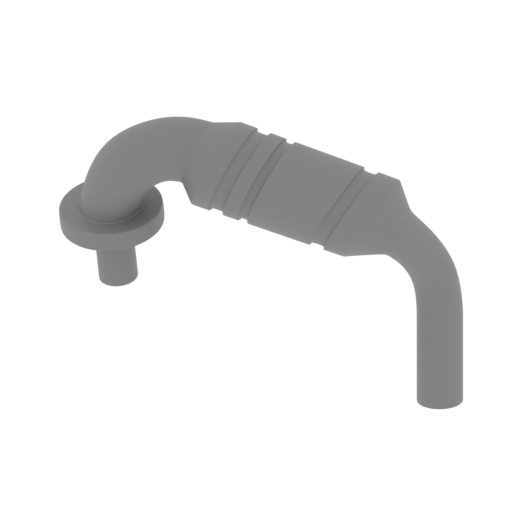 | ce_9_exhaust_4_L (repaired).stl 32 x 14 x 26 mm | 1.26 x 0.55 x 1.02 in | Size: 32 x 14 x 26 mm | 1.26 x 0.55 x 1.02 in | File size: 2.50 mb | Printing Time / Filament: 34 min / <1 m | ||
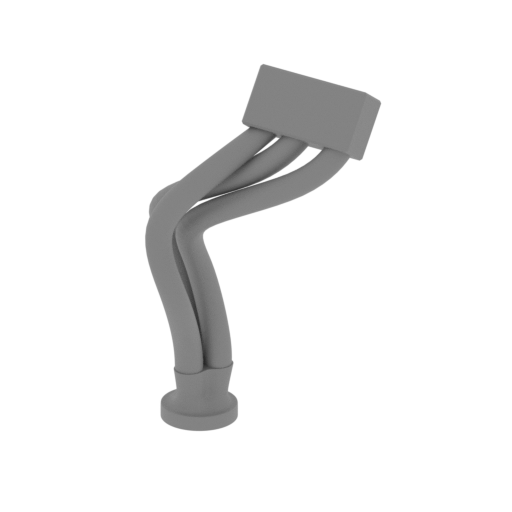 | ce_8_exhaust_5_L (repaired).stl 27 x 14 x 43 mm | 1.06 x 0.55 x 1.69 in | Size: 27 x 14 x 43 mm | 1.06 x 0.55 x 1.69 in | File size: 2.47 mb | Printing Time / Filament: 57 min / <1 m | ||
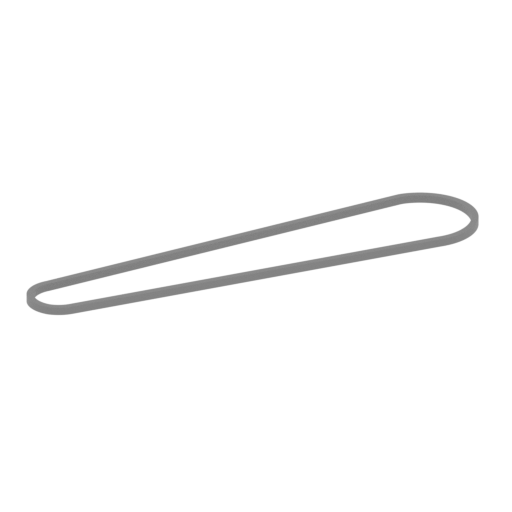 | ce_7_engine_belt_2 (repaired).stl 42 x 46 x 1 mm | 1.65 x 1.81 x 0.04 in | Size: 42 x 46 x 1 mm | 1.65 x 1.81 x 0.04 in | File size: 0.04 mb | Printing Time / Filament: 3 min / <1 m | ||
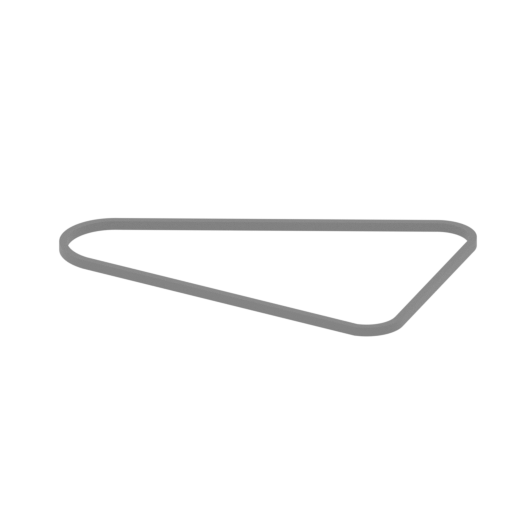 | ce_6_engine_belt_1 (repaired).stl 41 x 29 x 1 mm | 1.61 x 1.14 x 0.04 in | Size: 41 x 29 x 1 mm | 1.61 x 1.14 x 0.04 in | File size: 0.04 mb | Printing Time / Filament: 3 min / <1 m | ||
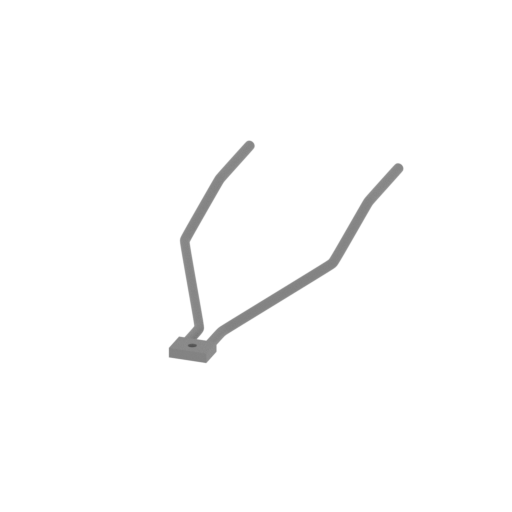 | ce_5_engine_pipes (repaired).stl 54 x 126 x 20 mm | 2.13 x 4.96 x 0.79 in | Size: 54 x 126 x 20 mm | 2.13 x 4.96 x 0.79 in | File size: 0.62 mb | Printing Time / Filament: 1 h 22 min / 1 m | ||
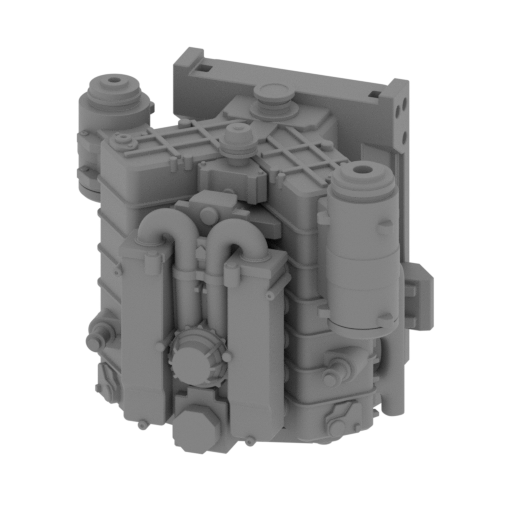 | ce_3_engine_2 (repaired).stl 78 x 72 x 67 mm | 3.07 x 2.83 x 2.64 in | Size: 78 x 72 x 67 mm | 3.07 x 2.83 x 2.64 in | File size: 11.32 mb | Printing Time / Filament: 20 h 60 min / 11 m | ||
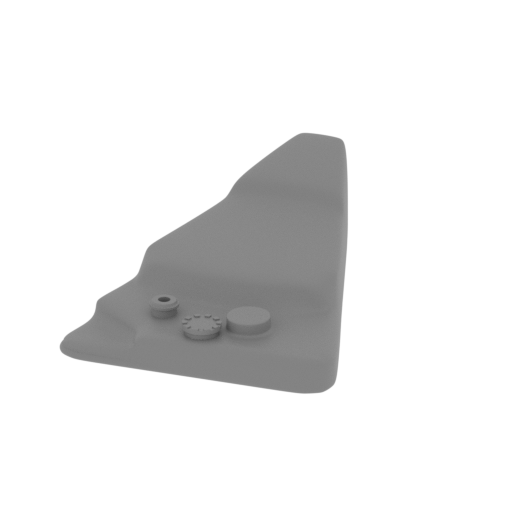 | ce_2_tank (repaired).stl 68 x 92 x 25 mm | 2.68 x 3.62 x 0.98 in | Size: 68 x 92 x 25 mm | 2.68 x 3.62 x 0.98 in | File size: 5.58 mb | Printing Time / Filament: 4 h 33 min / 3 m | ||
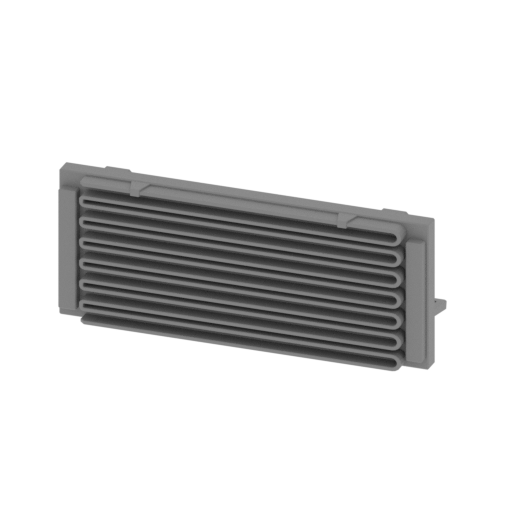 | ce_1_radiator (repaired).stl 83 x 23 x 33 mm | 3.27 x 0.91 x 1.3 in | Size: 83 x 23 x 33 mm | 3.27 x 0.91 x 1.3 in | File size: 4.66 mb | Printing Time / Filament: 5 h 57 min / 3 m | ||
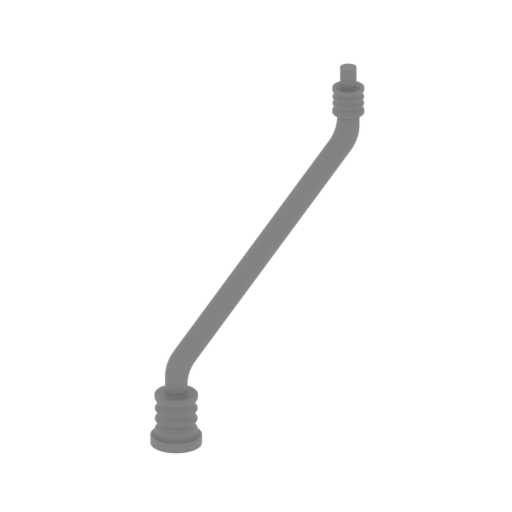 | as_37_susp_beam_engine_bot_L (repaired).stl 26 x 19 x 54 mm | 1.02 x 0.75 x 2.13 in | Size: 26 x 19 x 54 mm | 1.02 x 0.75 x 2.13 in | File size: 0.26 mb | Printing Time / Filament: 35 min / <1 m | ||
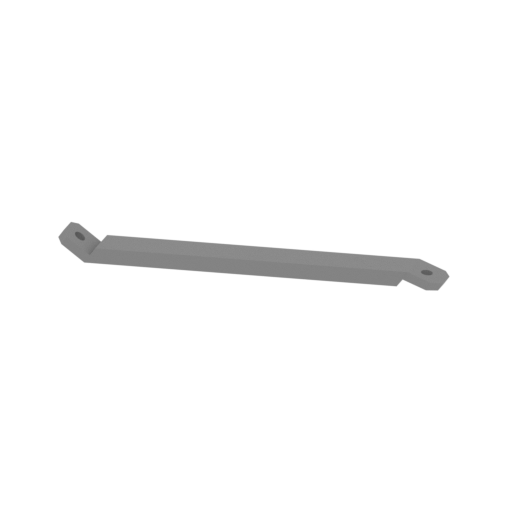 | as_36_susp_beam_back_center_L (repaired).stl 97 x 22 x 7 mm | 3.82 x 0.87 x 0.28 in | Size: 97 x 22 x 7 mm | 3.82 x 0.87 x 0.28 in | File size: 0.02 mb | Printing Time / Filament: 36 min / <1 m | ||
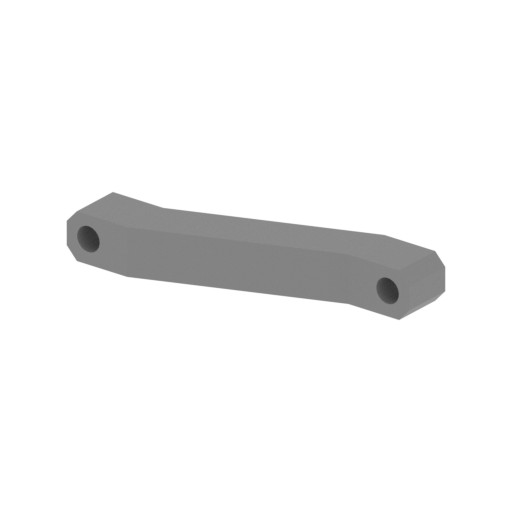 | as_35_susp_beam_back_bot_L (repaired).stl 41 x 9 x 6 mm | 1.61 x 0.35 x 0.24 in | Size: 41 x 9 x 6 mm | 1.61 x 0.35 x 0.24 in | File size: 0.01 mb | Printing Time / Filament: 15 min / <1 m | ||
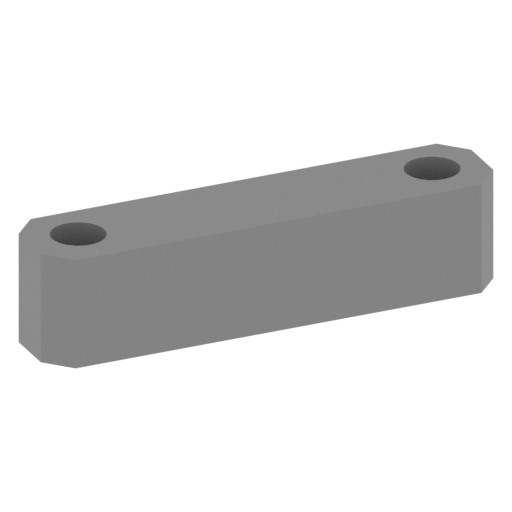 | as_34_susp_beam_back_top_L (repaired).stl 21 x 20 x 6 mm | 0.83 x 0.79 x 0.24 in | Size: 21 x 20 x 6 mm | 0.83 x 0.79 x 0.24 in | File size: 0.03 mb | Printing Time / Filament: 9 min / <1 m | ||
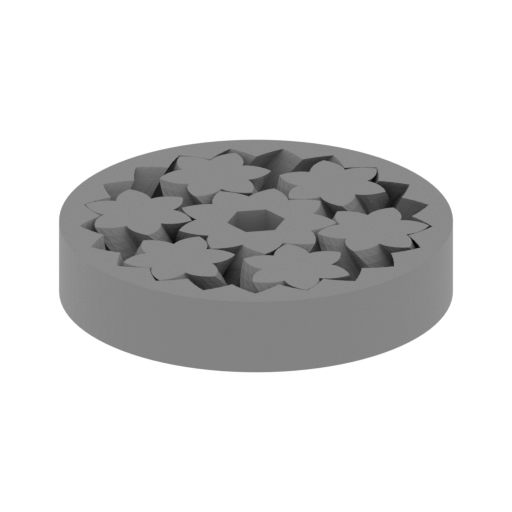 | as_33_bearing_back_L (repaired).stl 51 x 51 x 10 mm | 2.01 x 2.01 x 0.39 in | Size: 51 x 51 x 10 mm | 2.01 x 2.01 x 0.39 in | File size: 1.01 mb | Printing Time / Filament: 2 h 31 min / 1 m | ||
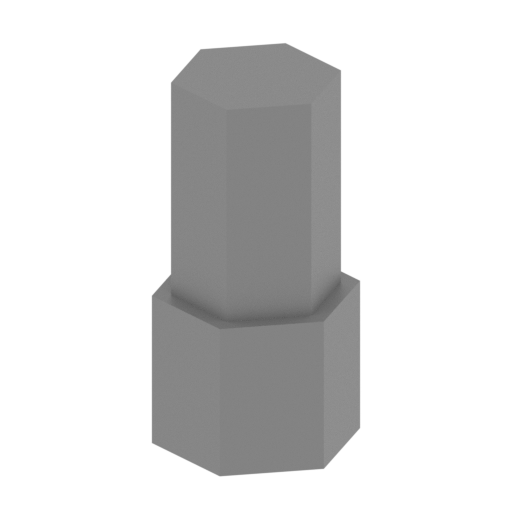 | as_32_bearing_connector_back_L (repaired).stl 8 x 9 x 17 mm | 0.31 x 0.35 x 0.67 in | Size: 8 x 9 x 17 mm | 0.31 x 0.35 x 0.67 in | File size: 0.01 mb | Printing Time / Filament: 14 min / <1 m | ||
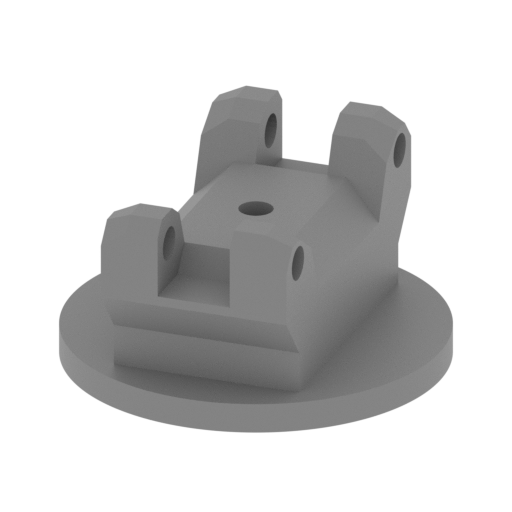 | as_31_sub_wheel_back_L (repaired).stl 33 x 33 x 18 mm | 1.3 x 1.3 x 0.71 in | Size: 33 x 33 x 18 mm | 1.3 x 1.3 x 0.71 in | File size: 0.07 mb | Printing Time / Filament: 1 h 8 min / 1 m | ||
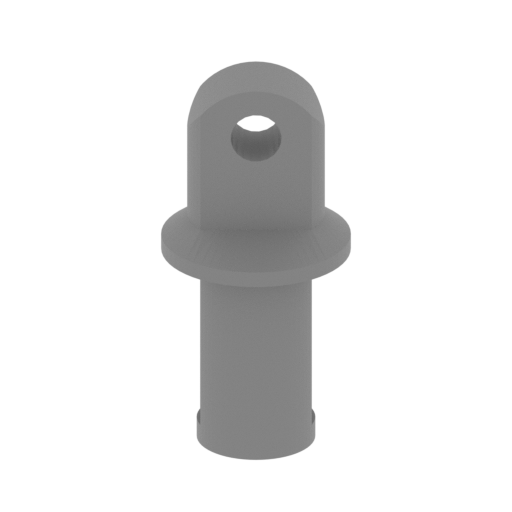 | as_30_shocks_out_back_L (repaired).stl 11 x 11 x 23 mm | 0.43 x 0.43 x 0.91 in | Size: 11 x 11 x 23 mm | 0.43 x 0.43 x 0.91 in | File size: 0.08 mb | Printing Time / Filament: 26 min / <1 m | ||
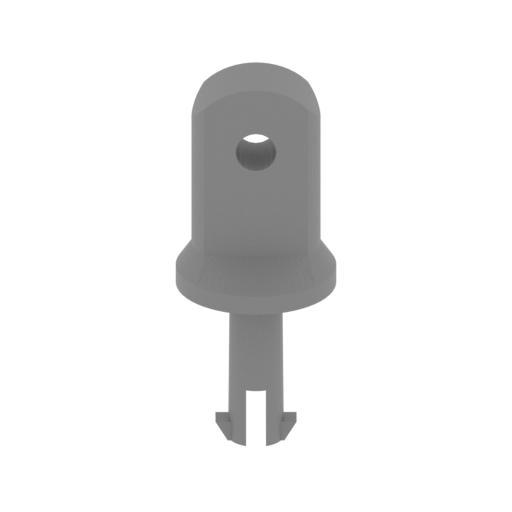 | as_29_shocks_in_back_L (repaired).stl 12 x 12 x 29 mm | 0.47 x 0.47 x 1.14 in | Size: 12 x 12 x 29 mm | 0.47 x 0.47 x 1.14 in | File size: 0.07 mb | Printing Time / Filament: 30 min / <1 m | ||
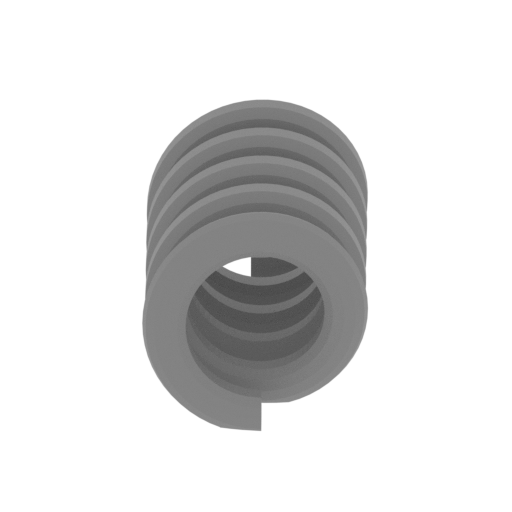 | as_28_shock_spring_back_L (repaired).stl 18 x 24 x 13 mm | 0.71 x 0.94 x 0.51 in | Size: 18 x 24 x 13 mm | 0.71 x 0.94 x 0.51 in | File size: 0.31 mb | Printing Time / Filament: 30 min / <1 m | ||
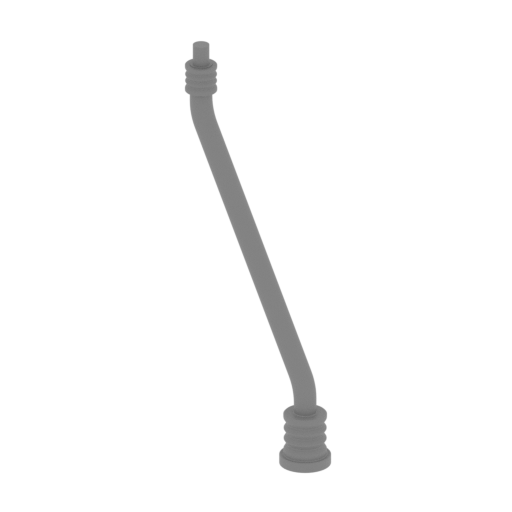 | as_27_susp_beam_engine_bot_R (repaired).stl 26 x 19 x 54 mm | 1.02 x 0.75 x 2.13 in | Size: 26 x 19 x 54 mm | 1.02 x 0.75 x 2.13 in | File size: 0.26 mb | Printing Time / Filament: 36 min / <1 m | ||
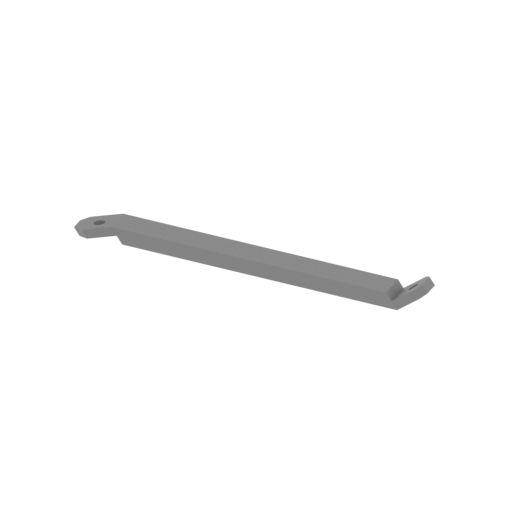 | as_26_susp_beam_back_center_R (repaired).stl 97 x 22 x 7 mm | 3.82 x 0.87 x 0.28 in | Size: 97 x 22 x 7 mm | 3.82 x 0.87 x 0.28 in | File size: 0.02 mb | Printing Time / Filament: 36 min / <1 m | ||
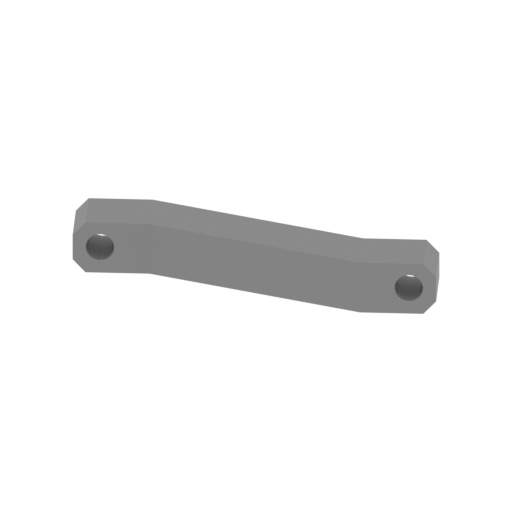 | as_25_susp_beam_back_bot_R (repaired).stl 41 x 9 x 6 mm | 1.61 x 0.35 x 0.24 in | Size: 41 x 9 x 6 mm | 1.61 x 0.35 x 0.24 in | File size: 0.01 mb | Printing Time / Filament: 15 min / <1 m | ||
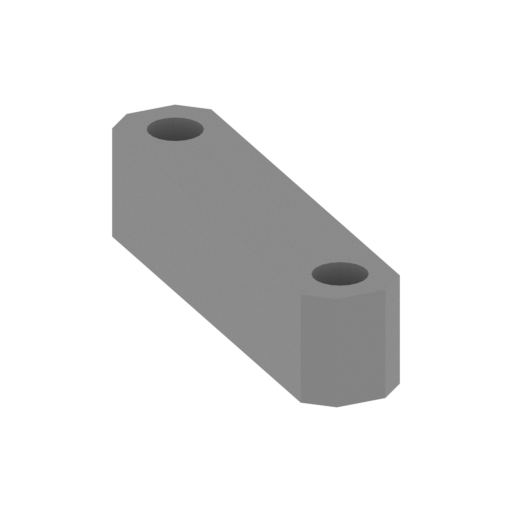 | as_24_susp_beam_back_top_R (repaired).stl 21 x 20 x 6 mm | 0.83 x 0.79 x 0.24 in | Size: 21 x 20 x 6 mm | 0.83 x 0.79 x 0.24 in | File size: 0.03 mb | Printing Time / Filament: 10 min / <1 m | ||
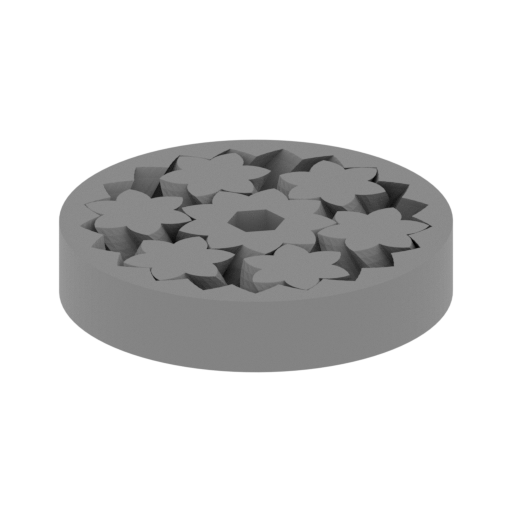 | as_23_bearing_back_R (repaired).stl 51 x 51 x 10 mm | 2.01 x 2.01 x 0.39 in | Size: 51 x 51 x 10 mm | 2.01 x 2.01 x 0.39 in | File size: 1.01 mb | Printing Time / Filament: 2 h 31 min / 1 m | ||
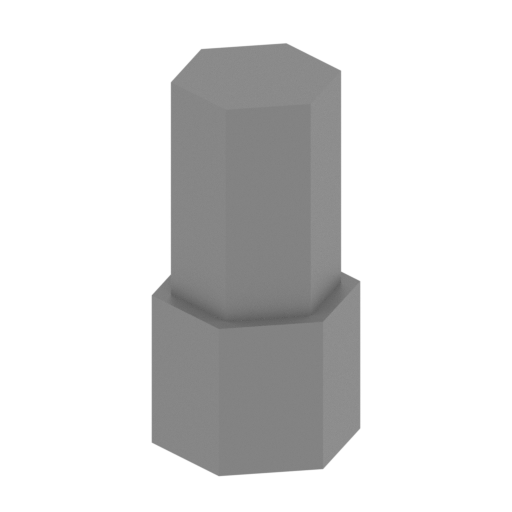 | as_22_bearing_connector_back_R (repaired).stl 8 x 9 x 17 mm | 0.31 x 0.35 x 0.67 in | Size: 8 x 9 x 17 mm | 0.31 x 0.35 x 0.67 in | File size: 0.01 mb | Printing Time / Filament: 14 min / <1 m | ||
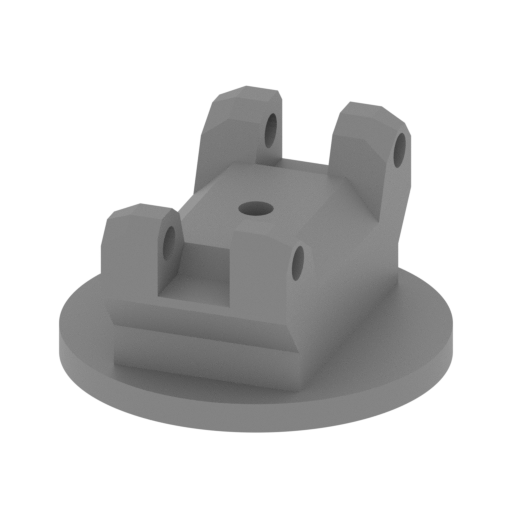 | as_21_sub_wheel_back_R (repaired).stl 33 x 33 x 18 mm | 1.3 x 1.3 x 0.71 in | Size: 33 x 33 x 18 mm | 1.3 x 1.3 x 0.71 in | File size: 0.07 mb | Printing Time / Filament: 1 h 8 min / 1 m | ||
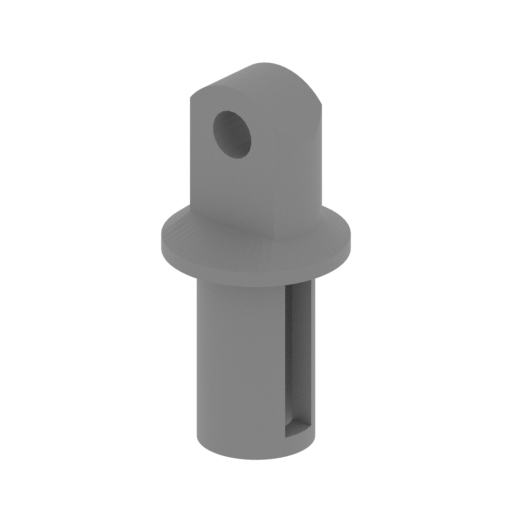 | as_20_shocks_out_back_R (repaired).stl 11 x 11 x 23 mm | 0.43 x 0.43 x 0.91 in | Size: 11 x 11 x 23 mm | 0.43 x 0.43 x 0.91 in | File size: 0.08 mb | Printing Time / Filament: 25 min / <1 m | ||
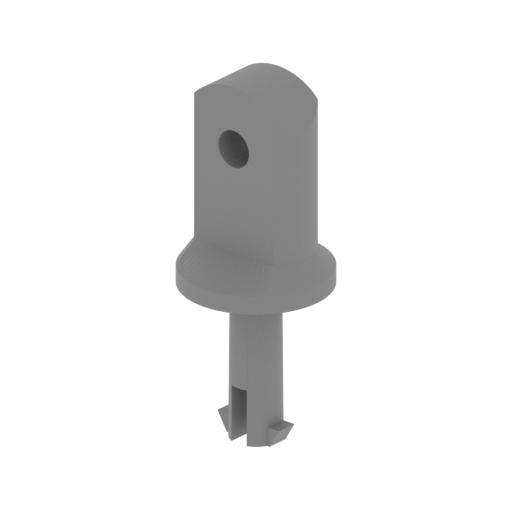 | as_19_shocks_in_back_R (repaired).stl 12 x 12 x 29 mm | 0.47 x 0.47 x 1.14 in | Size: 12 x 12 x 29 mm | 0.47 x 0.47 x 1.14 in | File size: 0.07 mb | Printing Time / Filament: 30 min / <1 m | ||
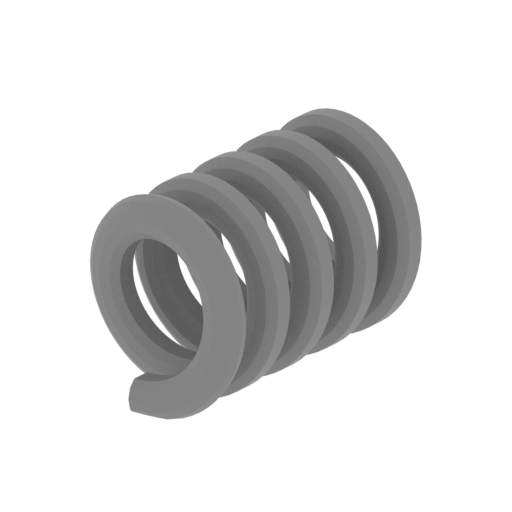 | as_18_shock_spring_back_R (repaired).stl 18 x 24 x 13 mm | 0.71 x 0.94 x 0.51 in | Size: 18 x 24 x 13 mm | 0.71 x 0.94 x 0.51 in | File size: 0.31 mb | Printing Time / Filament: 30 min / <1 m | ||
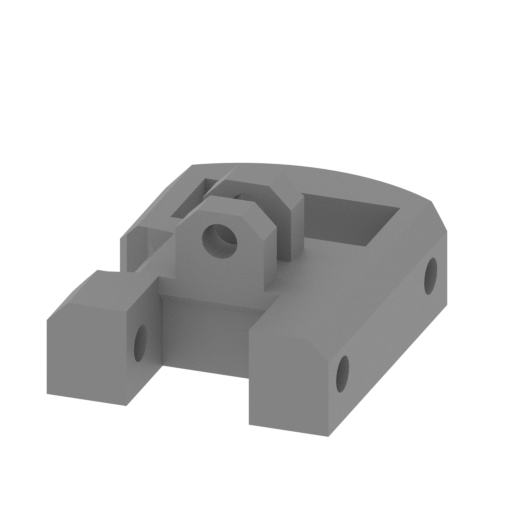 | as_17_sub_wheel_front_L (repaired).stl 24 x 31 x 14 mm | 0.94 x 1.22 x 0.55 in | Size: 24 x 31 x 14 mm | 0.94 x 1.22 x 0.55 in | File size: 0.05 mb | Printing Time / Filament: 43 min / <1 m | ||
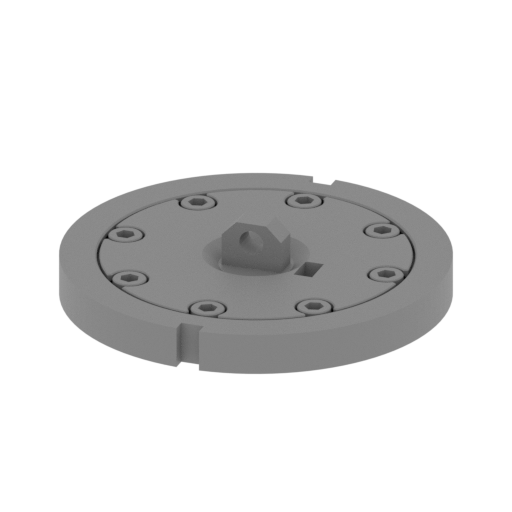 | as_16_bearing_front_L (repaired).stl 46 x 46 x 9 mm | 1.81 x 1.81 x 0.35 in | Size: 46 x 46 x 9 mm | 1.81 x 1.81 x 0.35 in | File size: 1.54 mb | Printing Time / Filament: 1 h 35 min / 1 m | ||
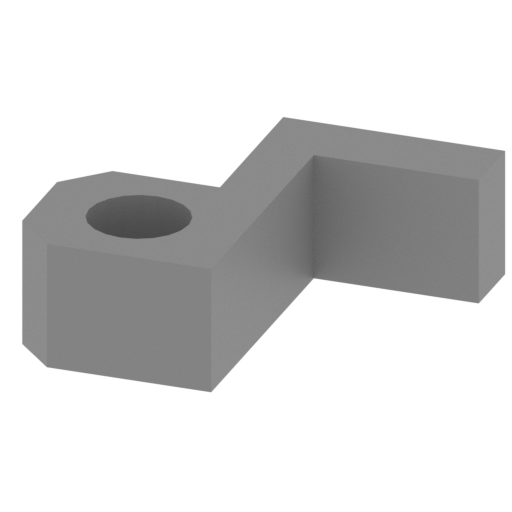 | as_15_sub_bearing_front_L (repaired).stl 11 x 10 x 4 mm | 0.43 x 0.39 x 0.16 in | Size: 11 x 10 x 4 mm | 0.43 x 0.39 x 0.16 in | File size: 0.01 mb | Printing Time / Filament: 4 min / <1 m | ||
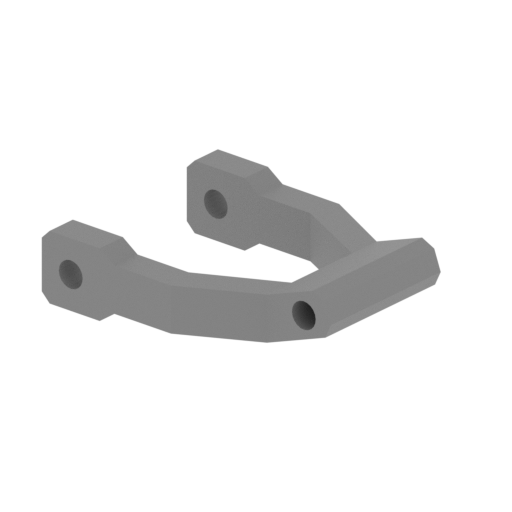 | as_14_susp_beam_front_top_L (repaired).stl 38 x 30 x 8 mm | 1.5 x 1.18 x 0.31 in | Size: 38 x 30 x 8 mm | 1.5 x 1.18 x 0.31 in | File size: 0.03 mb | Printing Time / Filament: 27 min / <1 m | ||
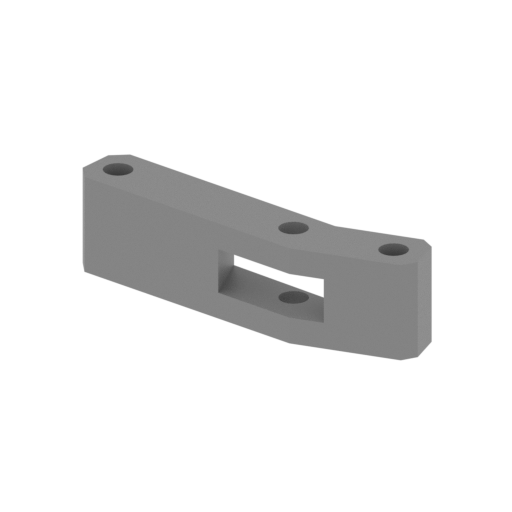 | as_13_susp_beam_front_bot_L (repaired).stl 38 x 15 x 10 mm | 1.5 x 0.59 x 0.39 in | Size: 38 x 15 x 10 mm | 1.5 x 0.59 x 0.39 in | File size: 0.03 mb | Printing Time / Filament: 26 min / <1 m | ||
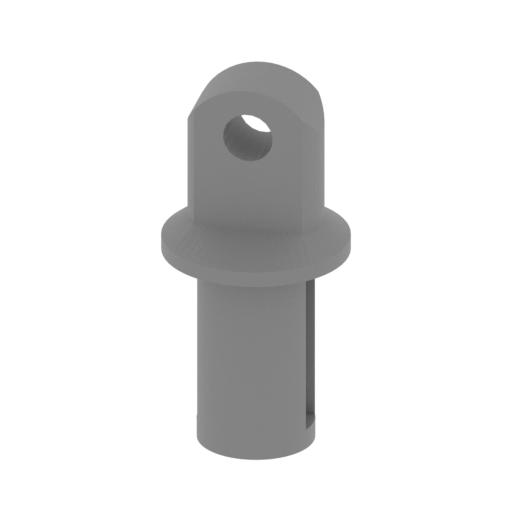 | as_12_shocks_out_front_L (repaired).stl 11 x 11 x 23 mm | 0.43 x 0.43 x 0.91 in | Size: 11 x 11 x 23 mm | 0.43 x 0.43 x 0.91 in | File size: 0.08 mb | Printing Time / Filament: 25 min / <1 m | ||
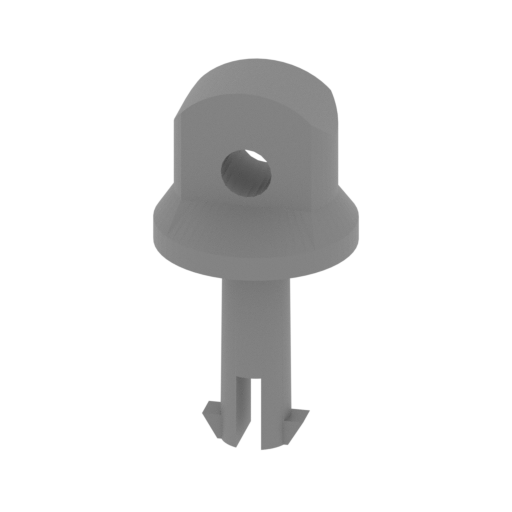 | as_11_shocks_in_front_L (repaired).stl 12 x 12 x 23 mm | 0.47 x 0.47 x 0.91 in | Size: 12 x 12 x 23 mm | 0.47 x 0.47 x 0.91 in | File size: 0.06 mb | Printing Time / Filament: 23 min / <1 m | ||
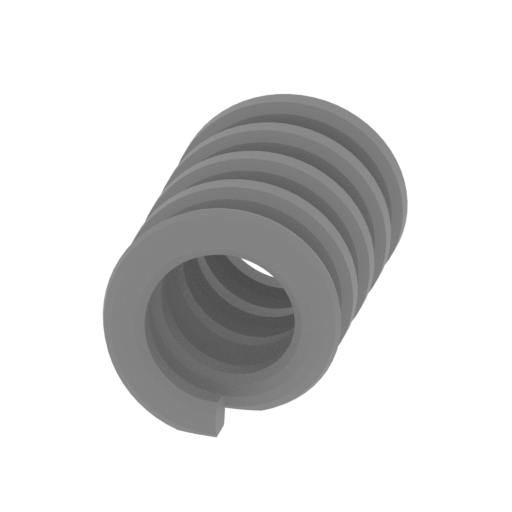 | as_10_shock_spring_front_L (repaired).stl 15 x 23 x 13 mm | 0.59 x 0.91 x 0.51 in | Size: 15 x 23 x 13 mm | 0.59 x 0.91 x 0.51 in | File size: 0.31 mb | Printing Time / Filament: 30 min / <1 m | ||
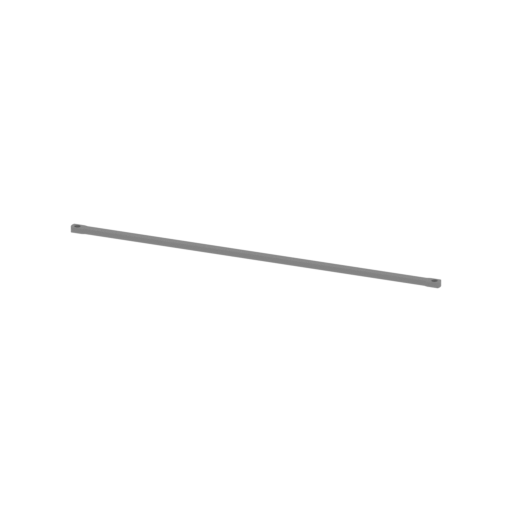 | as_9_wheels_beam_front (repaired).stl 178 x 6 x 3 mm | 7.01 x 0.24 x 0.12 in | Size: 178 x 6 x 3 mm | 7.01 x 0.24 x 0.12 in | File size: 0.05 mb | Printing Time / Filament: 29 min / <1 m | ||
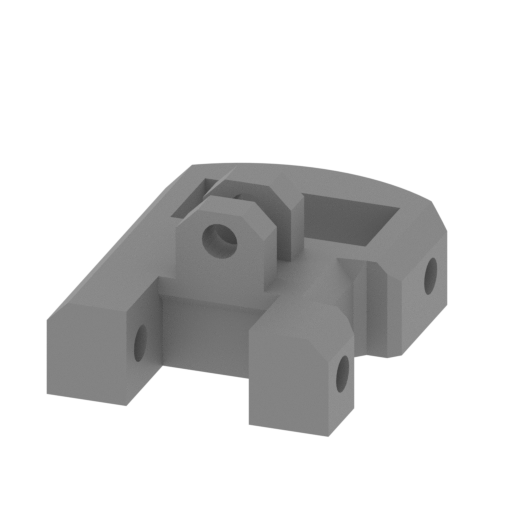 | as_8_sub_wheel_front_R (repaired).stl 24 x 31 x 14 mm | 0.94 x 1.22 x 0.55 in | Size: 24 x 31 x 14 mm | 0.94 x 1.22 x 0.55 in | File size: 0.05 mb | Printing Time / Filament: 42 min / <1 m | ||
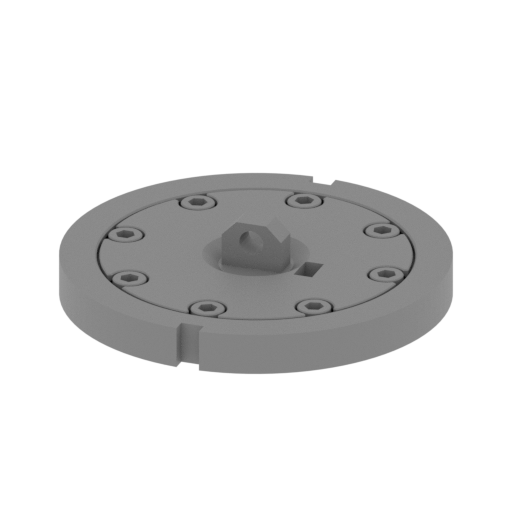 | as_7_bearing_front_R (repaired).stl 46 x 46 x 9 mm | 1.81 x 1.81 x 0.35 in | Size: 46 x 46 x 9 mm | 1.81 x 1.81 x 0.35 in | File size: 1.54 mb | Printing Time / Filament: 1 h 35 min / 1 m | ||
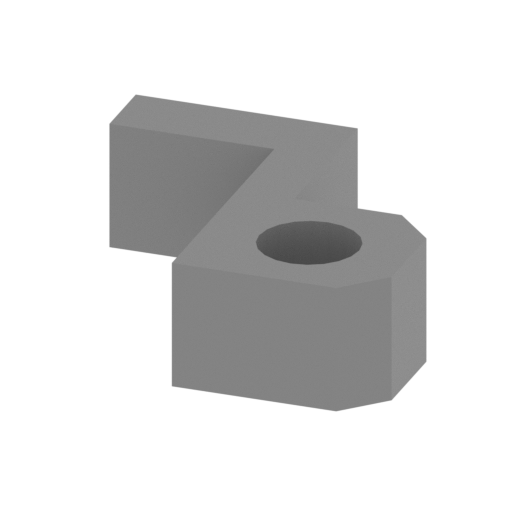 | as_6_sub_bearing_front_R (repaired).stl 11 x 10 x 4 mm | 0.43 x 0.39 x 0.16 in | Size: 11 x 10 x 4 mm | 0.43 x 0.39 x 0.16 in | File size: 0.01 mb | Printing Time / Filament: 4 min / <1 m | ||
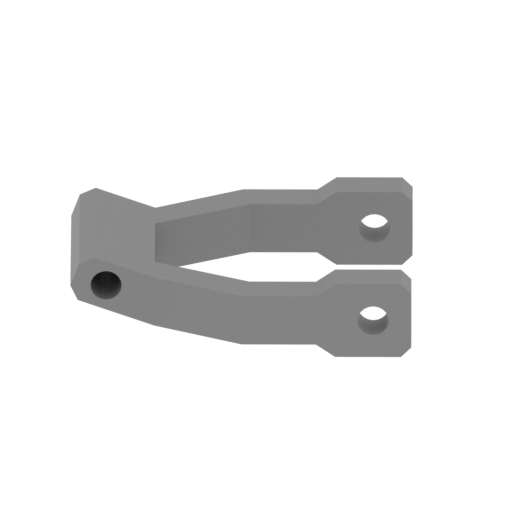 | as_5_susp_beam_front_top_R (repaired).stl 38 x 30 x 8 mm | 1.5 x 1.18 x 0.31 in | Size: 38 x 30 x 8 mm | 1.5 x 1.18 x 0.31 in | File size: 0.03 mb | Printing Time / Filament: 27 min / <1 m | ||
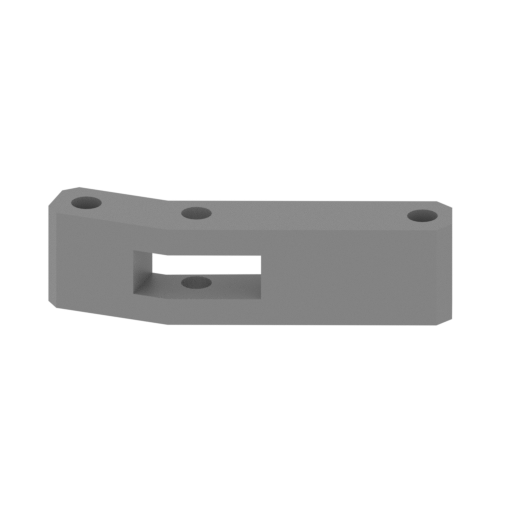 | as_4_susp_beam_front_bot_R (repaired).stl 38 x 15 x 10 mm | 1.5 x 0.59 x 0.39 in | Size: 38 x 15 x 10 mm | 1.5 x 0.59 x 0.39 in | File size: 0.03 mb | Printing Time / Filament: 26 min / <1 m | ||
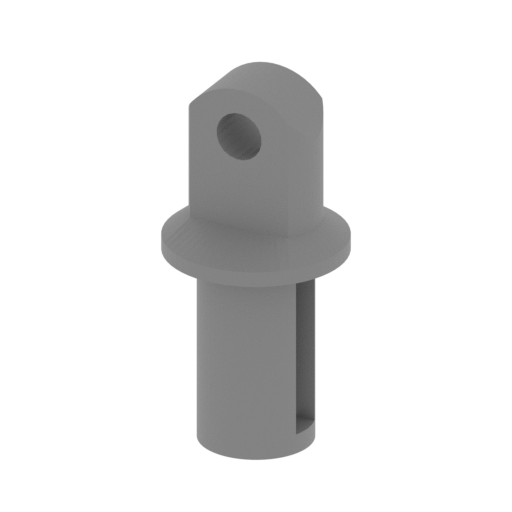 | as_3_shocks_out_front_R (repaired).stl 11 x 11 x 23 mm | 0.43 x 0.43 x 0.91 in | Size: 11 x 11 x 23 mm | 0.43 x 0.43 x 0.91 in | File size: 0.08 mb | Printing Time / Filament: 27 min / <1 m | ||
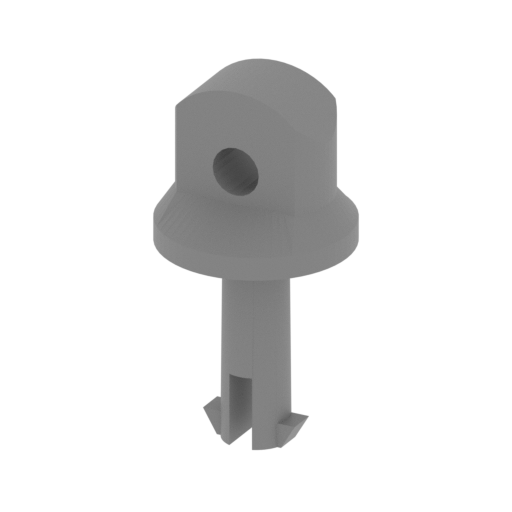 | as_2_shocks_in_front_R (repaired).stl 12 x 12 x 23 mm | 0.47 x 0.47 x 0.91 in | Size: 12 x 12 x 23 mm | 0.47 x 0.47 x 0.91 in | File size: 0.06 mb | Printing Time / Filament: 23 min / <1 m | ||
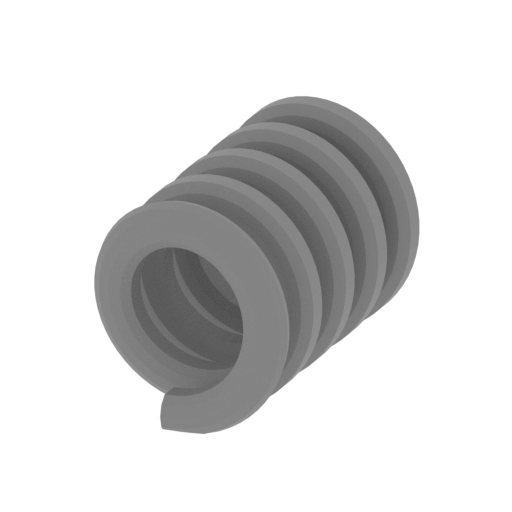 | as_1_shock_spring_front_R (repaired).stl 15 x 23 x 13 mm | 0.59 x 0.91 x 0.51 in | Size: 15 x 23 x 13 mm | 0.59 x 0.91 x 0.51 in | File size: 0.31 mb | Printing Time / Filament: 30 min / <1 m | ||
ABOUT THIS 3D MODEL
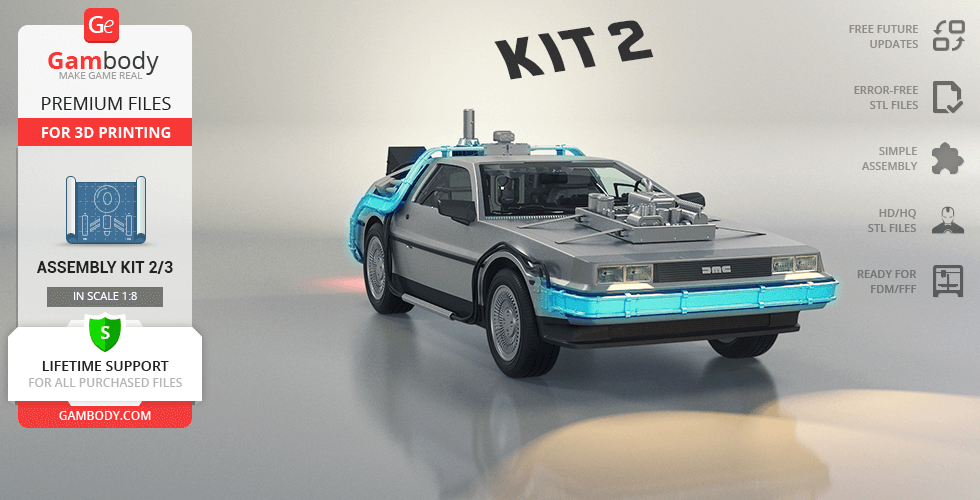
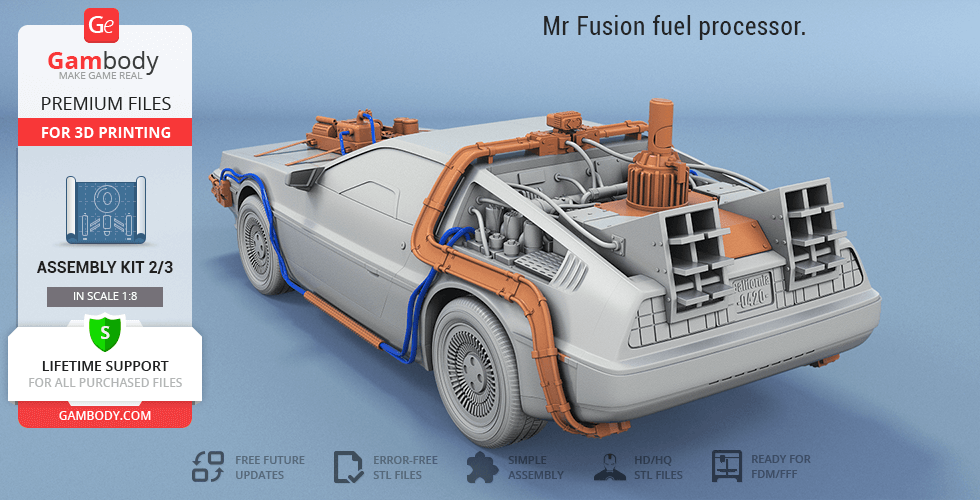
According to the genius inventor Emmett “Doc” Brown, time-travel recipe is as easy as pie: Mr Fusion fuel processor converts garbage to power for the flux capacitor and the flight circuits which help generate 1.21 gigawatts of power needed to travel to any point in time. Well, we may understand what Mr Fusion is, we have enough household waste to feed it for sure and the author of the model did prepare a flux capacitor for 3D printing but what the hell is a gigawatt? All jokes aside, the time-travelling might be fiction now but we are totally convinced that Doc from 1985 would be stunned by the opportunities that 3D printing technology may bring. For example, this assembly kit comprises elements that will help your 3D printing DeLorean acquire all the essential parts both of an ordinary car and a time-travelling device. The Mr Fusion here replaces the nuclear fission reactor and the car’s exterior receives its futuristic flux coils. There is also a microchip for the time circuit controls that is fastened to the hood that the fictional car received at the beginning of the trilogy’s last instalment. While the microchip may as well include vacuum tubes, the 3D printing car’s engine parts impress with the meticulous attention to fine details and the author’s striving for realism. The things might be heavy in the future but creating your own time-travelling DeLorean has never been easier - just order the STL files!
ADAPTATION FOR 3D PRINTING
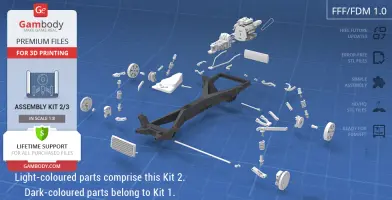
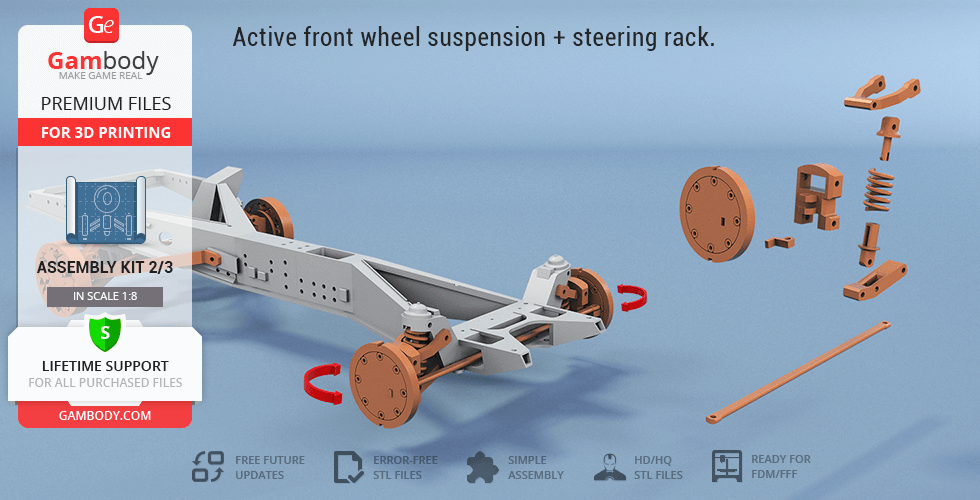
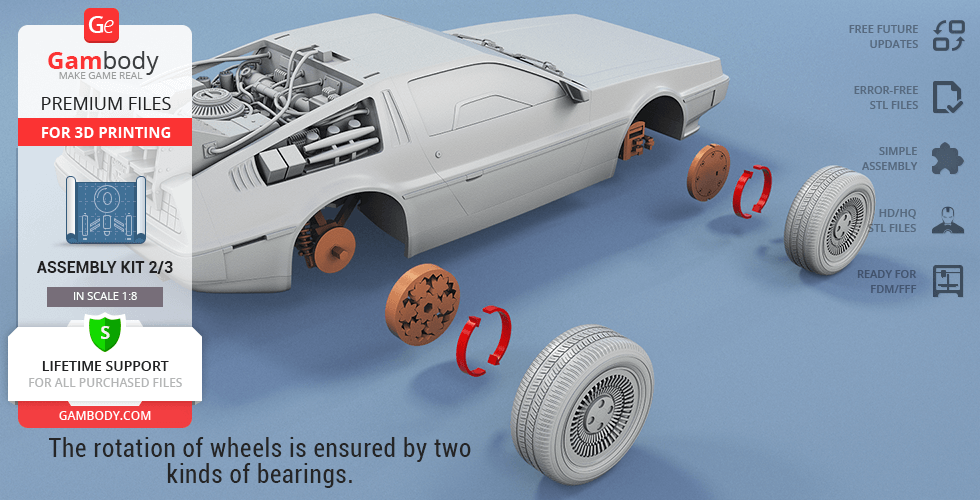
While working on the Assembly Kit 2 of the DeLorean model, Gambody team made sure to make both model’s “time travelling” decorative elements and mechanic parts of the car as true to life as possible. Flux coils around the car’s body were separated for you to be able to print them in transparent filament and illuminate with rope light. All essential elements comprising the DMC’s engine like the radiator, exhaust pipes and hooks, gas tank, alternator and compressor belts etc. were “taken off” the car’s frame and are to be printed and assembled separately. The most careful attention was dedicated to the gem of this assembly kit - an active suspension that comprises the finest elements for you to assemble an extremely realistic rolling chassis. There were also prepared two different types of bearings for front and rear wheels of the 3D printing car. The reason why the front bearings are thinner is to allow for the simultaneous movement of front wheels with the help of a steering rack that was also introduced. All assembly parts are provided in STL files in recommended positions that were worked out in order to ensure the smoothness of the details’ surfaces after printing and so that the 3D printing beginners won't face difficulties when placing the parts on a build plate. The model's assembly requires additional "pins" to secure the parts of the 3D printed car. These pins do not come in STL files but can be made out of short pieces of regular 2.85 PLA, screws or wire of an appropriate diameter. We highly recommend that you watch "Assembly video" in the photo preview section before assembling the DeLorean time machine. When downloading any file that comprises the kit you will also receive "Assembly Manual" in PDF format.
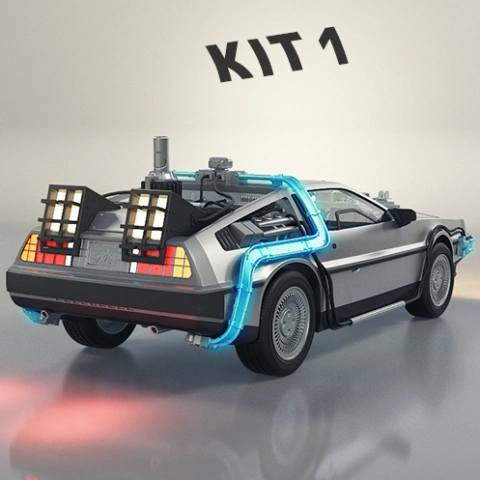
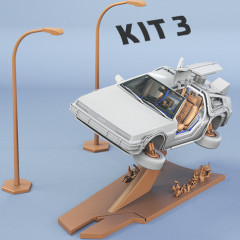
This is the description of the model's Assembly Kit 2: Engines, Mr Fusion, Active Suspension. Standard Assembly Kit 1 and additionalKit 3 can be ordered as separate items as well.
SPECIFICATION OF THE ASSEMBLY KIT 2: External Engine, Mr Fusion, Active Suspension
- The 3D printing model's chosen scale is 1:8 and it was calculated from the actual length of the DMC DeLorean car that is 4216 mm;
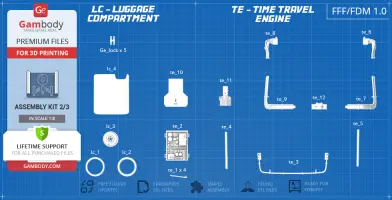
- Contains 70 parts that comprise the engines, outer coils, active suspension, bearings etc. elements of the 3D printing time machine;
- A printed 1:8 DeLorean is 154 mm tall, 234 mm wide, 527 mm deep;
- Assembly kit includes lock Ge_lock_10H x 5 to attach the model's parts securely without glue that needs to be printed 5 times;
TE - Time Travel Engine:
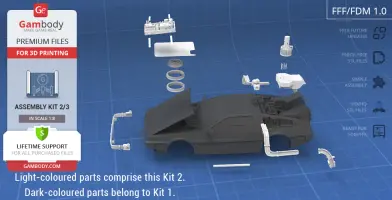
- Mr Fusion fuel processor placed on a hatch replaces the nuclear fission reactor from Kit 1;
- The box on the hood or the microchip for the time circuit controls is "fastened" to the hood with belts;
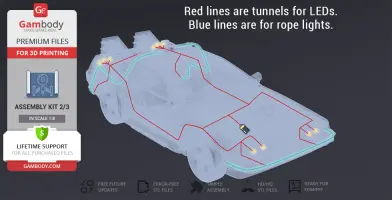
- Flux coils around the car body can be printed in transparent filament and illuminated with rope light;
- The wires connecting the time-travel engine parts are secured underneath the doors with hollow pipes;
- Blue wires do not come in STL files - 1.75mm PLA plastic can be used instead;
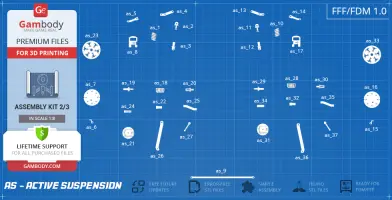
AS - Active suspension:
- The car's chassis can be assembled into the rolling one with the help of active suspension system;
- A spring, shock assembly, link, track rod, brake disc etc. form the basis of the car's active suspension;
- Rear wheels are equipped with rotating gear bearings that are easily printed one-piece;
- The front of the frame is equipped with a steering rack that allows the simultaneous movement of front wheels;
- The rotation of the front wheels is ensured by special thin bearings that are also to be printed one-piece;
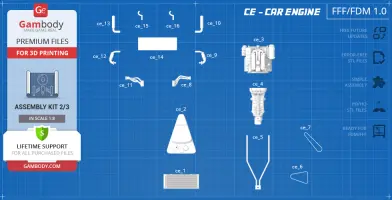
CE - Car engine:
- Highly-detailed transmission case and engine are placed on the separated engine pipes;
- Alternator belt and compressor belt to put over the pulleys;
- Complete exhaust system with exhaust pipes and hooks to secure the exhaust system underneath the frame;
- The radiator is to be secured at the front of the frame;
- Similar to DMC-12, the car's gas tank is to be placed in the middle of the frame;
- Blue tubes do not come in STL files - 1.75mm PLA plastic can be used instead;
LC - Luggage compartment:
- A spare wheel (tyre + rim) is to be placed into its designated place in the luggage compartment interior;
- Two variants of spare wheel tyre to choose from: one is meant for plastic filament, the other is hollow for flexible material;
- A cover to place over the luggage compartment.
ADDITIONAL DELOREAN 3D MODEL KITS:
Kit 1: Standard Assembly Kit
Kit 3: Car Interior, Wheels and Platforms
WHAT WILL YOU GET AFTER PURCHASE?
- STL files of DeLorean Model Assembly Kit 2 for 3D Printing which consist of 70 parts;
- Assembly Kit 2 that consists of engines, outer coils, active suspension, bearings;
- High-poly detailed model of DeLorean in Kit 2;
- Assembly Manual in PDF format;
- Detailed settings that we provide as a recommendation for Cura , Simplify3D and Slic3r for the best print;
- Full technical support from the Gambody Support Team.
You can get DeLorean Model Assembly Kit 2 for 3D Printing immediately after the purchase! Just click the green Buy button in the top-right corner of the model’s page. You can pay with PayPal or your credit card.
Watch the tutorial on how to assemble DeLorean 3D Printing Model | Assembly Kit 2: Engines, Mr Fusion, Active Suspension at Gambody YouTube channel.
Also, you may like Marty McFly and Doc Brown 3D Printing Figurines.
_______
FAQ:
Where can I print a model if I have no printer?
How to get started with 3D printing?
How to set up my 3D printer?
How to choose right 3D model print bed positioning?
How to paint printed figurine?
Average customer rating (11 reviews)
4.5
Ratings breakdown
Click a star rating to filter reviews
Overall experience
Level of detail in the model
4.5
Model cut quality and assembly guide
4.5
Clarity and accuracy of the model page
4.5



 This feedback is from a user who hasn't purchased this model
 Level of detail in the model
5
Model cut quality and assembly guide
5
Clarity and accuracy of the model page
5

 This feedback is from a user who hasn't purchased this model
 Level of detail in the model
3
Model cut quality and assembly guide
3
Clarity and accuracy of the model page
3


 Verified purchase
 Level of detail in the model
5
Model cut quality and assembly guide
5
Clarity and accuracy of the model page
5
 Verified purchase
 Level of detail in the model
5
Model cut quality and assembly guide
5
Clarity and accuracy of the model page
5
This feedback is from a user who hasn't purchased this model Level of detail in the model
4
Model cut quality and assembly guide
4
Clarity and accuracy of the model page
4
This feedback is from a user who hasn't purchased this model Level of detail in the model
4
Model cut quality and assembly guide
4
Clarity and accuracy of the model page
4
Verified purchase Level of detail in the model
5
Model cut quality and assembly guide
5
Clarity and accuracy of the model page
5
This feedback is from a user who hasn't purchased this model Level of detail in the model
4
Model cut quality and assembly guide
4
Clarity and accuracy of the model page
4
This feedback is from a user who hasn't purchased this model Level of detail in the model
5
Model cut quality and assembly guide
5
Clarity and accuracy of the model page
5

 This feedback is from a user who hasn't purchased this model
 Level of detail in the model
5
Model cut quality and assembly guide
5
Clarity and accuracy of the model page
5

 Community Support Team
 Level of detail in the model
5
Model cut quality and assembly guide
5
Clarity and accuracy of the model page
5
Below you'll find detailed slicing settings for Bambu Studio 2.0+, Orca Slicer 2.0+, UltiMaker Cura 5.0+, PrusaSlicer 2.0+, Slic3r 1.3+, Simplify3D 5.0+ to help you get the best results when printing this model. These settings are optimized specifically for this 3D model, but please note they may need slight adjustments depending on your printer or filament. When in doubt, refer to your printer's user manual.
To avoid printing issues and achieve the best quality, we highly recommend applying the following settings:
 Bambu Studio 2.0+
 For better quality use 0.12 mm layer height, for fast printing use 0.2 mm layer height. For pins and the Ge connectors, use 0.2 layer height.
120-150% of your Layer Height
But you can paint the seam if you want.
You have to calibrate this parameter
You have to calibrate this parameter
You have to calibrate this parameter
For pins and power elements of the structure, such as the vehicle frame, use 3 loop
Disabled for vehicles and enabled for characters
For 0,2 Layer Height
The parameters in this tab vary greatly, it all depends on the quality of your printer. For example, if you have a classic Ender3, stick to the minimum parameters, but if you have a newer printer, for example Anycubic cobra 3 v2, you can select the maximum recommended values
Settings for advanced users, change these parameters only if you have sufficient 3D printing expertise
Enable this parameter if your model requires supports
We also recommend placing and removing supports manually in some places using special button
1-2 loops for more thick support
Top Z distance = 1-1.3 layer Height. If the supports are hard to remove, try increasing this setting by 0.1-0,4 mm
Bottom Z distance = 1-1.3 layer Height. If the supports are hard to remove, try increasing this setting by 0.1-0,4 mm
You have to calibrate this parameter which one is better for your filament
Increase this parameter if the supports are hard to remove from walls
For PLA and PETG filament types
5-8 mm is optional for small prints that have bad adhesion to the build plate
You have to calibrate this parameter
Read the description on your filament roll
Read the description on your filament roll and increase this parameter for fast printers
Read the description on your filament roll and increase this parameter for fast printers
 Orca Slicer 2.0+
 For better quality use 0.12 mm layer height, for fast printing use 0.2 mm layer height. For pins and the Ge connectors, use 0.2 layer height.
120-150% of your Layer Height
But you can paint the seam if you want.
0.01-0.05 You have to calibrate this parameter
0.01-0.05 You have to calibrate this parameter
0.1-0.2 You have to calibrate this parameter
For pins and power elements of the structure, such as the vehicle frame, use 3 loop
Disabled for vehicles and ships, enabled for characters
For 0,2 Layer Height
For 0,2 Layer Height
The parameters in this tab vary greatly, it all depends on the quality of your printer. For example, if you have a classic Ender3, stick to the minimum parameters, but if you have a newer printer, for example, Anycubic Kobra 3 Or Bambulab A1, you can select the maximum recommended values.
Settings for advanced users, change these parameters only if you have sufficient 3D printing expertise
Enable this parameter if your model requires supports
We also recommend placing and removing supports manually in some places using special button
Top Z distance = 1-1.3 layer Height. If the supports are hard to remove, try increasing this setting by 0.1-0,4 mm
Bottom Z distance = 1-1.3 layer Height. If the supports are hard to remove, try increasing this setting by 0.1-0,4 mm
Increase this parameter if the supports are hard to remove from walls
For PLA and PETG filament types
5-8 mm is optional for small prints that have bad adhesion to the build plate
Read the description on your filament roll
Read the description on your filament roll and increase this parameter for fast printers
You have to calibrate this parameter
Read the description on your filament roll and increase this parameter for fast printers
Read the description on your filament roll
This field is filled in according to your printer specifications when you add it to the slicer.
You can add custom G-code here for the start and end of the print. However, be careful - this is for advanced users only!
You have to calibrate your printer using Ge retraction test models
Retraction Length: For direct-drive setups use 0.5 mm to 2.5 mm; for Bowden extruders use 5 to 7 mm
This is how fast the filament is pulled back—40-60 mm/s for direct drive and 30-50 mm/s for Bowden setups.
You have to calibrate this parameter: Reduce it until the printer starts to hit the parts with the nozzle during printing, then increase it by 0.2.
 UltiMaker Cura 5.0+
 For better quality use 0.12 mm layer height, for fast printing use 0.2 mm layer height. For pins and the Ge connectors, use 0.2 layer height.
120-150% of your Layer Height
To increase the strength of the print parts, use wall line count: 3
For pins and connectors use 50% Infill
These parameters are for standard PLA plastic. If you are using a different type of plastic, check the printing temperature recommended by the manufacturer. Also, read the description on your filament spool. For fast printers, add +30 °C to the current parameters.
The parameters in this tab vary greatly, it all depends on the quality of your printer. For example, if you have a classic Ender3, stick to the minimum parameters, but if you have a newer printer, for example Anycubic cobra 3 v3, you can select the maximum recommended values
Settings for advanced users, change these parameters only if you have sufficient 3D printing expertise.
You need to calibrate this parameter using Gambody test models. These values are average values for a Direct Drive extruder; for a Bowden extruder, the values should be increased.
You need to calibrate this parameter using Gambody test models. These values are average values for a Direct Drive extruder; for a Bowden extruder, the values should be increased.
Use this value other than 0 if your nozzle catches on the internal infill during travel moves. Try to keep this value as low as possible in height.
Use normal supports to support large, straight surfaces (most mechanical or technical parts).
You have to calibrate this parameter according to the capabilities of your printer and your filament, using a Gambody test models.
Use 1 instead of 0 if your supports are thin and tall. They will be harder to remove, but much stronger.
Top Z distance = 1-1.3 layer Height. If the supports are hard to remove, try increasing this setting by 0.1-0,4 mm
Increase this parameter if the supports are hard to remove from walls
Use tree supports to support complex objects, such as characters.
You have to calibrate this parameter according to the capabilities of your printer and your filament, using a Gambody test models.
Top Z distance = 1-1.3 layer Height. If the supports are hard to remove, try increasing this setting by 0.1-0,4 mm
Increase this parameter if the supports are hard to remove from walls
Use a skirt for all parts when printing on outdated printers.
Use a brim when printing thin but tall parts, as well as parts with a small bed adhesion area.
 PrusaSlicer 2.0+
 For better quality use 0.12 mm layer height, for fast printing use 0.2 mm layer height. For pins and the Ge connectors, use 0.2 layer height.
120-150% of your Layer Height
for 0.2 Layer Height
But you can paint the seam if you want.
(for PLA and PETG)
(5-8 mm is optional for small prints that have bad adhesion to the build plate)
Enable this parameter if your model requires supports
(45-50 degree)You have to calibrate this parameter according to the capabilities of your printer
and your filament, using a Gambody test models.
Top contact Z distance = 1-1.3 layer Height. If the supports are hard to remove, try
increasing this setting by 0.1-0,4 mm
Top contact Z distance = 1-1.3 layer Height. If the supports are hard to remove, try
increasing this setting by 0.1-0,4 mm
Increase this parameter if the supports are hard to remove from walls
The parameters in this tab vary greatly, it all depends on the quality of your printer. For example, if you have a classic Ender3, stick to the minimum parameters, but if you have a newer printer, for example Anycubic cobra 3 v3, you can select the maximum recommended values
Settings for advanced users, change these parameters only if you have sufficient 3D printing expertise. Use the minimum value for outdated printers without acceleration calibration, and the maximum value for modern printers if you need it.
These settings only work for 3D printers with multiple extruders
You can try setting all parameters in this section, except the First layer, to values between 0.75% of your nozzle diameter and 1.25% of your nozzle diameter. Adjusting them will help you work out the optimal parameters for the best quality for your print. As for the First layer, you can set it to 150% of the diameter of your nozzle for better adhesion to the build plate (for a nozzle with a diameter of 0.4 mm, the First layer extrusion width can be from 0.3 mm to 0.5 mm)
For better printing quality you have to calibrate this parameter using Gambody test model.
Check your filament manufacturer's temperature recommendations on the spool.
Cooling parameters depends on the material you use for printing.
*for PLA
 Slic3r 1.3+
 For better quality use 0.12 mm layer height, for fast printing use 0.2 mm layer height. For pins and the Ge connectors, use 0.2 layer height.
120-150% of your Layer Height
For 0.12 Layer Height
For 0.12 Layer Height
For pins and connectors use 50% Infill
Use skirt for outdated 3d printers
(5-8 mm is optional for small prints that have bad adhesion to the build plate)
Enable this parameter if your model requires supports
(45-60 degree)You have to calibrate this parameter according to the capabilities of your printer and your filament, using a Gambody test models
Contact Z distance = 1-1.3 layer Height. If the supports are hard to remove, try increasing this setting by 0.1-0,4 mm
The parameters in this tab vary greatly, it all depends on the quality of your printer. For example, if you have a classic Ender3, stick to the minimum parameters, but if you have a newer printer, for example Anycubic cobra 3 v3, you can select the maximum recommended values
Settings for advanced users, change these parameters only if you have sufficient 3D printing expertise. Use the minimum value for outdated printers without acceleration calibration, and the maximum value for modern printers if you need it.
You have to calibrate this parameter from 0.9 to 1.1 according to the capabilities of your printer and your filament, using a Gambody test models.
Check your filament manufacturer's temperature recommendations on the spool.
Cooling parameters depends on the material you use for printing.
Calibrate this value if you need to reduce or improve the adhesion between the plastic and the heat bed
Your current nozzle diameter
You need to calibrate this parameter using Gambody test models. These values are average values for a Direct Drive extruder; for a Bowden extruder, the values should be increased.
 Simplify3D 5.0+
 Your current nozzle diameter
You have to calibrate this parameter using Gambody test models.
You need to calibrate this parameter using Gambody test models. These values are average values for a Direct Drive extruder; for a Bowden extruder, the values should be increased.
For better quality use 0.12 mm layer height, for fast printing use 0.2 mm layer height. For pins and the Ge connectors, use 0.2 layer height.
For 0,2 Layer Height
For 0,2 Layer Height
To increase the strength of the print parts, use Outline Perimeters: 3
You can enable this parameter to print rounded or spherical models, as well as character models.
Use this option only if your parts are too tight. but better calibrate your printer extrusion
Use this option only if your parts are too tight. but better calibrate your printer extrusion
Use 2 and more if you want to create skirt instead brim
1-2 for skirt and 10-20 for brim
Use for wipe nozzle if you need
Use For ABS filament
For pins and connectors use 50% Infill
Top Z distance = 1-1.3 layer Height. If the supports are hard to remove, try increasing this setting by 0.1-0,4 mm
Calibrate your filament and detect optimal temperature for it
Average temperature for PLA filament
The parameters in this tab vary greatly, it all depends on the quality of your printer. For example, if you have a classic Ender3, stick to the minimum parameters, but if you have a newer printer, for example Anycubic cobra 3 v3, you can select the maximum recommended values
Settings for advanced users, change these parameters only if you have sufficient 3D printing expertise.