Community (fb)

 ua
ua 




Files
3D model format
Stereolithography (.stl)
Total files

Slicer settings
Mesh error check
Netfabb
Support
Lifetime support from Gambody team
Update requests
Available to verified buyers
Model complexity
Advanced: may require tuning print settings or support placement, plus precise fitting, gluing, or sanding.
Model versions
FFF/FDM
Assembly method
not specified
Features
DLP/SLA
Assembly method
not specified
Features
Additional details
Part of diorama
No
Special pack included
No
You will get instant access to the STL files of Sentinel 3D Printing Model | Assembly + Action after completing your purchase. Simply add the model to your cart and check out using PayPal, credit or debit card, Apple Pay, Google Pay, Alipay, or other available payment methods.
Watch the assembly video for Sentinel 3D Printing Model | Assembly + Action, and explore more tutorials, behind-the-scenes content, 3D printing timelapses, and painting guides on the official Gambody YouTube channel.
This 3D Model consists of files in StereoLithography (.Stl) format that is optimized for 3D printing.
Before printing the files, we strongly recommend reading the PRINTING DETAILS section.
Sentinel 3D Printing Model comes in 2 versions for FFF/FDM and DLP/SLA/SLS 3D printers. STL files of all versions are available for download after purchase.
Detailed information about this 3D printing model is available in the DESCRIPTION section.
Before printing, take a look at Printing Details for recommended settings and tips to achieve better results.
| File name | Size (mm | in) | Size(mb) | Printing Time / Filament | |||
|---|---|---|---|---|---|---|
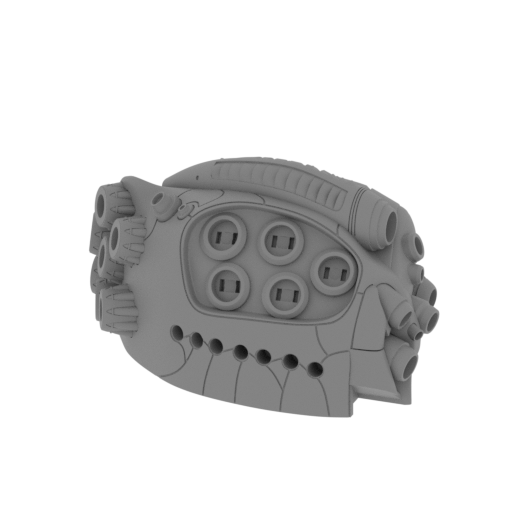 | 37_v2_Body_R_not_hollow_fdm (repaired).stl 157.92 x 97.4 x 87.81 mm | 6.22 x 3.83 x 3.46 in | Size: 157.92 x 97.4 x 87.81 mm | 6.22 x 3.83 x 3.46 in | File size: 45.17 mb | Printing Time / Filament: 47 h 14 min / 26 m | ||
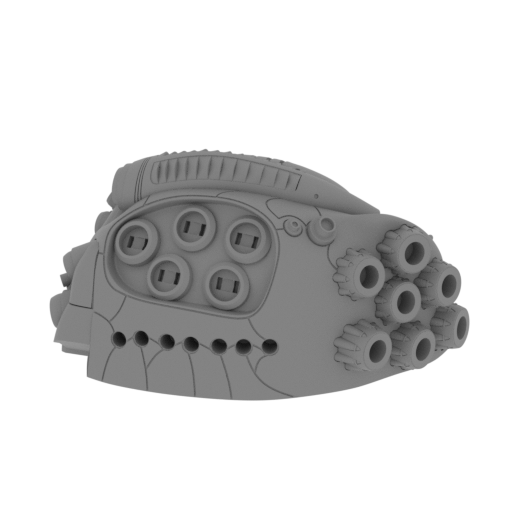 | 36_v2_Body_L_not_hollow_fdm (repaired).stl 157.92 x 97.4 x 87.41 mm | 6.22 x 3.83 x 3.44 in | Size: 157.92 x 97.4 x 87.41 mm | 6.22 x 3.83 x 3.44 in | File size: 48.14 mb | Printing Time / Filament: 47 h 23 min / 26 m | ||
 | 7_Tail_v3_x602_7%_smaller_ball (repaired).stl 13 x 13 x 12 mm | 0.51 x 0.51 x 0.47 in | Size: 13 x 13 x 12 mm | 0.51 x 0.51 x 0.47 in | File size: 1.43 mb | Printing Time / Filament: 11 min / <1 m | ||
 | 7_Tail_v2_x602_5%_smaller_ball (repaired).stl 13 x 13 x 12 mm | 0.51 x 0.51 x 0.47 in | Size: 13 x 13 x 12 mm | 0.51 x 0.51 x 0.47 in | File size: 1.43 mb | Printing Time / Filament: 11 min / <1 m | ||
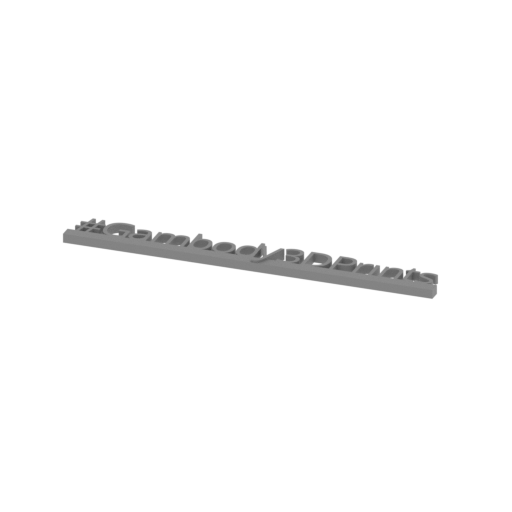 | Tag (repaired).stl 150 x 18 x 5 mm | 5.91 x 0.71 x 0.2 in | Size: 150 x 18 x 5 mm | 5.91 x 0.71 x 0.2 in | File size: 1.78 mb | Printing Time / Filament: 1 h 16 min / 1 m | ||
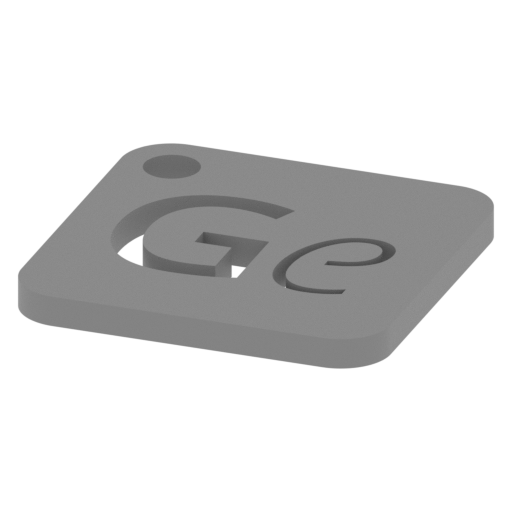 | Keychain (repaired).stl 30 x 30 x 2 mm | 1.18 x 1.18 x 0.08 in | Size: 30 x 30 x 2 mm | 1.18 x 1.18 x 0.08 in | File size: 0.37 mb | Printing Time / Filament: 23 min / <1 m | ||
 | 63_Trube2_fdm (repaired).stl 3 x 19 x 40 mm | 0.12 x 0.75 x 1.57 in | Size: 3 x 19 x 40 mm | 0.12 x 0.75 x 1.57 in | File size: 0.14 mb | Printing Time / Filament: 38 min / <1 m | ||
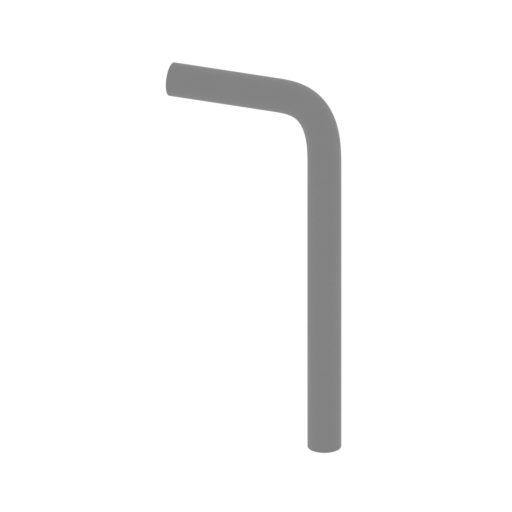 | 62_Trube1_fdm (repaired).stl 18 x 3 x 39 mm | 0.71 x 0.12 x 1.54 in | Size: 18 x 3 x 39 mm | 0.71 x 0.12 x 1.54 in | File size: 0.15 mb | Printing Time / Filament: 35 min / <1 m | ||
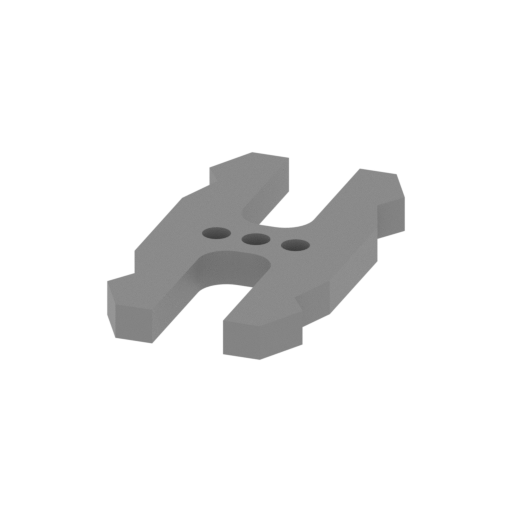 | 61_KlopStand_x4 (repaired).stl 10 x 18 x 2 mm | 0.39 x 0.71 x 0.08 in | Size: 10 x 18 x 2 mm | 0.39 x 0.71 x 0.08 in | File size: 0.03 mb | Printing Time / Filament: 4 min / <1 m | ||
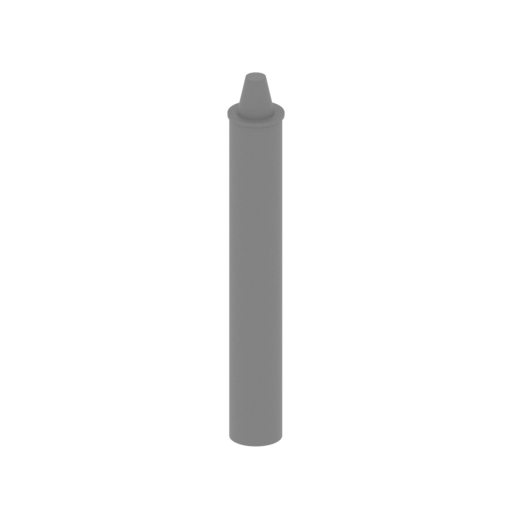 | 60_BigTrube2_fdm (repaired).stl 9 x 9 x 60 mm | 0.35 x 0.35 x 2.36 in | Size: 9 x 9 x 60 mm | 0.35 x 0.35 x 2.36 in | File size: 0.92 mb | Printing Time / Filament: 50 min / <1 m | ||
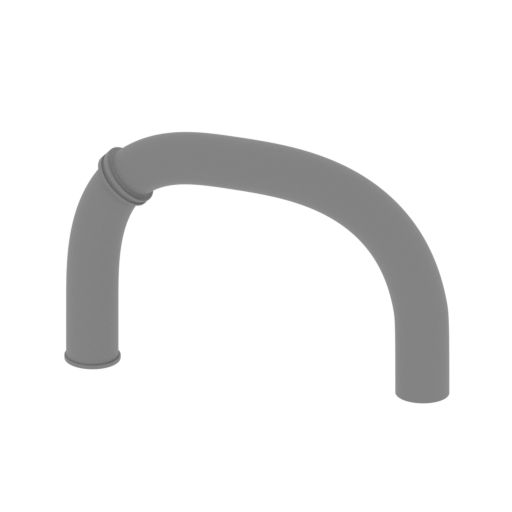 | 59_BigTrube1_fdm (repaired).stl 61 x 14 x 41 mm | 2.4 x 0.55 x 1.61 in | Size: 61 x 14 x 41 mm | 2.4 x 0.55 x 1.61 in | File size: 11.10 mb | Printing Time / Filament: 1 h 27 min / 1 m | ||
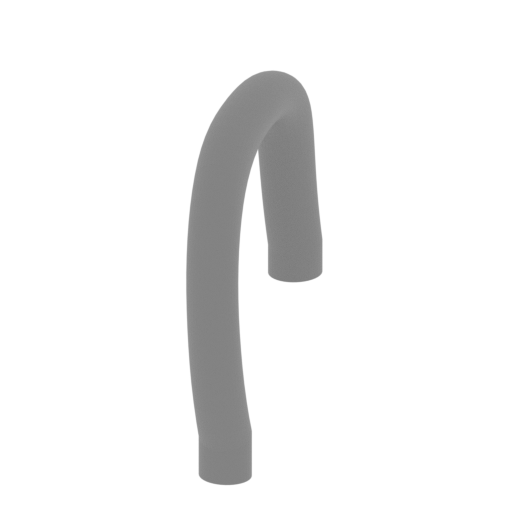 | 58_Trube5_fdm (repaired).stl 7 x 28 x 24 mm | 0.28 x 1.1 x 0.94 in | Size: 7 x 28 x 24 mm | 0.28 x 1.1 x 0.94 in | File size: 0.20 mb | Printing Time / Filament: 25 min / <1 m | ||
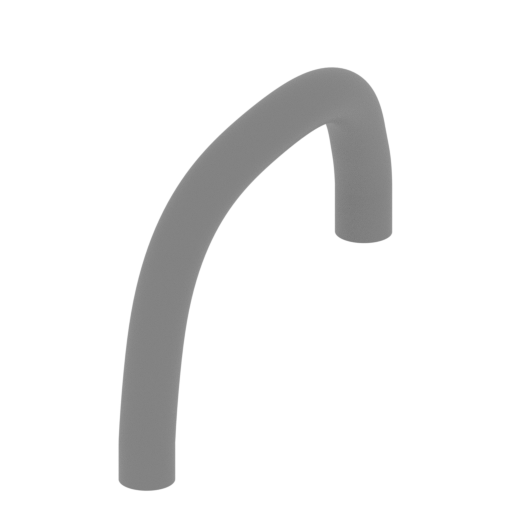 | 57_Trube4_fdm (repaired).stl 11 x 20 x 24 mm | 0.43 x 0.79 x 0.94 in | Size: 11 x 20 x 24 mm | 0.43 x 0.79 x 0.94 in | File size: 0.76 mb | Printing Time / Filament: 23 min / <1 m | ||
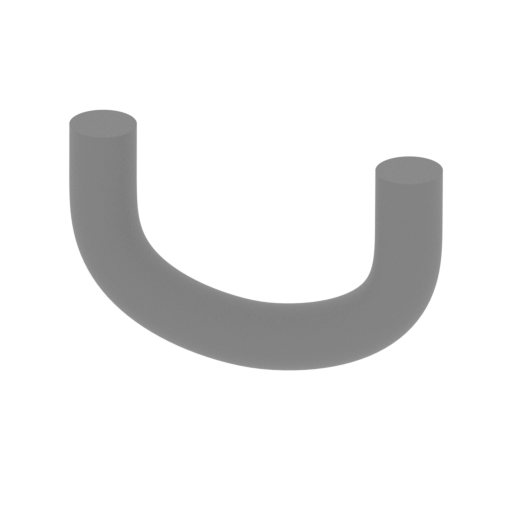 | 56_Trube3_fdm (repaired).stl 24 x 4 x 14 mm | 0.94 x 0.16 x 0.55 in | Size: 24 x 4 x 14 mm | 0.94 x 0.16 x 0.55 in | File size: 0.57 mb | Printing Time / Filament: 13 min / <1 m | ||
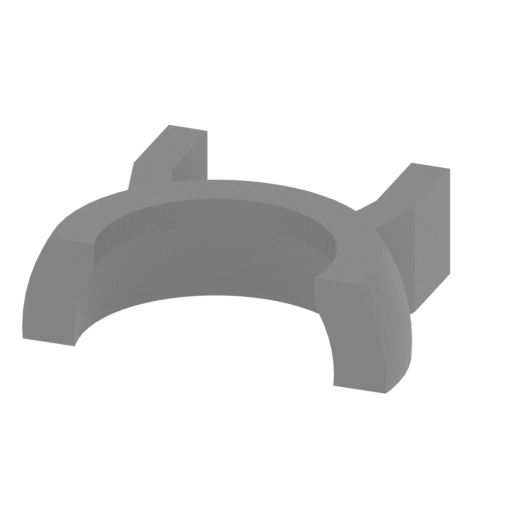 | 55_Lock_x4_fdm (repaired).stl 18 x 14 x 5 mm | 0.71 x 0.55 x 0.2 in | Size: 18 x 14 x 5 mm | 0.71 x 0.55 x 0.2 in | File size: 0.10 mb | Printing Time / Filament: 7 min / <1 m | ||
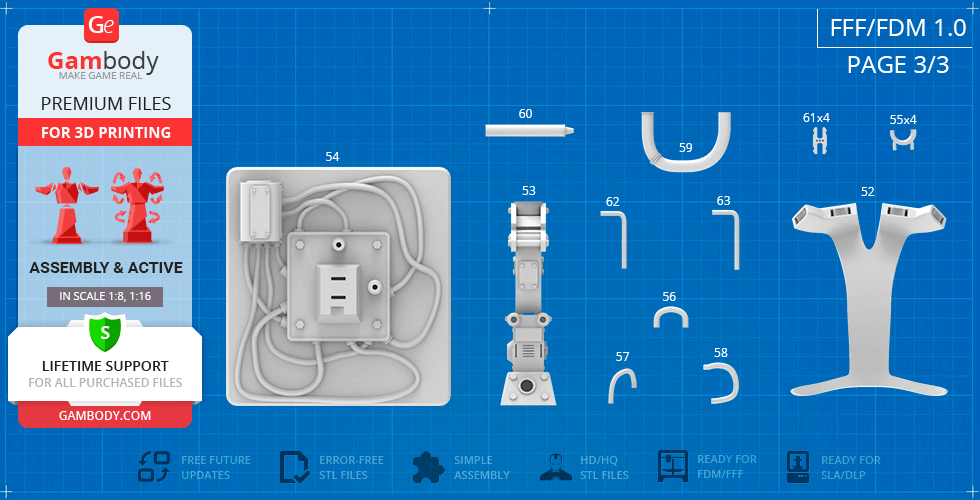
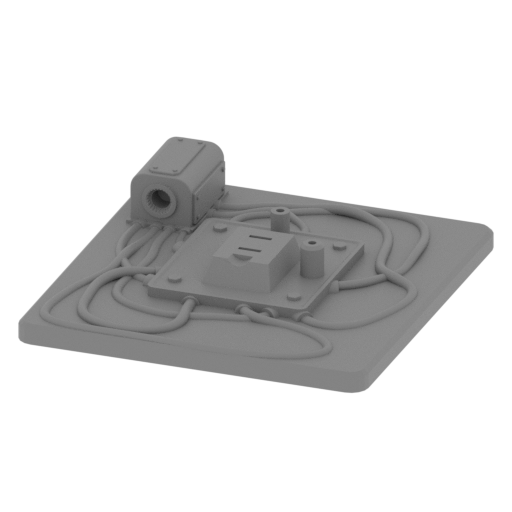 | 54_Platform_fdm (repaired).stl 152 x 161 x 33 mm | 5.98 x 6.34 x 1.3 in | Size: 152 x 161 x 33 mm | 5.98 x 6.34 x 1.3 in | File size: 15.97 mb | Printing Time / Filament: 24 h 10 min / 13 m | ||
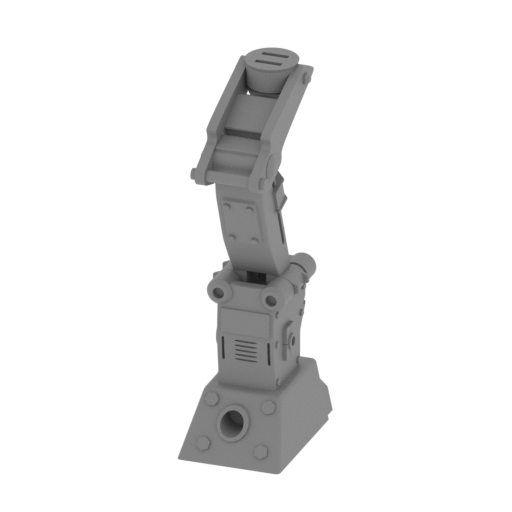 | 53_Base2_fdm (repaired).stl 38 x 60 x 138 mm | 1.5 x 2.36 x 5.43 in | Size: 38 x 60 x 138 mm | 1.5 x 2.36 x 5.43 in | File size: 7.74 mb | Printing Time / Filament: 15 h 57 min / 11 m | ||
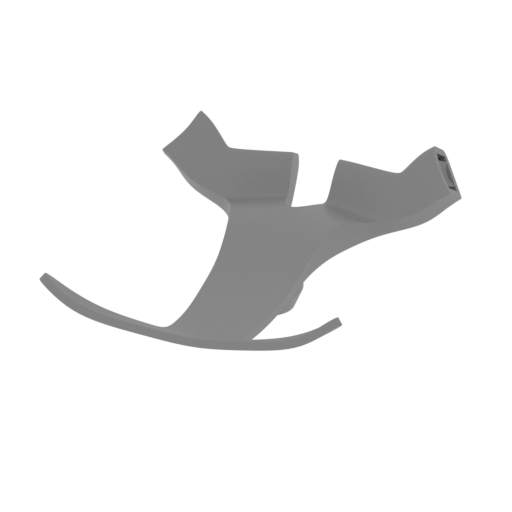 | 52_Base1_fdm (repaired).stl 107 x 130 x 43 mm | 4.21 x 5.12 x 1.69 in | Size: 107 x 130 x 43 mm | 4.21 x 5.12 x 1.69 in | File size: 4.14 mb | Printing Time / Filament: 9 h 33 min / 7 m | ||
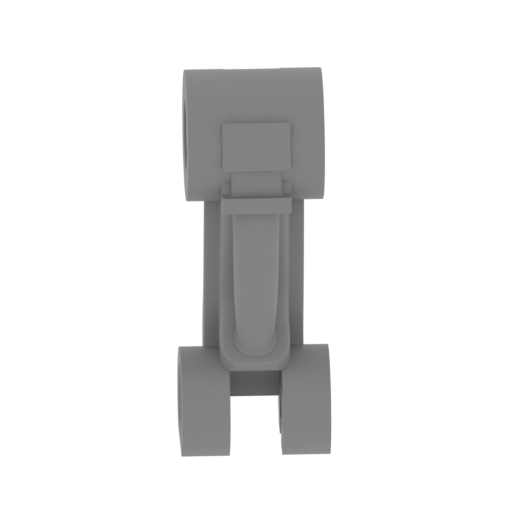 | 51_Hand_C_x10_fdm (repaired).stl 15 x 15 x 33 mm | 0.59 x 0.59 x 1.3 in | Size: 15 x 15 x 33 mm | 0.59 x 0.59 x 1.3 in | File size: 5.01 mb | Printing Time / Filament: 49 min / <1 m | ||
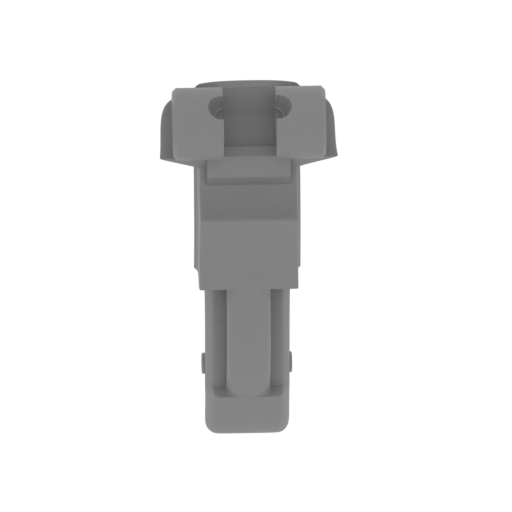 | 50_Hand_B_x10_fdm (repaired).stl 17 x 18 x 38 mm | 0.67 x 0.71 x 1.5 in | Size: 17 x 18 x 38 mm | 0.67 x 0.71 x 1.5 in | File size: 4.87 mb | Printing Time / Filament: 49 min / <1 m | ||
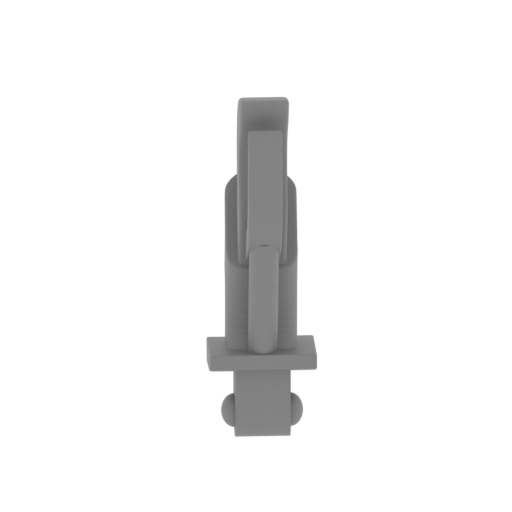 | 49_Hand_A_x10_fdm (repaired).stl 12 x 14 x 35 mm | 0.47 x 0.55 x 1.38 in | Size: 12 x 14 x 35 mm | 0.47 x 0.55 x 1.38 in | File size: 1.36 mb | Printing Time / Filament: 32 min / <1 m | ||
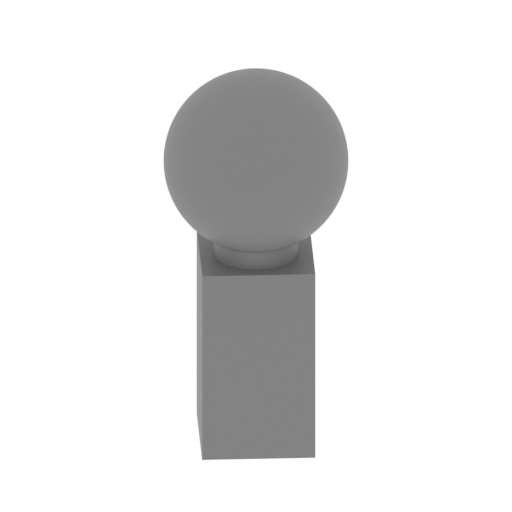 | 48_Hand_Joint_x10_fdm (repaired).stl 7 x 7 x 16 mm | 0.28 x 0.28 x 0.63 in | Size: 7 x 7 x 16 mm | 0.28 x 0.28 x 0.63 in | File size: 0.29 mb | Printing Time / Filament: 9 min / <1 m | ||
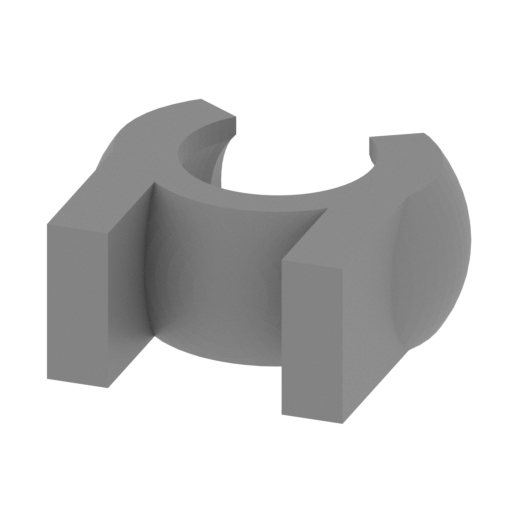 | 47_Hand_claw_x10_fdm(repaired).stl 11 x 10 x 5 mm | 0.43 x 0.39 x 0.2 in | Size: 11 x 10 x 5 mm | 0.43 x 0.39 x 0.2 in | File size: 0.15 mb | Printing Time / Filament: 5 min / <1 m | ||
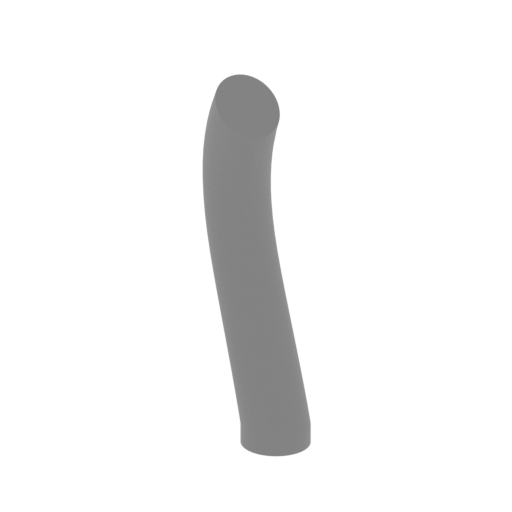 | 46_Trube_L_fdm (repaired).stl 9 x 8 x 32 mm | 0.35 x 0.31 x 1.26 in | Size: 9 x 8 x 32 mm | 0.35 x 0.31 x 1.26 in | File size: 0.11 mb | Printing Time / Filament: 16 min / <1 m | ||
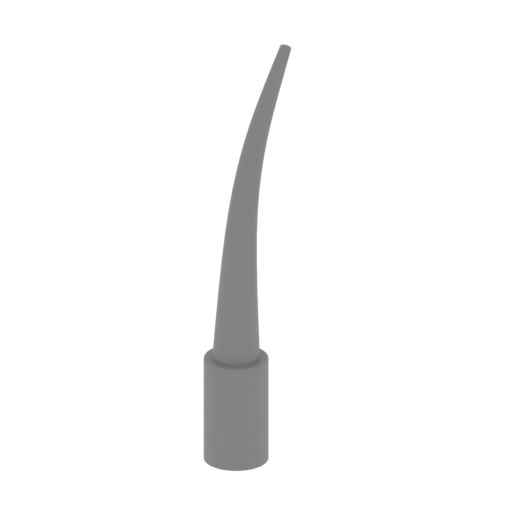 | 45_Antenna_L_fdm (repaired).stl 3 x 9 x 20 mm | 0.12 x 0.35 x 0.79 in | Size: 3 x 9 x 20 mm | 0.12 x 0.35 x 0.79 in | File size: 0.35 mb | Printing Time / Filament: 8 min / <1 m | ||
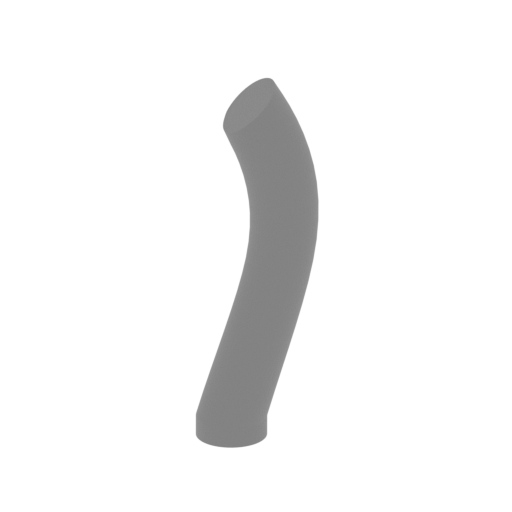 | 44_Trube_R_fdm (repaired).stl 10 x 8 x 32 mm | 0.39 x 0.31 x 1.26 in | Size: 10 x 8 x 32 mm | 0.39 x 0.31 x 1.26 in | File size: 0.11 mb | Printing Time / Filament: 17 min / <1 m | ||
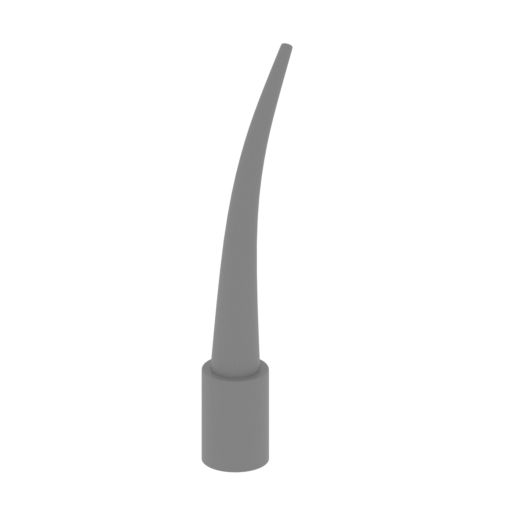 | 43_Antenna_B_fdm (repaired).stl 5 x 14 x 30 mm | 0.2 x 0.55 x 1.18 in | Size: 5 x 14 x 30 mm | 0.2 x 0.55 x 1.18 in | File size: 0.35 mb | Printing Time / Filament: 16 min / <1 m | ||
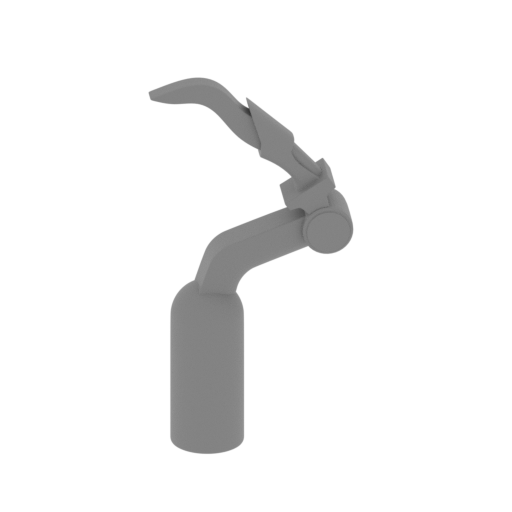 | 42_Paw_x14_fdm (repaired).stl 16 x 10 x 32 mm | 0.63 x 0.39 x 1.26 in | Size: 16 x 10 x 32 mm | 0.63 x 0.39 x 1.26 in | File size: 1.54 mb | Printing Time / Filament: 29 min / <1 m | ||
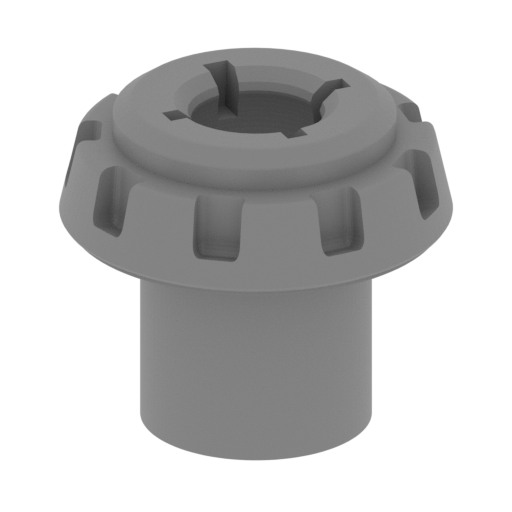 | 41_Fastening_X14_fdm (repaired).stl 16 x 16 x 14 mm | 0.63 x 0.63 x 0.55 in | Size: 16 x 16 x 14 mm | 0.63 x 0.63 x 0.55 in | File size: 0.47 mb | Printing Time / Filament: 20 min / <1 m | ||
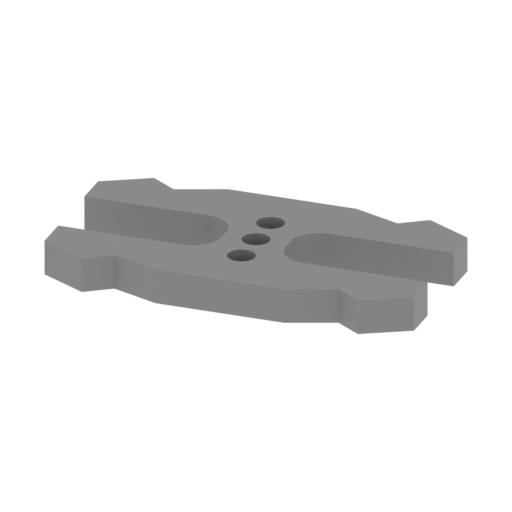 | 40_Ge_lock_x9 (repaired).stl 18 x 10 x 2 mm | 0.71 x 0.39 x 0.08 in | Size: 18 x 10 x 2 mm | 0.71 x 0.39 x 0.08 in | File size: 0.03 mb | Printing Time / Filament: 4 min / <1 m | ||
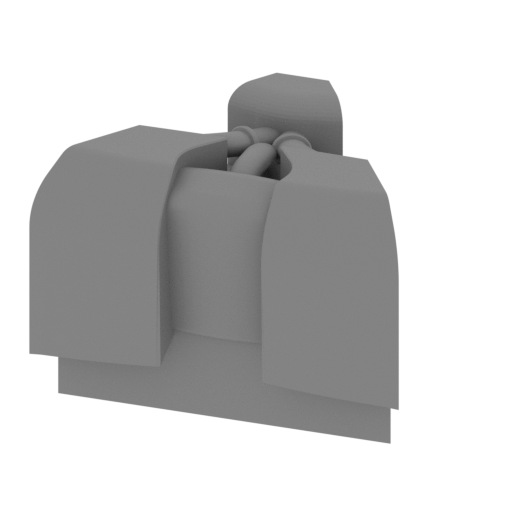 | 39_Mouth_fdm (repaired).stl 27 x 18 x 19 mm | 1.06 x 0.71 x 0.75 in | Size: 27 x 18 x 19 mm | 1.06 x 0.71 x 0.75 in | File size: 0.60 mb | Printing Time / Filament: 37 min / <1 m | ||
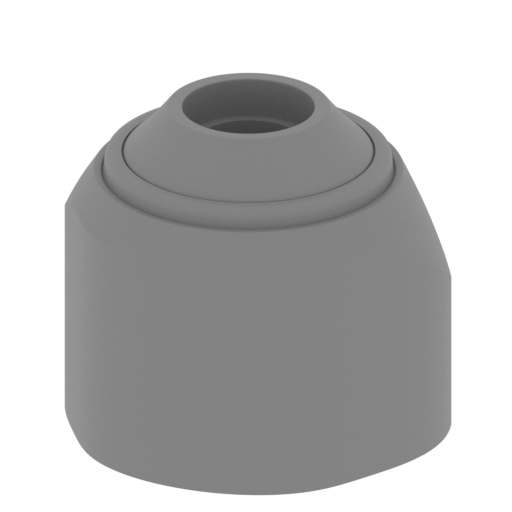 | 38_MainEye_fdm (repaired).stl 49 x 48 x 43 mm | 1.93 x 1.89 x 1.69 in | Size: 49 x 48 x 43 mm | 1.93 x 1.89 x 1.69 in | File size: 1.26 mb | Printing Time / Filament: 4 h 34 min / 3 m | ||
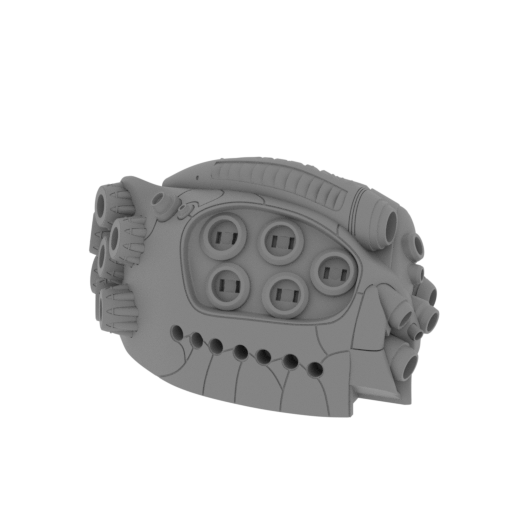 | 37_Body_R_fdm (repaired).stl 157.92 x 97.4 x 87.82 mm | 6.22 x 3.83 x 3.46 in | Size: 157.92 x 97.4 x 87.82 mm | 6.22 x 3.83 x 3.46 in | File size: 51.47 mb | Printing Time / Filament: 55 h 9 min / 35 m | ||
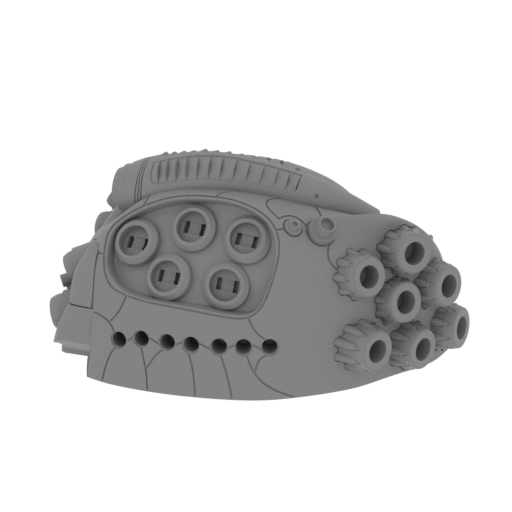 | 36_Body_L_fdm (repaired).stl 157.92 x 97.4 x 87.41 mm | 6.22 x 3.83 x 3.44 in | Size: 157.92 x 97.4 x 87.41 mm | 6.22 x 3.83 x 3.44 in | File size: 54.55 mb | Printing Time / Filament: 55 h 1 min / 35 m | ||
 | 35_Eye_28_fdm (repaired).stl 3 x 3 x 4 mm | 0.12 x 0.12 x 0.16 in | Size: 3 x 3 x 4 mm | 0.12 x 0.12 x 0.16 in | File size: 0.18 mb | Printing Time / Filament: 1 min / <1 m | ||
 | 34_Eye_27_fdm (repaired).stl 5 x 5 x 5 mm | 0.2 x 0.2 x 0.2 in | Size: 5 x 5 x 5 mm | 0.2 x 0.2 x 0.2 in | File size: 0.18 mb | Printing Time / Filament: 2 min / <1 m | ||
 | 33_Eye_26_fdm (repaired).stl 3 x 3 x 4 mm | 0.12 x 0.12 x 0.16 in | Size: 3 x 3 x 4 mm | 0.12 x 0.12 x 0.16 in | File size: 0.07 mb | Printing Time / Filament: 1 min / <1 m | ||
 | 32_Eye_25_fdm (repaired).stl 7 x 7 x 4 mm | 0.28 x 0.28 x 0.16 in | Size: 7 x 7 x 4 mm | 0.28 x 0.28 x 0.16 in | File size: 0.17 mb | Printing Time / Filament: 4 min / <1 m | ||
 | 31_Eye_24_fdm (repaired).stl 5 x 5 x 5 mm | 0.2 x 0.2 x 0.2 in | Size: 5 x 5 x 5 mm | 0.2 x 0.2 x 0.2 in | File size: 0.18 mb | Printing Time / Filament: 2 min / <1 m | ||
 | 30_Eye_23_fdm (repaired).stl 3 x 3 x 4 mm | 0.12 x 0.12 x 0.16 in | Size: 3 x 3 x 4 mm | 0.12 x 0.12 x 0.16 in | File size: 0.07 mb | Printing Time / Filament: 1 min / <1 m | ||
 | 29_Eye_22_fdm (repaired).stl 7 x 7 x 4 mm | 0.28 x 0.28 x 0.16 in | Size: 7 x 7 x 4 mm | 0.28 x 0.28 x 0.16 in | File size: 0.17 mb | Printing Time / Filament: 4 min / <1 m | ||
 | 28_Eye_21_fdm (repaired).stl 3 x 3 x 4 mm | 0.12 x 0.12 x 0.16 in | Size: 3 x 3 x 4 mm | 0.12 x 0.12 x 0.16 in | File size: 0.18 mb | Printing Time / Filament: 1 min / <1 m | ||
 | 27_Eye_20_fdm (repaired).stl 12 x 12 x 5 mm | 0.47 x 0.47 x 0.2 in | Size: 12 x 12 x 5 mm | 0.47 x 0.47 x 0.2 in | File size: 0.13 mb | Printing Time / Filament: 7 min / <1 m | ||
 | 26_Eye_19_fdm (repaired).stl 10 x 10 x 4 mm | 0.39 x 0.39 x 0.16 in | Size: 10 x 10 x 4 mm | 0.39 x 0.39 x 0.16 in | File size: 0.14 mb | Printing Time / Filament: 5 min / <1 m | ||
 | 25_Eye_18_fdm (repaired).stl 4 x 4 x 3 mm | 0.16 x 0.16 x 0.12 in | Size: 4 x 4 x 3 mm | 0.16 x 0.16 x 0.12 in | File size: 0.18 mb | Printing Time / Filament: 1 min / <1 m | ||
 | 24_Eye_17_fdm (repaired).stl 7 x 7 x 5 mm | 0.28 x 0.28 x 0.2 in | Size: 7 x 7 x 5 mm | 0.28 x 0.28 x 0.2 in | File size: 0.13 mb | Printing Time / Filament: 4 min / <1 m | ||
 | 23_Eye_16_fdm (repaired).stl 8 x 8 x 3 mm | 0.31 x 0.31 x 0.12 in | Size: 8 x 8 x 3 mm | 0.31 x 0.31 x 0.12 in | File size: 0.13 mb | Printing Time / Filament: 3 min / <1 m | ||
 | 22_Eye_15_fdm (repaired).stl 8 x 8 x 4 mm | 0.31 x 0.31 x 0.16 in | Size: 8 x 8 x 4 mm | 0.31 x 0.31 x 0.16 in | File size: 0.13 mb | Printing Time / Filament: 4 min / <1 m | ||
 | 21_Eye_14_fdm (repaired).stl 12 x 12 x 5 mm | 0.47 x 0.47 x 0.2 in | Size: 12 x 12 x 5 mm | 0.47 x 0.47 x 0.2 in | File size: 0.13 mb | Printing Time / Filament: 7 min / <1 m | ||
 | 20_Eye_13_fdm (repaired).stl 10 x 10 x 4 mm | 0.39 x 0.39 x 0.16 in | Size: 10 x 10 x 4 mm | 0.39 x 0.39 x 0.16 in | File size: 0.14 mb | Printing Time / Filament: 5 min / <1 m | ||
 | 19_Eye_12_fdm (repaired).stl 4 x 4 x 3 mm | 0.16 x 0.16 x 0.12 in | Size: 4 x 4 x 3 mm | 0.16 x 0.16 x 0.12 in | File size: 0.18 mb | Printing Time / Filament: 1 min / <1 m | ||
 | 18_Eye_11_fdm (repaired).stl 7 x 7 x 5 mm | 0.28 x 0.28 x 0.2 in | Size: 7 x 7 x 5 mm | 0.28 x 0.28 x 0.2 in | File size: 0.13 mb | Printing Time / Filament: 4 min / <1 m | ||
 | 17_Eye_10_fdm (repaired).stl 8 x 8 x 3 mm | 0.31 x 0.31 x 0.12 in | Size: 8 x 8 x 3 mm | 0.31 x 0.31 x 0.12 in | File size: 0.13 mb | Printing Time / Filament: 3 min / <1 m | ||
 | 16_Eye_9_fdm (repaired).stl 8 x 8 x 4 mm | 0.31 x 0.31 x 0.16 in | Size: 8 x 8 x 4 mm | 0.31 x 0.31 x 0.16 in | File size: 0.13 mb | Printing Time / Filament: 4 min / <1 m | ||
 | 15_Eye_8_fdm (repaired).stl 6 x 6 x 4 mm | 0.24 x 0.24 x 0.16 in | Size: 6 x 6 x 4 mm | 0.24 x 0.24 x 0.16 in | File size: 0.19 mb | Printing Time / Filament: 3 min / <1 m | ||
 | 14_Eye_7_fdm (repaired).stl 7 x 7 x 4 mm | 0.28 x 0.28 x 0.16 in | Size: 7 x 7 x 4 mm | 0.28 x 0.28 x 0.16 in | File size: 0.17 mb | Printing Time / Filament: 3 min / <1 m | ||
 | 13_Eye_6_fdm (repaired).stl 5 x 5 x 4 mm | 0.2 x 0.2 x 0.16 in | Size: 5 x 5 x 4 mm | 0.2 x 0.2 x 0.16 in | File size: 0.18 mb | Printing Time / Filament: 2 min / <1 m | ||
 | 12_Eye_5_fdm (repaired).stl 5 x 5 x 3 mm | 0.2 x 0.2 x 0.12 in | Size: 5 x 5 x 3 mm | 0.2 x 0.2 x 0.12 in | File size: 0.18 mb | Printing Time / Filament: 2 min / <1 m | ||
 | 11_Eye_4_fdm (repaired).stl 7 x 7 x 4 mm | 0.28 x 0.28 x 0.16 in | Size: 7 x 7 x 4 mm | 0.28 x 0.28 x 0.16 in | File size: 0.17 mb | Printing Time / Filament: 4 min / <1 m | ||
 | 10_Eye_3_fdm (repaired).stl 3 x 3 x 3 mm | 0.12 x 0.12 x 0.12 in | Size: 3 x 3 x 3 mm | 0.12 x 0.12 x 0.12 in | File size: 0.18 mb | Printing Time / Filament: 1 min / <1 m | ||
 | 9_Eye_2_fdm (repaired).stl 6 x 6 x 4 mm | 0.24 x 0.24 x 0.16 in | Size: 6 x 6 x 4 mm | 0.24 x 0.24 x 0.16 in | File size: 0.19 mb | Printing Time / Filament: 3 min / <1 m | ||
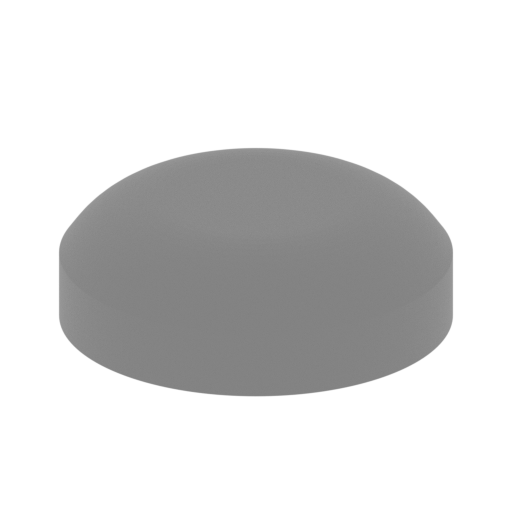 | 8_Eye_1_fdm (repaired).stl 16 x 16 x 5 mm | 0.63 x 0.63 x 0.2 in | Size: 16 x 16 x 5 mm | 0.63 x 0.63 x 0.2 in | File size: 0.27 mb | Printing Time / Filament: 9 min / <1 m | ||
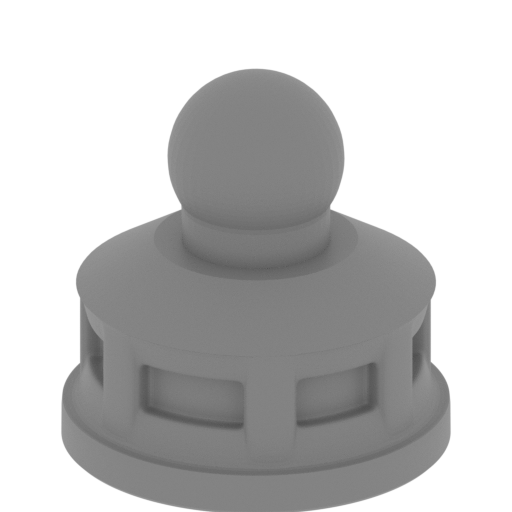 | 7_Tail_x602_fdm (repaired).stl 13 x 13 x 13 mm | 0.51 x 0.51 x 0.51 in | Size: 13 x 13 x 13 mm | 0.51 x 0.51 x 0.51 in | File size: 1.41 mb | Printing Time / Filament: 11 min / <1 m | ||
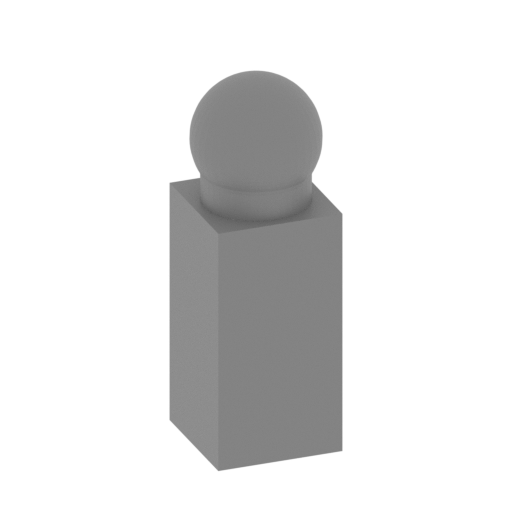 | 6_JointAntenna_fdm (repaired).stl 8 x 8 x 17 mm | 0.31 x 0.31 x 0.67 in | Size: 8 x 8 x 17 mm | 0.31 x 0.31 x 0.67 in | File size: 0.12 mb | Printing Time / Filament: 11 min / <1 m | ||
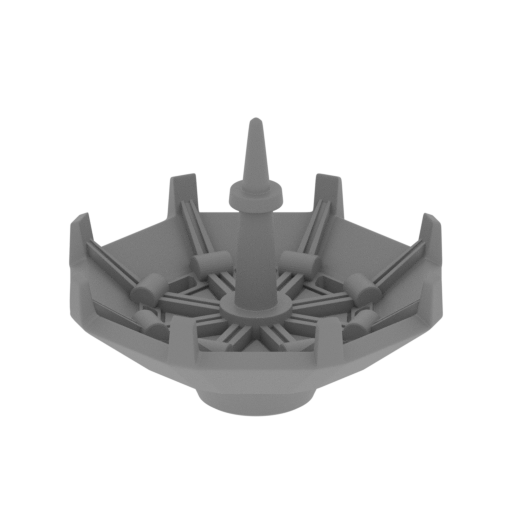 | 5_ClawAntenna_fdm (repaired).stl 71 x 71 x 55 mm | 2.8 x 2.8 x 2.17 in | Size: 71 x 71 x 55 mm | 2.8 x 2.8 x 2.17 in | File size: 3.75 mb | Printing Time / Filament: 7 h / 4 m | ||
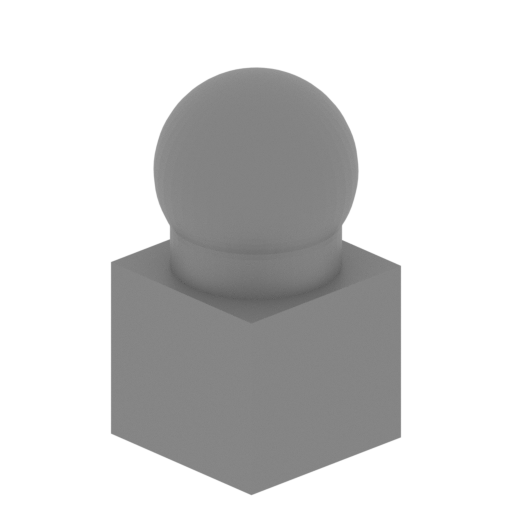 | 4_Joint_x13_fdm (repaired).stl 8 x 8 x 11 mm | 0.31 x 0.31 x 0.43 in | Size: 8 x 8 x 11 mm | 0.31 x 0.31 x 0.43 in | File size: 0.12 mb | Printing Time / Filament: 7 min / <1 m | ||
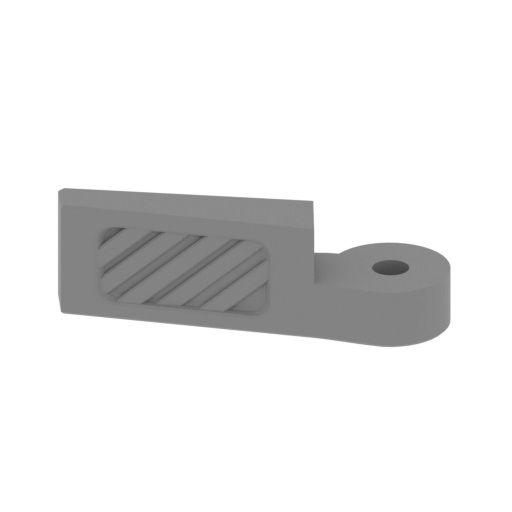 | 3_FingerA_x52_fdm (repaired).stl 20 x 8 x 6 mm | 0.79 x 0.31 x 0.24 in | Size: 20 x 8 x 6 mm | 0.79 x 0.31 x 0.24 in | File size: 0.16 mb | Printing Time / Filament: 7 min / <1 m | ||
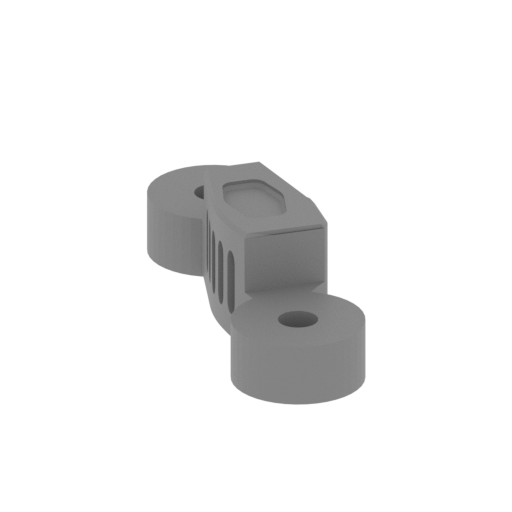 | 2_FingerB_x52_fdm (repaired).stl 15 x 19 x 6 mm | 0.59 x 0.75 x 0.24 in | Size: 15 x 19 x 6 mm | 0.59 x 0.75 x 0.24 in | File size: 0.20 mb | Printing Time / Filament: 6 min / <1 m | ||
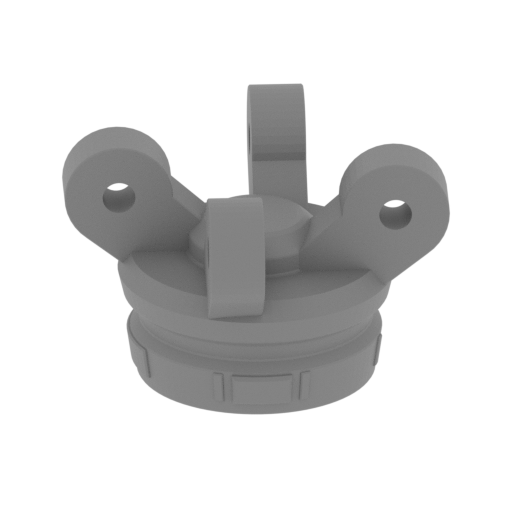 | 1_ClawBase_x13_fdm (repaired).stl 23 x 23 x 14 mm | 0.91 x 0.91 x 0.55 in | Size: 23 x 23 x 14 mm | 0.91 x 0.91 x 0.55 in | File size: 0.46 mb | Printing Time / Filament: 31 min / <1 m | ||
ABOUT THIS 3D MODEL
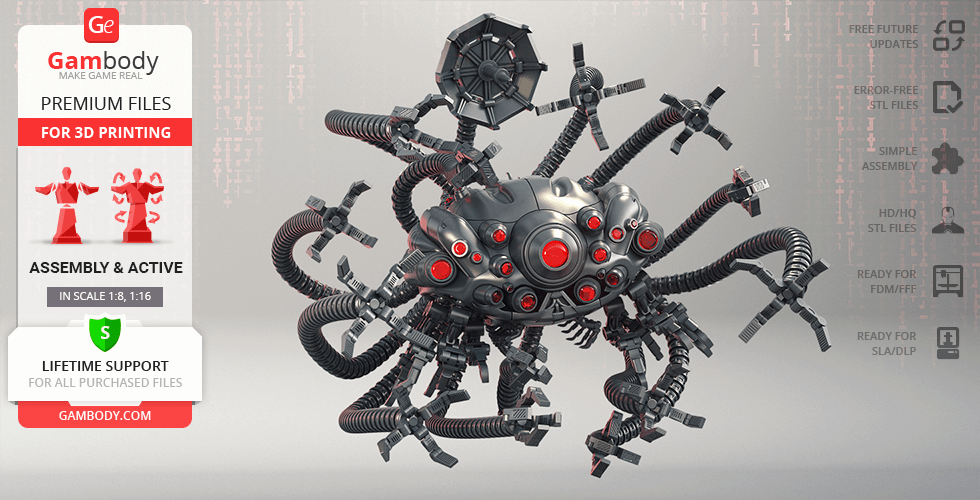
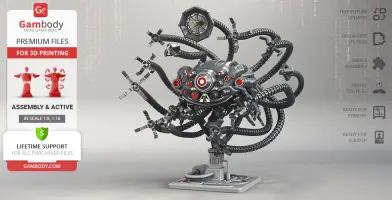
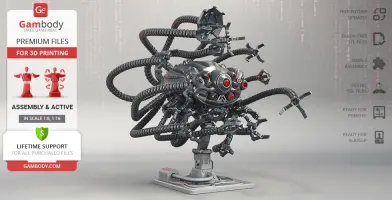
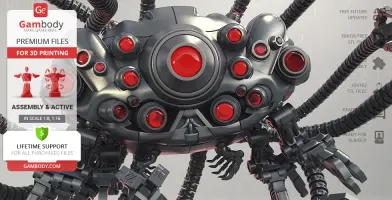
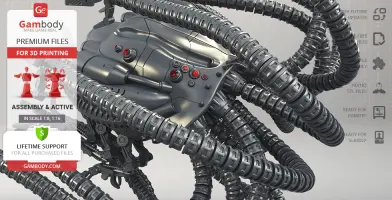
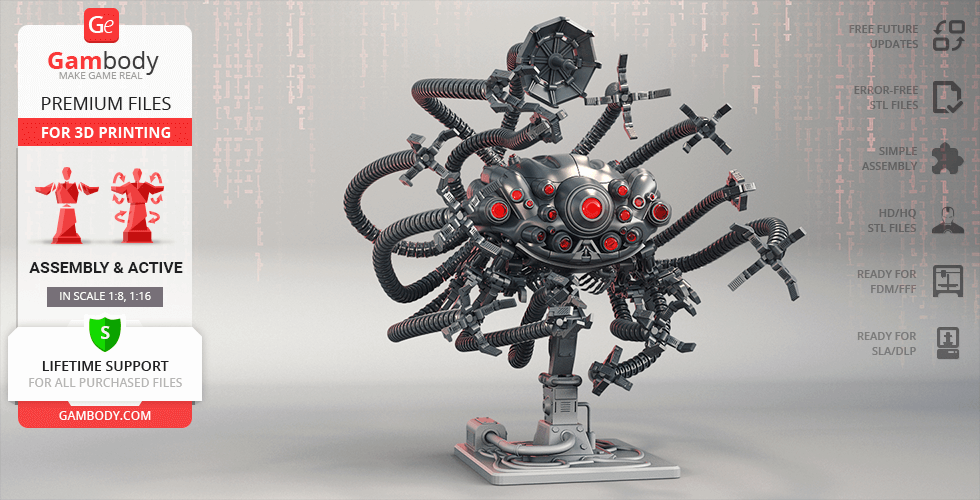
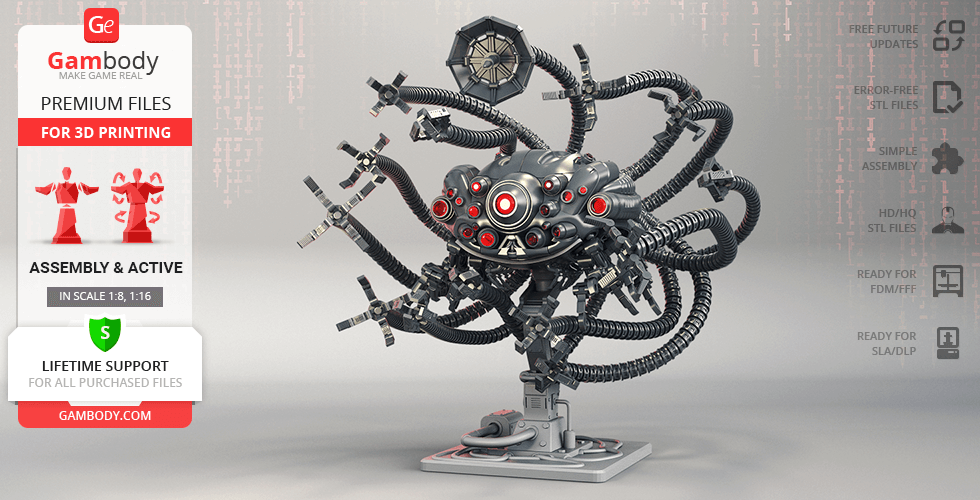
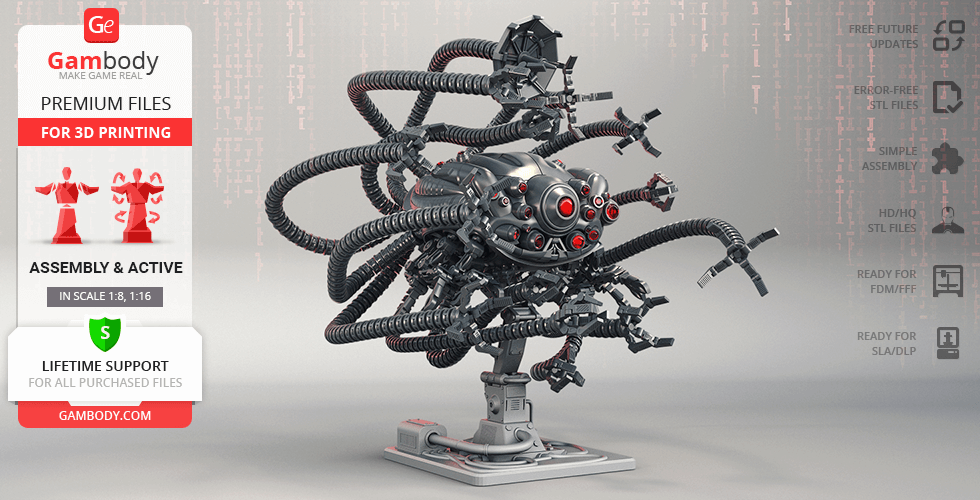
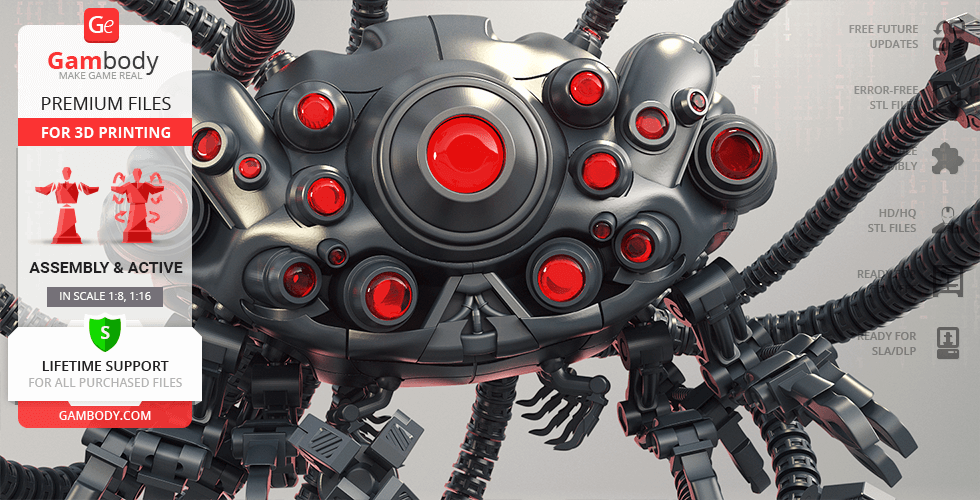
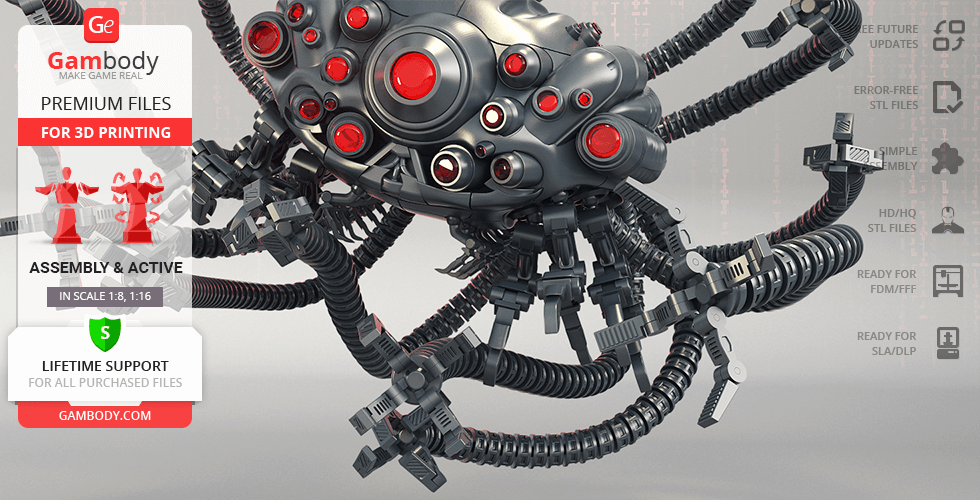
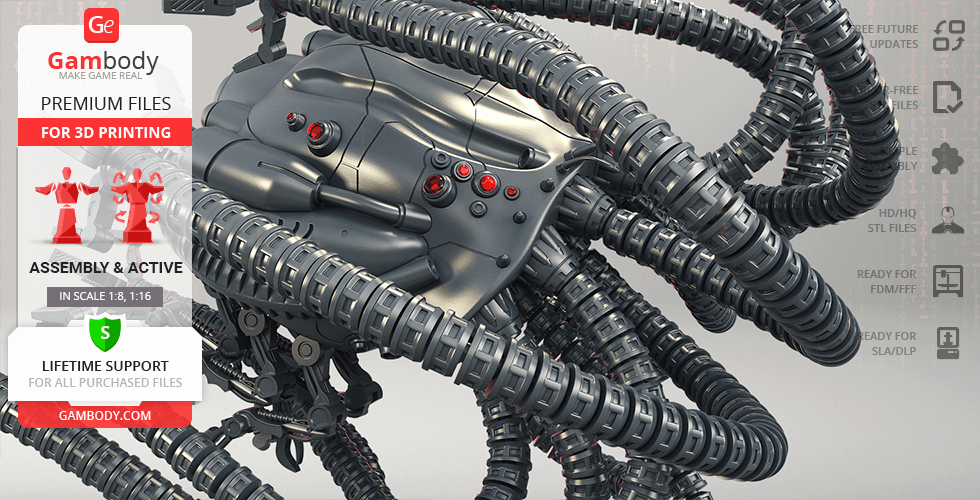
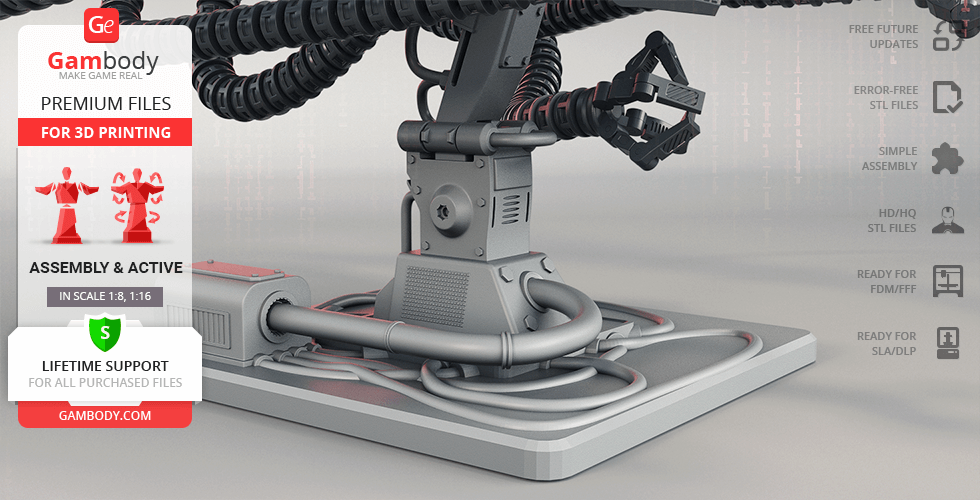
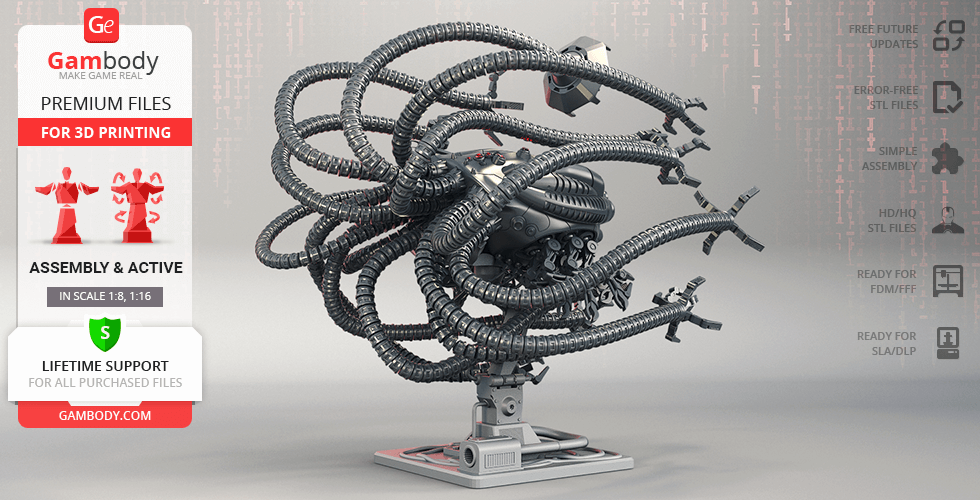
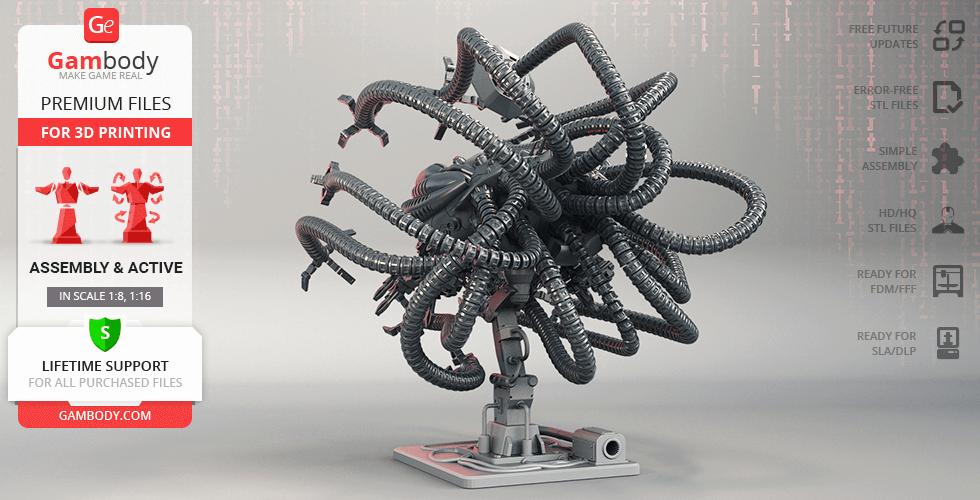
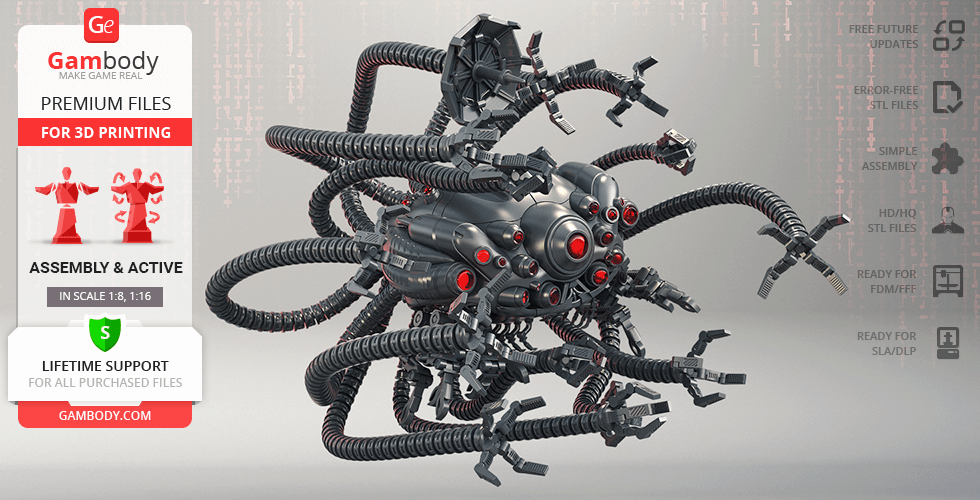
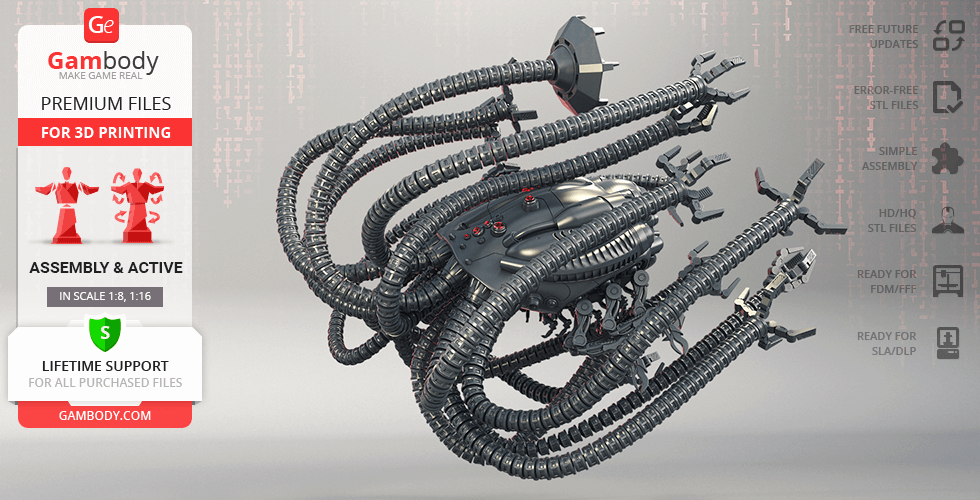
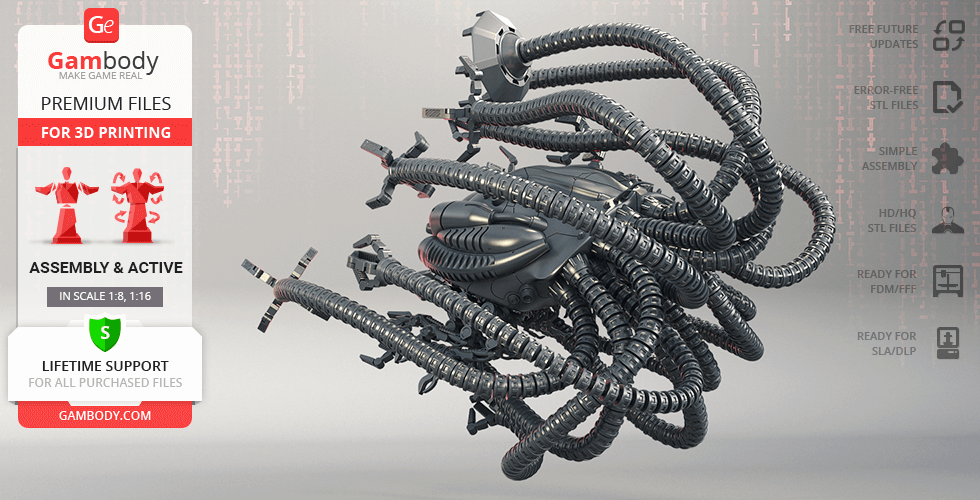
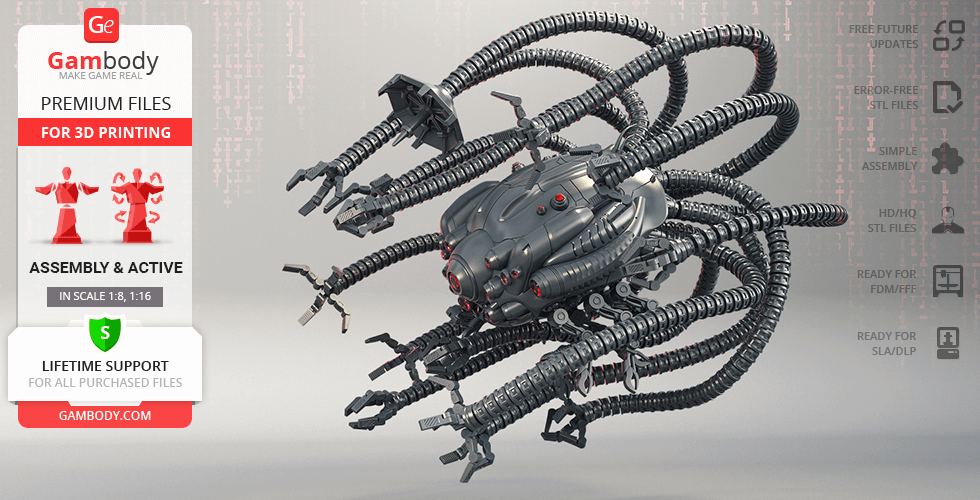
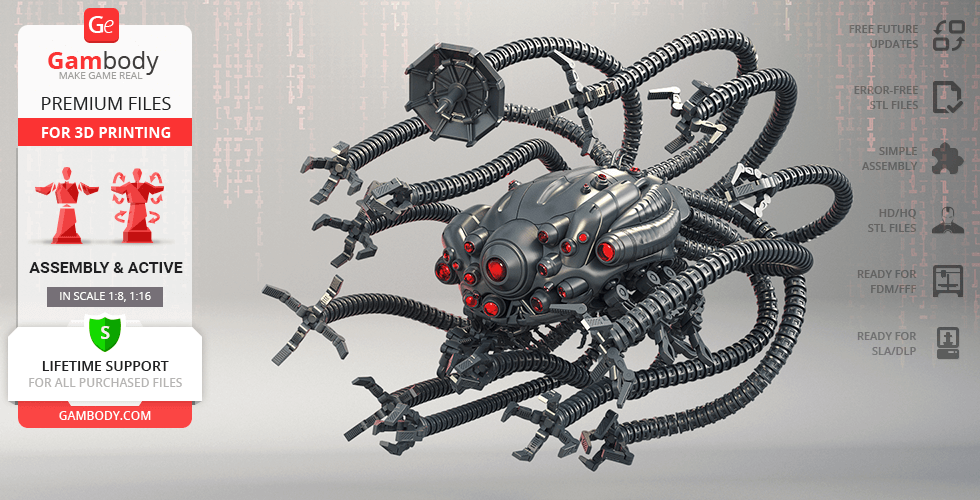
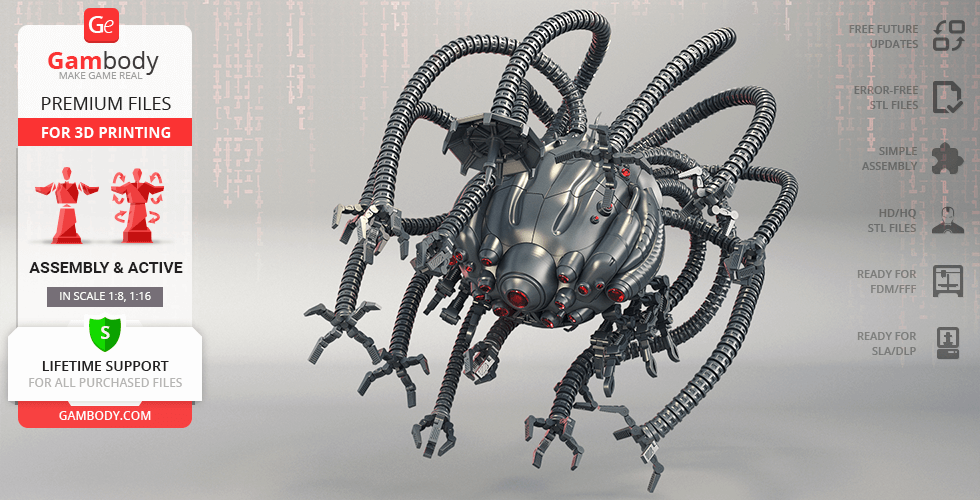
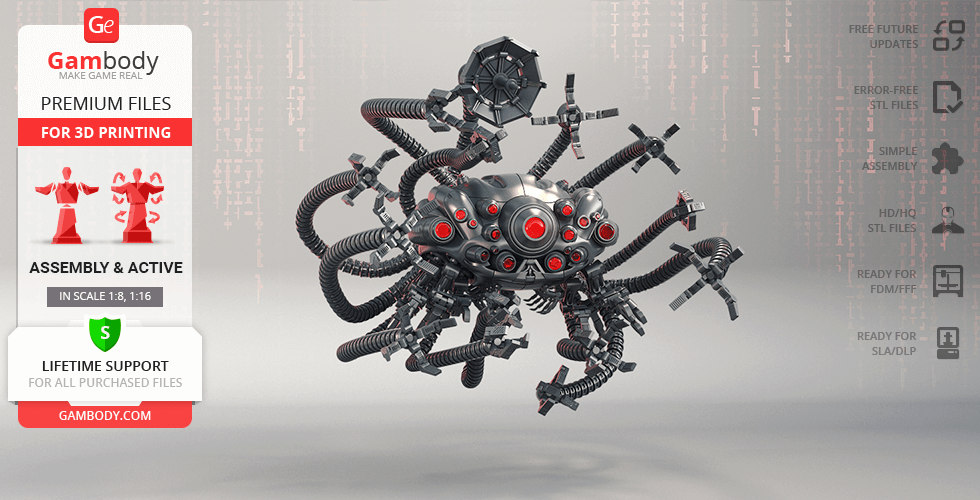
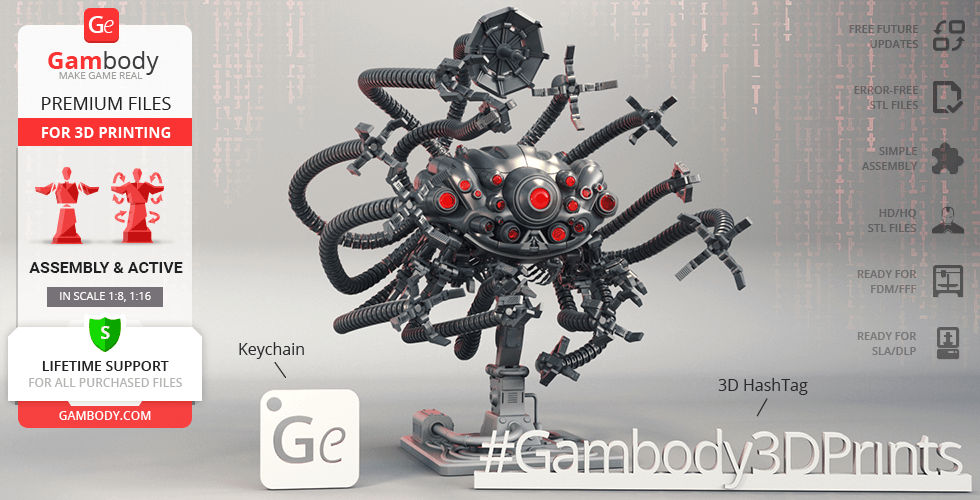
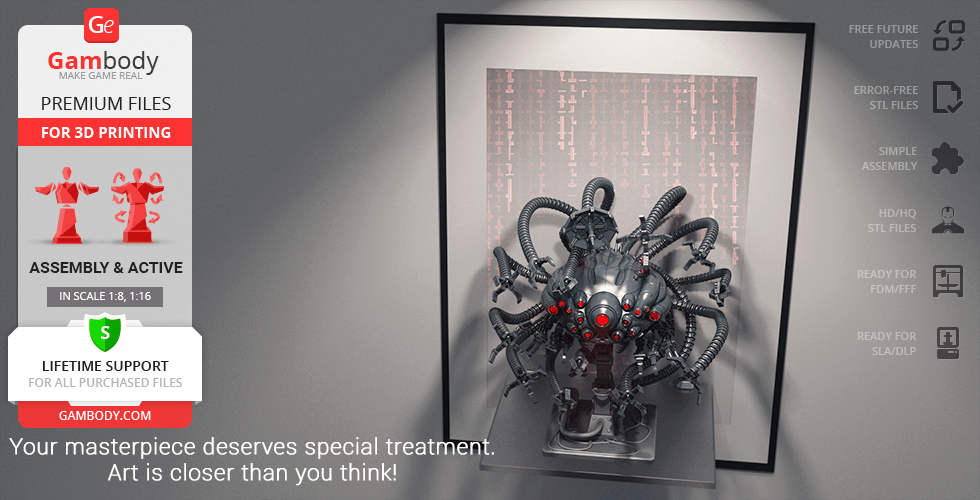
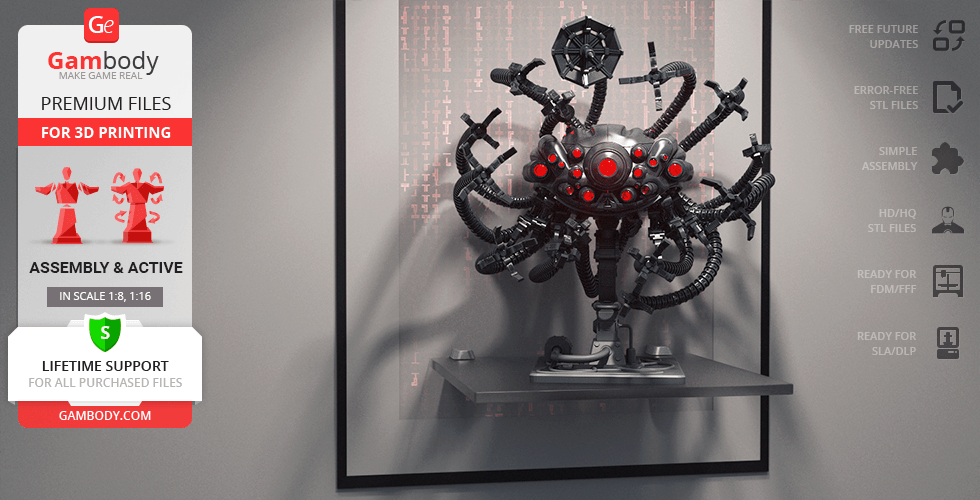
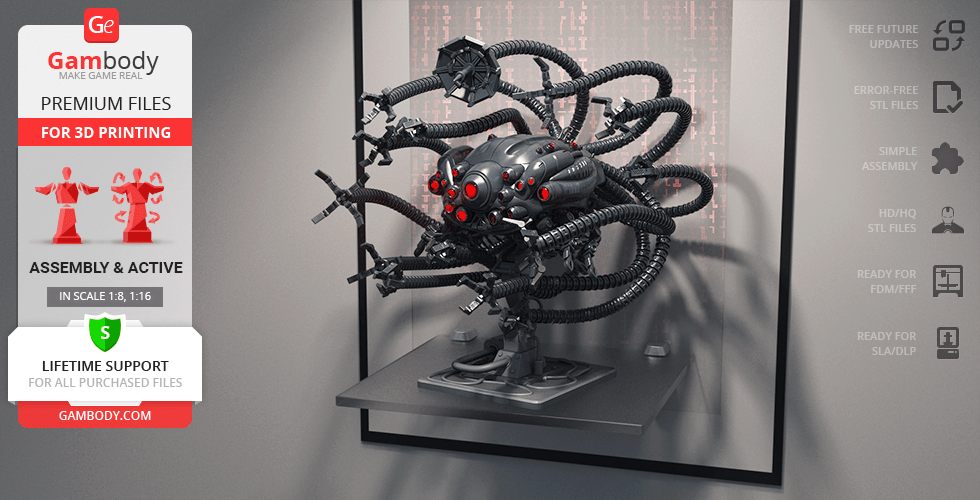
Sentinels are terrifying multi-tentacled killing machines that maintain the physical structures of theMatrixwithin The Wachowskis’ franchise of the same name. A strong resemblance of the machines to cephalopods resulted in the Human Resistance calling them “squiddies”. Similar to squids Sentinels move in large swarms, usually patrolling the now-dead human cities in search of wandering humans. The deadly machines move through the air with ease and are considered to be using some kind of sophisticated hover pad technology, far more improved than the one used in transportation utilized by Human Resistance. The frightening swarm of antagonists that serve to eradicate humankind is undoubtedly an impressive part of the iconic sci-fi universe. Thanks to our talented contributing 3D artist who dedicated circa 180 hours working on the project the awesome Sentinel model is now available for 3D printing. The author of the model did a spectacular job depicting the dreadful robotic appearance of the Sentinel, with its large pod-shaped head and many sharp-clawed tentacles extending from the back. In addition to numerous round eyes on the robot’s head, the 3D artist made sure to equip one of the model’s many tentacles with a satellite dish that is known to serve as an audio and visual sensor. Paying the utmost attention to fine details, the 3D artist carefully included two sets of crab-like appendages on both sides of the machine’s belly, as well as small antennas and sensors on top of its head. The Battle of Zion starring hundreds of piloted APUs under Captain Mifune’s command is a truly remarkable robotic battle scene. Now, thanks to the possibilities that 3D printing technology offers, you can recreate the actual scenario at home! The STL files of Sentinel, the killing machine designed for search and destroy, are ready for download!
ADAPTATION FOR 3D PRINTING
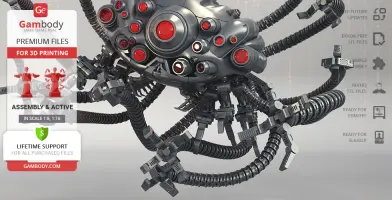
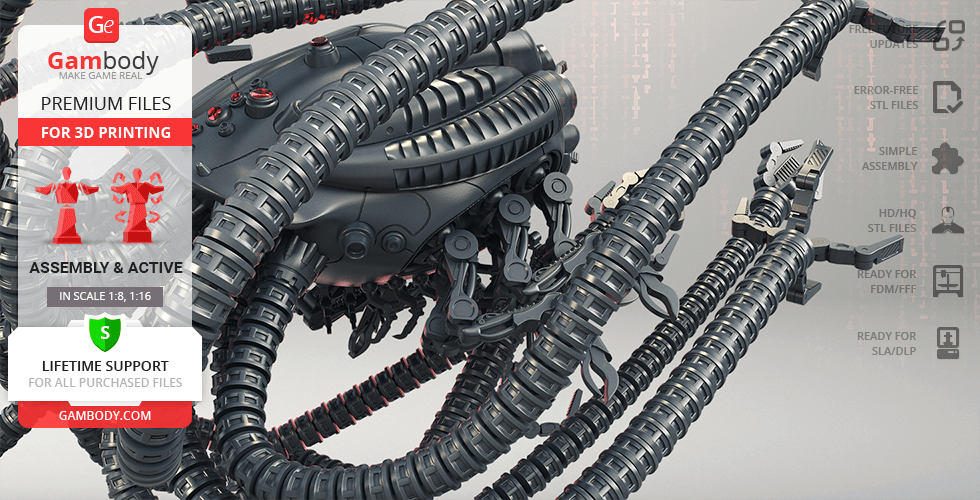
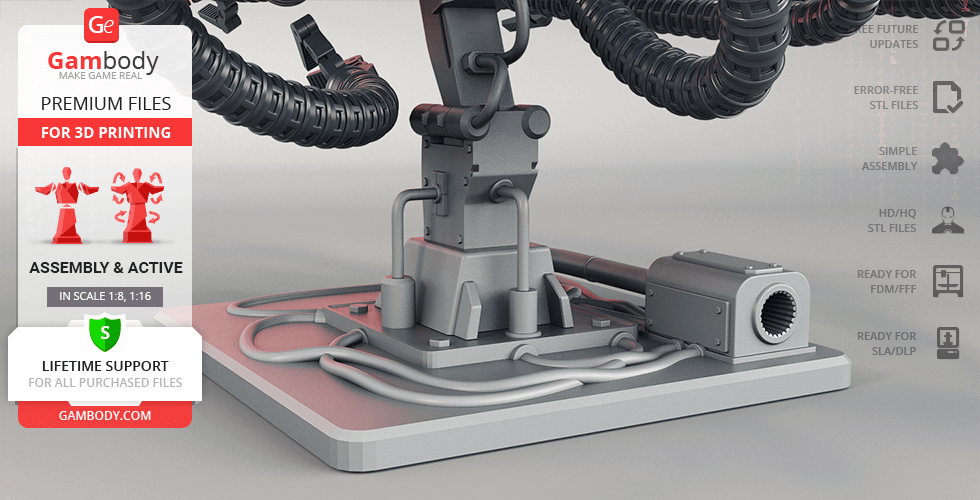
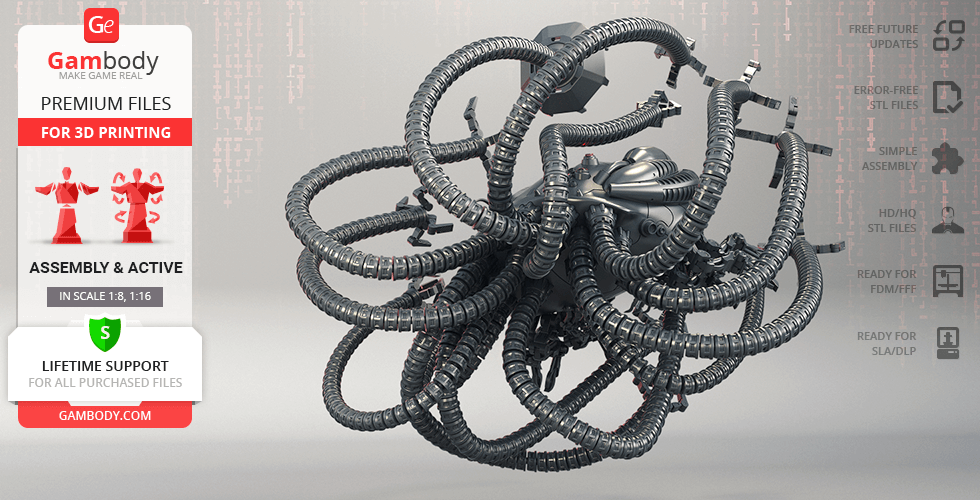
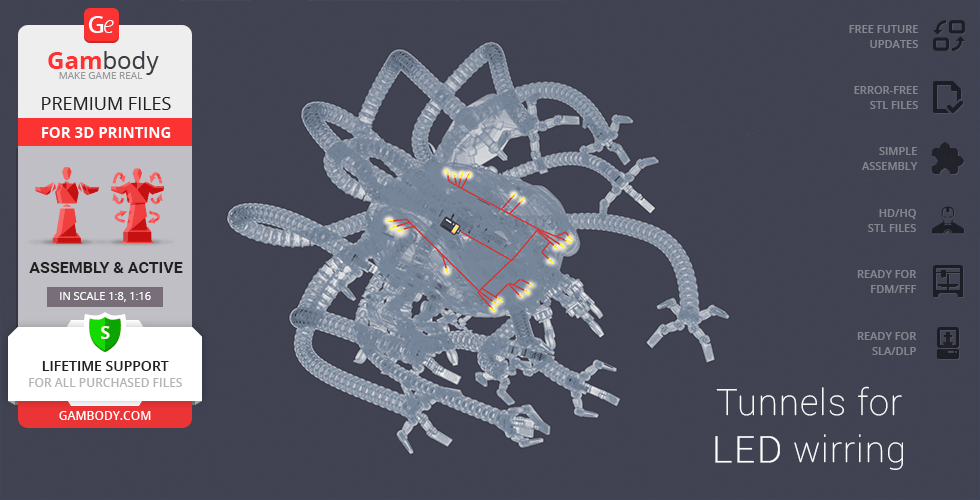
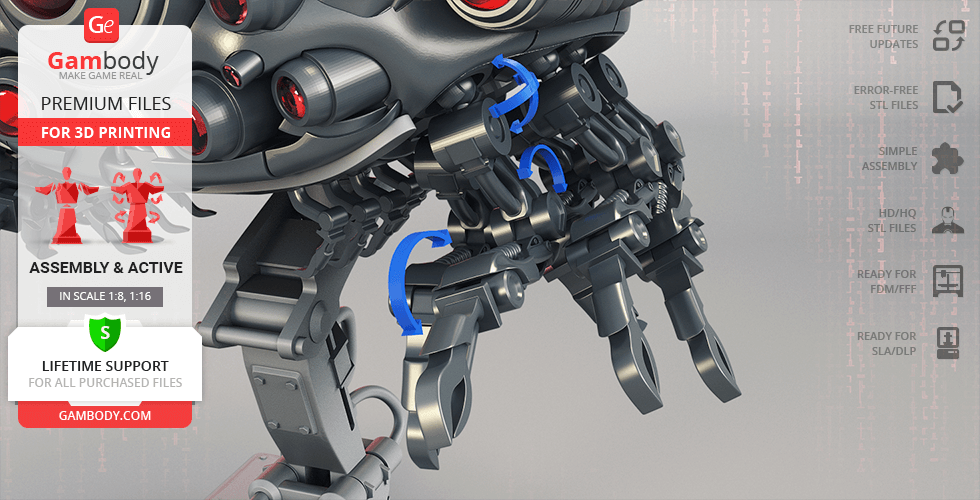
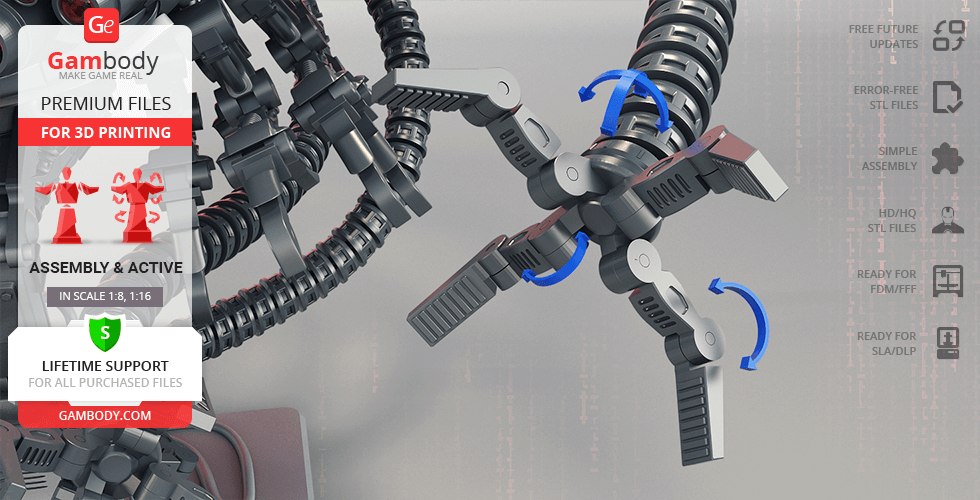
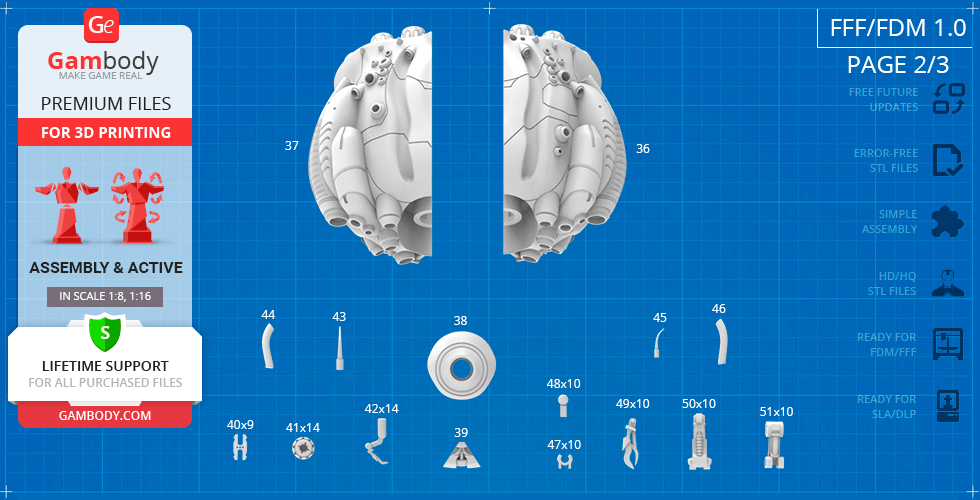
Sentinel model for 3D printing is a highly articulated action assembly model and its moderation and adaptation for different types of 3D printers took Gambody team 65 hours in total. In order to ensure the multidirectional movement of the Squiddy’s appendages, the model was divided into many assembly parts and special mechanisms were introduced into all model’s joints to give you an opportunity to display the machine in a variety of positions or scenarios. Thus, the model’s crab-like appendages in front are movable in all four junctions and every single joint comprising each model’s long tentacle rotates with the help of a ball-and-claw connection. It is recommended to assemble each tentacle using 43 tail parts but you can make any tentacle shorter and longer by adding or removing these tail pieces. Every single Sentinel’s claw in FFF/FDM version is fully articulated as well. The assembly of these movable claws requires additional “pins”. These pins do not come in STL files but can be made out of short pieces of regular 1.75 PLA. All Sentinel's eyes are provided separately in the model’s FFF/FDM 1.0 version for you to print them in the transparent filament. The machine's body is hollow in both model’s versions for you to introduce LED wiring and light up the eyes. All assembly parts are provided in STL files in recommended positions that were worked out to ensure the smoothness of the details’ surfaces after printing and so that the 3D printing beginners won't face difficulties when placing the parts on a build plate. We highly recommend that you watch "Assembly video" in the photo preview section before assembling the Sentinel. When downloading any model's file you will also receive "Assembly Manual" for FFF/FDM 1.0 and DLP/SLA/SLS 1.0 versions in PDF format.
The model is saved in STL files, a format supported by most 3D printers. All STL files for 3D printing have been checked in Netfabb and no errors were shown.
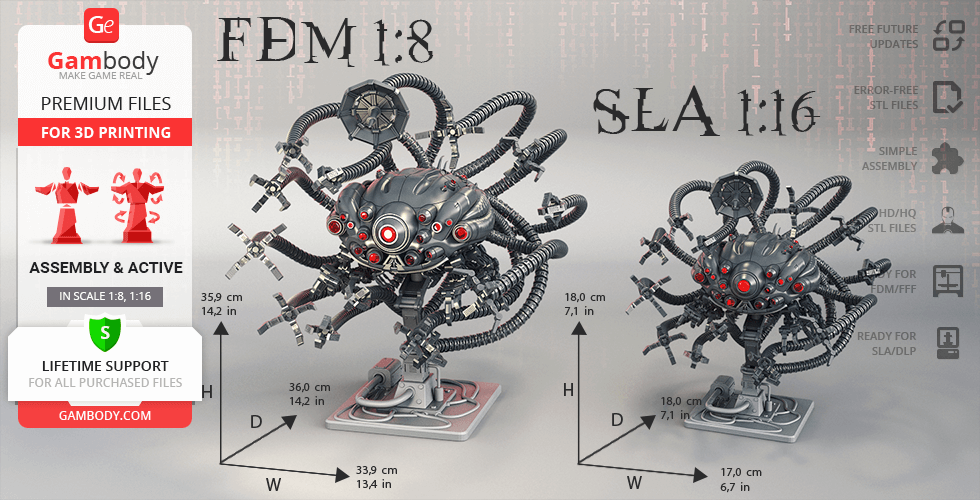
The model's scale was calculated from the actual size of the Sentinel's head that is 1400mm x 1120mm x 770mm. The 3D printing model's chosen scale is 1/8 for the FFF/FDM version and 1/16 for the DLP/SLA/SLS versions.
VERSION SPECIFICATIONS
FFF/FDM 1.0 version features:
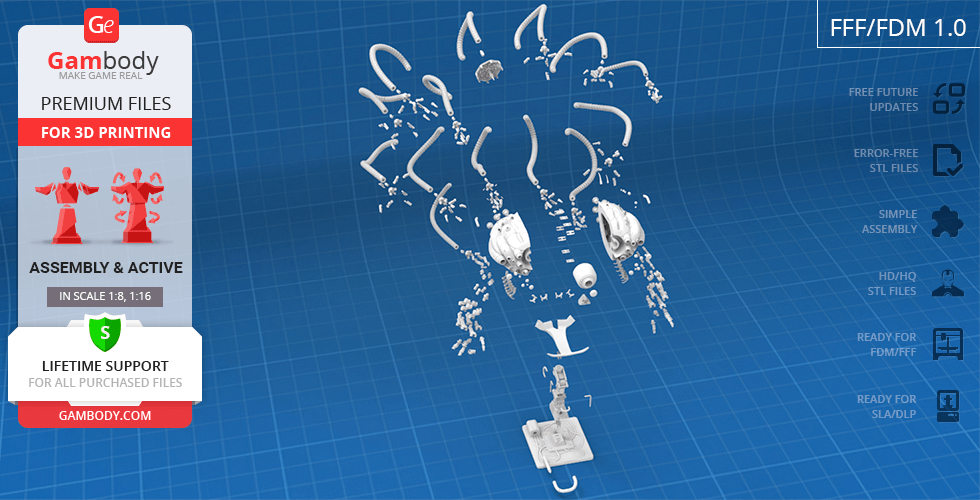
- Contains 63 parts;
- A printed model is 359 mm tall, 339 mm wide, 360 mm deep;
- Made with several sets of special joints to ensure the model's articulation - all Sentinel’s claws, crab-like hands, tentacles, and the satellite dish are fully articulated;
- The assembly of Sentinel's articulated claws requires additional “pins”. These pins do not come in STL files but can be made out of short pieces of regular 1.75 PLA;
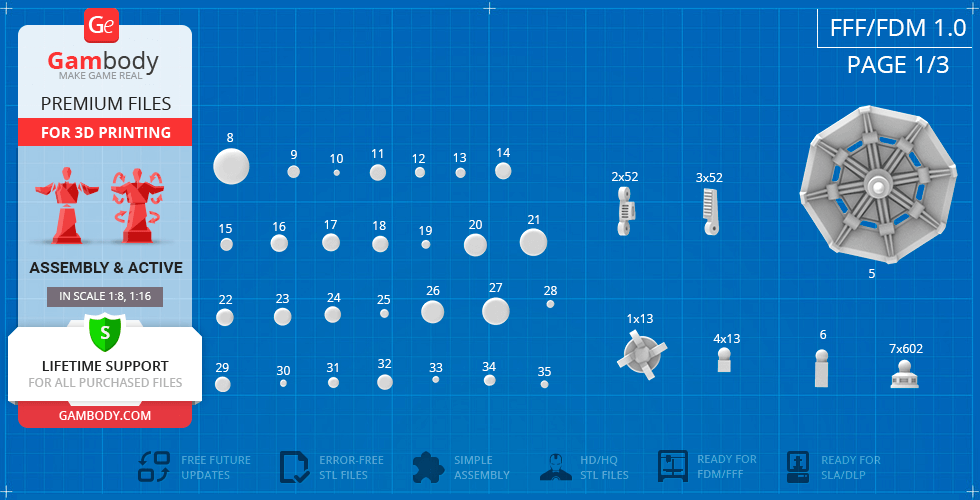
- There are many assemblyparts that need to be printed multiple times - the number of required copies (x5, x20 etc.) is indicated in the title of the file in “Source files” tab, e.g. file "1_ClawBase_x13" needs to be printed 13 times;
- Every single joint comprising each tentacle rotates with the help of a ball-and-claw connection;
- In order to assemble one tentacle, it is recommended to print the part“7_Tail_x602” 43 times. But you can make any tentacle shorter and longer by adding or removing parts“7_Tail_x602” ;
- All Sentinel's eyes are provided separately for you to print them in transparent filament;
- The machine's body is hollow for you to introduce LED wiring;
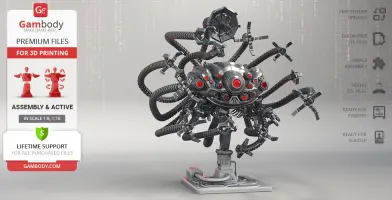
- The model comes with a special stand for you to conveniently display the round Sentinel with its many long tentacles;
- Assembly kit includes locks to connect the model's body and display stand securely without glue. Lock 40_Ge_lock_x9 needs to be printed 9 times; lock 55_Lock_x4 needs to be printed 4 times;
- It is highly recommended that you watch "Assembly video" in the photo preview section and read "Assembly Manual" in PDF before assembling the Sentinel;
- There are alternative variants of the tentacle part 7_Tail_v2_x602_5%_smaller_ball and 7_Tail_v3_x602_7%_smaller_ball that have slightly shortened "stems" and the ball connector decreased in size by 5% and 7% respectively;
- All parts are divided in such a way that you will print them with the smallest number of support structures.
DLP/SLA/SLS 1.0 version features:
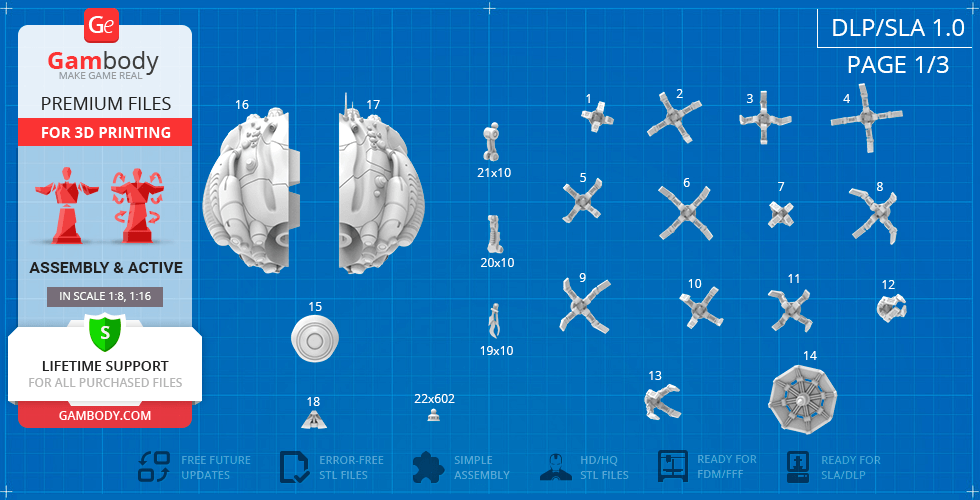
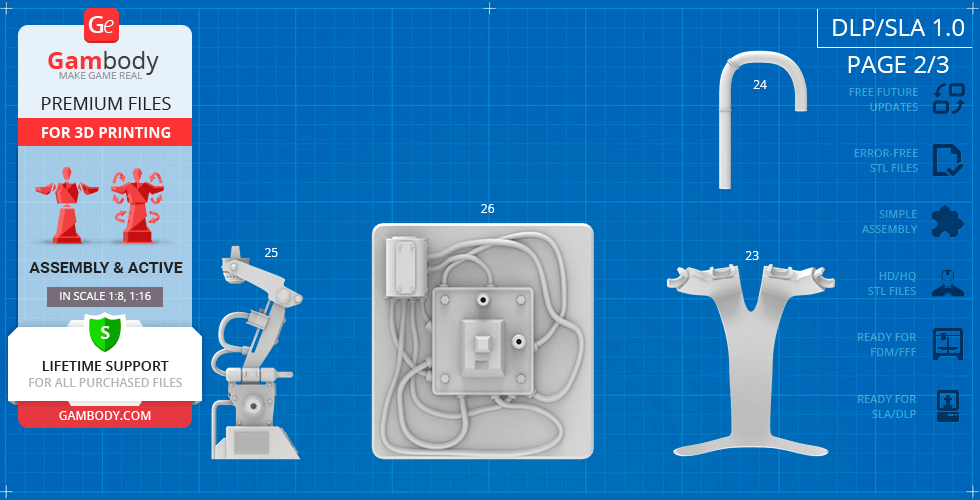
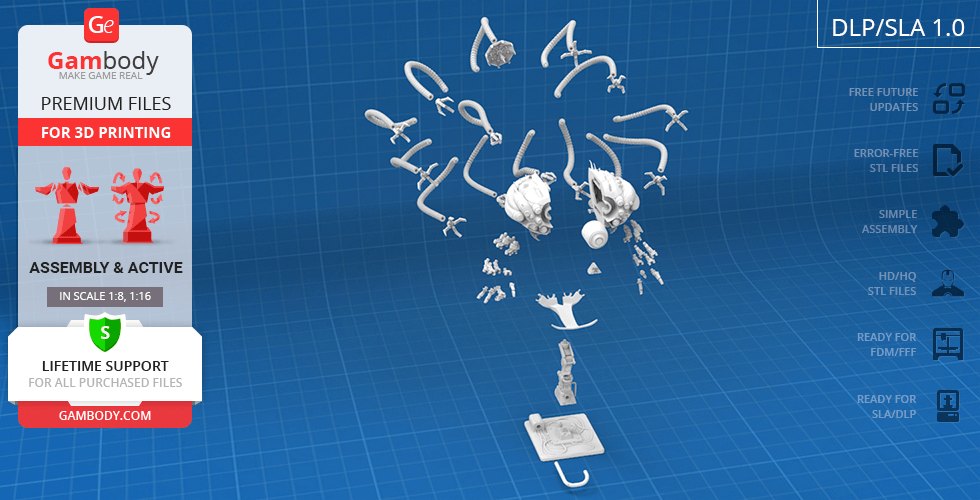
- Contains 26 parts;
- A printed model is 180 mm tall, 170 mm wide, 180 mm deep;
- Made with several sets of special joints to ensure the model's articulation - all Sentinel’s crab-like hands, the satellite dish, and tentacles are fully articulated;
- There are many assemblyparts that need to be printed multiple times - the number of required copies (x5, x20 etc.) is indicated in the title of the file in “Source files” tab, e.g. file "19_Hand1_A_x10" needs to be printed 10 times;
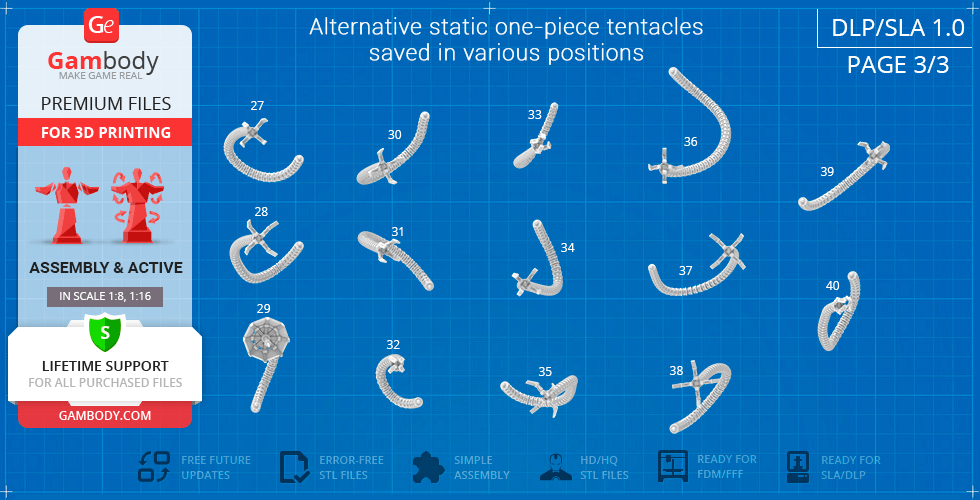
- The model's claws are static but they are saved in different positions that you can attach to the tentacles as you prefer;
- Every single joint comprising each tentacle rotates with the help of a ball-and-claw connection;
- In order to assemble one tentacle, it is recommended to print the part“22_Tail_x602” 43 times. But you can make any tentacle shorter and longer by adding or removing parts“22_Tail_x602” ;
- The machine's body is hollow for you to introduce LED wiring;
- The model comes with a special stand for you to conveniently display the round Sentinel with its many long tentacles;
- It is highly recommended that you watch "Assembly video" in the photo preview section and read "Assembly Manual" in PDF before assembling the Sentinel;
- All parts are divided in such a way that you will print them with the smallest number of support structures.
WHAT WILL YOU GET AFTER PURCHASE?
- STL files of Sentinel for 3D printing which consist of 89 parts;
- 2 versions of files for this model for FFF/FDM and DLP/SLA/SLS;
- High-poly detailed model of Sentinel;
- Assembly Manual for FFF/FDM 1.0 and DLP/SLA/SLS 1.0 versions in PDF format;
- Detailed settings that we provide as a recommendation for Cura , Simplify3D and Slic3r for the best print;
- Full technical support from the Gambody Support Team.
You can get the model of Sentinel for 3D Printing immediately after the purchase! Just click the green Buy button in the top-right corner of the model’s page. You can pay with PayPal or your credit card.
Watch the tutorial on how to assemble the Sentinel 3D Printing Model at Gambody YouTube channel.
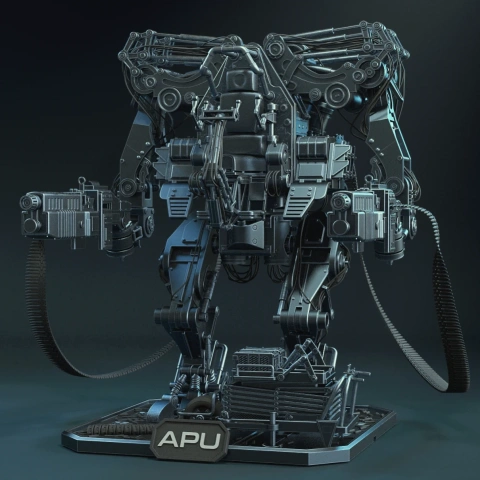
Also, you may like Neo 3D Printing Figurine, as well as Matrix APU 3D Printing Model.
_______
FAQ:
Where can I print a model if I have no printer?
How to get started with 3D printing?
How to set up my 3D printer?
How to choose right 3D model print bed positioning?
How to paint printed figurine?
Average customer rating (13 reviews)
3.9
Ratings breakdown
Click a star rating to filter reviews
Overall experience
Level of detail in the model
3.9
Model cut quality and assembly guide
3.9
Clarity and accuracy of the model page
3.9


 This feedback is from a user who hasn't purchased this model
 Level of detail in the model
4
Model cut quality and assembly guide
4
Clarity and accuracy of the model page
4
 Verified purchase
 Level of detail in the model
4
Model cut quality and assembly guide
4
Clarity and accuracy of the model page
4

 Verified purchase
 Level of detail in the model
5
Model cut quality and assembly guide
5
Clarity and accuracy of the model page
5
Verified purchase Level of detail in the model
1
Model cut quality and assembly guide
1
Clarity and accuracy of the model page
1
This feedback is from a user who hasn't purchased this model Level of detail in the model
4
Model cut quality and assembly guide
4
Clarity and accuracy of the model page
4

 Verified purchase
 Level of detail in the model
3
Model cut quality and assembly guide
3
Clarity and accuracy of the model page
3
This feedback is from a user who hasn't purchased this model Level of detail in the model
5
Model cut quality and assembly guide
5
Clarity and accuracy of the model page
5
This feedback is from a user who hasn't purchased this model Level of detail in the model
5
Model cut quality and assembly guide
5
Clarity and accuracy of the model page
5

 This feedback is from a user who hasn't purchased this model
 Level of detail in the model
3
Model cut quality and assembly guide
3
Clarity and accuracy of the model page
3
 Verified purchase
 Level of detail in the model
4
Model cut quality and assembly guide
4
Clarity and accuracy of the model page
4

 Verified purchase
 Level of detail in the model
3
Model cut quality and assembly guide
3
Clarity and accuracy of the model page
3
 This feedback is from a user who hasn't purchased this model
 Level of detail in the model
5
Model cut quality and assembly guide
5
Clarity and accuracy of the model page
5

 Community Support Team
 Level of detail in the model
5
Model cut quality and assembly guide
5
Clarity and accuracy of the model page
5
Below you'll find detailed slicing settings for Bambu Studio 2.0+, Orca Slicer 2.0+, UltiMaker Cura 5.0+, PrusaSlicer 2.0+, Slic3r 1.3+, Simplify3D 5.0+ to help you get the best results when printing this model. These settings are optimized specifically for this 3D model, but please note they may need slight adjustments depending on your printer or filament. When in doubt, refer to your printer's user manual.
To avoid printing issues and achieve the best quality, we highly recommend applying the following settings:
 Bambu Studio 2.0+
 For better quality use 0.12 mm layer height, for fast printing use 0.2 mm layer height. For pins and the Ge connectors, use 0.2 layer height.
120-150% of your Layer Height
But you can paint the seam if you want.
You have to calibrate this parameter
You have to calibrate this parameter
You have to calibrate this parameter
For pins and power elements of the structure, such as the vehicle frame, use 3 loop
Disabled for vehicles and enabled for characters
For 0,2 Layer Height
The parameters in this tab vary greatly, it all depends on the quality of your printer. For example, if you have a classic Ender3, stick to the minimum parameters, but if you have a newer printer, for example Anycubic cobra 3 v2, you can select the maximum recommended values
Settings for advanced users, change these parameters only if you have sufficient 3D printing expertise
Enable this parameter if your model requires supports
We also recommend placing and removing supports manually in some places using special button
1-2 loops for more thick support
Top Z distance = 1-1.3 layer Height. If the supports are hard to remove, try increasing this setting by 0.1-0,4 mm
Bottom Z distance = 1-1.3 layer Height. If the supports are hard to remove, try increasing this setting by 0.1-0,4 mm
You have to calibrate this parameter which one is better for your filament
Increase this parameter if the supports are hard to remove from walls
For PLA and PETG filament types
5-8 mm is optional for small prints that have bad adhesion to the build plate
You have to calibrate this parameter
Read the description on your filament roll
Read the description on your filament roll and increase this parameter for fast printers
Read the description on your filament roll and increase this parameter for fast printers
 Orca Slicer 2.0+
 For better quality use 0.12 mm layer height, for fast printing use 0.2 mm layer height. For pins and the Ge connectors, use 0.2 layer height.
120-150% of your Layer Height
But you can paint the seam if you want.
0.01-0.05 You have to calibrate this parameter
0.01-0.05 You have to calibrate this parameter
0.1-0.2 You have to calibrate this parameter
For pins and power elements of the structure, such as the vehicle frame, use 3 loop
Disabled for vehicles and ships, enabled for characters
For 0,2 Layer Height
For 0,2 Layer Height
The parameters in this tab vary greatly, it all depends on the quality of your printer. For example, if you have a classic Ender3, stick to the minimum parameters, but if you have a newer printer, for example, Anycubic Kobra 3 Or Bambulab A1, you can select the maximum recommended values.
Settings for advanced users, change these parameters only if you have sufficient 3D printing expertise
Enable this parameter if your model requires supports
We also recommend placing and removing supports manually in some places using special button
Top Z distance = 1-1.3 layer Height. If the supports are hard to remove, try increasing this setting by 0.1-0,4 mm
Bottom Z distance = 1-1.3 layer Height. If the supports are hard to remove, try increasing this setting by 0.1-0,4 mm
Increase this parameter if the supports are hard to remove from walls
For PLA and PETG filament types
5-8 mm is optional for small prints that have bad adhesion to the build plate
Read the description on your filament roll
Read the description on your filament roll and increase this parameter for fast printers
You have to calibrate this parameter
Read the description on your filament roll and increase this parameter for fast printers
Read the description on your filament roll
This field is filled in according to your printer specifications when you add it to the slicer.
You can add custom G-code here for the start and end of the print. However, be careful - this is for advanced users only!
You have to calibrate your printer using Ge retraction test models
Retraction Length: For direct-drive setups use 0.5 mm to 2.5 mm; for Bowden extruders use 5 to 7 mm
This is how fast the filament is pulled back—40-60 mm/s for direct drive and 30-50 mm/s for Bowden setups.
You have to calibrate this parameter: Reduce it until the printer starts to hit the parts with the nozzle during printing, then increase it by 0.2.
 UltiMaker Cura 5.0+
 For better quality use 0.12 mm layer height, for fast printing use 0.2 mm layer height. For pins and the Ge connectors, use 0.2 layer height.
120-150% of your Layer Height
To increase the strength of the print parts, use wall line count: 3
For pins and connectors use 50% Infill
These parameters are for standard PLA plastic. If you are using a different type of plastic, check the printing temperature recommended by the manufacturer. Also, read the description on your filament spool. For fast printers, add +30 °C to the current parameters.
The parameters in this tab vary greatly, it all depends on the quality of your printer. For example, if you have a classic Ender3, stick to the minimum parameters, but if you have a newer printer, for example Anycubic cobra 3 v3, you can select the maximum recommended values
Settings for advanced users, change these parameters only if you have sufficient 3D printing expertise.
You need to calibrate this parameter using Gambody test models. These values are average values for a Direct Drive extruder; for a Bowden extruder, the values should be increased.
You need to calibrate this parameter using Gambody test models. These values are average values for a Direct Drive extruder; for a Bowden extruder, the values should be increased.
Use this value other than 0 if your nozzle catches on the internal infill during travel moves. Try to keep this value as low as possible in height.
Use normal supports to support large, straight surfaces (most mechanical or technical parts).
You have to calibrate this parameter according to the capabilities of your printer and your filament, using a Gambody test models.
Use 1 instead of 0 if your supports are thin and tall. They will be harder to remove, but much stronger.
Top Z distance = 1-1.3 layer Height. If the supports are hard to remove, try increasing this setting by 0.1-0,4 mm
Increase this parameter if the supports are hard to remove from walls
Use tree supports to support complex objects, such as characters.
You have to calibrate this parameter according to the capabilities of your printer and your filament, using a Gambody test models.
Top Z distance = 1-1.3 layer Height. If the supports are hard to remove, try increasing this setting by 0.1-0,4 mm
Increase this parameter if the supports are hard to remove from walls
Use a skirt for all parts when printing on outdated printers.
Use a brim when printing thin but tall parts, as well as parts with a small bed adhesion area.
 PrusaSlicer 2.0+
 For better quality use 0.12 mm layer height, for fast printing use 0.2 mm layer height. For pins and the Ge connectors, use 0.2 layer height.
120-150% of your Layer Height
for 0.2 Layer Height
But you can paint the seam if you want.
(for PLA and PETG)
(5-8 mm is optional for small prints that have bad adhesion to the build plate)
Enable this parameter if your model requires supports
(45-50 degree)You have to calibrate this parameter according to the capabilities of your printer
and your filament, using a Gambody test models.
Top contact Z distance = 1-1.3 layer Height. If the supports are hard to remove, try
increasing this setting by 0.1-0,4 mm
Top contact Z distance = 1-1.3 layer Height. If the supports are hard to remove, try
increasing this setting by 0.1-0,4 mm
Increase this parameter if the supports are hard to remove from walls
The parameters in this tab vary greatly, it all depends on the quality of your printer. For example, if you have a classic Ender3, stick to the minimum parameters, but if you have a newer printer, for example Anycubic cobra 3 v3, you can select the maximum recommended values
Settings for advanced users, change these parameters only if you have sufficient 3D printing expertise. Use the minimum value for outdated printers without acceleration calibration, and the maximum value for modern printers if you need it.
These settings only work for 3D printers with multiple extruders
You can try setting all parameters in this section, except the First layer, to values between 0.75% of your nozzle diameter and 1.25% of your nozzle diameter. Adjusting them will help you work out the optimal parameters for the best quality for your print. As for the First layer, you can set it to 150% of the diameter of your nozzle for better adhesion to the build plate (for a nozzle with a diameter of 0.4 mm, the First layer extrusion width can be from 0.3 mm to 0.5 mm)
For better printing quality you have to calibrate this parameter using Gambody test model.
Check your filament manufacturer's temperature recommendations on the spool.
Cooling parameters depends on the material you use for printing.
*for PLA
 Slic3r 1.3+
 For better quality use 0.12 mm layer height, for fast printing use 0.2 mm layer height. For pins and the Ge connectors, use 0.2 layer height.
120-150% of your Layer Height
For 0.12 Layer Height
For 0.12 Layer Height
For pins and connectors use 50% Infill
Use skirt for outdated 3d printers
(5-8 mm is optional for small prints that have bad adhesion to the build plate)
Enable this parameter if your model requires supports
(45-60 degree)You have to calibrate this parameter according to the capabilities of your printer and your filament, using a Gambody test models
Contact Z distance = 1-1.3 layer Height. If the supports are hard to remove, try increasing this setting by 0.1-0,4 mm
The parameters in this tab vary greatly, it all depends on the quality of your printer. For example, if you have a classic Ender3, stick to the minimum parameters, but if you have a newer printer, for example Anycubic cobra 3 v3, you can select the maximum recommended values
Settings for advanced users, change these parameters only if you have sufficient 3D printing expertise. Use the minimum value for outdated printers without acceleration calibration, and the maximum value for modern printers if you need it.
You have to calibrate this parameter from 0.9 to 1.1 according to the capabilities of your printer and your filament, using a Gambody test models.
Check your filament manufacturer's temperature recommendations on the spool.
Cooling parameters depends on the material you use for printing.
Calibrate this value if you need to reduce or improve the adhesion between the plastic and the heat bed
Your current nozzle diameter
You need to calibrate this parameter using Gambody test models. These values are average values for a Direct Drive extruder; for a Bowden extruder, the values should be increased.
 Simplify3D 5.0+
 Your current nozzle diameter
You have to calibrate this parameter using Gambody test models.
You need to calibrate this parameter using Gambody test models. These values are average values for a Direct Drive extruder; for a Bowden extruder, the values should be increased.
For better quality use 0.12 mm layer height, for fast printing use 0.2 mm layer height. For pins and the Ge connectors, use 0.2 layer height.
For 0,2 Layer Height
For 0,2 Layer Height
To increase the strength of the print parts, use Outline Perimeters: 3
You can enable this parameter to print rounded or spherical models, as well as character models.
Use this option only if your parts are too tight. but better calibrate your printer extrusion
Use this option only if your parts are too tight. but better calibrate your printer extrusion
Use 2 and more if you want to create skirt instead brim
1-2 for skirt and 10-20 for brim
Use for wipe nozzle if you need
Use For ABS filament
For pins and connectors use 50% Infill
Top Z distance = 1-1.3 layer Height. If the supports are hard to remove, try increasing this setting by 0.1-0,4 mm
Calibrate your filament and detect optimal temperature for it
Average temperature for PLA filament
The parameters in this tab vary greatly, it all depends on the quality of your printer. For example, if you have a classic Ender3, stick to the minimum parameters, but if you have a newer printer, for example Anycubic cobra 3 v3, you can select the maximum recommended values
Settings for advanced users, change these parameters only if you have sufficient 3D printing expertise.